
 Worksheets
Photosynthesis
Total questions: 70
Worksheet time: 41mins
Photosynthesis occurs in:
Mitochondria
Chloroplasts
Humans
Animals
What are the reactants in Photosynthesis?
Sun, CO2, glucose
glucose and oxygen
sun, carbon dioxide, water
water, glucose
The process in which plant cells make energy
Exothermic
Endothermic
Cellular Respiration
Photosynthesis
In photosynthesis, what kind of molecule does hydrogen start in?
water
oxygen
glucose
carbon dioxide
For photosynthesis, a plant needs water, sun, and...
oxygen
carbon dioxide
glucose
mitochondria
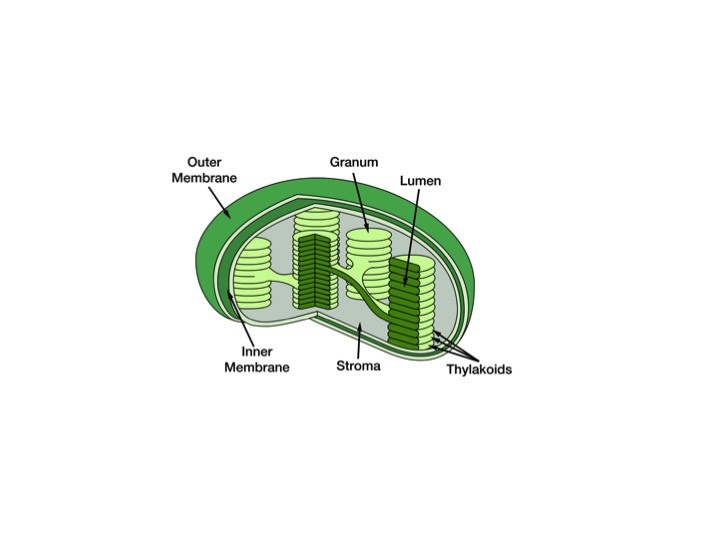


After sugars are formed in photosynthesis, what structure do they travel through to reach the fruits of the plant?
xylem
cuticle
phloem
roots

Which product is "waste" and mostly released by the producer (plant)?
oxygen
carbon dioxide
sugar
glucose

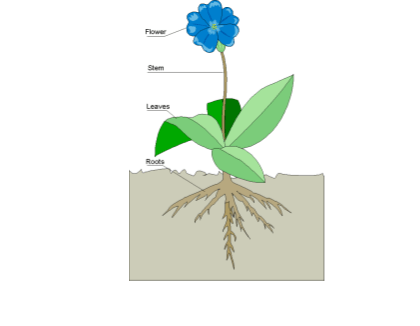
Main products of the Calvin Cycle
Oxygen, NADP+, ADP
Glucose, CO2, ADP
ADP, NADP+, Glucose
ATP, NADPH, Oxygen
The Calvin Cycle occurs in the
Thylakoid
Grana
Inner membrane of chloroplast
Stroma
5 carbon sugar that combines with CO2 in the Calvin Cycle
3-PGA
G3P
RuBP
Glucose
The six carbon sugar initially made in the Calvin Cycle is unstable and breaks into two molecules of
ATP
G3P
RuBP
3-PGA

Tiny pores on the underside of leaves
Stroma
Stomata
Thylakoids
Chloroplasts
Plants can close their stomata when the temperature is hot
To prevent water loss
To prevent loss of oxygen
To prevent loss of carbon dioxide
To bring in more carbon dioxide
A plant using the C4 pathway will
fix CO2 into a four carbon sugar instead of a three carbon sugar
close the stomata during the day
produce a four carbon sugar instead of glucose
not need ATP from the light reactions
Which of the following is a way to increase the rate of photosynthesis?
Increase oxygen levels
Decrease CO2 levels
Increase light intensity
Decrease water level
Which is not a C4 plant?
Cactus
Corn
Sugar cane
Crab grass
Which of the following is a CAM plant?
Corn
Sugar cane
Crabgrass
Pineapple
Which of the following is true of the Light Reactions?
carbon dioxide and energy (ATP and NADPH) are used to make organic compounds
energy is absorbed from sunlight and converted to chemical energy stored in ATP and NADPH
Occurs in the stroma
Occurs in the cytoplasm
Which of the following is true of the Calvin Cycle?
carbon dioxide and energy (ATP and NADPH) are used to make organic compounds
energy is absorbed from sunlight and converted to chemical energy stored in ATP and NADPH
Occurs in the thylakoid
Occurs in the cytoplasm
Rate of photosynthesis ________ as light intensity _________
increases, increases
decreases, increases
increases, decreases
Increasing carbon dioxide can increase photosynthesis, but only to a maximum rate because
There are not enough RuBP molecules
Oxygen cannot leave fast enough
Large amounts of CO2 cannot fit in the chloroplast
Calvin cycle can only go as fast as the light reactions
Increasing temperature can speed up photosynthesis to a certain point.
True
False
Temperatures that are too high can slow photosynthesis because
stomata stay open
enzymes are ruined
there is not enough CO2
there is too much water
Which enzyme joins CO2 and RuBP?
NADP+ reductase
RUBISCO
ATP synthase
none of the above

In green plants, the primary function of the Calvin cycle is to
Use ATP to release carbon
Split water to release oxygen.
Construct sugar from carbon dioxide.
Use NADPH to release carbon
To bring in nonliving carbon (CO2) and use it to make organic compounds is a process called _______________.
carbon fixation
cellular respiration
catabolic reactions
mitosis
Aerobic means
(a)
Anaerobic means
(a)
What organelle allows for photosynthesis to occur?
mitochondria
chlorophyll
chloroplast
lysosome
At night time with zero light, what gas would be collected the most from a plant?
oxygen
hydrogen
carbon dioxide
water vapor
On a 95 degree day in the daylight, what gas is likely to be collected from a plant the most?
carbon dioxide
water vapor
oxygen
hydrogen
Where does the light reaction take place?
(a)
Where does the dark reaction take place?
(a)
Photosynthesis goal is to
convert light energy into glucose energy
use light energy to make oxygen gas
convert sugar energy into ATP
convert sugar energy into oxygen gas
Rubisco is important in which step of photosynthesis
energizing the electrons in chlorophyll
carbon fixation when CO2 is connected to RUBP during calvin cycle
regeneration phase as RUBP is made during calvin cycle
reduction of the carbon chain during the calvin cycle
Plants obtain CO2 into the chloroplast by
active transport
diffusion
facilitated diffusion
endocytosis
Photosystems are made of
chloroplasts
chromosomes
chlorophyll
cytoplasm
ATP is made during the light reaction using all of the following EXCEPT
proton pump
hydrogen ion gradient
electron energy from photosystem II
NADPH donating electrons
Why does photorespiration occur?
stomata are closed and CO2 levels are too low.
stomata are closed and O2 levels are too low.
stomata are open and too much water is leaving the plant
stomata are open and the plant receives too much CO2
What does a C4 plant do?
stores CO2 in a separate cell from its photosynthetic cell during the day
stores CO2 in a vacuole during the night.
can't store CO2 so it sufferes photorespiration
can't store CO2 so it speeds up cellular respiration in order to make more CO2
Plants that store CO2 at night as an acid in a vacuole are called
C3 plants
C4 plants
CAM plants
Which plant LACKS CO2 storage method
C3
C4
CAM

