wayground logo

Free Printable Worksheets

NEW

Font size

S
M
L
XL
Worksheets

Evolution/Classification/ 6 Kingdoms

Total questions: 74

Worksheet time: 58mins
Name
Class
Date
1.
Structures with the same parts have different functions; suggests that organisms share a common ancestry
a)
vestigial structures
b)
homologous structures
c)
adaptive radiation
d)
fossil
2.
Study of embryos of various organisms to show a common ancestor because of similarities in development
a)
natural selection
b)
embryology
c)
speciation
d)
evolution
3.
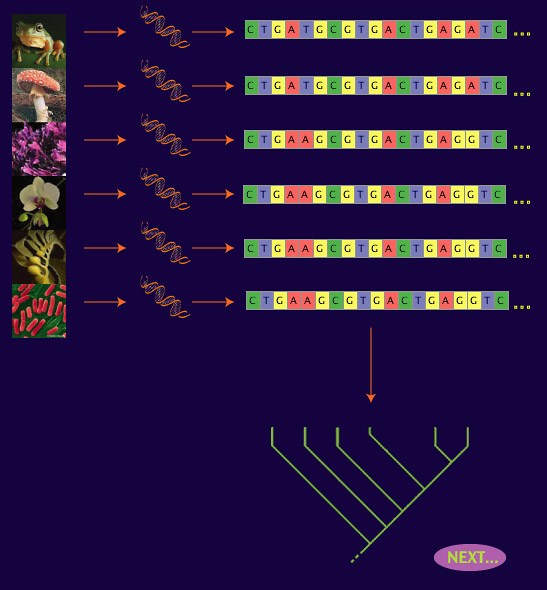
Two organisms that are closely related would have
a)
very similar DNA sequence
b)
exactly the same DNA sequences
c)
no proteins in common
d)
completely different DNA sequence
4.
What does Darwin's theory of evolution suggest?
a)
species change over time
b)
extinct species are not related to living species
c)
different species can interbreed
d)
animals that look alike are most closely related
5.
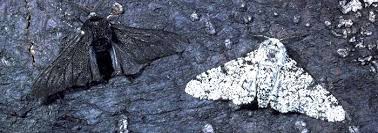
Predict which moth would increase in population
a)
light 
b)
dark
6.
Scientists compare organisms' DNA to support the theory that all species share a common _________________
a)
separation
b)
ancestor
c)
population
d)
environment
7.
Structures are similar in appearance but not in structure
a)
Vestigial 
b)
Homologous 
c)
Analogous Structures 
d)
Embryonic 
8.

Similar structures with different purposes found in different species are known as _____

a)

vestigial structures

b)

DNA

c)

homologous structures

d)

the fossil record

9.

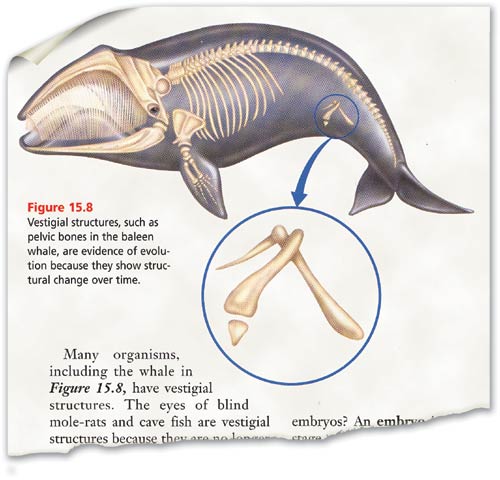
The picture shows a/an ___________

a)

homologous structure

b)

vestigial structure

10.

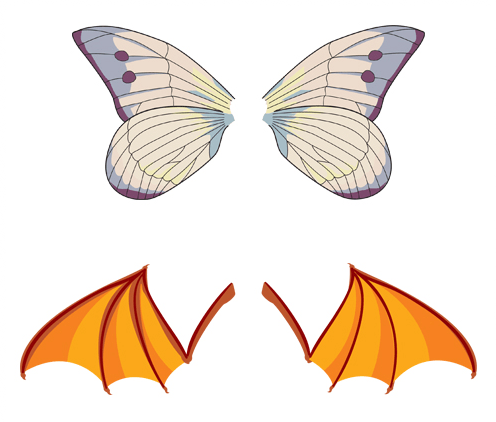
What is this an example of?

a)

Homologous structure

b)

Analogous structure

c)

Vestigial organs

d)

Functional adaption

11.
Which of the following is an example of a vestigial structure?
a)
the wings of a red-tailed hawk
b)
the hind limbs of a house cat
c)
the fins of sharks
d)
the tailbone of a human
12.
Which species’ DNA is most similar to the DNA of the toothed whale? 
a)
Hippopotamus 
b)
Baleen Whale
c)
Grazing Mammals
d)
Camels
13.
Two organisms that are closely related would have
a)
very similar DNA sequence
b)
exactly the same DNA sequences
c)
no proteins in common
d)
completely different DNA sequence
14.
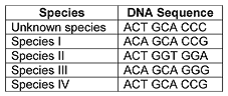
According to this data, the unknown bacterial species is most closely related to: 
a)
Species I
b)
Species II
c)
Species III
d)
Species IV
15.

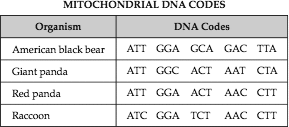
What conclusions can be made based on this table shown?

a)

the American black bear and the giant panda are most closely related

b)

the giant panda and the red panda are most closely related

c)

the red panda and the racoon are the most closely related

d)

the giant panda and the racoon are most closely related
16.

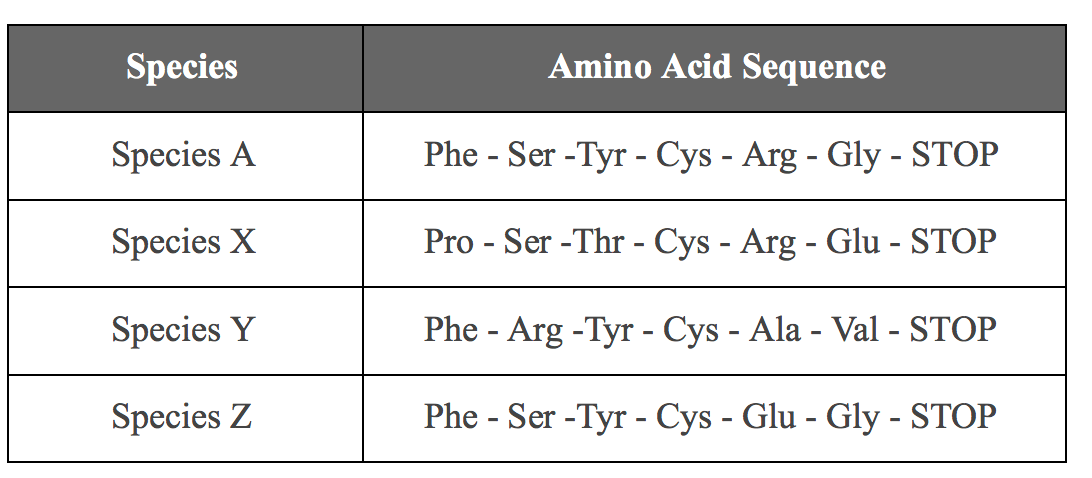
A scientist compares DNA taken from four different living species. Which of the following statements is true?

a)

Species X evolved from Species Y.

b)

Species A and Z share a recent common ancestor.

c)

Species A and Species Y are the same.

d)

Species Y and Species Z can interbreed.

17.
A biological ____________ is a group of interbreeding populations that is reproductively isolated from other groups.
a)
species
b)
family
c)
phylogeny
d)
hybrid
18.
__________ enable an organism to survive in its environment.
a)
adaptations
b)
natural selections
c)
divergence
d)
extinctions
19.

When looking at two birds of the same species, you notice that one has darker feathers than the other one. You also notice that one has a beak that is just a little longer. These slight differences within members of the same species are called.....

a)

Fossils

b)

Extinction

c)

Meiosis

d)

Variations

20.
Natural selection could not occur without...
a)
genetic variation in species
b)
stable environments
c)
competition for unlimited resources
d)
gradual warming of the Earth
21.
Which is not classified as a living thing?
a)
bacteria 
b)
giant kelp
c)
slime mold
d)
virus
22.
Use the cladogram to determine which of the following organisms is most closely related to the dog?
a)
cat
b)
frog
c)
fish
d)
fly
23.
The species of finches that Darwin observed differed in the shape of their beaks.  According to Darwin, all of these species probably differed due to...
a)
natural selection
b)
had migrated from Africa
c)
had descended from similar birds in Africa
d)
ate the same diet
24.
When farmers select the largest hogs, the fastest horses, or the cows that produce the most milk for breeding it is called...
a)
natural selection
b)
artificial selection
c)
survival of the fittest
d)
homologous variation
25.
The study of the evolutionary relationships among organisms is called...
a)
taxonomy 
b)
domainology
c)
phylogeny
d)
binomial nomenclature
26.
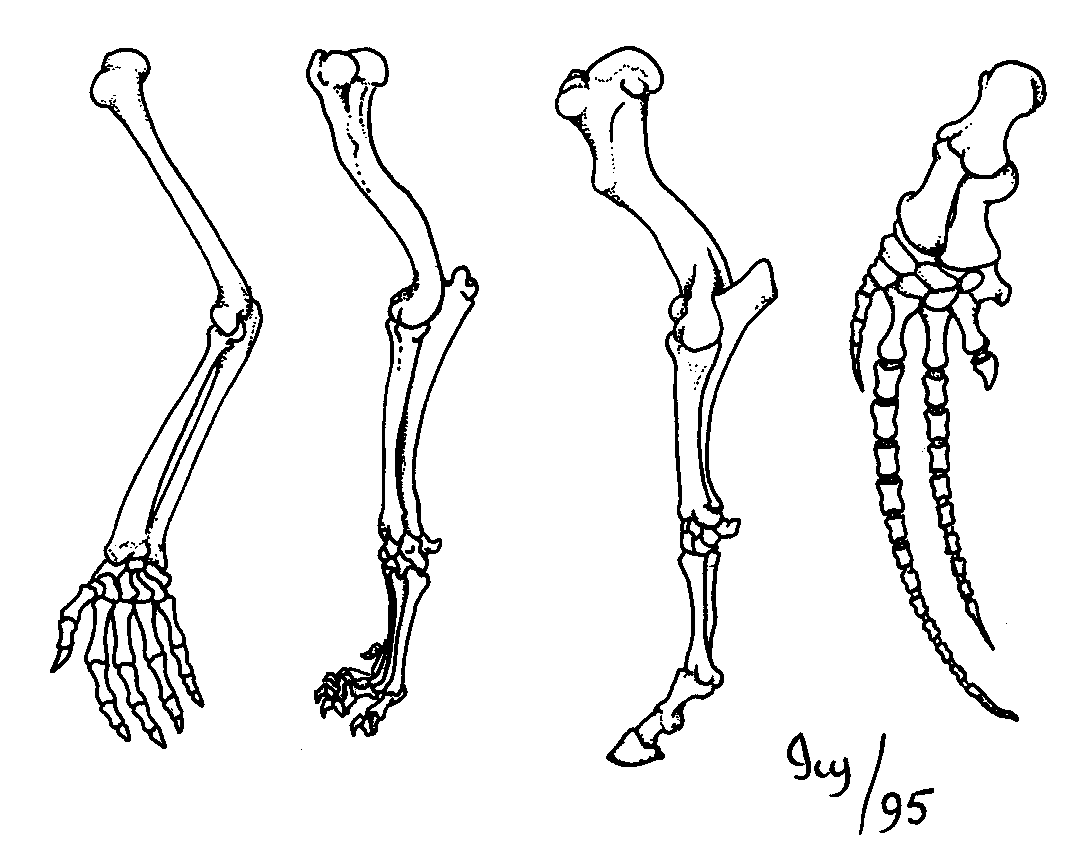
Refer to the illustration.  The similarity of these structures is one from of evidence that the organisms...
a)
share a common ancestor
b)
all grow at different rates
c)
evolved instantaneously
d)
live for a long time
27.
Natural selection is the process by which...
a)
the age of selected fossils is calculated
b)
organisms with traits well suited to their environment survive and reproduce more successfully than organisms less suited to the same environment
c)
acquired traits are passed on from one generation to the next
d)
all answers are correct
28.
Evidence that evolution occurs includes all of the following except...
a)
no change has occurred in any species
b)
similarities in proteins and DNA sequences between organisms
c)
the fossil record
d)
homologous structures among different organisms
29.
A human appendix, whale hipbones, and skink's legs are examples of...
a)
homologous structures
b)
embryonic mates
c)
vestigial organs
d)
analogous structures
30.
When Darwin published his first book about evolution, he included all of the following ideas except...
a)
the idea that species change slowly over time
b)
the idea that some organisms reproduce at a greater rate than others
c)
the idea that species are permanent and unchanging
d)
the idea that some species become better suited to their environment than others
31.
How do fossils demonstrate evidence of evolution?
a)
They show that ancient species share similarities with species now on Earth
b)
They show evidence of species that are not extinct
c)
They are the primary source of evidence of natural selection
d)
Fossils reveal that many species have remained unchanged for millions of years
32.
Darwin believed in the idea that evolution happened slowly over a long period of time called
a)
punctuated equillibrium
b)
gradualism
c)
symbiosis
d)
mass extinction
33.
 In a population of clover flowers, there are both white and purple varieties.  The cows that graze the field where the clover grows prefer the purple variety.  Over time, the white clover flowers become much more numerous and the purple ones more scarce.  This is an example of which process that can cause evolutionary change?
a)
genetic equilibrium
b)
genetic mutation
c)
natural selection
d)
overproduction
34.
Which of the following list the taxa from broadest to most specific?
a)
domain, kingdom, class, order, phylum, family, genus, species
b)
species, genus, family, order, class, phylum, kingdom, domain
c)
domain, kingdom, phylum, class, order, family, genus, species
d)
 phylum, kingdom, class, family, order, genus, domain, species
35.
The ability of an individual to survive and reproduce in a specific environment is called
a)
fitness
b)
common descent
c)
survival of the fittest
d)
struggle for existence
36.
The science that specializes in naming and classifying organisms is...
a)
anatomy
b)
biology
c)
botany
d)
taxonomy
37.
Which of the following is a correct statement about the relationship between natural selection and evolution?
a)
Natural selection results from evolution.
b)
Natural selection includes evolution as a part of it.
c)
 Natural selection is one mechanism of evolution.
d)
Natural selection and evolution are the same thing.
38.
Structures that have different mature forms, but develop from the same embryonic structure are called ______________ structures.
a)
Darwinian
b)
Larmarckian
c)
homologous
d)
fossils
39.

What kingdom-Prokaryotic-lives in hot, salty environments

a)

plants

b)

animals

c)

archaebacteria

d)

eubacteria

40.

HOW MANY KINGDOMS ARE THERE?

a)

4

b)

5

c)

6

d)

7

41.

MUSHROOMS ARE IN WHAT KINGDOM

a)

PLANT

b)

ANIMAL

c)

FUNGI

d)

PROTIST

42.

AMOEBA-PARAMECIUM-EUGLENA-DINOFLAGELLATES BELONG TO WHAT KINGDOM

a)

PLANT

b)

PROTIST

c)

FUNGI

d)

ANIMAL

e)

ARCHAEBACTERIA

43.

APES BELONG TO WHAT KINGDOM

a)

PLANT

b)

ANIMAL

c)

FUNGI

d)

PROTIST

44.

RINGWORM IS CAUSED BY MEMBERS OF WHAT KINGDOM

a)

PLANT

b)

ANIMAL

c)

PROTIST

d)

FUNGI

45.

STREP THROAT IS CAUSED BY MEMBERS OF WHAT KINGDOM

a)

EUBACTERIA

b)

ARCHAEBACTERIA

c)

PROTIST

d)

FUNGI

46.

DEAD DECOMPOSING ORGANISMS ARE THE RESULT OF WHAT KINGDOMS?

a)

PLANT-ANIMAL

b)

PROTIST-FUNGI

c)

FUNGI-BACTERIA

d)

BACTERIA-ARCHAEBACTERIA

47.

HAS A CELL WALL

a)

FUNGI-ANIMALS

b)

SOME BACTERIA-FUNGI

c)

SOME BACTERIA-FUNGI-PLANTS

d)

SOME PROTIST-ANIMALS

48.
This domain is characterized by ancient bacteria that can live in extreme environments, such as volcanoes.
a)
Archaea
b)
Bacteria
c)
Eukarya
d)
Prokarya
49.
What are the three domains?
a)
Archaea, Bacteria, and Eubacteria
b)
Archaea, Protists, and Eubacteria
c)
Archaea, Bacteria, and Eukarya
d)
Archaea, Fungi, Animalia
50.
The domain Eukarya has 4 kingdoms, protista, fungi, plantae and ________.
a)
Animalia
b)
Mammalia
c)
Crustacea
d)
Amphibia
51.
Cells that have a nucleus are called....
a)
eukaryotes
b)
prokaryotes
c)
unicellular
d)
multicellular
52.
Bacteria are one-celled and have no nucleus. What are they classified as?
a)
Eukaryote
b)
Prokaryote
53.
Members of this kingdom never have a cell wall
a)
Animalia
b)
Plantae
c)
Archaebacteria
d)
Protista
54.

Bacteria and archaea are similar because both _________________.

a)

are eukaryotes

b)

are prokaryotes

c)

have the same kind of cell wall

d)

store their DNA in a nucleus

55.
Which two kingdoms are entirely multicellular?
a)
Animalia and Plantae
b)
Animalia and Protista
c)
Protista and Plantae
56.
Which kingdoms have some organisms that can make their own food (autotrophic)?
a)
Plantae and Animalia
b)
Fungi and Plantae
c)
Protista and Plantae
57.
Moss belongs in the kingdom...
a)
Fungi
b)
Plantae
58.
Algae and Kelp belong to the Kingdom...
a)
Plantae
b)
Protista
c)
Fungi
d)
Eubacteria
59.

In Kingdom Animalia, there are is a wide variety of organisms such as humans, reptiles, fish, birds, insects, and mammals. These organisms are different from each other in many ways. Why would scientists classify all of these organisms into the same Kingdom?

a)

They are parasites.

b)

They are unicellular.

c)

They are prokaryotes.

d)

They are heterotrophs.

60.
Organisms that are classified as autotrophic are able to-
a)
be seen with the human eye
b)
move
c)
reproduce
d)
make their own food
61.
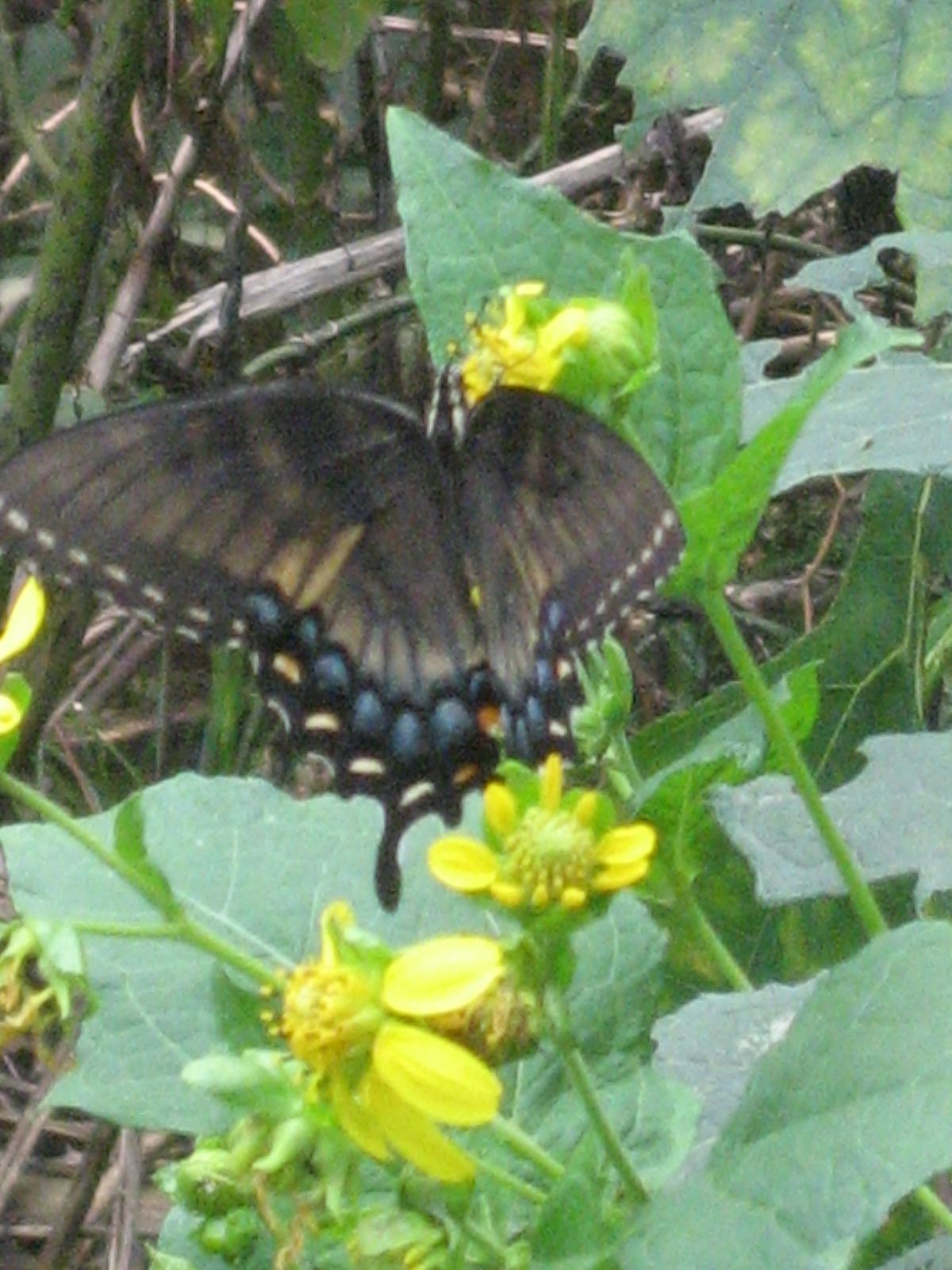
Which kingdom would this organism belong to?
a)
Protista
b)
Plantae
c)
Animalia
d)
Fungi
62.
The broadest or most general taxonomic classification of living organisms is organized by -- 
a)
Kingdom
b)
Domain
c)
Species
d)
Organisms
63.
What are the three domains?
a)
Archaea, Bacteria, and Eubacteria
b)
Archaea, Protists, and Eubacteria
c)
Archaea, Bacteria, and Eukarya
d)
Archaea, Fungi, Animalia
64.
I am made of many cells.  My cells have an organized nucleus.  I mostly have two parents, but sometimes one.  I make my own food.
a)
Fungi
b)
Bacteria
c)
Plantae
d)
Animalia
65.
Is fungi autotrophic or heterotrophic?
a)
Autotrophic, they make their own food
b)

Heterotrophic, they get food from other organisms
66.
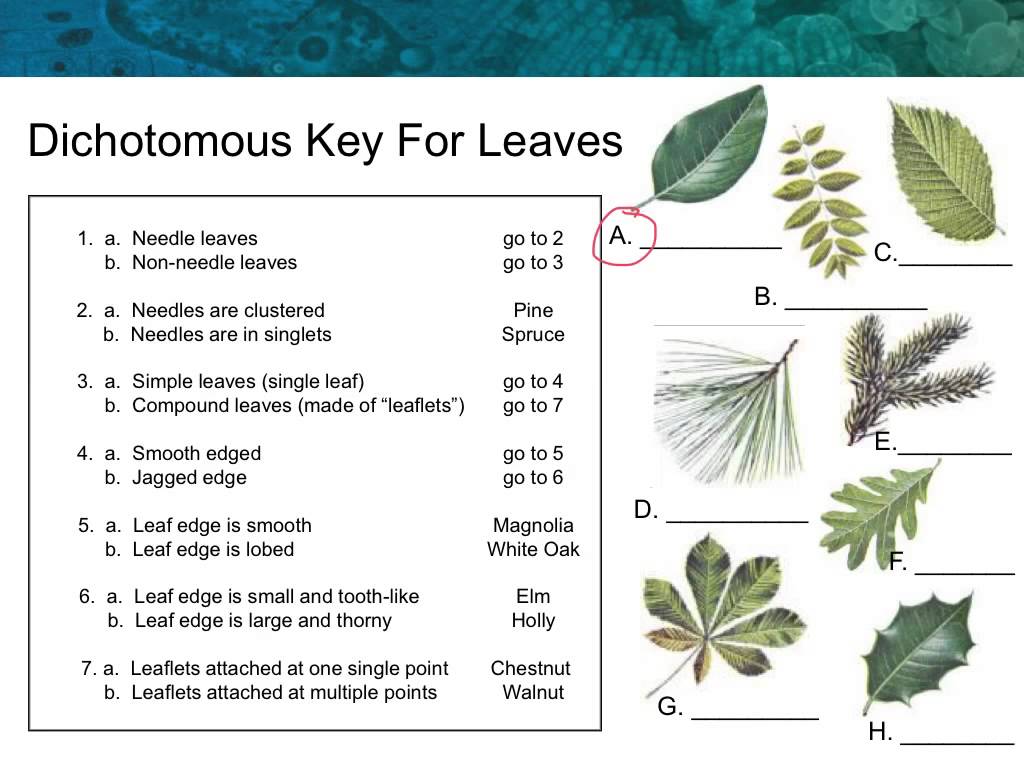
What is the purpose of a dichotomous key?
a)
to find a common ancestor
b)
to show the evolution of organisms
c)
to show relationships between organisms
d)
to identify organisms
67.
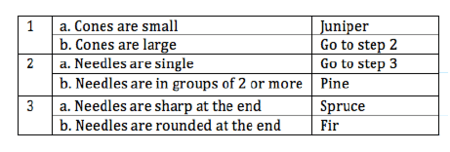
A dichotomous key for trees is provided. Hikers found a tree that has large brown cones and single sharp needles. What species of tree have the hikers found?
a)
Juniper
b)
Pine
c)
Spruce
d)
Fir
68.
A dichotomous key for insects is given. To what order does an insect with two pairs of scaly wings belong?
a)
Coleoptera
b)
Heteroptera
c)
Diptera
d)
Lepidoptera
69.
The 8 levels of classification, most broad to most specific.
a)
Domain, Genus, Family, Order, Class, Phylum, Kingdom, Species
b)
Domain, Species, Kingdom, Genus, Phylum, Family, Class, Order
c)
Domain, Kingdom, Phylum, Class, Order, Family, Genus, Species
d)
Order, Kingdom, Species, Domain, Phylum, Family, Class, Genus
70.
Using this dichotomous key, identity the name of the circled fish.
a)
band-tail puffer
b)
spotted goat fish
c)
peacock flounder
d)
trumpet fish
71.
The first part of a scientific name is an organism's _______________ and the second part is its ________________.
a)
species, genus
b)
phylum, order
c)
class, spices
d)
genus, species
72.
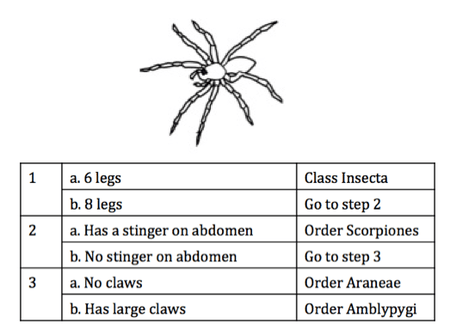
An illustration and a dichotomous key are given. What is the correct classification for this organism?
a)
Class Insecta
b)
Order Amblygygi
c)
Order Araneae
d)
Order Scorpiones
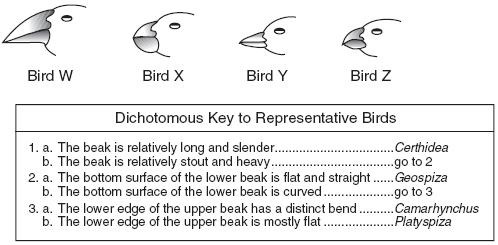
73.
What is the name of bird Z?
a)
Certhidea
b)
Geospiza
c)
Camarhynchus
d)
Platyspiza
74.
What is a dichotomous key used for in science?
a)
To organize biomes
b)
Classify organisms
c)
Identify bacteria only
d)
None of these