
 Worksheets
7th Q1 Exam Review 2021
Total questions: 127
Worksheet time: 2hrs 32mins

A cell with nucleus is
Autotrophic
Prokaryotic
Eukaryotic
Heterotrophic

what kingdom?- eukaryotic, multi-celled-photosynthetic.
animal
plant
protist
fungi
What kingdom-Prokaryotic-lives in hot,salts environments
plants
animals
archaebacteria
eubacteria
What kingdom- eukaryotic-multi-celled-heterotrophic
plant
animal
protista
fungi
What kingdom- prokaryotic-single celled-found on humans & other surfaces
eubacteria
archaebacteria
protists
fungi
WHAT KINGDOM-EUKARYOTIC-MOST SINGLE CELLED-PHOTOSYNTHETIC AND HETEROTROPHIC
PLANT
ANIMAL
PROTIST
FUNGI
HOW MANY KINGDOMS ARE THERE?
4
5
6
7

MUSHROOMS ARE IN WHAT KINGDOM
PLANT
ANIMAL
FUNGI
PROTIST

APES BELONG TO WHAT KINGDOM
PLANT
ANIMAL
FUNGI
PROTIST

ATHLETES FOOT IS CAUSED BY MEMBERS OF WHAT KINGDOM
PROTIST
FUNGI
EUBACTERIA

RINGWORM IS CAUSED BY MEMBERS OF WHAT KINGDOM
PLANT
ANIMAL
PROTIST
FUNGI

What two kingdoms can you see in the picture?
Fungi & Bacteria
Animals & Fungi
Fungi & Plantae
Animals & Plants
The _______ is the smallest structural and functional unit of a living thing. (this will be matching on the test)
cell
metabolism
nutrition
defense
__________ is responding to changes in the environment. (This will be a matching question on the test)
Response
Reproduction
Metabolism
Growth
______ is keeping conditions in the cell balanced. (This will be a matching question on the test)
Homeostasis
Response
Metabolism
Nutrition
______ means to increase in size. (This will be a matching question on the test)
Growth
Nutrition
Reproduction
Defense
______ means producing offspring. (This will be a matching question on the test)
Reproduction
Defense
Nutrition
Growth
Which choice is NOT part of the cell theory.
All organisms are composed of cells.
Cells are the basic unit of life.
All cells come from previous cells.
Cells are always the same size and shape.
Microscopes help us see very small objects like cells in detail.
True
False
Microscopes help us see very small objects like cells in detail.
True
False
What happened that allowed cells to be studied?
Cells increased in size.
Scientists began to work together.
Scientists became smarter.
The microscope was invented and improved.


Which of the following converts food into energy for the cell?
vacuole
mitochondria
cytoplasm
cell membrane
Nucleus
Keeps the cell separate from other plant and animal cells.
Controls all of the cell's activities. Known as the boss or brain of the cell; is a circular shape that holds the DNA.
Is the powerhouse of the cell.

Which body system controls the rest of the body by sending and receiving electrical signals?
Digestive
Circulatory
Muscular-skeletal
Nervous
Respiratory

Which body system transports gasses, nutrients and waste around the body?
Digestive
Circulatory
Muscular-skeletal
Nervous
Respiratory

Which body system helps you move, gives your body shape, & makes new blood?
Digestive
Circulatory
Muscular-skeletal
Nervous
Respiratory

Which body system Breaks down food into nutrient molecules that can be transported in the body?
Digestive
Circulatory
Muscular-skeletal
Nervous
Respiratory

Which body system bring oxygen into the body and expels carbon dioxide out to the body?
Digestive
Circulatory
Muscular-skeletal
Nervous
Respiratory
How does the circulatory system and the respiratory system work together?
The circulatory system allows the body to have energy while the respiratory system makes cells
The circulatory system transports oxygen around the body while the respiratory system gives the body oxygen
The circulatory system makes cells while the respiratory system moves them where they are suppose to go
The circulatory system transports nutrients around the body while the respiratory system brings oxygen into the body
How does the circulatory system and the respiratory system work together?
The circulatory system allows the body to have energy while the respiratory system makes cells
The circulatory system transports oxygen around the body while the respiratory system gives the body oxygen
The circulatory system makes cells while the respiratory system moves them where they are suppose to go
The circulatory system transports nutrients around the body while the respiratory system brings oxygen into the body
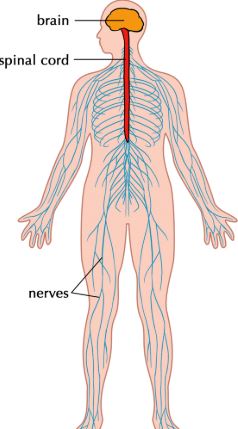
What system is pictured?
Skeletal
Circulatory
Nervous
Muscular
What system helps deliver nutrients and oxygen to all of your body cells?
Circulatory
Respiratory
Digestion
Excretory
What system supports and protects your internal organs?
Muscular
Digestive
Excretory
Skeletal

Which two body systems are working together to make this type of physical movement from the basketball player?
Circulatory and Excretory
Skeletal and Muscular
Nervous and Digestive
Respiratory and Skeletal
What system eliminates non solid waste from the body?
Integumentary
Digestive
Excretory
Respiratory

What is the function of the system pictured?
Helps pumps your blood through out your body.
Helps move and protect your body.
Helps take in oxygen and remove carbon dioxide.
Helps maintain body your temperature.

What is the function of this system?
Gets rid of carbon dioxide waste
Produces movement
Protects your body from infections
It gathers information and responds to the information

What part of the integumentary system is your dermis?
A
B
C
What part of the integumentary system is your dermis?
A
B
C
What system gathers information and responds to that information? Ex: Touching something that is hot and quickly pulling your hand away.
Skeletal
Muscular
Integumentary
Nervous
Which system includes the nose, trachea and the lungs?
Excretory
Respiratory
Circulatory
Muscular
Which system includes the kidneys, ureters, urinary bladder, urethra?
Digestive
Muscular
Excretory
Nervous
Which two body systems deliver oxygen to your cells and take away carbon dioxide?
Respiratory and Nervous
Circulatory and Nervous
Circulatory and Excretory
Respiratory and Circulatory
What is the body system that sends and receives electrical signals from the brain?
Muscular
Skeletal
Nervous
Digestive
Which body system transports oxygen and nutrients through out the body?
Muscular
Nervous
Digestive
Circulatory
The muscular organ that pumps blood through out your body is your
Arteries
Diaphragm
Heart
Larynx

What part of the integumentary system is the epidermis?
A
B
C
What is the role of the muscular system?
Support the body
Digest food and absorb nutrients
Movement
Transport oxygen
Which of these organs is NOT directly involved with the digestive system?
Lungs
Liver
Stomach
Small intestine
The excretory system is for removing solid waste and liquids?
True
False
What is the main function of the circulatory system?
Movement
to remove waste
action and senses
Transport blood around your body
You see a ball coming at you and you jump out of the way. This is an example of you sensing something and then acting on it. What system is responsible?
Skeletal
Muscular
Nervous
Respiratory
The __________ system is responsible for all these jobs:
Making blood cells, supporting your body, allowing movement, storing minerals, and protecting your organs
Muscular
Skeletal
Circulatory
Excretory
What is the basic structural and functional unit of living organisms?
cells
atoms
molecules
organelles
What does "function" mean?
How fast something moves
What something does
A measurement
Are you an organism?
Yes
No
What is the 1st level of organization in a body system?
Tissue
Organism
Organ System
Cell
Organ
What is the 2nd level of organization in a body system?
cell
organ
organ system
tissue
organism
What is the 3rd level of organization in a body system?
organism
organ system
organ
tissue
cell
What is the 4th level of organization in a body system?
cell
tissue
organ
organism
organ system
What is the 5th level of organization in a body system?
Cell
Tissue
Organ
Organ System
Organism
Which of these organelles would NOT be a part of an animal cell?
nucleus
chloroplast
cell membrane
mitochondria
Which organelle controls the cell?
mitochondria
membrane
nucleus
chloroplast
If the cell were a castle, this would be like gates in the wall only letting in some items.
chloroplast
nucleus
mitochondria
membrane
If the cell were a castle, the ___ would be hardworking servants turning raw materials into food.
mitochondria
nucleus
membrane
cell wall
If the cell were a castle, the _______ would be the queen commanding everyone around.
nucleus
mitochondria
membrane
chloroplast
This type of cell carries food and oxygen to other cells.
fat
skin
nerve
blood
This type of cell takes information around your body to and from the brain.
nerve
blood
fat
skin
These cells' main job is to help us move.
fat
muscle
skin
blood
In the nervous system, touch messages go from sensory nerves to ______________ and then the brain.
motor nerves
brain
eyes
spinal cord
This processes information to remember and/or understand what response to take.
brain
spinal cord
motor nerves
sensory nerves
This organ includes the cerebellum, medulla, and cerebrum.
stomach
spinal cord
brain
cell


What should I always remember when working in the lab?
Be quick!
Be proactive!
Be smart!
Be safe!

You are starting a lab and you notice the cord on the hot plate looks like this...what should you do?
Plug it in and use it since it must have worked before.
Don't use it and tell the teacher immediately.
Plug it in and let the teacher know when they come around during the lab.
Don't plug it in, it is obviously damaged, and share the hot plate with the group beside yours.

