
 Worksheets
Electricity- Assessment
Total questions: 67
Worksheet time: 37mins

What is the name of this component?
battery
cell
open switch
lamp

What is the name of this component?
battery
cell
open switch
lamp

What is the name of this component?
fuse
cell
motor
lamp

What is the name of this component?
fuse
cell
battery
wire

What is the name of this component?
closed switch
cell
open switch
wire

What is the name of this component?
fuse
cell
bell
lamp

What is the name of this component?
fuse
cell
wire
bell
An electric current is defined as the flow of ? through a conductor.
electrons
protons
nuclei
ohms
The unit of Voltage is the ? , which is represented by the letter ? .
ampere/A
resistance/R
volt/V
watt/W
What is the unit of measurement for resistance?
Voltage
Ampere
Watts
Ohms
Which is an example of static discharge?
a motor
lightning
thunder
insulators
This allows energy to flow.
conductor
insulator
This does not allow energy to flow.
insulator
conductor
Which is NOT a conductor


Which is NOT an insulator


Which best describes a parallel circuit?
Electricity flows along one pathway.
The flow of electricity comes from one battery.
Electricity flows along more than one pathway.
The flow of electricity comes from more than one battery.

The movement of electrons from atom to atom in a line results in a flow of _____.
amperage.
electric current.
electromagnetic connectors.

In a parallel circuit, if one connection is broken, all of the connections stop working.
True.
False.

Which statement is true?
The light bulb will light up because the circuit is complete.
The light bulb will light up because the circuit is broken.
The light bulb will not light up because the circuit is complete.
The light bulb will not light up because the circuit is open.

What type of circuit is the image showing?
Parallel
Series
No circuit

A Charging system producing 14.5 Volts with a current flow of 43.5 Amps, what is the circuit resistance
58 Amps
0.33 Amps
13 Amps
1 Amp

If the current through a circuit is 2 A and the resistance of a light bulb in the circuit is 10 Ohms, what is the voltage difference across the light bulb?
5 V
12 V
0.2 V
20 V

What would the circuit resistance be if a 7.5 Amp draw was present with the engine running and the charging system producing 15 Volts
15 Ohms
4 Ohms
0.3333 Ohms
2 Ohms

What is the voltage in an electric circuit?
The power of the electrons
The charge of the electrons
The energy of the electrons

Where does the current get its voltage from?
The lightbulb
The battery
The wires

What is the role of a multimeter in an electric circuit?
To measure the amount of voltage, current, and resistance. It can also be used to test continuity between two points in an electrical circuit.
To measure the amount of light in an electric circuit
To measure the amount of sound in an electric circuit

Which of the circuits in the diagram are series circuits?
A
B
C
D

Which of the circuits in the diagram are parallel circuits?
A
B
C
D

Which of the circuits in the diagram will have lightbulbs that are lit?
A
B
C
D
________________ Law is a formula used to calculate the relationship between voltage, current and resistance in an electrical circuit.
Ohm's
Newton's
Criminal
How do you calculate resistance?
Current x Voltage
Voltage x Power
Voltage ÷ Current
Current ÷ Voltage

What effect does a hotter temperature have on resistance?
No effect
Increases resistance
Decreases resistance
Stays the same
What other factor of a wire could affect its resistance?
Material its made of
How shiny it is
Colour
The primary function of a fuse is to
Open the circuit
Protect the appliance
Protect the line
Prevent excessive currents from flow through the circuit
What causes a fuse to blow?
High Voltage
High Resistance
High Current
High Power
What property of fuse wire enables it to act as a safety feature?
it's Boiling point
it's strength
it's Melting point
it's Texture
it's flexibility
what happens to a 15A fuse when the current reaches 14 amperes?
it sets alight
it melts
it explodes
it cracks
nothing happens

This is the symbol for a...
Fixed Resistor
Variable Resistor
Light Dependent Resistor
Fuse
Current that is used in most household appliances?
magnetic current
direct current
circuit current
alternating current
Check all the examples that produce static electricity.
lightning
a dry cell battery
a power plant
rubbing a latex balloon and wool together
a rechargeable battery


What is wrong with the diagram in picture
nothing wrong
sum of Current in branches should be equal to 5A, but is showing 6A
The two branches should not have the same current


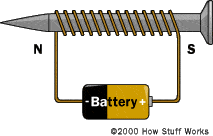
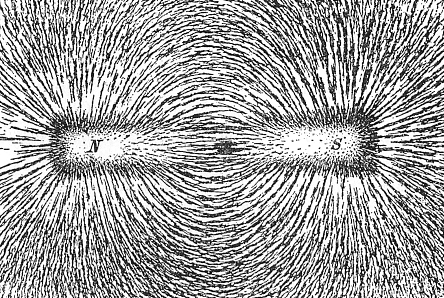
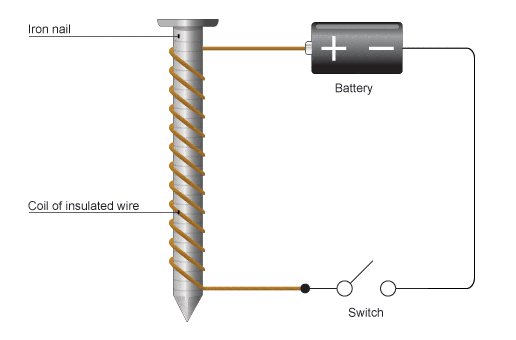

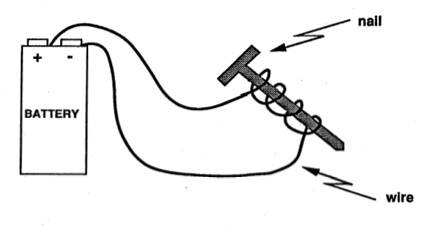
What are the components of the electromagnets?
battery, wire and bulb
battery , copper wire and plastic bottle
battery, copper wire and iron nail
battery, wire and aluminum

