
 Worksheets
Enzymes
Total questions: 45
Worksheet time: 31mins
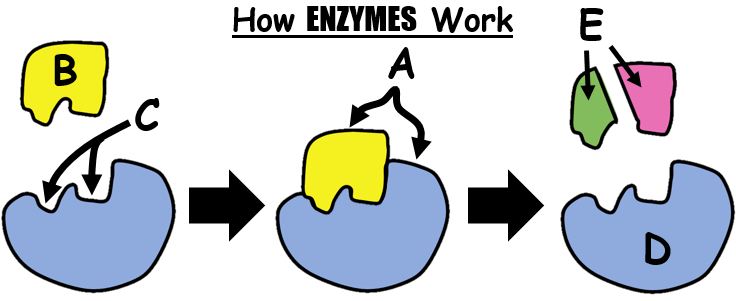
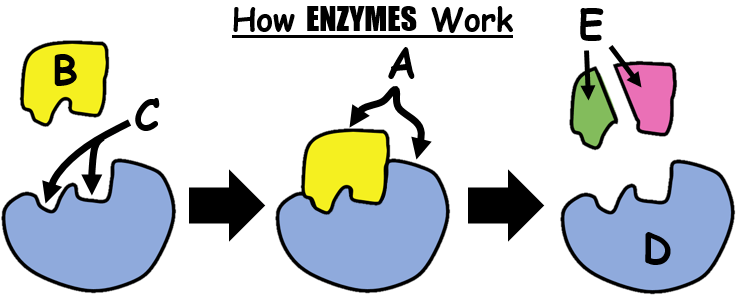
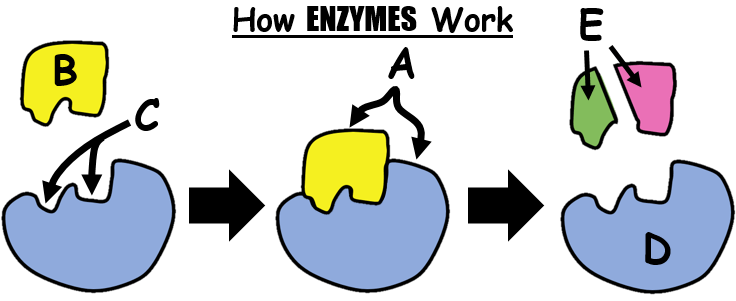
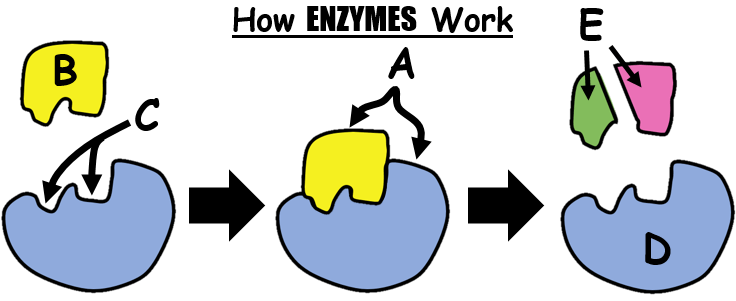
Changes in pH and temperature can ___________________ an enzyme which causes it to lose its shape and affects its function.
puncture
denature
double
delete
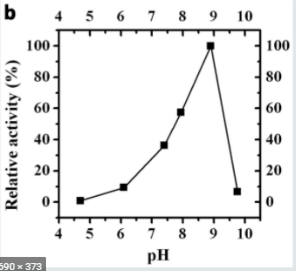
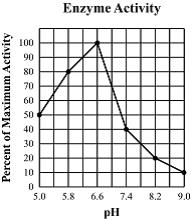
What is the optimal pH for this enzyme?
6
10
9
7
Where do substrates bind to an enzyme?
calcium channels
active site
receptor molecules
voltage-gated channels
Once a new product leaves an enzyme, the enzyme is unchanged and ready for the next substrate. What is this called?
fragile
reusable
specific
catalyst
All of the following affect the functioning of an enzyme EXCEPT:
pH
temperature
metabolism
enzyme concentration, substrate concentration, inhibitor molecules
After the enzyme and substrate bind together and perform the reaction, what does the substrate become?
a substrate
an active site
an enzyme
a product

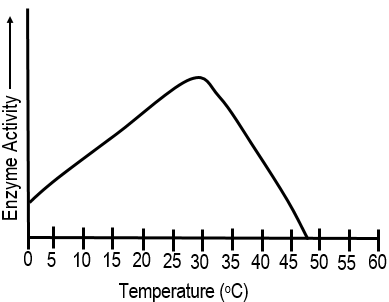
What is the optimal temperature of this enzyme?
60
40
70
30
What happens when enzymes are heated to a high temperature?
The enzymes die.
The shapes of the enzyme are altered.
The enzymes' amino acid sequence changes.
The enzymes remain the same
Which 2 factors can affect the rate of enzyme activity?
Light intensity
Temperature
pH
Oxygen concentration
I am used to test for the presence of complex carbohydrates (starch)
Benedict's Test
Biurets Test
Iodine Test
Ethanol Emulsion Test
Which of the following tests for glucose?
Iodine
Benedicts
Biuret
Emulsion
Which of the following tests for protein?
Iodine
Benedicts
Biuret
Emulsion
When starch is present iodine turns...
purple
blue-black
orange
brick red
A negative test for starch will cause Iodine to stay...
orange/red
blue
black
brick red
A negative test for glucose will cause Benedicts to stay...
brick red
blue
black
orange
Where does digestion begin:
nose
mouth
esophagus
stomach
What glands produce saliva:
pancreas
gall bladder
mouth
salivary
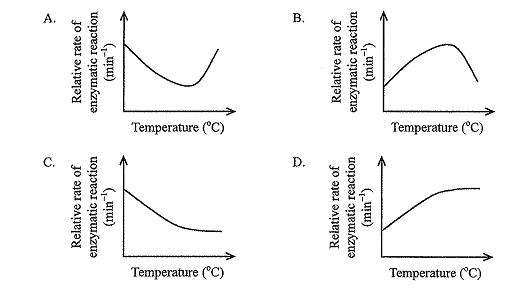
In an experiment to investigate the effect of temperature on the activity of a digestive enzyme X, the time taken for the digestion of a fixed amount of substrate by this enzyme was recorded. Which of the following graphs shows the most likely results of the experiment?
A
B
C
D
How many substrates does an enzyme usually catalyze?
1
2
3
4
Which of the following correctly describes the purpose of digestion?
To break down complex food molecules into simple soluble molecules
To make complex food molecules from simple soluble molecules
To make use of simple soluble food molecules
To remove complex food molecules from the body
Large food molecules need to be broken down to be small enough to pass through cell membranes.
True
False
Which enzyme does the stomach produce?
amylase
lipase
maltase
protease
Where is the digestion of food completed?
liver
large intestine
stomach
small intestine
What are the names of the products formed by action of lipase on small fat droplets?
(a)
What is the name of the product formed by action of protease on polypeptides or smaller protein molecules?
(a)
Name the enzyme that acts on starch.
(a)

