
 Worksheets
Unit 2 review Chemistry of Life & Macromolecules
Total questions: 72
Worksheet time: 47mins
Carbon is unique because it bonds
1 time readily with carbon
2 times readily with carbon
3 times readily with carbon
4 times readily with carbon
Within a water molecule, what bond is between the hydrogen and oxygen
Covalent bond
Ionic bond
Hydrogen bond
Peptide bond
Water's special properties of cohesion, adhesion, high specific heat, and ability to act as a near universal solvent are ALL due to
covalent bonds between hydrogen and oxygen
ionic bonds between oxygen and hydrogen
hydrogen bonds between water molecules
its polarity, uneven distribution of charges within the water molecule itself
What three elements are often in organic molecules?
Nitrogen, carbon, hydrogen
Oxygen, carbon, hydrogen
Neon carbon hydrogen
Oxygen, hydrogen, nitrogen
Which element is in all organic compounds?
Hydrogen
Carbon
Nitrogen
Oxygen

This macromolecule above is
Lipid
Carbohydrate
Protein
Nucleic acid
The function of this macromolecule is long term storage
Carbohydrate
Protein
Nucleic acid
Lipids
This function of this macromolecule is storing our genetic material
Lipid
Carbohydrate
Nucleic acid
Protein
An enzyme
Is A lipid
Is A biological catalyst
Able to heat up molecules
Slows down chemical reactions
Starch, glycogen, polysaccharides and cellulose are all
Carbohydrates
Lipids
Nucleic acids
Proteins

This macromolecule is structurally straight and is a
Protein
Lipid
Carbohydrate
Nucleic acid

What is the optimal pH for Trypsin?
2.5
8
12
14
What is the optimal pH for Pepsin?
2.5
6.5
12
14
Which body part would pepsin work the best in?
mouth
stomach
small intestine
large intestine
Pepsin and Trypsin are both
sugars
carbohydrates
lipids
proteins
What bonds holds together the nitrogenous bases in DNA
Covalent
Ionic
Hydrogen
Peptide
What are the monomers of proteins
Fatty acids
Monosaccharides
Nucleotides
Amino acids
True or false: enzymes are substrate specific
True
False
Enzymes lower which activation energy
The products
The intermediate
The reactants
All of them
What happens to an enzyme when it goes out of it’s optimal conditions
Increases
decreases/denatures
Speeds up reactions more
Lipids are good energy storage molecules because
They cannot be broken by enzymes
The have many carbon-hydrogen bonds (usually in long structural lines)
The can absorb heat
After a chemical reaction, the enzyme
Denatures
Restores to its original state
Dissolves
Converts to something else
Which carbohydrate is stored in the liver cells of humans
Starch
Glycogen
Cellulose
glucose/sugar

What type of macromolecule is this?
lipid
carbohydrate
protein
nucleic acid
Select all that apply: Which statements about water are true?
water molecules can form hydrogen bonds with other polar substances
water molecules can form temporary bonds between themselves
water can form ionic bonds with other polar molecules
a water molecule has an oxygen atom covalently bonded to 2 hydrogen atoms
A cell contains
thousands of different kinds of enzymes, each promoting a different chemical reaction.
one kind of enzyme that promotes thousands of different chemical reactions.
approximately 100 kinds of enzymes, each promoting a different chemical reaction.
one enzyme that promotes photosynthesis and one enzyme that promotes cellular respiration.
True or False: Animals store energy in the form of glycogen.
True
False
Select all that apply: Which of the following are organic macromolecule?
carbohydrate
ice
lipid
nucleic acid
True or False: Nucleotides are monomers of nucleic acids (DNA and RNA).
True
False
Check all the answers that apply. The outermost energy level is important for:
Forming bonds
Movement
Structure
Forming Ions
A positive ion:
Losses an electron.
Gains an electron.
Donates an electron.
Receives an electron.
A negative ion:
Losses an electron.
Gains an electron.
Donates an electron.
Receives an ion.
What is a molecule?
A group of electrons.
A group of elements.
A group of atoms held together by covalent bonds.
Two or more elements held together by chemical bonding.
Chose all that apply. What are some unique properties of water?
It can freeze and boil.
High specific heat.
Cohesion.
Adhesion.
What is a catalyst? Chose the best answer that applies.
Decreases activation rate and increases the reaction rate.
Helps get a reaction started.
A cat with a lisp.
A list of cats.


What causes surface tension? Remember surface tension is holding water together.
adhesion
high specific heat
low specific heat
cohesion

What subatomic particle is negatively charged?
electrons
protons
neutrons
solution

The positively charged particle in an atom is called the
neutron
ion
proton
electron
When is an ionic bond formed?
when electrons are shared
when protons are shared
when oppositely charged atoms gain or lose electrons
when oppositely charged atoms gain or lose a proton

What gives water so many important properties for life?
adhesion and cohesion
the amount of carbon in each molecule
energy released exothermically
hydrogen bonds give it polarity

What makes a chemical reaction?
matter is conserved
breaking and forming of chemical bonds
when products form reactants
when you do a lab

Which of the following solutions has the highest Hydrogen ion concentration?
a solution with a pH of 1
a solution with a pH of 4
a solution with a pH of 7
a solution with a pH of 10
A catalyzed reaction
increases the products made
uses less activation energy to get started
has a slower reaction rate
uses more reactants throughout the reaction
Atoms that share electrons are
in a covalent bond
in an ionic bond
are usually salts
always metals

What are the reactants in this chemical equation?
CH4 and 2O2
carbon and oxygen
CO2 and 2 H2O
water and methane

Which number shows the atomic number?
2
4.0026
4
HE

An element will always have the same number of
electrons
neutrons
protons
Orbitals

Atomic Mass of an atom is the?
amount of neutrons plus electrons
amount of protons plus neutrons
amount of electrons plus protons
amount of protons only
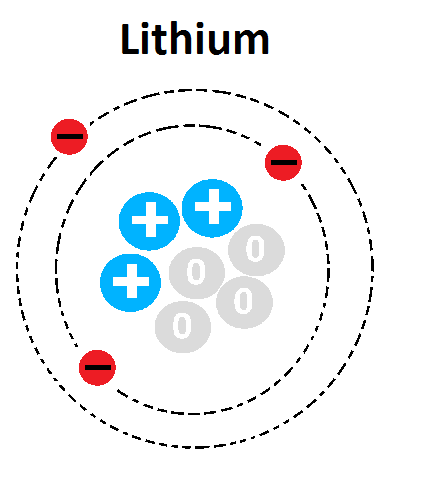
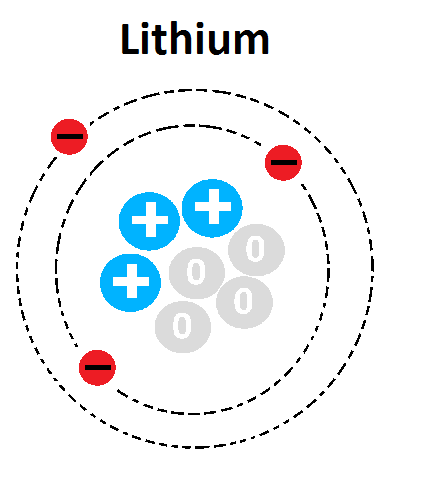
What is the mass number of this atom?
1
3
4
7

The fluorine atom has an atomic number of
19
9

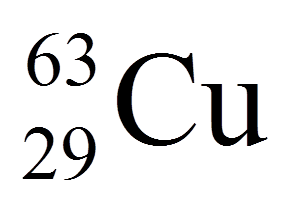
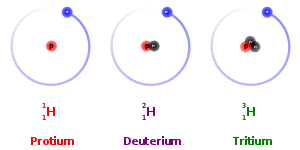

What is the atomic mass of the pictured isotope?
2
4
6
The correct answer isn't one of the choices.

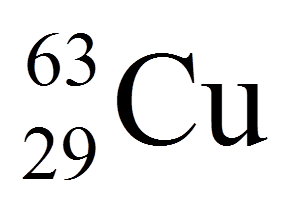
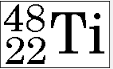
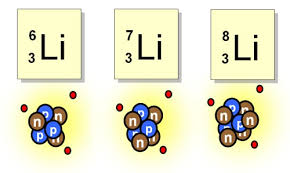

WHAT IS THE CHARGE OF THIS ION
3+
4+
5+
6+

IF NUMBER OF PROTONS IS 31, WHAT IS THE NUMBER OF ELECTRONS
27
28
29
30

WHAT IS THE NUMBER OF ELECTRONS
32
16
48
18

WHAT IS THE MASS NUMBER IF NUMBER OF NEUTRONS IS 30
5
25
50
55

WHAT IS THE NUMBER OF ELECTRONS
25
24
23
22

