
NEW
Font size
 Worksheets
Unit 3: Shaping the Earth: Rocks and Plate Tectonics
Total questions: 68
Worksheet time: 1hrs 20mins
Which layer is made (mostly) of LIQUID iron and nickel?
crust
mantle
outer core
inner core

Which layer is made (mostly) of SOLID iron and nickel?
crust
mantle
outer core
inner core
Which layer is the hottest?
crust
mantle
outer core
inner core
What is the middle part of the mantle that is partially molten rock, or putty like, or semisolid.
Asthenosphere
Mesosphere
Lithosphere
Crust
What layer is made of mostly iron?
Mantle and crust
Mantle and core
Inner core and outer core
Crust only
Which of the following correctly lists the layers from innermost to outermost?
inner core, outer core, lower mantle, upper mantle, crust
lower mantle, upper mantle, crust, inner core, outer core
lower mantle, inner core, upper mantle, outer core, crust
crust, inner core, lower mantle, upper mantle, outer core
The continental crust is
thinner than the oceanic crust
thicker than the oceanic crust
the same thickness as the oceanic crust
Earth's crust is about
2900 kilometers deep
410 kilometers deep
15 kilometers deep
50 kilometers deep
This zone divides the upper and lower mantle and is a layer of soft and weak rock
Crust
Middle mantle
Lithosphere
Asthenosphere
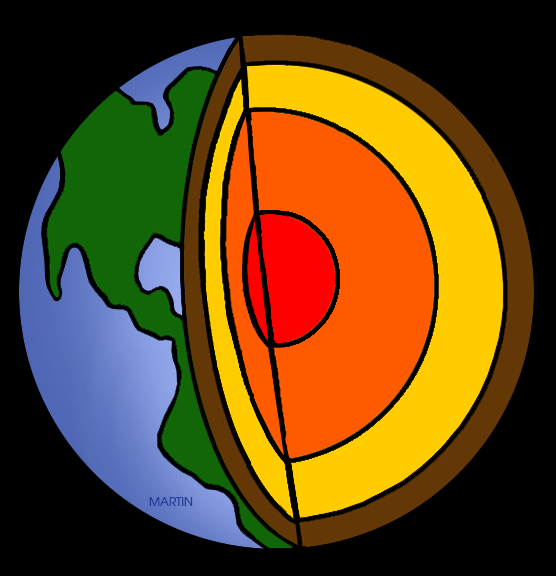
Which layer is shown in orange?
crust
mantle
outer core
inner core
Which layer is shown in yellow?
crust
mantle
outer core
inner core
Which layer is shown in brown?
crust
mantle
outer core
inner core

Which shows the order of the layers from COOLEST to HOTTEST?
crust, mantle, outer core, inner core
inner core, outer core, mantle, crust
crust, outer core, inner core, mantle
Trick question! All of the layers are the same temperature!
The movement of the tectonic plates is caused by
the rotation of the Earth.
convection currents in the Asthenosphere
the gravity of the iron-nickel core.
the Moho discontinuity.
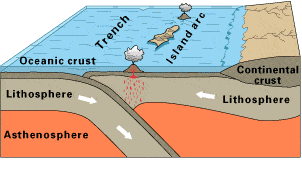
Observe this diagram of a plate boundary. One statement BEST describes what is happening. It is that
the oceanic crust is melting.
the denser ceanic crust is subducting under the less dense oceanic crust
volcanic islands are forming.
the tectonic plates are moving away from each other.
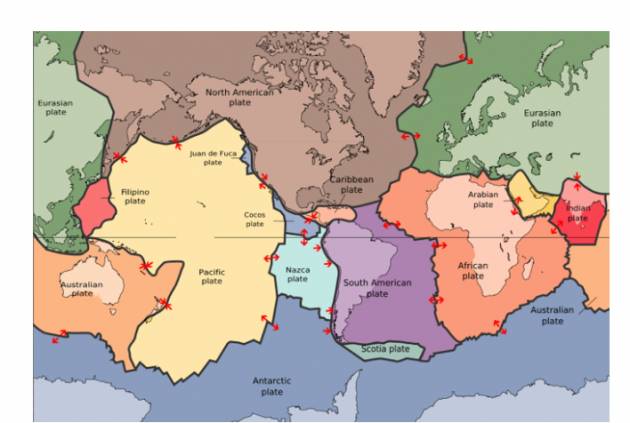
Where are earthquakes MOST LIKELY to occur?
close to the equator
close to the center of tectonic plates
at divergent or convergent plate boundaries
at transform plate boundaries
The 2004 Indian Ocean tsunami was caused by a shift in two plates that pushed one section of the sea floor under another section of the sea floor by 5 meters. What type of boundary is this?
divergent
convergent
transform
metamorphic
___________ currents in the Earth's asthenosphere cause plate to shift at their boundaries. This movement also causes earthquakes and volcanic activity.
conduction
convection
radiation
ocean
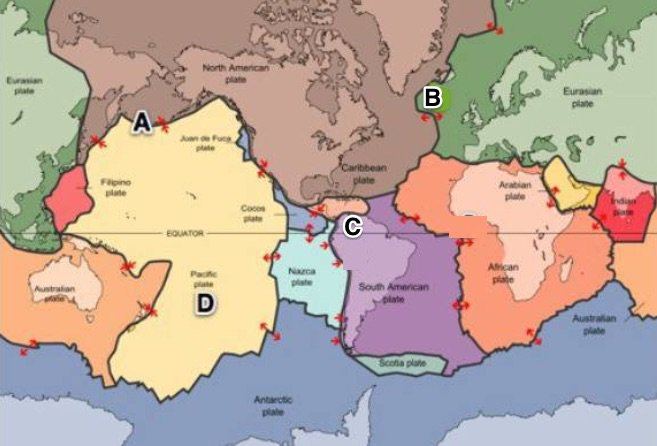
Where would sea floor spreading most likely occur?
At convergent boundaries (oceanic vs. oceanic)
At convergent boundaries (oceanic vs. continental)
At divergent plate boundaries (oceanic vs. oceanic)
At transform plate boundaries
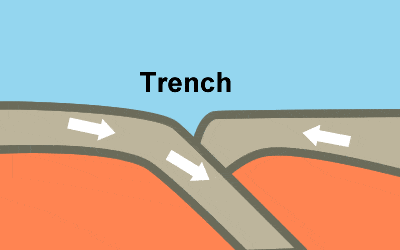
The Marianas Trench, where the Pacific Plate descends under the leading edge of the Eurasian Plate, is the deepest sea floor in the world. These ocean trenches form when two oceanic plates collide
and the older, less dense of the two plates rides over the edge of the older plate.
when convection currents in the mantle force the older plate downward.
and the younger, denser of the two plates, rides over the edge of the older plate.
and the plates are approximately the same age and density.
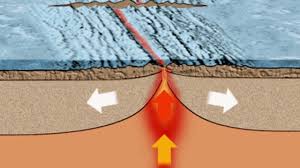
In sea-floor spreading, molten material rises from the mantle and erupts
along the edges of all the continents.
along mid-ocean ridges.
in deep-ocean trenches.
at the north and south poles.

Most geologists think that the movement of Earth’s plates is caused by _______
convection.
continental drift.
subduction.
conduction.
A place where two plates slip past each other, moving in opposite directions, is known as a _______
transform boundary
divergent boundary.
convergent boundary.
rift valley.

The place where two plates come together is known as a _______
transform boundary.
divergent boundary.
convergent boundary.
rift valley.
The San Andreas Fault in California is known as an active earthquake area. What type of
boundary is it?
Converging
Diverging
Transform
Sea Floor Spreading
igneous rock that formed when magma hardened beneath the surface of Earth
extrusive
intrusive
clastic
biogenic
constantly broken apart by freezing and thawing, plant roots, acid, and other forces on rock
weathering
erosion
compaction
cementation
the process by which running water, wind, or ice carry away bits of broken-up rock
weathering
erosion
compaction
cementation
the process by which sediment settles out of the water or wind carrying it
deposition
erosion
compaction
cementation
the process that presses sediments together
deposition
erosion
compaction
cementation
the process in which dissolved minerals crystallize and glue particles of sediment together
deposition
erosion
compaction
cementation
A rock deep within the Earth experiences extreme temperature and pressure. After a long period of time it becomes which rock?
Magma
Igneous
Metamorphic
Sedimentary

This rock formed when bits of other rocks became pressed into a solid. What type of rock is it?
Sedimentary Rock
Metamorphic Rock
Igneous Rock
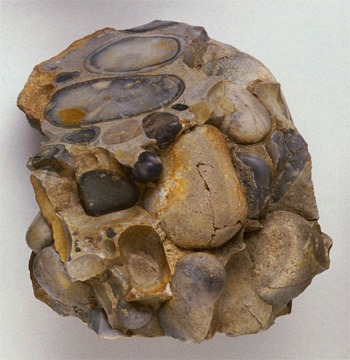
This rock was formed by smaller pieces of rock that settled at the bottom of a lake millions of years ago. What type of rock is this?
Sedimentary
Igneous
Metamorphic
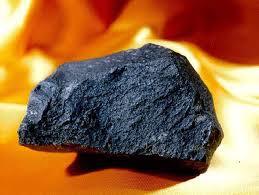
This rock was found near the mouth of a volcano. What type of rock is this?
Sedimentary
Igneous
Metamorphic

In which location would you most likely find an igneous rock?


What is underground molten rock?
Lava
Magma
Soil
Intrusive
What is aboveground molten rock?
Extrusive
Magma
Lava
Sedimentary

Limestone is an example of...
Sedimentary
Igneous
Metamorphic

Sandstone is an example of...
Metamorphic
Sedimentary
Igneous

Granite is an example of...
Igneous
Metamorphic
Sedimentary

Marble is an example of...
Igneous
Sedimentary
Metamorphic

Pumice is an example of
Igneous
Metamorphic
Sedimentary

Quartzite is an example of...
Metamorphic
Igneous
Sedimentary

Basalt is an example of...
Igneous
Sedimentary
Metamorphic

Shale is an example of...
Metamorphic
Sedimentary
Igneous

Gneiss is an example of...
Igneous
Sedimentary
Metamorphic

Obsidian is an example of...
Igneous
Sedimentary
Metamorphic

Coal is an example of...
Igneous
Sedimentary
Metamorphic

Conglomerate is an example of...
Igneous
Sedimentary
Metamorphic
When large rocks are broken down into smaller parts by physical and chemical means
Weathering
Erosion
Both
Neither
What is the parent material of all rocks?
Magma
Lava
Sedimentary
Organic matter

Which of the following lists the steps an igneous rock undergoes in order to become a sedimentary rock, in the correct order?
Deposition, erosion, melting, cooling
Erosion, weathering, eruption, cooling
Dissolving, deposition, cooling, fracture
Weathering, erosion, deposition, cementation

According to the diagram, what process is shown by letter A?
extrusion
erosion
crystallization
intrusion
According to the diagram, what process is shown by letter B?
compaction & cementation
weather & erosion
heat & pressure
melting

