wayground logo

Free Printable Worksheets

Font size

S
M
L
XL
Worksheets

bones of the axial skeleton

Total questions: 100

Worksheet time: 50mins
Name
Class
Date
1.
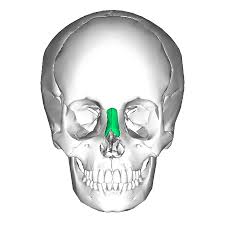
What is this?
a)
Nasal
b)
Lacrimal
c)
Ethmoid
d)
Vomer
2.
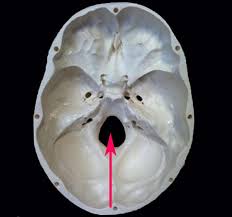
What is this?
a)
Foramen Magnum
b)
Jugular Foramen
c)
Carotid Canal
d)
External Acoustic Meatus
3.
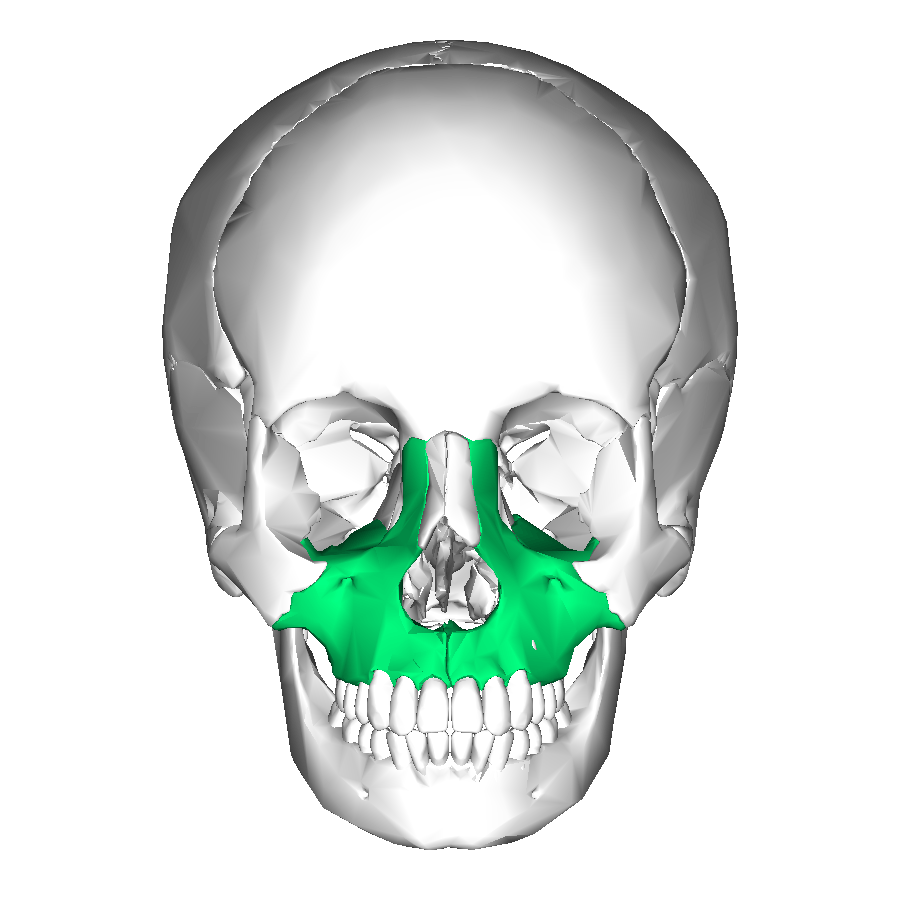
What is this?
a)
Mandible
b)
Maxillae
c)
Zygomatic
d)
Lacrimal
4.
C1, articulates with the head
a)
Axis
b)
Atlas
5.
Manubrium, Body, and Xiphoid Process are all parts of the 
a)
Sternum
b)
Vertebral column
c)
Temporal bone
d)
Pelvis
6.
Label 2
a)
Transverse foramen
b)
Vertebral foramen
c)
Transverse process
d)
Spinous process
7.

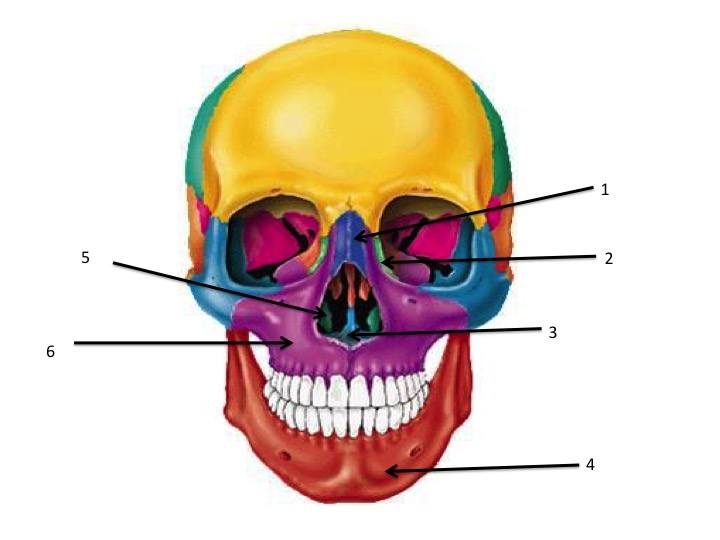
Which bone is bone 1

a)

zygomatic

b)

nasal

c)

vomer

d)

inferior nasal conche

8.

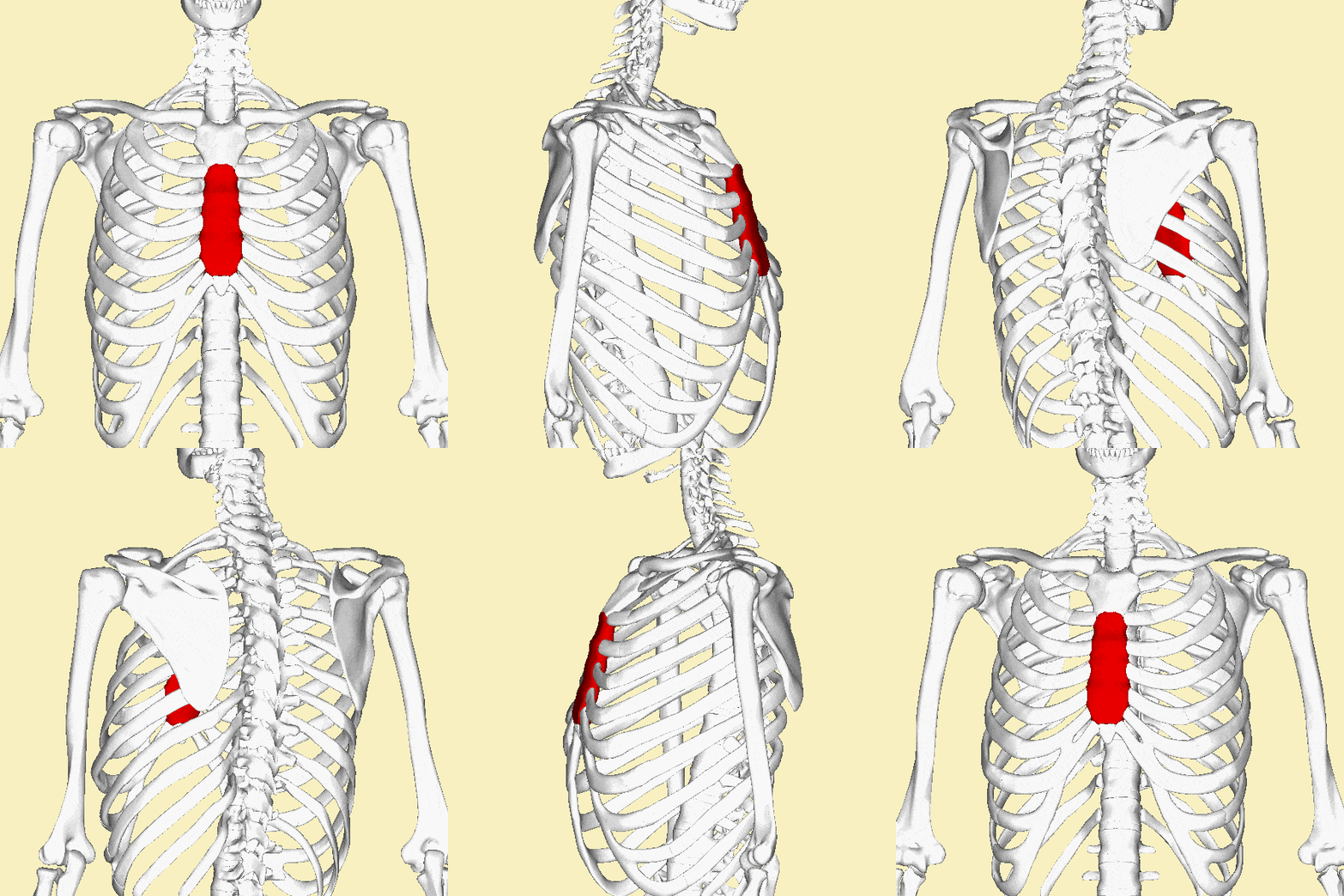
What bone is highlighted in red?

a)

cranium

b)

mandible

c)

scapula

d)

clavicle

9.
C2, acts as pivot point for C1
a)
Atlas
b)
Axis
10.
Label 3
a)
Lacrimal
b)
Ethmoid
c)
Vomer
d)
Zygomatic
11.
Label 2
a)
Transverse foramen
b)
Vertebral foramen
c)
Transverse process
d)
Spinous process
12.
Label 7
a)
Transverse foramen
b)
Vertebral foramen
c)
Transverse process
d)
Spinous process
13.
C2, acts as pivot point for C1
a)
Atlas
b)
Axis
14.
What is this?
a)
Mandible
b)
Maxillae
c)
Zygomatic
d)
Lacrimal
15.
What is this?
a)
Nasal
b)
Lacrimal
c)
Ethmoid
d)
Vomer
16.
What is this?
a)
Foramen Magnum
b)
Jugular Foramen
c)
Carotid Canal
d)
External Acoustic Meatus
17.
Ribs that attach directly to the sternum?
a)
True ribs
b)
False Ribs
c)
Floating Ribs
18.
Manubrium, Body, and Xiphoid Process are all parts of the 
a)
Sternum
b)
Vertebral column
c)
Temporal bone
d)
Pelvis
19.

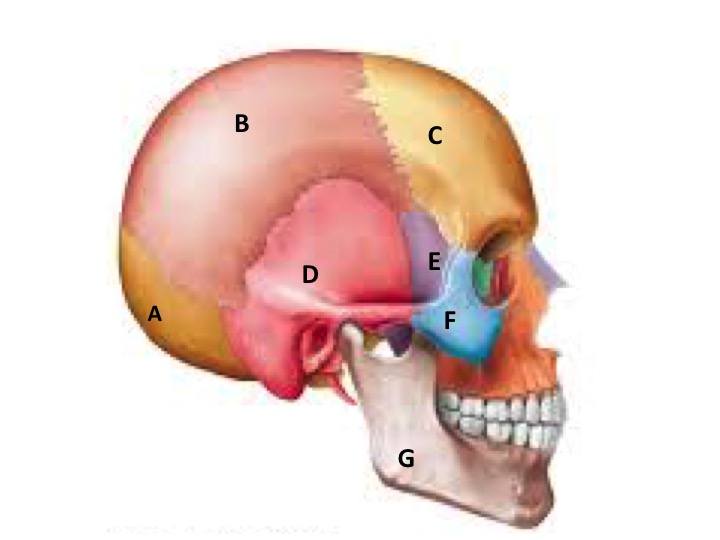
Which bone is labeled E

a)

temporal

b)

sphenoid

c)

frontal

d)

zygomatic

20.

Which bone is bone 1

a)

zygomatic

b)

nasal

c)

vomer

d)

inferior nasal conche

21.

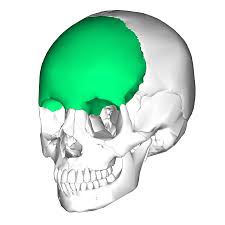
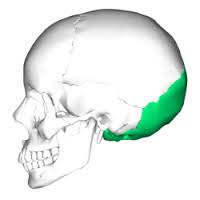
Identify bone 1 (green)

a)

Parietal

b)

Temporal

c)

Occipital

d)

Mandibular

22.

Contains 22 bones; rests on the top of vertebral column

a)

sutures

b)

cranial bones

c)

skull (cranium)

d)

frontal bone

23.

14 bones that form the face

a)

cranial bones

b)

foramina

c)

frontal bone

d)

facial bones

24.

forms cranial cavity; protects brain

a)

facial bones

b)

frontal bone

c)

cranial bones

d)

temporal bones

25.

forms the forehead and the roof of the eye sockets

a)

orbits

b)

foramina

c)

frontal bone

d)

temporal bones

26.

forms part of the bridge of nose

a)

temporal bones

b)

parietal bones

c)

occipital bone

d)

nasal bones

27.

form the sides and roof of the cranial cavity

a)

parietal bones

b)

temporal bones

c)

occipital bone

d)

nasal bones

28.

form the inferior and lateral aspects of the cranium

a)

occipital bone

b)

parietal bones

c)

temporal bones

d)

sphenoid

29.

forms the back and base of the cranium

a)

parietal bones

b)

temporal bones

c)

occipital bone

d)

ethmoid

30.

found in the middle part of the base of the skull

a)

ethmoid

b)

sphenoid

c)

occipital bone

d)

nasal bones

31.

found on the mid-line in the anterior portion of the cranial floor

a)

sphenoid

b)

occipital bone

c)

ethmoid

d)

temporal bones

32.

pair of bones that form the upper jawbone

a)

maxillae

b)

mandible

c)

zygomatic

d)

lacrimal

33.

two bones known as the "cheek" bones

a)

maxillae

b)

zygomatic

c)

lacrimal

d)

palatine

34.

smallest bones of the face; found at the medial wall of the orbits

a)

maxillae

b)

zygomatic

c)

palatine

d)

lacrimal

35.

two "L" shaped bones found on the back of the hard palate

a)

inferior nasal conchae

b)

vomer

c)

palatine

d)

lacrimal

36.

form part of the interior lateral wall of the nasal cavity

a)

vomer

b)

palatine

c)

lacrimal

d)

inferior nasal conchae

37.

triangle-shaped bone that is found on the floor of the nasal cavity

a)

maxillae

b)

lacrimal

c)

vomer

d)

palatine

38.

lower jaw bone

a)

maxillae

b)

mandible

c)

nasal septum

d)

orbits

39.

divides the nasal cavity into left and right sides

a)

nasal septum

b)

mandible

c)

orbits

d)

coronal suture

40.

holds the eyes; there are seven bones that form these depressions

a)

nasal septum

b)

foramina

c)

vomer

d)

orbits

41.

connects the frontal bone with parietal bones

a)

mandible

b)

orbits

c)

coronal suture

d)

sagittal suture

42.
Upper jaw; holds the upper teeth; forms portions of the orbital, nasal and oral cavities. 
a)
mandible 
b)
maxillae
c)
zygomatic 
d)
occipital 
43.
Large bone; makes up the roof of the orbital and nasal cavities; "forehead". 
a)
frontal 
b)
sphenoid 
c)
parietal 
d)
ethmoid 
44.
How many cervical vertebrae exist in the spine? 
a)
7
b)
12
c)
5
d)
4
45.
C1, articulates with the head
a)
Axis
b)
Atlas
46.
C2, acts as pivot point for C1
a)
Atlas
b)
Axis
47.
What is this?
a)
Frontal
b)
Mandible
c)
Occipital
d)
Parietal
48.
What is this?
a)
Mandible
b)
Maxillae
c)
Zygomatic
d)
Lacrimal
49.
What is this?
a)
Parietal
b)
Occipital
c)
Frontal
d)
Temporal
50.
What is this?
a)
Manubrium
b)
Body
c)
Xiphoid Process
d)
True Ribs
51.
Ribs that attach directly to the sternum?
a)
True ribs
b)
False Ribs
c)
Floating Ribs
52.
There are 12 of these and they articulate with ribs
a)
Thoracic vertebrae
b)
Cervical Vertebrae
c)
Lumbar Vertebrae
d)
Sacral vertebrae
53.
Manubrium, Body, and Xiphoid Process are all parts of the 
a)
Sternum
b)
Vertebral column
c)
Temporal bone
d)
Pelvis
54.
What is structure 16?
a)
sternum
b)
xiphoid process
c)
manubrium
d)
costal cartilage
55.
What is structure 18?
a)
sternum
b)
xiphoid process
c)
manubrium
d)
costal cartilage
56.
What is structure 20?
a)
true ribs
b)
false ribs
c)
floating ribs
d)
costal cartilage
57.
What is 23?
a)
coccyx
b)
sacrum
c)
cervical
d)
thoracic/lumbar
58.
What is 25?
a)
coccyx
b)
sacrum
c)
cervical
d)
thoracic/lumbar
59.
What is 26?
a)
coccyx
b)
sacrum
c)
cervical
d)
thoracic/lumbar
60.

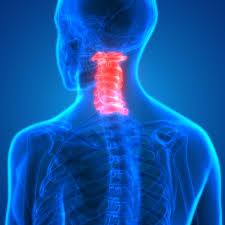
Which section of the vertebrae is highlighted

a)

thoracic

b)

cervical

c)

lumbar

d)

sacral

61.

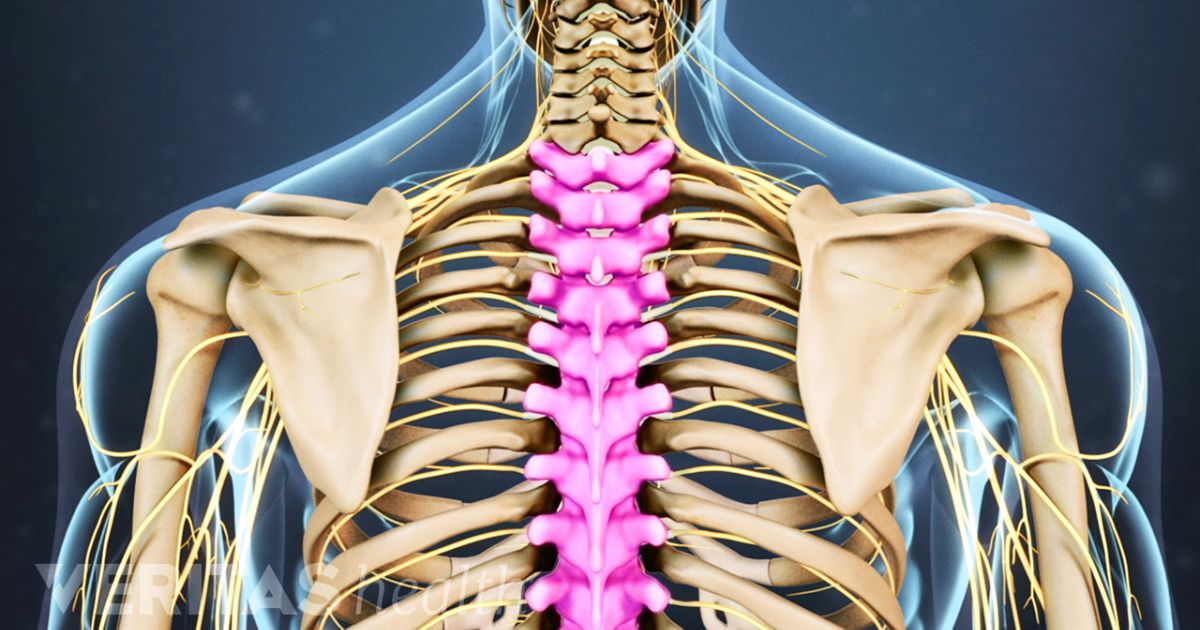
Which section of the vertebral column is highlighted

a)

cervical

b)

lumbar

c)

thoracic

d)

coccyx

62.
What is a hole in a bone called?
a)
Fossa
b)
Meatus
c)
Foramen
d)
Groove
63.
How many bones does the adult human body have?
a)
205
b)
204
c)
22
d)
206
64.

Which section of the vertebrae is highlighted

a)

thoracic

b)

cervical

c)

lumbar

d)

sacral

65.

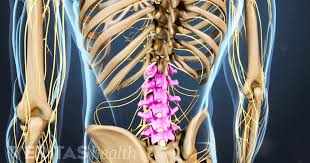
Which section of the vertebral column is highlighted

a)

cervical

b)

lumbar

c)

thoracic

d)

coccyx

66.

Which section of the vertebral column is shown?

a)

cervical

b)

lumbar

c)

thoracic

d)

sacral

67.

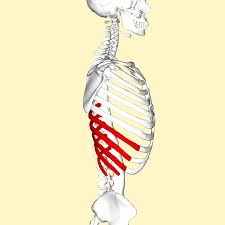
Which ribs are highlighted

a)

true ribs

b)

false ribs

c)

floating ribs

68.

What bone is highlighted in red?

a)

clavicle

b)

scapula

c)

sternum

d)

ribs

69.

14 bones that form the face

a)

cranial bones

b)

foramina

c)

frontal bone

d)

facial bones

70.

Name the facial bone.

a)

Mandible

b)

Maxillary

c)

Palatine

d)

Zygomatic

71.
Label 2
a)
Lacrimal
b)
Ethmoid
c)
Vomer
d)
Zygomatic
72.
Identify bone 8. 
a)
Mandible 
b)
Zygomatic 
c)
Occipital 
d)
Temporal 
73.
How many bones does the adult human body have?
a)
205
b)
204
c)
22
d)
206
74.
What is a hole in a bone called?
a)
Fossa
b)
Meatus
c)
Foramen
d)
Groove
75.
What is the name of this bone upon which the atlas sits upon?
a)
1st thoracic
b)
Fifth lumbar
c)
Atlas
d)
Axis
76.
The bone indicated by #5 is the 
a)
frontal bone
b)
sphenoid bone
c)
ethmoid bone
d)
temporal bone
77.
Butterfly shaped bone; houses the pituitary gland; base of the skull
a)
Parietal 
b)
Temporal 
c)
Sphenoid
d)
Occipital 
78.
Thin bone forming the inner orbital cavity 
a)
lacrimal 
b)
zygomatic 
c)
sphenoid 
d)
ethmoid 
79.
Large bone; makes up the roof of the orbital and nasal cavities; "forehead". 
a)
frontal 
b)
sphenoid 
c)
parietal 
d)
ethmoid 
80.
Light bone that makes up part of the nasal and orbital cavities and is anterior to the sphenoid bone
a)
ethmoid bone 
b)
zygomatic bone
c)
lacrimal bone 
d)
maxillae 
81.
Forms part of the oral, nasal, and orbital cavities; form portions of the hard palate; posterior to the maxilla,
a)
inferior nasal conchae 
b)
zygomatic bones 
c)
palatine bones 
d)
maxillae 
82.
located on the sides of the head; houses the internal portion of the ear
a)
temporal bone 
b)
occipital bone 
c)
zygomatic bone 
d)
frontal bone 
83.
forms sides and roof of skull; Curved bones; joined together at the sagittal suture
a)
temporal 
b)
parietal 
c)
occipital 
d)
frontal 
84.
thin, flat bones that form the back of the nasal septum 
a)
ethmoid 
b)
lacrimal 
c)
inferior nasal conchae 
d)
vomer
85.
Label 2
a)
Occipital Condyle
b)
Foramen Magnum
c)
Transverse foramen
d)
Palatine bones
86.
Label 1
a)
Lacrimal
b)
Ethmoid
c)
Vomer
d)
Zygomatic
87.
Bones of the thoracic cage that articulate directly to the sternum and vertebrae
a)
true ribs
b)
false ribs
c)
floating ribs
d)
strong ribs
88.
Bones of the thoracic cage that are not attached to the sternum; 5 lower ribs 
a)
small ribs
b)
floating ribs
c)
true ribs
d)
false ribs
89.
Bones of the thoracic cavity that are attached to vertebrae only (not attached to sternum or another rib by costal cartilage); lowest two false ribs
a)
floating ribs
b)
false ribs
c)
true ribs
d)
loose ribs
90.
The middle, flat section of the sternum. 
a)
clavicle 
b)
head 
c)
glenoid cavity 
d)
Body 
91.
Bones of the thoracic cavity that are not attached to the sternum; 5 lower ribs 
a)
small rib
b)
floating rib
c)
true rib
d)
false rib
92.
Breastbone; flat, elongated bone that protects the heart and lungs
a)
clavicle
b)
sternum 
c)
scapula
d)
rib
93.
Inferior portion of the sternum; made of cartilage; cone shaped
a)
coracoid process
b)
acromion process
c)
xiphoid process
d)
scapula
94.
Bones of the thoracic cavity that articulate directly to the sternum and vertebrae
a)
true ribs
b)
false ribs
c)
floating ribs
d)
strong ribs
95.
How many ribs are found in the typical human? 
a)
12
b)
5
c)
10
d)
8
96.
How many cervical vertebrae exist in the spine? 
a)
7
b)
12
c)
5
d)
4
97.
There are __________ lumbar vertebrae. 
a)
12
b)
5
c)
7
d)
6
98.
The third curve of the spine that is composed of 5 vertebrae in the lower back; These are the largest of the vertebrae and bears the weight of the upper body; these bones function in protection of the spinal cord and in supporting the weight of the body. 
a)
lumbar vertabrae
b)
cervical vertabrae
c)
thoracic vertabrae
d)
sacrum 
99.
the tailbone; bears body weight when sitting; formed by the fusion of 3 to 5 vertebrae during adolescence; 
a)
Axis
b)
Sacral 
c)
Atlas 
d)
Coccyx
100.
Second curve of the spine; articulates with the ribs; stronger than cervical vertebrae, but not as strong as lumbar vertebrae;  protects the spinal cord
a)
Lumbar vertebrae
b)
Cervical vertebrae
c)
Thoracic vertebrae
d)
Atlas