
Font size
 Worksheets
E&I Exam Anatomy
Total questions: 50
Worksheet time: 2hrs 40mins
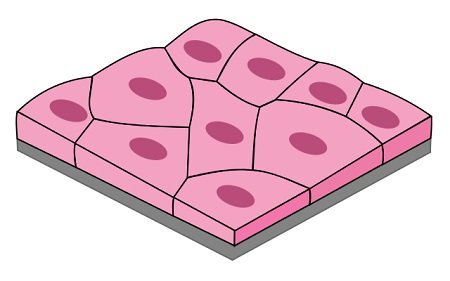
Name the type of epithelium
simple cuboidal
simple squamous
simple columnar
stratified squamous
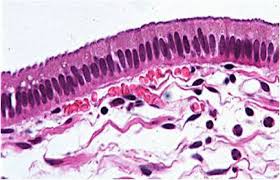
Name the type of epithelium
simple squamous
stratified squamous
simple cuboidal
simple columnar
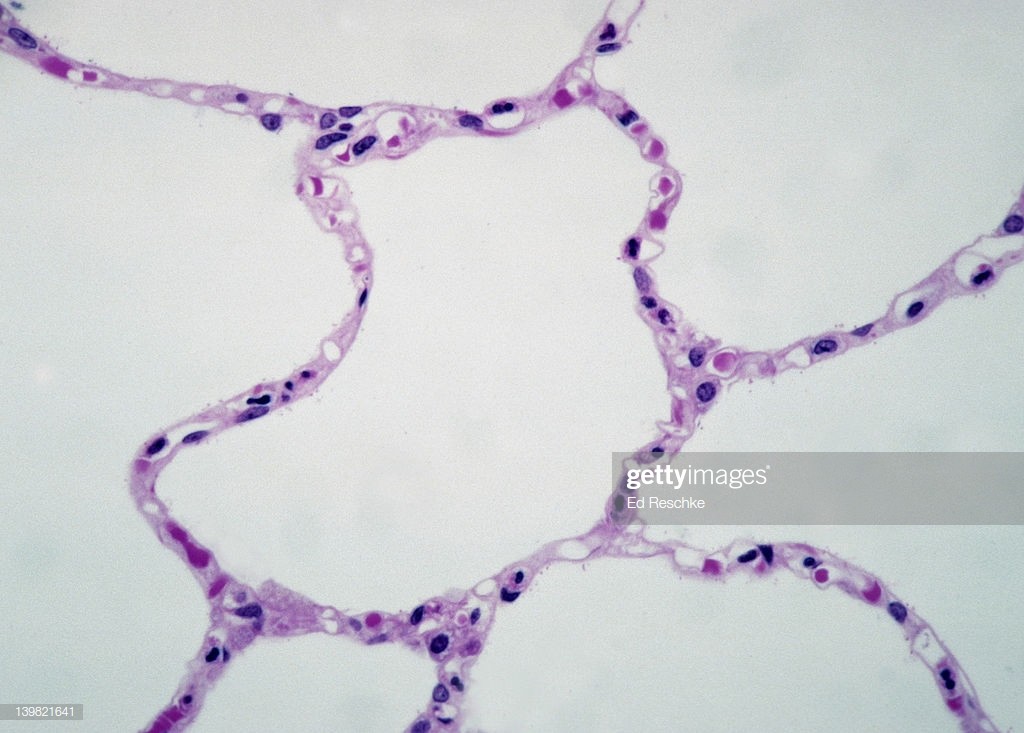
What type of epithelium lines the air sacs in this slide of lung tissue?
simple cuboidal
simple columnar
simple squamous
pseudostratified columnar

Name the type of secretion
merocrine
apocrine
holocrine
berocrine
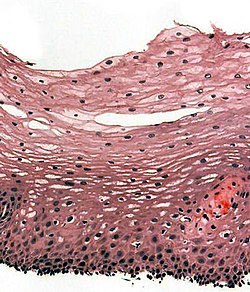
What type of epithelium is this and where might you find it?
stratified squamous ; skin
pseudostratified columnar ; trachea
simple squamous ; lung
simple cuboidal ; kidney tubules
The main function of this type of tissue is protection. This tissue is found in the skin.
Simple Cuboidal Epithelium Tissue
Stratified Squamous Epithelium Tissue
Simple Squamous Epithelium Tissue
More tall than wide
Squamous
Cuboidal
Columnar
Transitional
Flat and scalelike
Squamous
Cuboidal
Columnar
Transitional
Varying shapes than can stretch
Squamous
Cuboidal
Columnar
Transitional
Cube shaped
Squamous
Cuboidal
Columnar
Transitional
Single layer of cells of the same shape
Simple
Stratified
Many layers of cells
Simple
Stratified
Integumentary system includes:
(select all possible answers)
skin
nails
muscles
hair
theet

The pigment which protects us against sunlight is...
epidermis
dermis
fatty cells
clorophyll
melanin
Below the dermis layer is the______, a layer of connective tissue that stores fat and helps the body retain heat.
epidermis
dermis
subcutaneous layer (hypodermis)
Hair follicles usually have _____ associated with them that lubricate the skin and hair
acne
sebaceous glands
sweat glands
nerves and vessels
The inner layers of the _______ contains cells that continually are dividing by mitosis to replace cells that are lost or die
epidermis
dermis
subcutaneous layer
Skin is an organ
true
false
How many burn degrees have we studied?
1
2
3
4
5
This burn degree affects only de epidermis
1st
2nd
3rd
4th
This burn degree has blisters
1st
2nd
3rd


Which skin layer is most deep?
stratum corneum
stratum lucidum
stratum spinosum
stratum granulosum
stratum basale
Which skin layer is most superficial?
stratum corneum
stratum lucidum
stratum spinosum
stratum granulosum
stratum basale
The tough protein that gives hair, nails, and the outer layers of skin its strength is
keratin
melanin
chromatin
dermatin
What are the main layers of the skin from deep to superficial?
epidermis, dermis, hypodermis
dermis, hypodermis, epidermis
dermis, epidermis, hypodermis
hypodermis, dermis, epidermis
Which of the following lists the stratum of the epidermis from deep to superficial?
corneum, lucidum, granulosum, spinosum, basale
basale, spinosum, granulosum,lucidum, corneum
granulosum, lucidum, corneum, basale, spinosum
The functions of the skin include all of these except:
taking in nutrients
Reducing water loss
preventing the entry of microorganisms
regulating body temperature

The protective dead layer of cells of the outer epidermis is called the:
stratum spinosum
stratum granulosum
stratum corneum
stratum basale

The epidermal ridges or fingerprints are probably caused by the _____.
genes in the epidermis
dermal papillae
smooth muscle in dermis
amount of keratin in cells
thin and transparent, clear layer; found only in thick skin
stratum basale
stratum spinosum
stratum granulosum
stratum lucidum
stratum corneum
These cells synthesize skin pigment to give skin and hair its color; found in the deepest layer of the epidermis:
keratinocytes
melanocytes
Langerhans' cells
Merkel cells
Which of the following provides a natural sunscreen for skin?
melanin
carotene
hemoglobin
vitamin D
Skin cancer can be triggered by damage to the cell. Which cellular structure is damaged by UV light?
Mitochondrion
Ribosome
Thylakoid Membrane
DNA
The tough clear outside layer is the
cuticle
cortex
medulla
polymer
Scar tissue is formed during which phase of wound healing?
Inflammatory
Proliferative
Remodeling
Haemostasis

