
 Worksheets
1. Periodic Properties -1.
Total questions: 50
Worksheet time: 35mins


What is the name of group number 1?
halogens
noble gases
alkali metals
alkaline earth metals
What is the name of group number 2?
transition metals
halogens
metaloids
alkaline earth metals
What group number are the halogens found?
18 (8A)
1
2
17 (7A)
Which element has similar chemical properties as sodium but has 7 energy levels?
Francium (Fr)
Cesium (Cs)
Rubidium (Rb)
Potassium (K)
Elements that have the same number of energy levels are said to be in the same ______.
group
period
family
classification
Fluorine is more active than chlorine because ...........
fluorine has valency 1 but chlorine has 2
atomic number of fluorine is less than chlorine
atomic size of fluorine is less than chlorine
atomic size of fluorine is more than chlorine

which element is this ?
Neon
Potassium
Calcium
Argon
Periodic law states that the elements are arranged according to their atomic ________ so that elements with similar chemical properties are in the same ________ and properties repeat periodically.
numbers, rows
masses, rows
masses, column
numbers, column
Metals (select all that apply)
are found on the right side of the periodic table.
are found on the left side of the periodic table.
are good conductors of heat and electricity.
are brittle.
are malleable and ductile.
Nonmetals (select all that apply)
are found on the right side of the periodic table.
are found on the left side of the periodic table.
are good conductors of heat and electricity.
are brittle.
can be solid, liquids, or gases at room temperature.
Nonmetals (select all that apply)
are found on the right side of the periodic table.
are found on the left side of the periodic table.
are good conductors of heat and electricity.
are brittle.
can be solid, liquids, or gases at room temperature.

Which element is found in group 2, period 6?
Oxygen (O)
Barium (Ba)
Selenium (Se)
Carbon (C)
Which halogen is found in period 4?
Krypton (Kr)
Xenon (Xe)
Bromine (Br)
Iodine (I)
Elements that have the same number of energy levels are said to be in the same ______.
group
period
family
classification
The number of periods and groups in the
periodic table are______.
6,16
7,17
8,18
7,18
What happens to the electropositive character of elements on moving from left to right in a periodic table?
Increases
Decreases
First increases than decreases
First decreases than increases
The electronic configuration of an element M is 2, 8, 4. In modern periodic table, the element M is placed in
4 group
2 group
14 group
18 group
Which of the following is the correct order of the atomic radii of the elements oxygen, fluorine and nitrogen?
O < F < N
N < F < O
O < N < F
F < O < N
An element M is in group 13th of the periodic table, the formula for its oxide is
MO
M2O3
M3O2
None
Atoms of elements in group 1 have ____________.
one electron in their outermost energy level
two electrons in their outermost energy level
seven electrons in their outermost energy level
eight electrons in their outermost energy level

Table shows the arrangement of electrons of elements in Period 3 of the Periodic Table. Which one of the following shows the correct descending order of their atomic radii?
M,L,N,P,K
L,M,N,K,P
P,K,N,M,L
K,L,M,N,P

2
3
5
7

The period number tells us...
How many electron shells an element has
How many electrons are in the most outer shell
The mass number
The valency
Which model represents the most reactive atom?
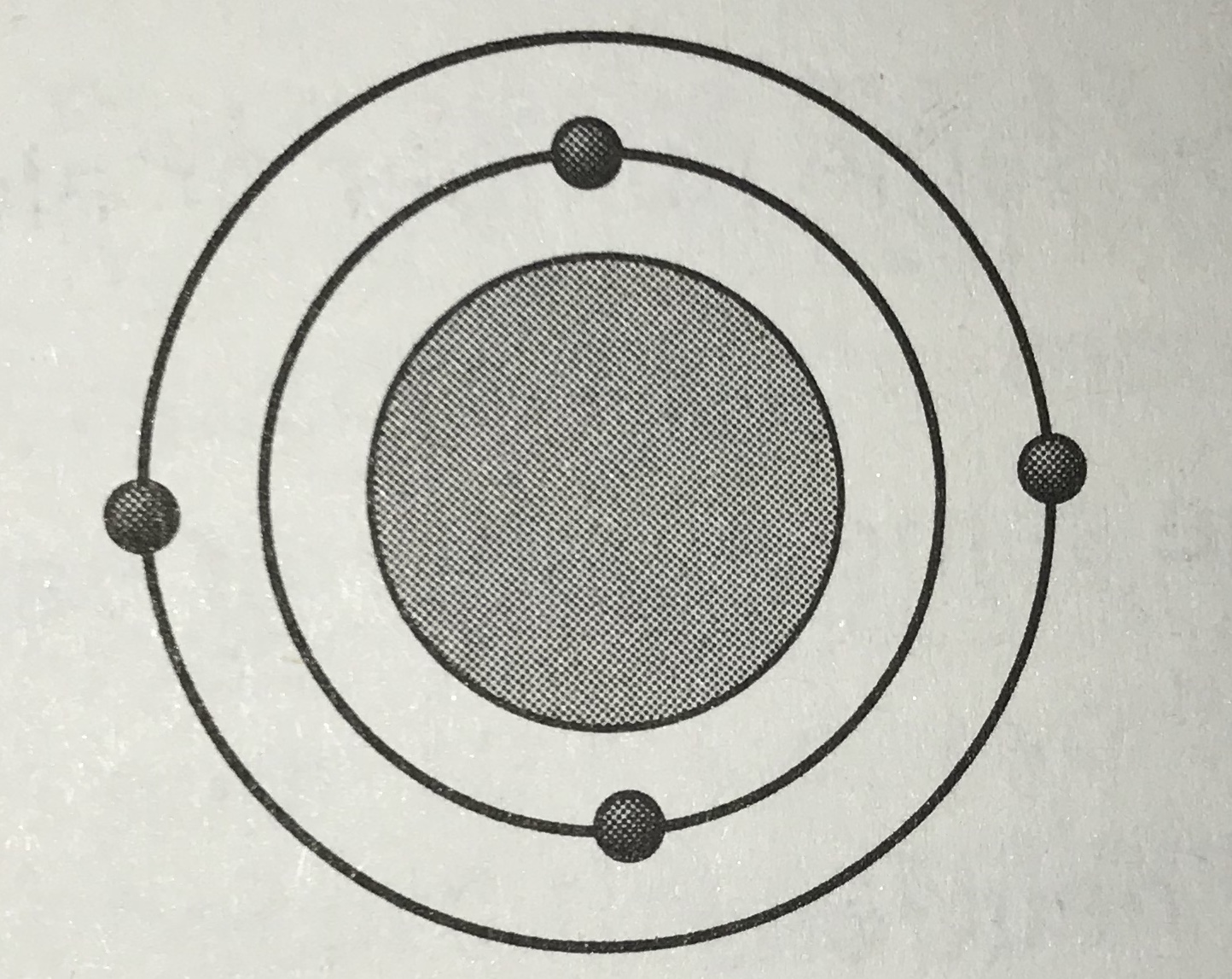
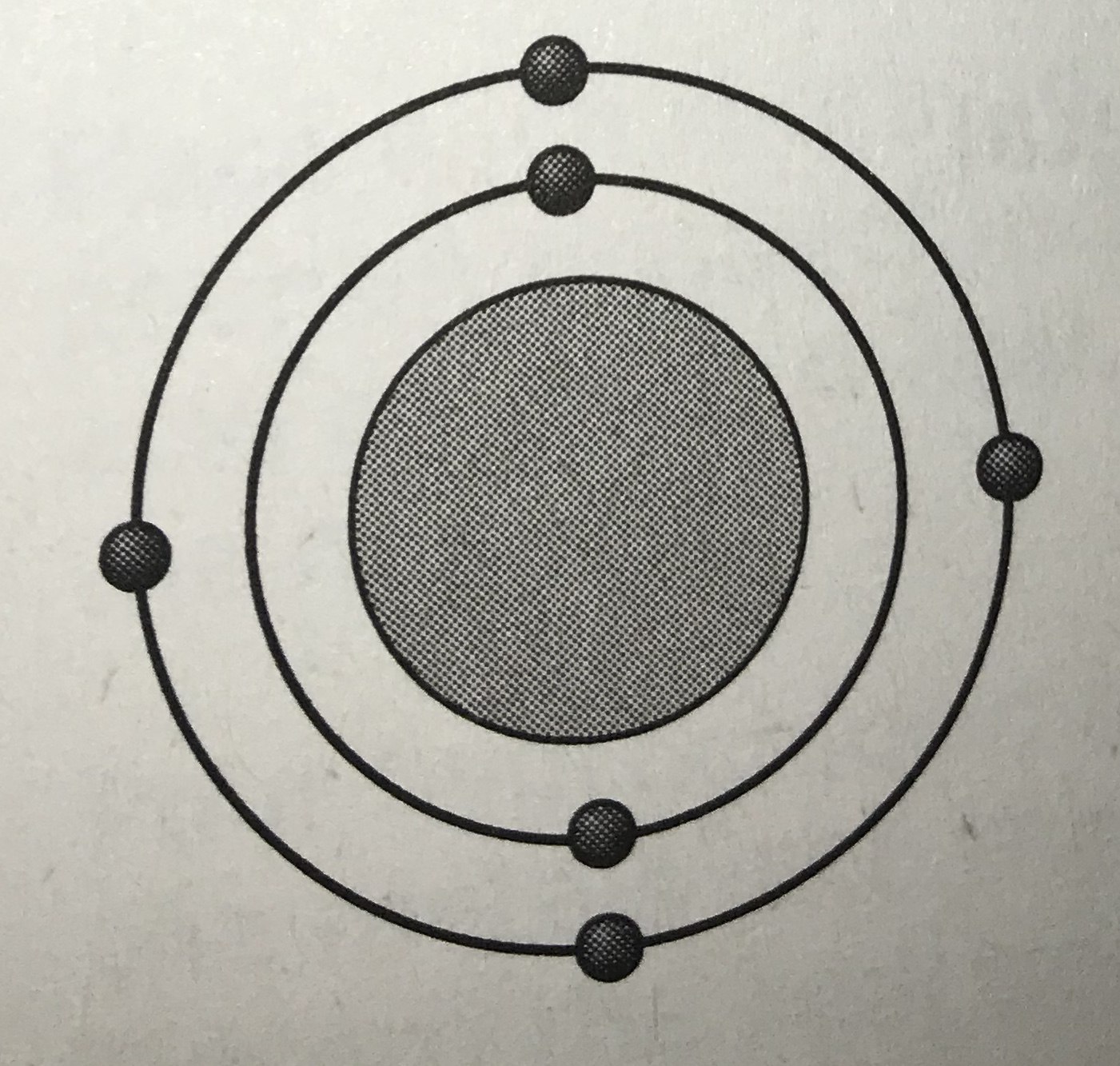
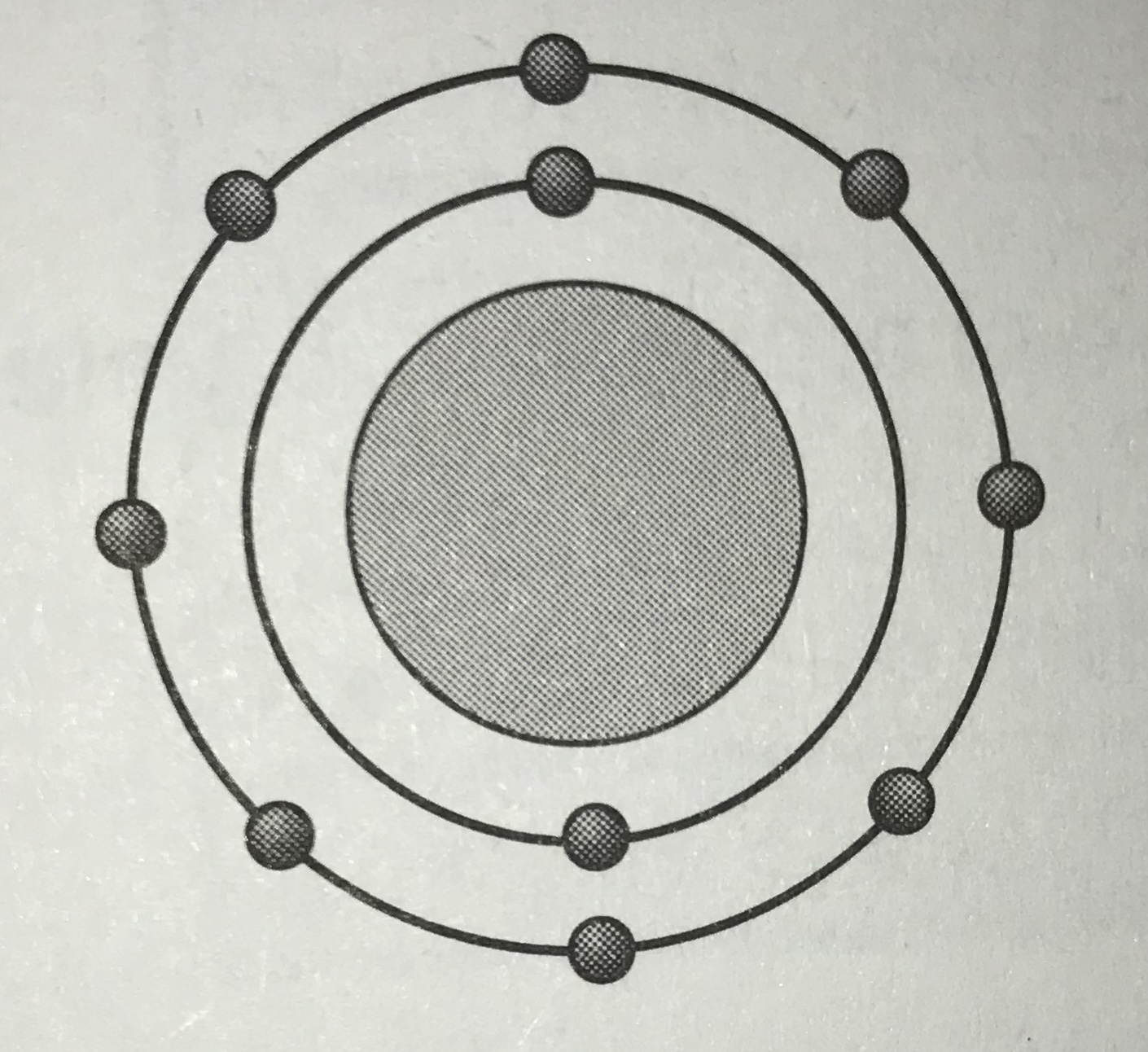
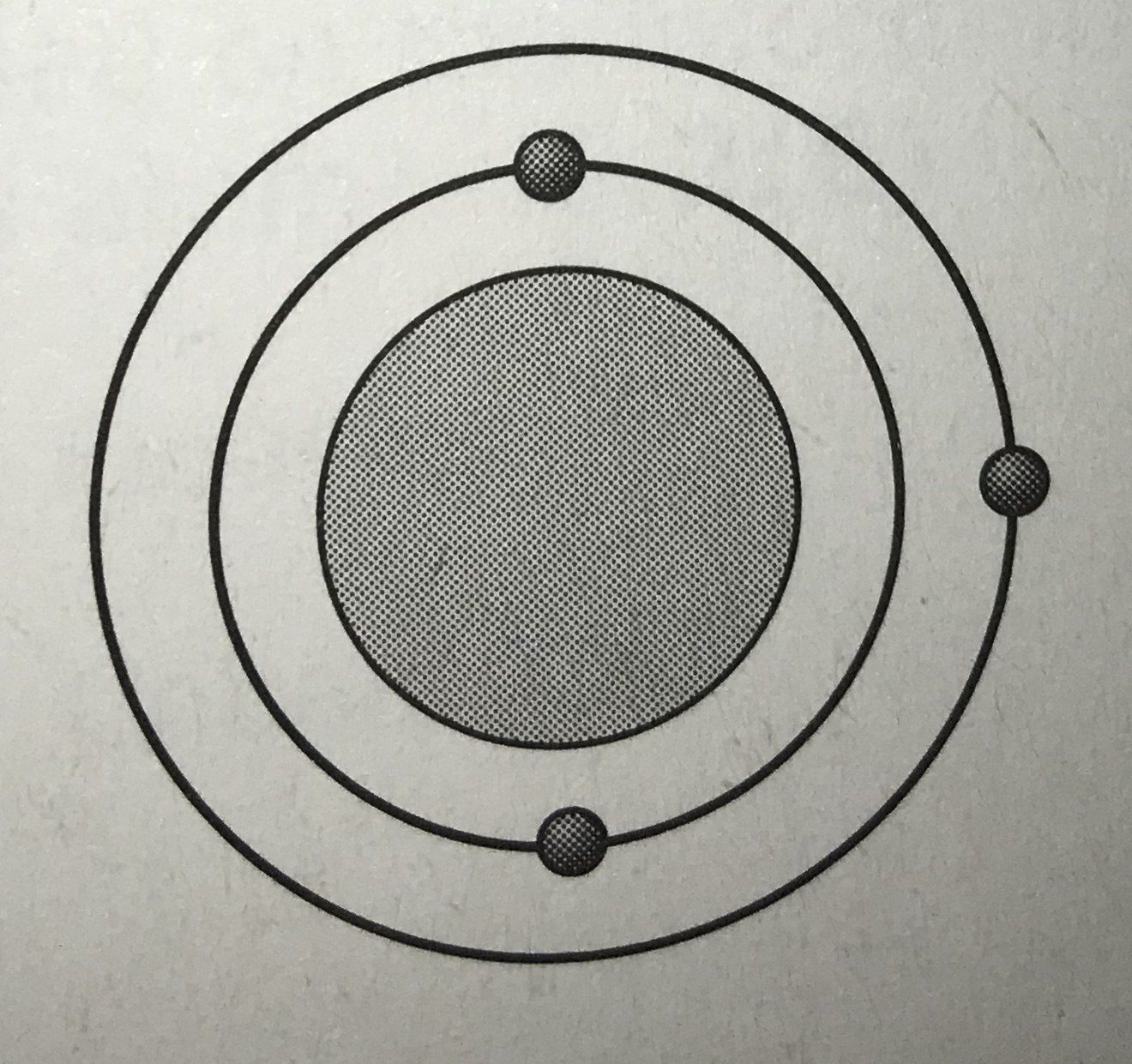
According to the periodic Law of elements, the variation in properties of elements is related to their
nuclear masses.
atomic number.
nuclear neutron-proton number ratios.
atomic masses.
The chemical properties of calcium
(20 Ca) are similar to those of .......................
19K
12Mg
25Mn
3Li
Which has the greater ionization energy:
N or C?
C
N
Which has the greater ionization energy:
H or F?
H
F
Which element in Period 2 has the greatest atomic radius?
Be
C
Na
Li
Of the halogens, which has the smallest radius?
F
Br
He
At

Which color on the image of the periodic table corresponds with the halogens.
red
black
blue
orange
USE THE PERIODIC TABLE
How many valence electrons does Phosphorus have?
31
5
15
4
What charge will a sulfur ion have?
3+
2+
2-
3-
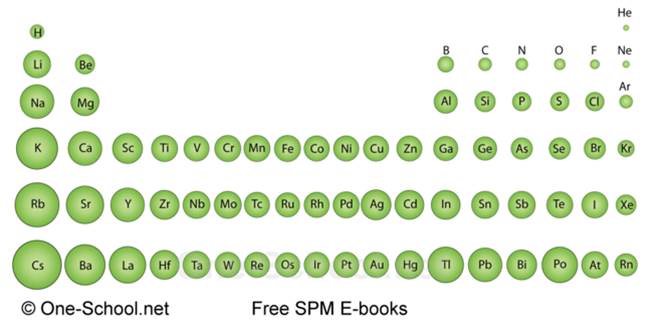
As you move across a row (period) on the periodic table, the atomic radius ______________________
Increases
Decreases
Stays the same
Explodes
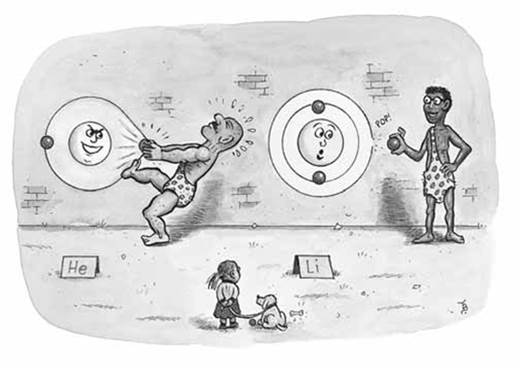
Ionization energy is the energy needed to _________ an electron.
Fission
Explode
Remove
Add
Which statement is true concerning the periodic table?
rows go up and down and groups go across the table
groups go up and down and rows go across the table
rows go up and down and groups go up and down the table
rows go across the table and groups go across the table
Group VII A of the periodic table contains the
most reactive metals.
most reactive nonmetals.
least reactive nonmetals.
least reactive metals.
As you move from left to right across a period, the number of valence electrons
increase
stays the same
increases then decreases
decreases
Alkali Metals are in group # __.
2
15
1
19
This group is made of the MOST reactive metals.
Transition metals
Metalloids
Alkali Metals
Alkaline Earth Metals

