
 Worksheets
Earth's Spheres & Water Cycle
Total questions: 35
Worksheet time: 3hrs 55mins
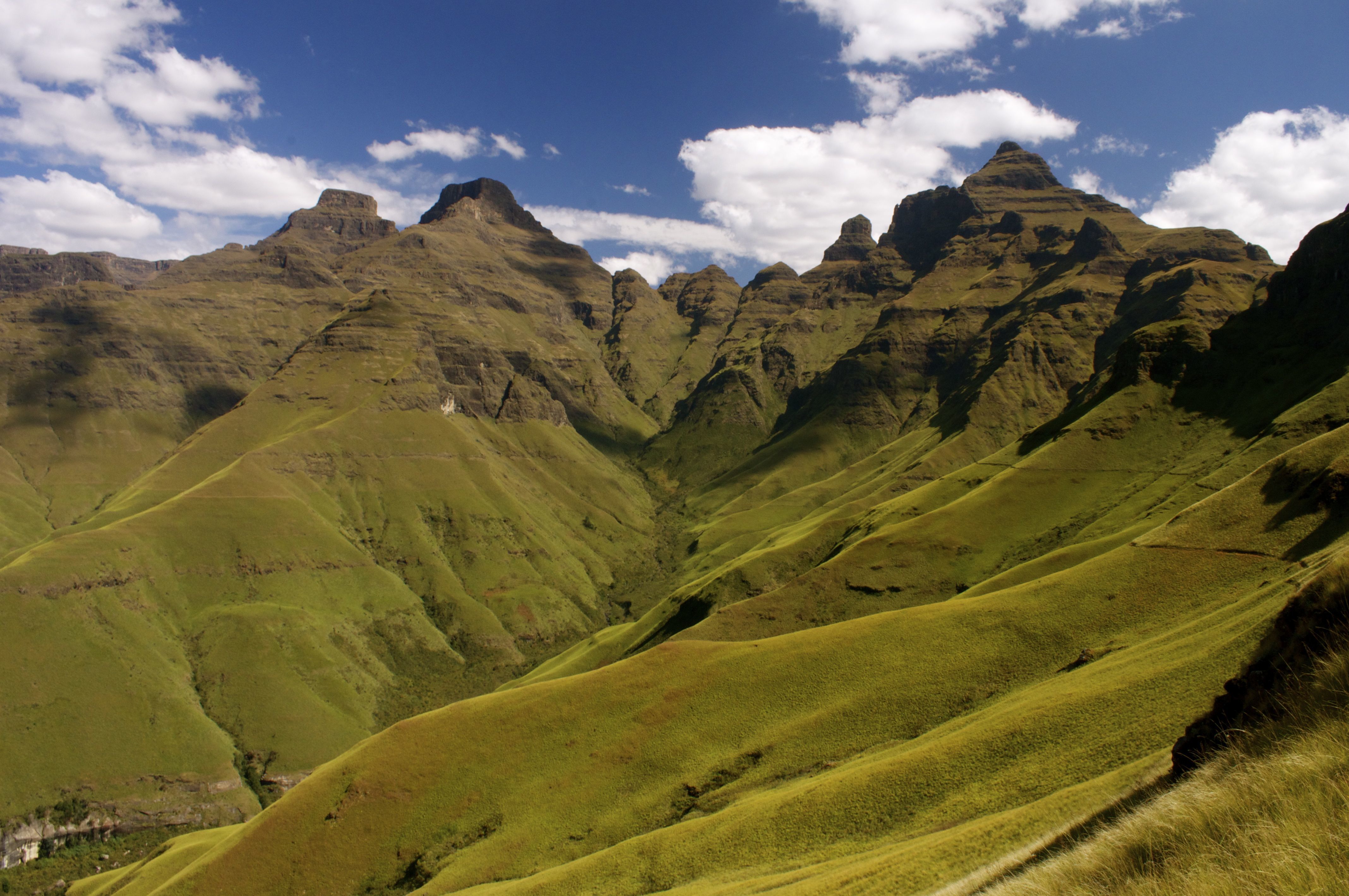


When a wildfire occurs, what spheres are interacting?
biosphere only
atmosphere and biosphere
biosphere and hydrosphere

Name the sphere that includes all solid, liquid, and gaseous water on Earth.
geosphere
hydropshere
atmosphere
biosphere

True or False?
The four spheres of Earth work independently of one another.
True
False

How much of Earth's fresh water is found on the surface (such as lakes, rivers, streams, swamps, etc.)?
Less than 1%
30%
69%

The water cycle includes interactions among which spheres?
geosphere and hydrosphere
hydrosphere and atmoshpere
biosphere, atmosphere, hydrosphere
all the spheres
What process occurs when tiny water droplets cling together in the atmosphere?
clouds
evaporation
condensation
accumulation

What is the role of the sun in the water cycle?
provide heat energy for evaporation
provide heat energy for condensation
dry out the soil for runoff to occur
provide thermal energy for accumulation
Which of the following is an example of precipitation?
sleet
hail
snow
all of the above
What do we call water in its gas state?
rain
snow
ice
water vapor
If groundwater reaches earth's surface, how does it reenter the water cycle?
by transpiration
by evaporation
by accumulation
it can't

Identify the PERCENT OF FRESH WATER that is underground.
1%
50%
30%
What is weathering?
The breaking down of rocks into smaller pieces
The movement of rock to a new place by water, wind, or ice
What causes rocks to form
Something that changes the water cycle
What is erosion?
The breaking down of rocks into smaller pieces
The movement of rock to a new place by water, wind, or ice
What causes rocks to form
Something that changes the water cycle

Which part of the water cycle can be described as water falling down from a cloud?
Condensation
Precipitation
Isolation
Evaporation

Which part of the water cycle can be described as water running off a mountain?
Precipitation
Run-off
Accumulation/Collection
Transpiration

Atmosphere means...
earth
water
air
life
During evaporation, water changes from a _________ to a __________.
solid, liquid
gas, liquid
liquid, gas
liquid, solid
The water cycle starts at....
evaporation
condensation
precipitation
it has not beginning or ending

What process is show by letter A in the diagram?
condensation
evaporation
accumulation
precipitation

What is shown by letter D in the diagram?
runoff
groundwater
melting
vapor

What process is shown by letter B in the diagram?
condensation
transpiration
evaporation
precipitation

What would most likely happen if letter B stopped.
the water cycle would end
there would be more clouds
water would freeze
animals in the ocean would die

