Wayground logo

Free Printable Worksheets

Font size

S
M
L
XL
Worksheets

physical and chemical changes

Total questions: 101

Worksheet time: 51mins

Name
Class
Date
1.

What type of change can be easily reversed?

a)

chemical change

b)

physical change

c)

both chemical and physical changes

d)

neither physical or chemical changes

2.

Which of the following is an example of a physical change?

a)

a bike rusting

b)

toast burning

c)

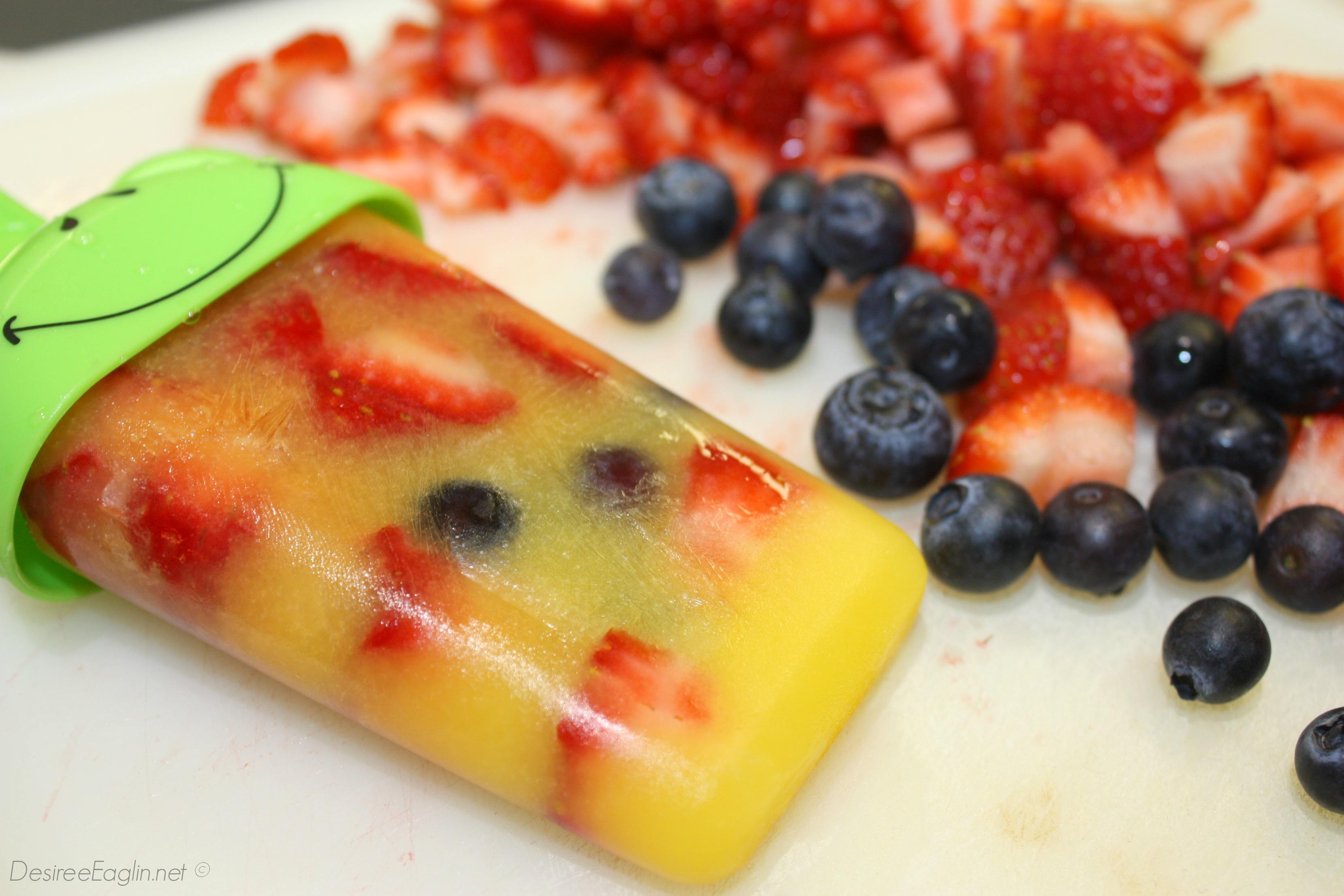
butter melting

d)

food spoiling

3.

Which of the following examples is a physical change but NOT a change of state of matter?

a)

logs burning

b)

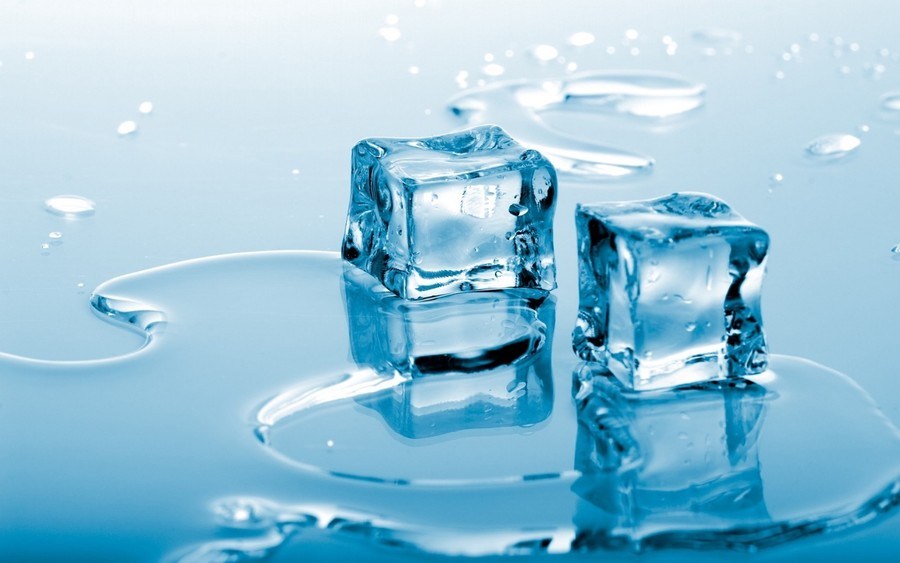
water freezing into ice cubes

c)

candle wax melting

d)

paper being cut

4.

Which of the following is an example of a chemical change?

a)

a penny tarnishing

b)

a mirror being scratched

c)

hair being cut

d)

water being boiled

5.

What is the best way to separate a mixture of sugar, sand, and water?

a)

Freeze the mixture, causing the water to be destroyed, then sift the sugar from the sand.

b)

Filter the sand from the sugar and water, then heat the mixture, causing the water to evaporate.

c)

Filter the mixture, causing the sugar and sand to get caught but not the water.

d)

Stir the mixture, causing the water to move above the sugar and sand.

6.

A student is investigating changes with common classroom materials. Which of the following BEST describes the conclusion the student can make about the investigations?

a)

The paperclip shows evidence of a physical change by changing the shape of the object, whereas the pencil eraser and hole puncher show evidence of a physical change by changing the size of the object.

b)

All three investigations show evidence of a physical change due to a change in the color of the original substance.

c)

The paperclip and hole puncher shows evidence of a physical change by changing the chemical properties of the original object, whereas the pencil eraser shows evidence of a physical change by changing the size of the object.

d)

All three investigations show evidence of a physical change due to a change in state of matter.

7.

A 5th grade student places baking soda in a cup. The student then adds vinegar to the cup. The student collects the data below from the experiment. Based upon the results of the experiment, which statement BEST describes whether the change is a physical or chemical change.

a)

The data concludes that a physical change has occurred because it had an increased change in temperature, which resulted in the liquid to start bubbling.

b)

The data concludes that a physical change has occurred because the color of the liquid changed when you mixed two materials.

c)

The data concludes that a chemical change has occurred because there was formation of bubbles when the materials reacted to each other.

d)

The data concludes that a chemical change has occurred because mixing two substances together will always result in a reaction.

8.

Which of the following is a correct statement about the investigations?

a)

All of the situations are examples of physical changes because all of the investigations exhibit changes to the physical properties.

b)

None of the situations are examples of physical changes because they all involve a color change.

c)

Situation 2 is a physical change because rust forming is a natural process.

d)

Situations 1 and 3 are physical changes because no new substances are formed.

9.

Three students at Mountain Park Elementary were given an assignment by their science teacher to plan and carry out experiments where chemical changes would occur. The chart shows each student’s plan and the results he or she recorded. Which statement is true about the experiments?

a)

Student A was the only one to create an experiment where a color change occurred. This shows evidence of a chemical change.

b)

Student A, Student B, and Student C all created experiments where chemical changes occurred. Student A observed a color change, Student B saw bubbles, and Student C was able to dissolve salt.

c)

Student B and Student C created experiments were chemical changes occurred. Student A just dyed her water. Student B and Student C both changed their substances to prove that they had chemical changes. Student B created a gas while Student C got rid of the salt.

d)

Student B was the only one to create an experiment with evidence of a chemical change. She created a new substance, a gas.

10.

A teacher takes a tray of ice cubes out of the freezer. Each student takes an ice cube and holds it in their hands. They make the observations listed in the chart. The student claims that changing the temperature of the water causes a physical change that turns water into ice.

Which argument BEST supports the student’s claim?

a)

The ice cube is melting in the student’s hand since the hands are much warmer than the ice. Heat is being added to the ice, which causes the particles to move faster.

b)

The ice cube is freezing in the student’s hand since the hands are much warmer than the ice. Heat is being removed from the ice, which causes the particles to move slower.

c)

The ice cube is melting in the student’s hand since state is changing from a solid to a liquid. Heat is being removed from the ice, which causes the particles to move faster.

d)

The ice cube is melting in the student’s hand since state is changing from a liquid to a solid. Heat is being added to the ice, which causes the particles to move slower.

11.
Which of the following is NOT a clue that a chemical reaction has taken place?
a)
Changing size
b)
Changing color
c)
A gas being formed
d)
Formation of a precipitate
12.
Which of the following IS a clue that a chemical change has occurred? 
a)
State of matter change
b)
Size Change
c)
Change in temperature
d)
Shape change
13.
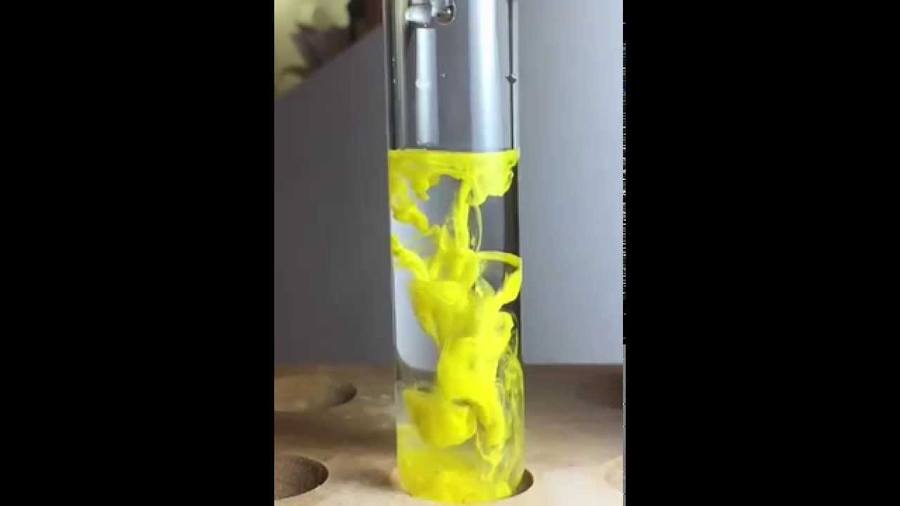
Is Gatorade powder dissolving in water physical or chemical change?
a)
Physical 
b)
Chemical
14.
What kind of properties can only be observed when a substance changes into a different substance?
a)
physical properties
b)
chemical properties
c)
liquid properties
d)
real properties
15.
TRUE OR FALSE: You can look at matter and observe the chemical properties.
a)
TRUE
b)
FALSE
16.
Define a physical property.
a)
Observations made or measured using your senses, without changing the identity of the substance
b)
Can only be measured using specific science equipment
c)
Only observed in situations where the identity of the object is changing
d)
Only measurable if the identity of the object changes  
17.
Chewing food to break it down into smaller particles represents a _________ change, but the changing of starch into sugars by enzymes in the digestive system represents a ___________change. 
a)
Chemical then Physical 
b)
Physical then Chemical
c)
Both Physical
d)
Both Chemical
18.
Hydrochloric acid reacts with potassium hydroxide to produce a salt, water,and heat.
a)
Chemical Change
b)
Physical Change
19.
Is forming Playdoh into the shape of a snowman a physical or a chemical change?
a)
Physical Change
b)
Chemical Change
20.
Properties that describe how a substance reacts with other substances are called?
a)
Chemical properties
b)
Physical properties
21.

A physical change is

a)

a change where the characteristics do not change the substance

b)

a change where the characteristics do change the substance

c)

a change where the chemistry changes

22.

Which of the following examples represents a physical change?

a)
b)
c)
d)
23.

When sugar dissolves in water a ______________ change occurs.

a)

Physical change

b)

Chemical Change

24.

Which of the following is evidence of a physical change?

a)

New substance

b)

Shape Change

c)

Light produced

d)

Gas released.

25.

Properties that describe how a substance looks, feels, or its state of matter, etc. are __________________.

a)

Chemical properties

b)

Physical properties

26.

Why does the image best represent an example of a physical change?

a)

The pencil can no longer be used.

b)

The pencil is a different size.

c)

The materials making up the pencil did not change.

d)

The materials making up the pencil are different.

27.

What is the definition of chemical change?

a)

any change that results in the formation of one (or more) new chemical substance(s).

b)

changing of only the appearance of the object

c)

matter cannot be created or destroyed, only change form

d)

changes affecting the form of a chemical substance, but not its chemical composition.

28.

Choose every image that represents a chemical change.

a)
b)
c)
d)
29.

Think this through: Can the same substance undergo both a physical and a chemical change at the same time.

a)

Yes

b)

No

30.

A teacher is demonstrating physical and chemical changes to her class. Which action should they use to demonstrate a chemical change?

a)

Cutting a piece of paper with scissors.

b)

Folding a piece of paper into an airplane.

c)

Ripping a piece of paper with their hands.

d)

Burning a piece of paper with a match.

31.
Photosynthesis is an example of a
a)
physical change
b)
chemical change
32.
Dissolving sugar in water is an example of a 
a)
physical change
b)
chemical change
33.
Digesting your food is an example of 
a)
chemical change
b)
physical change
34.
Which is an example of a chemical reaction?
a)
paper cut into small pieces
b)
chocolate melting in a pan
c)
flour and sugar mixed in a bowl
d)
cookies baking in an oven
35.
Which of the following is NOT an example of a physical change?
a)
crumpled paper
b)
pencil sharpening
c)
shrunken clothing
d)
rust
36.
Freezing Juice?
a)
Physical Change
b)
Chemical Change
37.
A change where one or more new substances are created.
a)
Physical Change 
b)
Chemical Change 
38.
Fizzing, foaming, and burning are all examples of
a)
Chemical change
b)
Physical change
39.
Which of the following is a sign that a chemical reaction has occurred?
a)
change in shape
b)
melting
c)
formation of a gas
d)
dissolving
40.

Is melting butter for popcorn a chemical or physical change?

a)

chemical

b)

physical

41.

Change in color is a physical change.

a)

True

b)

False

42.

Rust on an iron bar is an example of chemical change.

a)

True

b)

False

43.

When you break a cracker into pieces it is a...

a)

Chemical change

b)

Physical change

44.

The melting of wax is an example of a

a)

chemical change

b)

physical change

45.

Cutting a log in to small pieces is a chemical change.

a)

true

b)

false

46.
Water freezing into ice is an example of a...
a)
Physical Change
b)
Chemical Change
47.
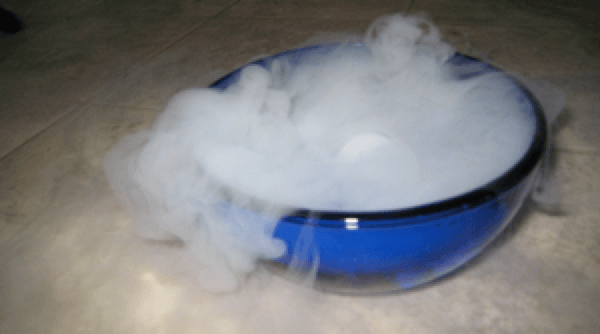
Which of the following is an example of sublimation?
a)
Dry Ice
b)
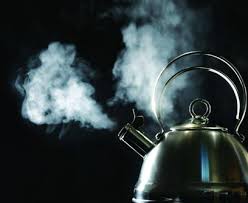
Water boiling into steam
c)
Ice cream melting
d)
Water freezing into ice
48.
Any change in the state of matter of a substance is a...
a)
Physical Change
b)
Chemical Change
49.
A change in matter that forms one or more new substances with new chemical properties is a/an...
a)
Physical Change
b)
Chemical Change
50.
Which of the following indicates a chemical change?
a)
Change in state of matter
b)
Temperature change
c)
Change in size 
d)
Change in shape
51.
A solid substance that forms when 2 liquid solutions are combined?
a)
Sublimation
b)
Precipitate
c)
Condensation
d)
Freezing
52.
Which of the following DOES NOT indicate a chemical change/reaction is occurring?
a)
Color Change
b)
Formation of a Precipitate
c)
Formation of gas/bubbles
d)
State of matter change
53.
We use chemical equations to show what happens in a....
a)
Chemical Change
b)
Physical Change
54.
Which of the following indicates a PHYSICAL change?
a)
Change in temperature
b)
Change in shape
c)
Formation of a precipitate
d)
Change in color
55.
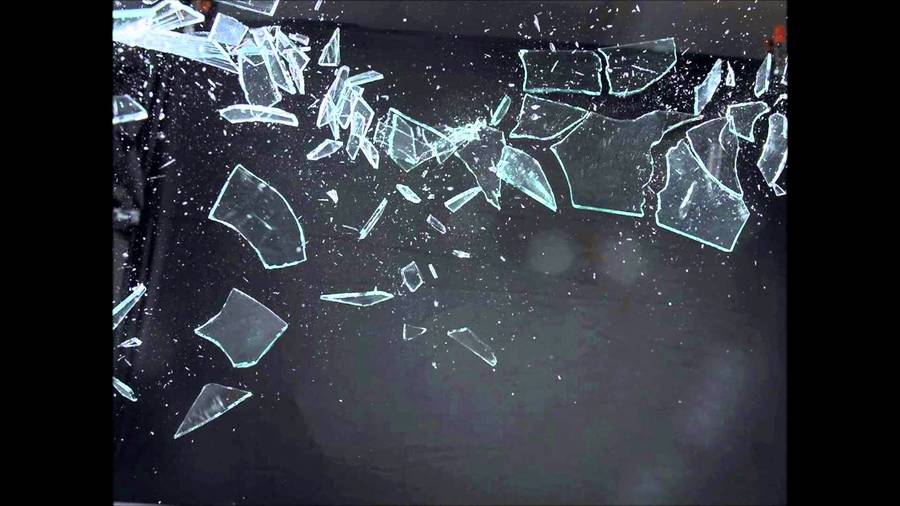
Chemical or Physical?  Glass breaking into tiny shards
a)
Chemical Change
b)
Physical Change
56.
Which Law states that Matter cannot be created or destroyed during a Chemical Change/Reaction?
a)
Conservation of Energy
b)
Conservation of Matter (Mass)
c)
Conservation of Momentum
d)
Conservation of Thermodynamics
57.
Physical or Chemical Change?  Iron rusts
a)
Physical Change
b)
Chemical Change
58.
Physical or Chemical Change? 
a)
Physical Change
b)
Chemical Change
59.
Physical or Chemical Change?
a)
Physical Change
b)
Chemical Change
60.
Physical or Chemical Change?  Cutting an orange into wedges.
a)
Physical Change
b)
Chemical Change
61.
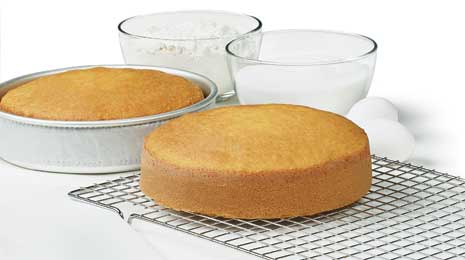
Physical or Chemical Change?  Baking a cake.
a)
Chemical Change
b)
Physical Change
62.
Physical or Chemical Change?  Logs burning in a campfire.
a)
Physical Change
b)
Chemical Change
63.
Physical or Chemical Change?  Sodium metal burning in water.
a)
Physical Change
b)
Chemical Change
64.
Physical or Chemical Change?  Making a paper airplane.
a)
Physical Change
b)
Chemical Change
65.
A change that alters the physical properties of a substance without changing its composition.
a)
Physical Change
b)
Chemical Change
66.
Is glass breaking a chemical or phyiscal change?
a)
chemical
b)
physical
67.
Is a a rusting bicycle a chemical or physical change?
a)
chemcial
b)
physical
68.
Is melting ice a chemical or physical change?
a)
chemical
b)
physical
69.
Is spoiling food a physical or chemical change?
a)
phyiscal
b)
chemical
70.
Is frying an egg a physical or chemical change?
a)
chemical
b)
physical
71.
Which is a chemical change?
a)
freezing fruit juice
b)
slicing a potato
c)
boiling water
d)
copper metal turning green
72.
Salt dissolves in water
a)
physical Change
b)
chemical change
73.
Is burning wood a chemical or physical change?
a)
chemical
b)
physical
74.
what is the definition of physical change?
a)
any change that results in the formation of new chemical substances. 
b)
rusting
c)
changes affecting the form of a chemical substance, but not its chemical composition.
d)
any property that is measurable, whose value describes a state of a physical system
75.

What is physical change?

a)

How two chemicals react with one another when combined

b)

A property that we can measure or observe with our 5 senses or other tools

c)

When two chemicals react with one another to form a new substance

d)

When a change occurs but it does not result in the formation of a new substance

76.

What is chemical change?

a)

How two chemicals react with one another when combined

b)

A property that we can measure or observe with our 5 senses or other tools

c)

When two chemicals react with one another to form a new substance

d)

When a change occurs but it does not result in the formation of a new substance

77.

When you increase the energy by heating a liquid what happens to the motion of the molecules

a)

They slow down

b)

They speed up

c)

Heat doesnt change the motion of the molecules

78.

Which of the following is an indication of chemical change

a)

Melting

b)

Freezing

c)

Burning

d)

Evaporating

79.

What do we call the molecules that are present at the end of a chemical reaction?

a)

Reactants

b)

Products

c)

Ingredients

d)

Atoms

80.

Thermal energy (heat) is released or absorbed during the reaction explains the _________________

a)

Change in color

b)

Change in temperature

c)

Change in gas

81.
Flammability is an example of what property?
a)
Chemical property
b)
Physical property
82.
What type of property is the ability to combust?
a)
Physical property
b)
Chemical property
83.
Ability to rust is this type of property:
a)
Physical property
b)
Chemical property
84.
Which is an example of a physical property?
a)
ability to react with acid
b)
 color
c)
flammability
d)
ability to react with oxygen
85.
Which is NOT a physical property?
a)
odor
b)
reacts with bleach
c)
sinks in water
d)
density
86.
Physical properties are
a)
properties that can be observed without changing the identity of the substance
b)
properties that describe how a substance changes into a completely different substance
c)
properties that we can only observe with our eyes
d)
properties that we need special tools to observe
87.
Which of the following is a chemical property of water?
a)
Reacts with pure sodium
b)
Boils at 100 oC
c)
Is liquid at room temperature
d)
Has a density of 1 gm/mL
88.
Alka-Seltzer gives off carbon dioxide when added to water
a)
physical change
b)
chemical change
89.
Which of the following is a sign that a chemical reaction has occurred?
a)
change in shape
b)
melting
c)
formation of a gas
d)
dissolving
90.
What kind of properties can only be observed when a substance changes into a different substance?
a)
physical properties
b)
chemical properties
c)
liquid properties
d)
real properties
91.
What is burning an example of?
a)
physical change
b)
physical property
c)
chemical change
d)
chemical property
92.
What is digestion?
a)
Physical property
b)
Chemical change
c)
Physical change
d)
Chemical property
93.
When you break a cracker into pieces it is a 
a)
Chemical change
b)
Physical change
c)
Chemical Weathering
d)
Physical Weathering
94.
What is an example of a Chemical change?
a)
Ripping paper 
b)
Boiling an egg
c)
Cracking an egg
d)
Dissolving sugar in water
95.
Which of the following is NOT a physical property?
a)
breaking a window
b)
color
c)
density
d)
freezing point
96.
Milk sours (goes bad)
a)
physical change
b)
chemical change
c)
physical property
d)
chemical property
97.
A tire is inflated with air
a)
physical change
b)
chemical change
c)
physical property
d)
chemical property
98.
Salt dissolving in water is an example of what?
a)
A physical change
b)
A chemical change
c)
A physical property
d)
A chemical property
99.
Which is an example of a physical property?
a)
rusting
b)
boiling point
c)
combustion
d)
reactivity with water
100.
Which of the following is a chemical property?
a)
odor
b)
combustibility
c)
solubility
d)
all of the above
101.
If a solid block of wood has a volume of 10 cm3 and a mass of 40 grams, what is its density?
a)
40 grams
b)
4 cm3
c)
4 g/cm3
d)
40 g/cm3