Wayground logo

Free Printable Worksheets

Font size

S
M
L
XL
Worksheets

Unit 1 Matter Test Review

Total questions: 56

Worksheet time: 42mins

Name
Class
Date
1.

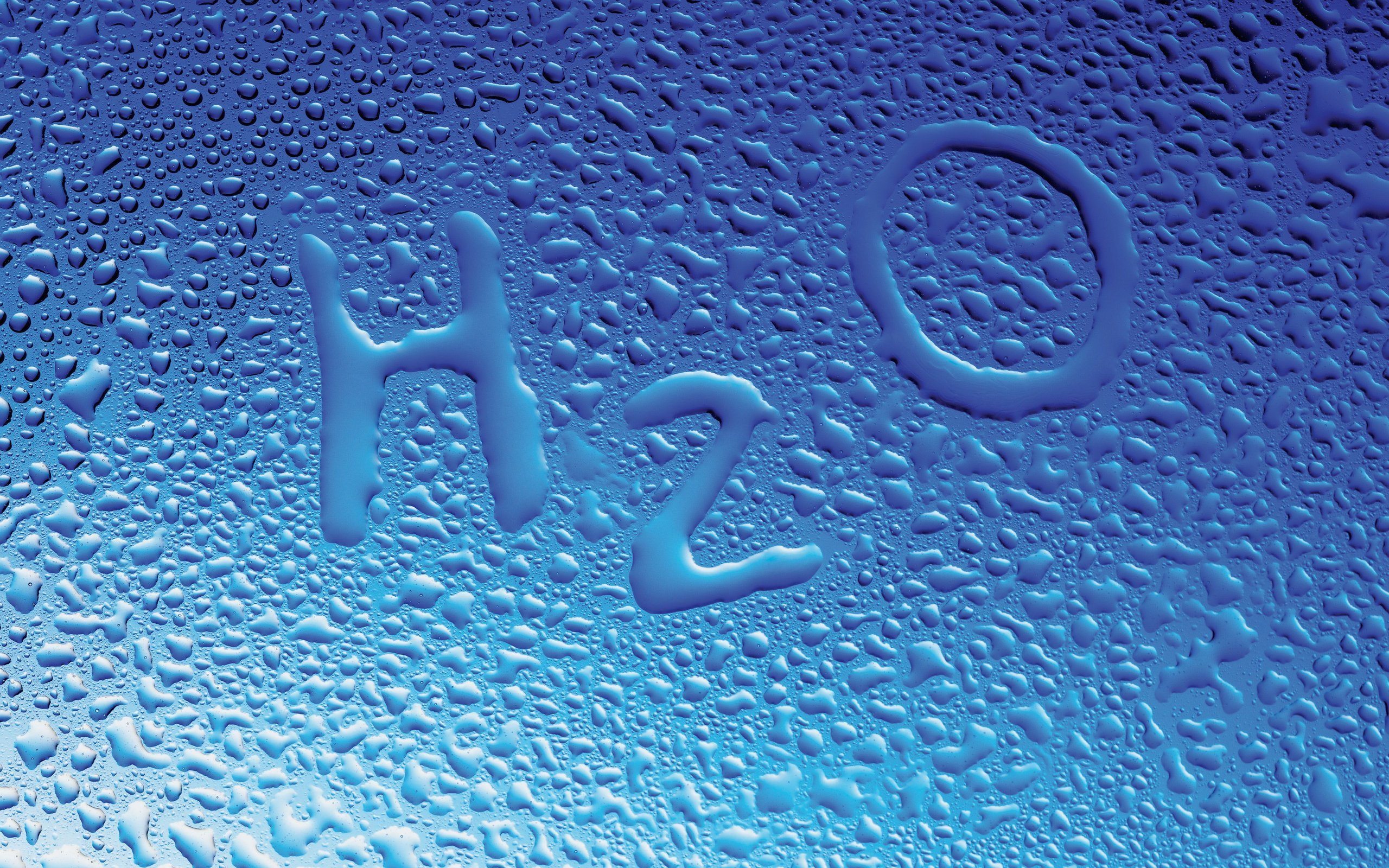
Is water solid, liquid, or gas?

a)

Solid

b)

Liquid

c)

Gas

2.

Is air solid, liquid, or gas?

a)

Solid

b)

Liquid

c)

Gas

3.

Select all of the answers that is a solid.

a)

Rocks

b)

Water

c)

Air

d)

Grass

e)

Chair

4.

Is a rock solid, liquid, or gas?

(a)  

5.
Iron + oxygen = rust is an example of a ___________.
a)
physical property/change
b)
chemical property/change
c)
mass
d)
volume
6.
Water in its solid form is _____________.
a)
a vapor
b)
ice
c)
a liquid
d)
boiling
7.

What is the phase change of a solid to a liquid?

a)

freezing

b)

melting

c)

boiling

d)

condensation

8.
5. What is it called when a solid turns directly into a gas?
a)
Sublimation
b)
Condensation
c)
Liquid
9.
7. All phase changes (changing states) requires energy to be added or taken away.
a)
True
b)
False
10.
Change from Gas to Solid is called........
a)
Sublimation
b)
Deposition
c)
Fusion
d)
condensation
11.
Change from gas to liquid...
a)
condensation
b)
evaporation
c)
expansion
d)
movement
12.

Change from Liquid to Solid is called ...

a)

fusion

b)

Freezing

c)

sublimation

d)

evaporation

13.

What happens to particles when energy is added (heated)?

a)

They speed up and spread out

b)

They slow down and compress

c)

They stop moving

d)

They move closer together and speed up

14.

Change from liquid to gas is called....

a)

expansion

b)

evaporation

c)

condensation

d)

sublimation

15.
What is sublimation?
a)
phase change between solid and liquid
b)
pahse change from gas to solid
c)
phase change from solid to gas
d)
phase change from solid to solid
16.
The phase change from water vapor to liquid water is known as...
a)
evaporation
b)
precipitation
c)
condensation
d)
sublimation
17.

Which of the following is a example of physical change ?

a)

burning of wood

b)

photosynthesis

c)

melting of ice-cream

d)

ripening of fruit

18.

What does the picture represent ?

a)

physical change

b)

chemical change

19.

Observe the picture and choose the correct option.

a)

Irreversible physical change

b)

Reversible physical change

20.

In physical change , the substance formed has different properties than the original substance.

a)

True

b)

False

21.

A chemical change may involve

a)

Evolution of gas

b)

Change in temperature

c)

Change in colour

d)

All of the above

22.

Which of the following is an example of a physical change?

a)

a bike rusting

b)

toast burning

c)

butter melting

d)

food spoiling

23.

Which of the following examples is a physical change but NOT a change of state of matter?

a)

logs burning

b)

water freezing into ice cubes

c)

candle wax melting

d)

paper being cut

24.
Freezing Juice?
a)
Physical Change
b)
Chemical Change
25.
Exploding Fireworks?
a)
Physical Change 
b)
Chemical Change 
26.
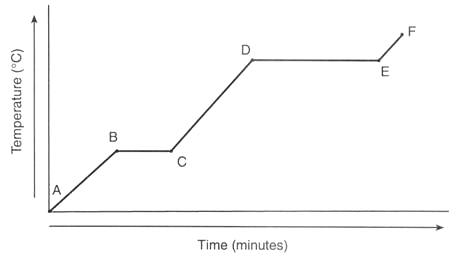
Which line segment demonstrates vaporization occurring?
a)
B-C
b)
C-D
c)
D-E
d)
E-F
27.
A substance's heating curve is shown in the graph.  What is its boiling point?
a)
100 C
b)
60 C
c)
80 C
d)
20 C
28.

What state/phase is the object likely from points A to B?

a)

Solid

b)

Liquid

c)

Gas

d)

Plasma

29.

Is the substance gaining or losing energy?

a)

Gaining

b)

Losing

30.

When the temperature of a gas decreases (with pressure and amount held constant), does the volume increase or decrease?

a)

Unaltered

b)

Remains constant

c)

Increase

d)

Decrease

31.

Charles' Law deals with what quantities?

a)

pressure/temperature

b)

pressure/volume

c)

volume/temperature

d)

volume/temperature/pressure

32.
When Volume increases then Pressure must...
a)
Increase
b)
Decrease
33.
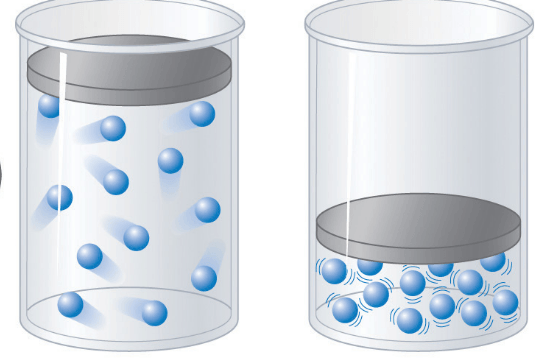
Which container will have a lower pressure?
a)
left
b)
right
c)
they both have the same pressure
d)
I don't know
34.
The relationship of which two variables are compared in Boyle's Law?
a)
pressure & volume
b)
volume & temperature
c)
temperature & pressure
d)
volume & moles (amount of gas)
35.

IF we are using Boyles' law and our Pressure goes UP, what must our volume do?

a)

Go UP

b)

Go DOWN

c)

Stay the same

d)

Wrong law.

36.

Which best explains why increasing the pressure on a gas decreases the volume of the gas sample?

a)

Increasing the pressure causes the gas particles to hit the container walls more often.

b)

Increasing the pressure on a gas sample moves the gas particles closer together.

c)

Increasing the pressure on a gas sample causes the kinetic energy to increase.

37.
state of matter with a fixed shape; does not take the shape of its container
a)
solid
b)
liquid
c)
gas
d)
water
38.
state of matter that can be poured; takes the shape of its container
a)
solid
b)
liquid
c)
gas
39.
state of matter that spreads out to completely fill its container
a)
solid
b)
liquid
c)
gas
d)
water
40.
water in gas form (moisture in the air)
a)
water vapor
b)
oxygen
c)
ice
d)
rain
41.

when water changes from a liquid to a gas - caused by heat

a)

evaporation

b)

condensation

c)

freezing

d)

melting

42.

when water vapor (a gas) is cooled and forms liquid water

a)

evaporation

b)

condensation

c)

freezing

d)

melting

43.

What must be done to change water from liquid to solid?

a)

Raise the temperature.

b)

Lower the temperature.

44.

What must be done to change water from solid to liquid?

a)

Raise the temperature.

b)

Lower the temperature.

45.

What must happen for liquid water to evaporate (become a gas)?

a)

It must be heated.

b)

It must be cooled.

46.

What must happen to water vapor (gas) to become liquid water?

a)

It must be heated.

b)

It must be cooled.

47.
Compounds are made up of two or more atoms physically combined.
a)
True
b)
False
48.
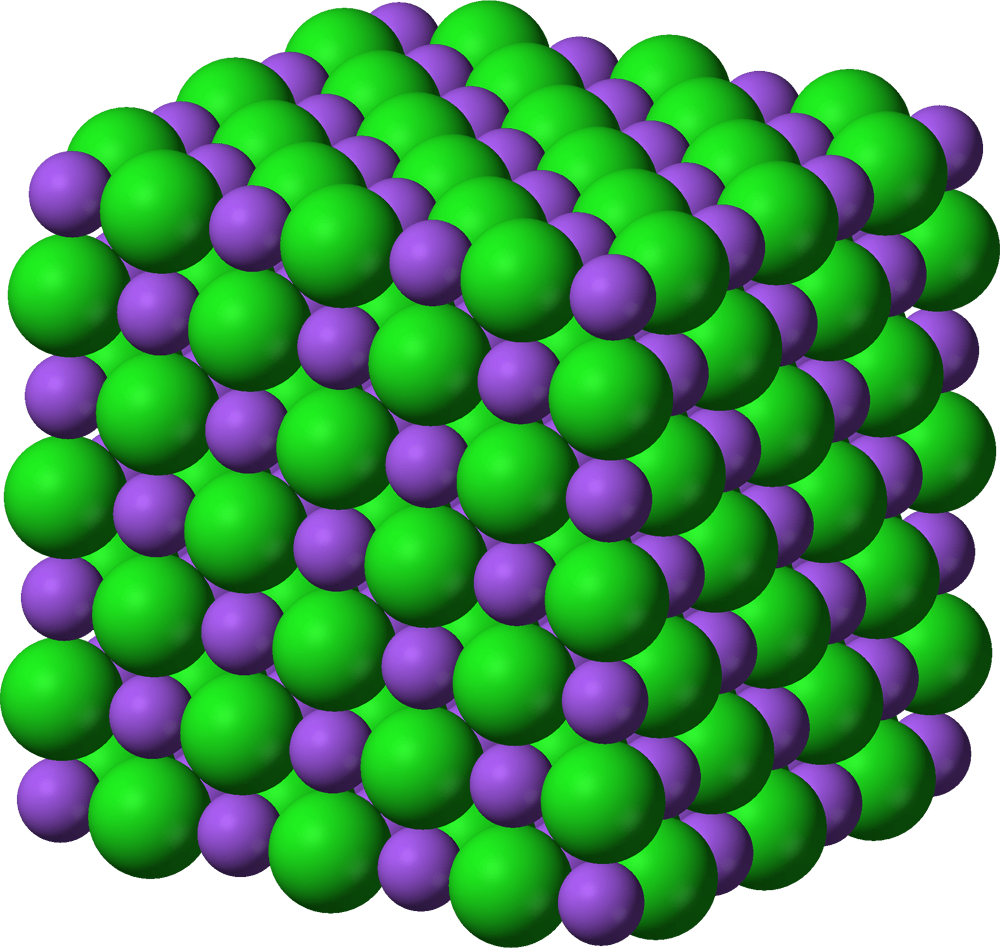
Does this picture show a compound?
a)
No
b)
Yes
49.
Is water an element or a compound?
a)
Element
b)
Compound
50.
Water (H2O) freezing is an example of:
a)
A chemical change
b)
A physical change
51.
A compound consists of two or more elements bound together.
a)
True
b)
False
52.
A chemical change always results in the formation of a:
a)
explosion
b)
big mess
c)
new substance
d)
new state of matter
53.
Atoms combine to form _______. 
a)
electrons
b)
molecules
c)
nuclei
d)
neutrons
54.
What are the basic building blocks for all matter?
a)
atoms
b)
elements
c)
compounds
d)
chemicals
55.
What do we call a chemical substance made up of 2 or more different types atoms bonded together?
a)
formula
b)
atom
c)
subscript
d)
compound
56.
All ____________ are made up of two or more atoms bonded together.
a)
atoms
b)
molecules
c)
electrons
d)
elements