wayground logo

Free Printable Worksheets

Font size

S
M
L
XL
Worksheets

Physical and Chemical Change Review

Total questions: 127

Worksheet time: 2hrs 7mins

Name
Class
Date
1.

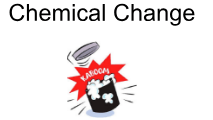
A green powder is heated & a gas is given off while it turns to a black solid. This describes

a)

Physical Change

b)

Chemical Change

c)

Change in State

d)

Change in Temperature

2.

A Chemical Change is also known as what?

a)

Physical Change

b)

Physical Property

c)

Chemical Reaction

d)

Chemical Property

3.

Which of the following could indicate that a chemical change took place?

a)

Change in color

b)

Production of Energy

c)

Formation of Gas

d)

All are correct

4.

The formation of a solid when two liquids combine is called?

a)

Solidification

b)

Freezing

c)

Precipitate

d)

Solubility

5.

The difference between a Physical change and a Chemical change is…

a)

Physical change is only a change to the outside appearance.

b)

Chemical change is when matter is changed into something new.

c)

Atoms are rearranged in chemical changes & not in physical.

d)

All are correct.

6.

What does a chemical change result in?

a)

A change in state of the substance (ex. liquid to solid)

b)

A change in texture of the substance.

c)

A change in the way atoms are bonded to each other.

d)

A change in the appearance of the substance.

7.

Which type of change is most often easily reversed?

a)

Chemical

b)

Physical

c)

Both a physical and chemical change.

d)

Neither a physical or chemical change.

8.

Identify what type of change happening in the picture below...

a)

Chemical Change

b)

Physical Change

c)

Endothermic Reaction

d)

Exothermic Reaction

9.

Identify what type of change happening in the picture below...

a)

Chemical Change

b)

Physical Change

c)

Endothermic Reaction

d)

Exothermic Reaction

10.

Identify what type of change happening in the picture below...

a)

Chemical Reaction

b)

Physical Change

c)

Change in State

d)

Change in appearance only

11.

If the chemical properties of a substance remain unchanged & the appearance or shape of an substance changes it is a...

a)

Chemical Change

b)

Physical Change

c)

Both a physical and chemical change.

d)

Neither a physical or chemical change.

12.

Which of the following is an example of a physical change?

a)

A glass falling and shattering on the floor.

b)

Baking a birthday cake.

c)

Burning a piece of paper.

d)

Baking soda and vinegar mixing together.

13.

When a new substance is formed with different properties than the original substance it is called a...

a)

Chemical change

b)

Physical change

c)

Change in State

d)

Change in appearance only.

14.

Which type of change are irreversible?

a)

Chemical Changes

b)

Physical Changes

c)

Changes in State

d)

Changes in Temperature

15.

Which is not a clue that could indicate a chemical change has occurred?

a)

Change in color

b)

Change in shape

c)

Release of energy

d)

Formation of an odor

16.

During Chemical Reactions, the new substances created are called?

a)

Precipitate

b)

Corrosion

c)

Reactants

d)

Products

17.

During Chemical Reactions, the substances that are used are called?

a)

Precipitate

b)

Corrosion

c)

Reactants

d)

Products

18.
Chemical change or physical change?
a)
Chemical Change
b)
Physical Change
19.
Chemical change or physical change?
a)
Chemical Change
b)
Physical Change
20.
Chemical change or physical change?
a)
Chemical Change
b)
Physical Change
21.
Chemical change or physical change?
a)
Chemical Change
b)
Physical Change
22.
Chemical change or physical change?
a)
Chemical Change
b)
Physical Change
23.
Chemical change or physical change?
a)
Chemical Change
b)
Physical Change
24.
Chemical change or physical change?
a)
Chemical Change
b)
Physical Change
25.
Chemical change or physical change?
a)
Chemical Change
b)
Physical Change
26.
Chemical change or physical change?
a)
Chemical Change
b)
Physical Change
27.
Chemical change or physical change?
a)
Chemical Change
b)
Physical Change
28.
Chemical change or physical change?
a)
Chemical Change
b)
Physical Change
29.
Chemical change or physical change?
a)
Chemical Change
b)
Physical Change
30.
Chemical change or physical change?
a)
Chemical Change
b)
Physical Change
31.
Chemical change or physical change?
a)
Chemical Change
b)
Physical Change
32.
Chemical change or physical change?
a)
Chemical Change
b)
Physical Change
33.
Chemical change or physical change?
a)
Chemical Change
b)
Physical Change
34.
Chemical change or physical change?
a)
Chemical Change
b)
Physical Change
35.
Chemical change or physical change?
a)
Chemical Change
b)
Physical Change
36.
A copper penny turning greenish after a few years is an example of ...
a)
Chemical Change
b)
Physical Change
37.
A change in which NEW substances are formed.
a)
Chemical change
b)
Physical change
c)
Casual change
d)
Formal change
38.
Which of the following is NOT an example of chemical change?
a)
sour milk
b)
burning wood
c)
breaking a pencil
d)
rust
39.
Which of the following is NOT an example of a physical change?
a)
crumpled paper
b)
pencil sharpening
c)
shrunken clothing
d)
sour milk
40.
Which of the following IS a physical change?
a)
Getting a haircut
b)
Rusty metal
c)
sour milk
d)
A compound
41.
Is melting butter for popcorn a chemical or physical change?
a)
chemical
b)
physical
42.
Is a rusting bicycle a chemical or physical change?
a)
chemcial
b)
physical
43.
Ripping up paper ...
a)
Chemical Change
b)
Physical Change
44.
A change in phase ...
a)
Chemical Change
b)
Physical Change
45.
Bubbles form when two or more substances are combined ...
a)
Chemical Change
b)
Physical Change
46.
Change in size ...
a)
Chemical Change
b)
Physical Change
47.
An explosion occurs ...
a)
Chemical Change
b)
Physical Change
48.
To go back to the substances original states is not possible or you would need to use chemicals. 
a)
Chemical
b)
Physical
49.
Causes a change in odor ...
a)
Chemical Reaction 
b)
Physical Reaction
50.
A change in phase or state of matter ...
a)
Chemical
b)
Physical
51.
A change in the size, shape, or state of matter.
a)
chemical change
b)
physical change
52.
Evidence of Chemical Change.
a)
New Substance 
b)
Size change
c)
State change
d)
Mixture 
53.
Evidence of a physical change.
a)
New substance
b)
Shape Change
c)
Light produced
d)
Gas released.
54.
In physical changes, substances might change in __________ but not in __________.
a)
appearance, composition
b)
volume, state of matter
c)
texture, color
d)
weight, mass
55.
What happens to atoms after a chemical change?
a)
They remain in the same place.
b)
They become bigger.
c)
They link up in different ways.
d)
They dissolve to form a mixture.
56.

Which of the following properties can change during a physical change?

a)

shape

b)

pH level

c)

flammability

d)

reactivity

57.
True or False: a physical change may produce a new substance.
a)
True
b)
False
58.
Which of the following is an example of a precipitate?
a)
liquid evaporating into gas
b)
a solid formed from a frozen liquid
c)
a chunk solid formed from two liquids combining
d)
a liquid solution that contains two substances
59.
Which of the following is an example of a physical change?
a)
sugar and oxygen reacting to produce water and carbon dioxide
b)
honey dissolving in tea
c)
a raw egg being cooked
d)
metal rusting after being left out in the rain
60.
A physical change can sometimes result in a color change. Which of the following situations show this?
a)
Milk turns yellow when it spoils.
b)
Dough becomes darker when it is baked into cake.
c)
A red candy dissolves and turns water pink.
d)
A match turns black when it is burned.
61.
Which of the following physical changes shows a change in a substance's state of matter?
a)
a piece of paper being torn in half
b)
clay being molded into a bowl
c)
an ice cube being crushed
d)
liquid water becoming steam
62.
On a camping trip, Mrs. Benavides roasts a marshmallow in the campfire. She notices that the roasted marshmallow smells and tastes differently than the uncooked marshmallows. What change has taken place, and how does Mrs. Benavides know?
a)
a chemical change because the marshmallow changed in taste, color and smell
b)
no change because the marshmallow is not a new substance
c)
only a physical change because the marshmallow changed in size
d)
a chemical change because the marshmallow only changed in pH level
63.
A change in which NEW substances are formed.
a)
Chemical change
b)
Physical change
c)
Casual change
d)
Formal change
64.
Which of the following is NOT an example of chemical change?
a)
sour milk
b)
burning wood
c)
breaking a pencil
d)
rust
65.
Which of the following is NOT an example of a physical change?
a)
crumpled paper
b)
pencil sharpening
c)
shrunken clothing
d)
sour milk
66.
A solid substance that forms when 2 liquid solutions are combined?
a)
Sublimation
b)
Precipitate
c)
Condensation
d)
Freezing
67.
Which of the following indicates a PHYSICAL change?
a)
Change in temperature
b)
Change in shape
c)
Formation of a precipitate
d)
Change in color
68.
Which Law states that Matter cannot be created or destroyed during a Chemical Change/Reaction?
a)
Conservation of Energy
b)
Conservation of Matter (Mass)
c)
Conservation of Momentum
d)
Conservation of Thermodynamics
69.
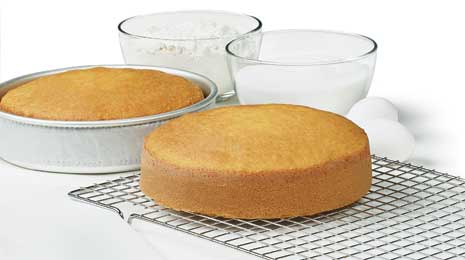
Physical or Chemical Change?  Baking a cake.
a)
Chemical Change
b)
Physical Change
70.
Density
a)
Physical Property
b)
Chemical Property
71.
Flammability (burns)
a)
Physical Property
b)
Chemical Property
72.
Solubility (dissolves)
a)
Physical Proeprty
b)
Chemical Property
73.
Melting point
a)
Physical Property
b)
Chemical Property
74.

Your friend decides to toast a piece of bread, but leaves it in the toaster too long. The bread is black and the kitchen is full of smoke.

a)

Physical Change

b)

Chemical Change

75.
You forgot to dry the bread knife when you washed it and reddish brown spots appeared on it. 
a)
Physical Change
b)
Chemical Change
76.
Food color is dropped into water to give it color. 
a)
Physical Change
b)
Chemical Change
77.
Which of the following is a sign that a chemical reaction has occurred?
a)
change in shape
b)
melting
c)
formation of a gas
d)
dissolving
78.
What kind of properties can only be observed when a substance changes into a different substance?
a)
physical properties
b)
chemical properties
c)
liquid properties
d)
real properties
79.
Which of the following is a sign that a chemical reaction has occurred?
a)
change in shape
b)
melting
c)
formation of a gas
d)
dissolving
80.
Is being able to melt physical or chemical
a)
physical
b)
chemical
c)
ducktile
d)
maluable
81.
Is making a cake physical or chemical
a)
physical
b)
chemical
c)
ducktile
d)
maluable
82.
Is burning wood a chemical or physical change?
a)
chemical
b)
physical
83.
Is hammering wood together to build a house a chemical or physical change?
a)
chemical
b)
physical
84.
Is making salt water to gargle with a physical or chemical change?
a)
physical
b)
chemical
85.

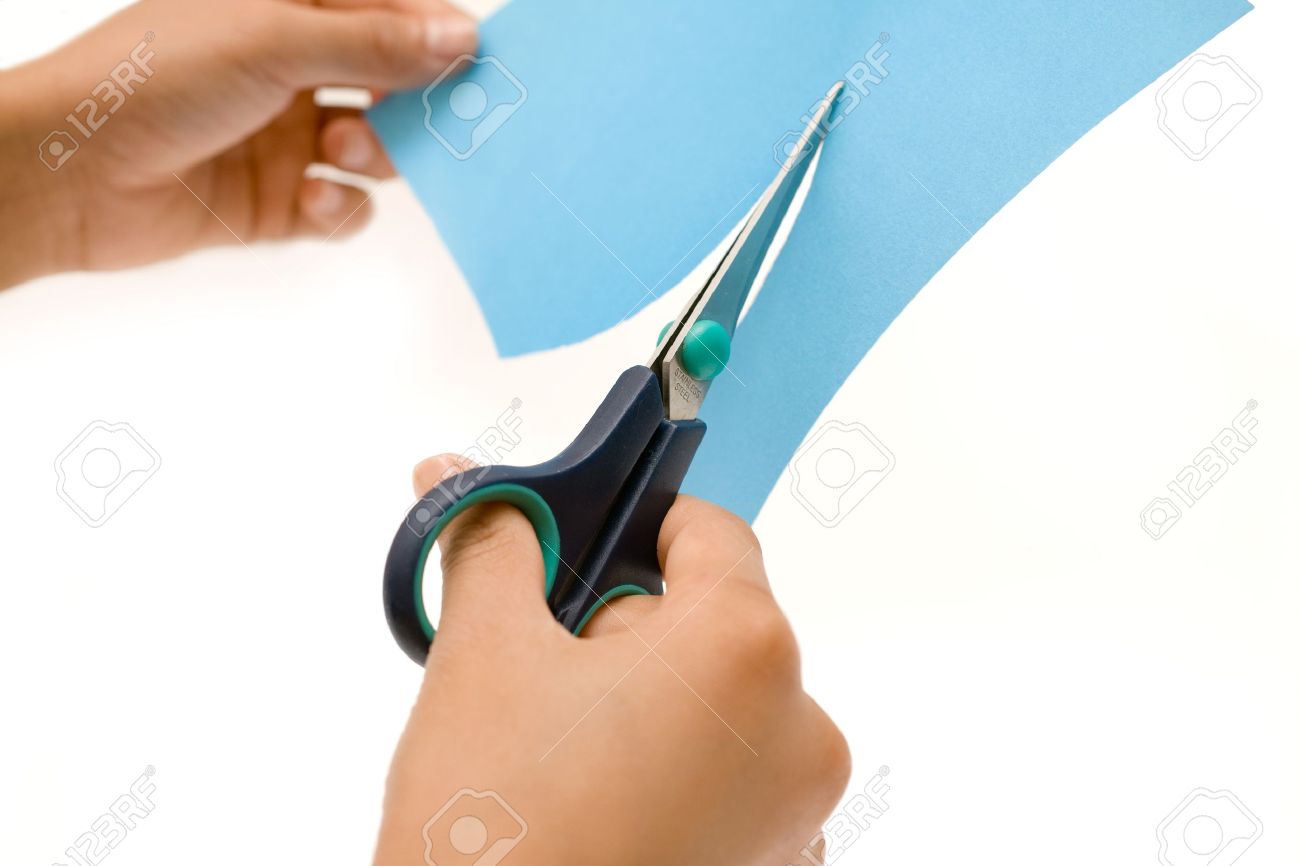
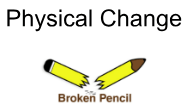
What kind of change is cutting paper?
a)
b)
86.

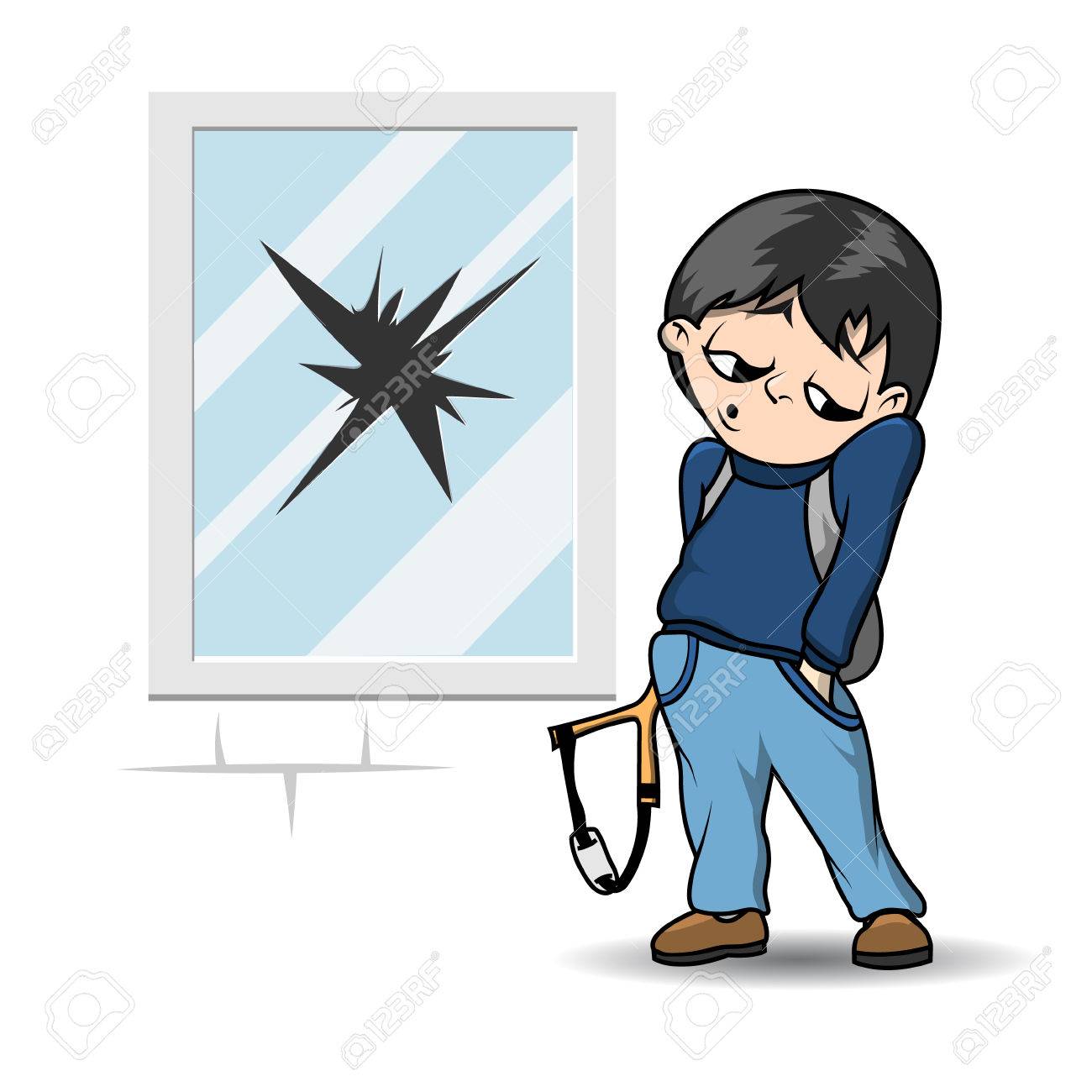
What kind of change is breaking a window?
a)
b)
87.

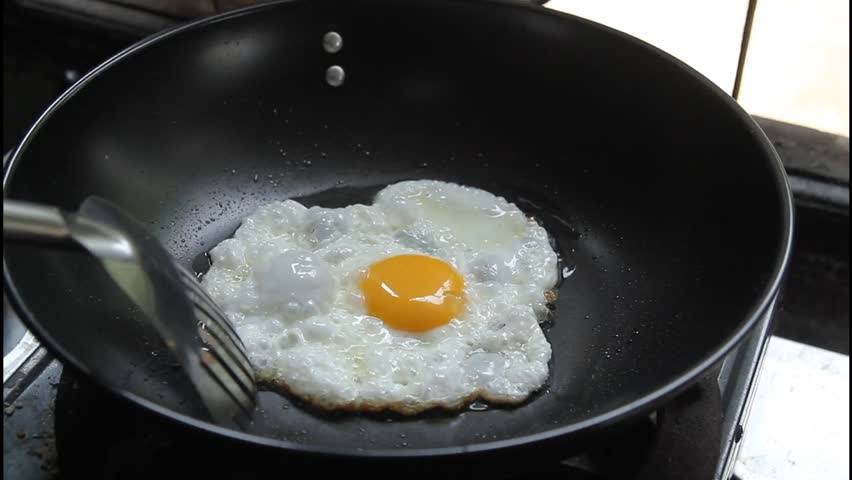
What kind of change is frying an egg?
a)
b)
88.

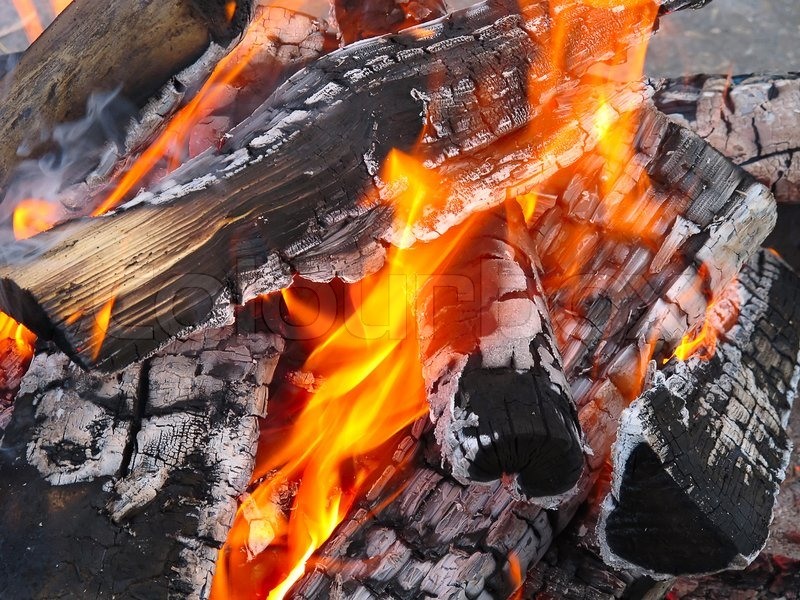
What kind of change is burning wood?

a)
b)
89.

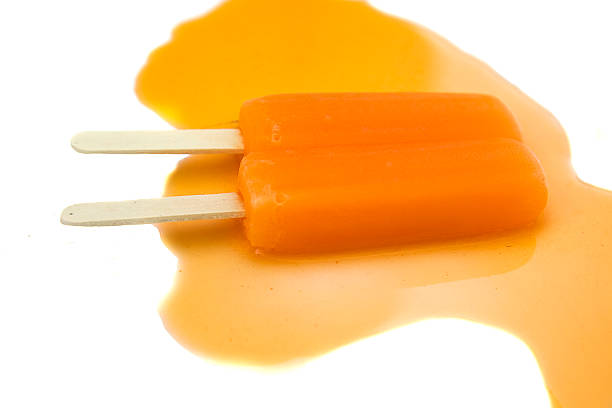
What kind of change is a melting popsicle?
a)
b)
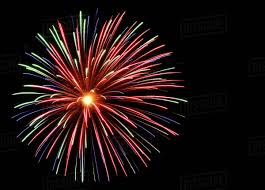
90.

What kind of change is exploding fireworks?

a)
b)
91.

What kind of change is baking a cake?
a)
b)
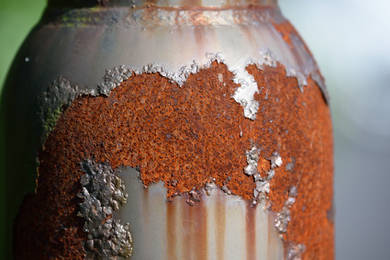
92.

What kind of change is metal rusting?

a)
b)
93.

What kind of change is freezing water into ice cubes?

a)
b)
94.

What kind of change is crushing a soda can?

a)
b)
95.

What kind of change is cutting your hair?

a)
b)
96.

What kind of change is a rotting banana?

a)
b)
97.

What kind of change is toasting bread?

a)
b)
98.

What kind of change is mixing vinegar & baking soda?

a)
b)
99.

What kind of change is squeezing juice out of an orange?

a)
b)
100.

What key words, when present in a question about chemical reactions, might indicate a chemical change is occuring? Check all that apply.

a)

Bubbling

b)

Fizzing

c)

Dissolving

d)

Evaporating

101.

Physical Change is when the appearance is changed.

a)

True

b)

False

102.

Chemical change has happened when .....

a)

New products are made

b)

when salt is dissolved

c)

the shape is changed

d)

matter changes state

103.

ALL state changes are physical change.

a)

True

b)

False

c)

Maybe

104.

This was an example of ...

a)

Physical Change

b)

Chemical Change

105.

This is an example of ....

a)

Physical Change

b)

Chemical Change

106.

Which pictures show chemical change?

a)
b)
c)
d)
107.

A green powder is heated & a gas is given off while it turns to a black solid. This describes

a)

Physical Change

b)

Chemical Change

c)

Change in State

d)

Change in Temperature

108.

Which of the following could indicate that a chemical change took place?

a)

Change in color

b)

Production of Energy

c)

Formation of Gas

d)

All are correct

109.

How do you know that rusting is a chemical change?

a)

it changes color

b)

atoms were rearranged to form a new substance

c)

we just know

d)

the rust

110.

True or False: All atoms are created or destroyed in a chemical reaction.

a)

true

b)

false

c)

maybe

111.

The following are examples of evidence of a chemical reaction....

a)

ice melting into a liquid

b)

condensation

c)

endothermic reaction

d)

change in color, production of gas bubbles

112.

Ice (solid) can change to a liquid (water). This is a demonstration of a ______________________.

a)

physical change

b)

chemical change

c)

neither

d)

density

113.

When we combine baking soda and vinegar, it fizzes and eventually turn into a liquid. What is actually happening?

a)

baking soda melted into its liquid form

b)

baking soda combined with the vinegar produced a new substance

c)

evaporated into the air

114.

What is matter? (Choose the BEST answer)

a)

anything that has mass and volume

b)

amount of space it takes up

c)

anything that has color

d)

amount of odor it has

115.
The science of different kinds of matter, and how that matter can change, is called ___
a)
physics
b)
baking
c)
chemistry
d)
biology
116.
In a chemical change,  particles that make up two or more substances are rearranged to ___
a)
form a mixture
b)
form a new substance
c)
mix into a solid
d)
mix into a solution
117.
Which of these is NOT an indicator of a chemical change?
a)
a change in color
b)
giving off or taking in of heat
c)
the release of gases
d)
a change in shape
118.

Chemical or Physical:

A characteristic of matter that can be observed with your 5 senses is a ____________ property.

a)

Chemical

b)

Physical

119.

Chemical or Physical:

A characteristic of matter that can only be observed when matter is changed into a new kind of matter.

a)

Chemical

b)

Physical

120.

Chemical or Physical:

The words "blue", "large", and "soft" all describe __________ properties.

a)

Chemical

b)

Physical

121.

The ability of matter to change when heated is a _____________.

a)

Chemical

b)

Physical

122.

Chemical or Physical:

Rusting or tarnishing describes matter undergoing a __________ change with gases in the air.

a)

Chemical

b)

Physical

123.

Chemical or Physical:

Color, shape, texture, and luster are all examples of _______________ properties of matter.

a)

Chemical

b)

Physical

124.

Chemical or Physical:

Mass, volume, or density of an object is a _______________ property of that object.

a)

Chemical

b)

Physical

125.

Chemical or Physical:

The ability to cook, burn, rust, tarnish, or explode is an example of a ___________ property.

a)

Chemical

b)

Physical

126.

Chemical or Physical:

______________ properties include how a substance reacts with other substances.

a)

Chemical

b)

Physical

127.

Chemical or Physical:

The ability to burn is a _______________ property of wood, but not a property of silver.

a)

Chemical

b)

Physical