
 Worksheets
Waves, Sound and Light
Total questions: 106
Worksheet time: 2hrs 56mins
What do waves transfer?
matter
energy
matter and energy
the medium
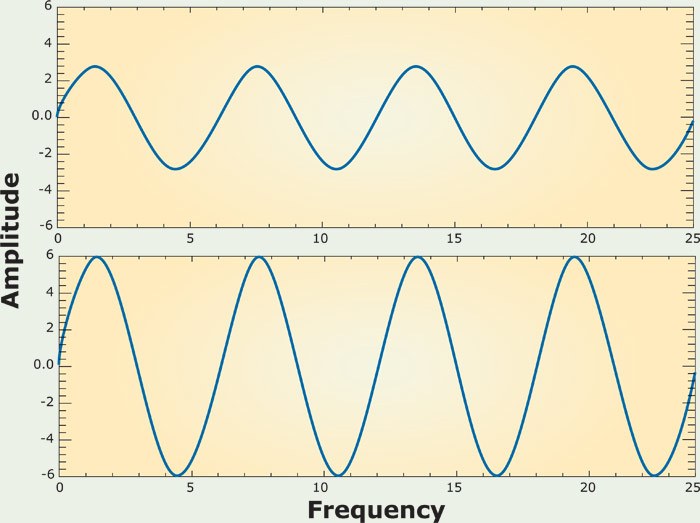
A _____________ is a repeating disturbance that transfers energy through matter or vacuum.
medium
frequency
wave
conductor
A ______________ is a material through which a wave transfers energy.
trough
frequency
substrate
medium
If the frequency of a wave gets higher, the wavelength gets __________.
shorter
longer
stays the same
not enough information
A wave has a velocity of 230 m/s and a wavelength of 4 meters. What is the wave's frequency? Manipulate the following equation to solve for frequency
v = f * ƛ
57.5 Hz
0.017 Hz
920 Hz
57.5 m
Which is a type of a wave?
crest
trough
frequency
longitudinal
The loudness of a sound depends on _______________.
wavelength
frequency
amplitude
resting point
The pitch of a sound depends on ______________.
wavelength
frequency
amplitude
resting point

What property of this wave is represented by the letter "A"?
amplitude
trough
crest
wavelength

What property of this wave is represented by the letter "B"?
amplitude
trough
crest
wavelength

Which wave in the diagram has the lowest frequency?
1
2
3
4

Which wave in the diagram has the shortest wavelength?
1
2
3
4
Which of the following can sound travel through? Select all that apply.
solid
liquid
gas
vacuum

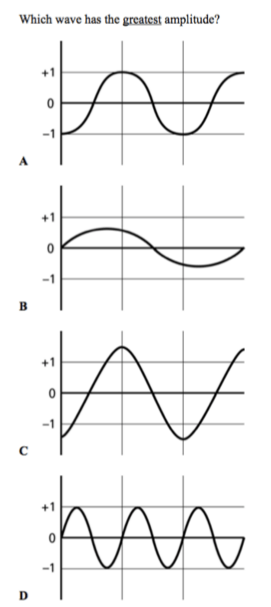
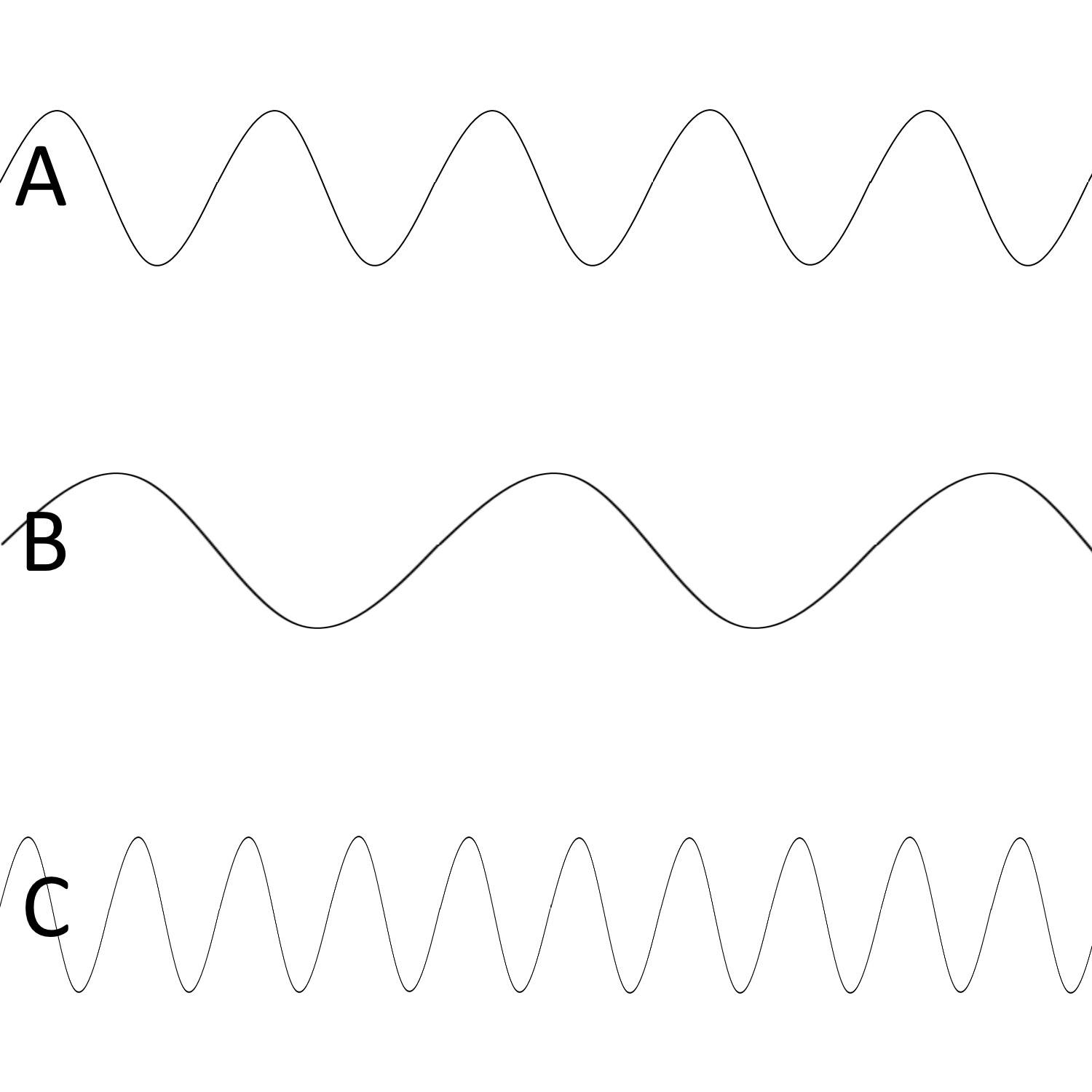

Which wave has the highest frequency?
A
B
C
None (same frequency)
none of these are correct
Waves that have vibrations that move perpendicular to the direction the wave are called:
Electromagnetic Spectrum
Transverse Waves
Medium
Light Waves


If someone is standing to the left of this wave, they would hear a ______ pitch than someone standing to the right of it.
uglier
prettier
higher
lower

If you are standing in front of this car, the wavelengths nearest you would have a _______ frequency
quieter
louder
higher
lower


Sound travels in waves


Light energy can be seen.
True
False
A very quick back and forth movement
refract
absorb
vibration
pitch
To have light bounce off an object and go in different directions
reflect
refract
absorb
pitch
A unit used to compare the loudness of different sounds.
Hertz
Decibel
seconds
meters
A change in sound frequency caused by motion of the sound source, motion of the listener, or both.
pitch
beat
intensity
Doppler Effect
The amount of sound energy that passes through a square meter of space in one second
pitch
beat
intensity
polarizer
The loudness of a sound given in decibels
intensity level
electromagnetic spectrum
visible light
pitch
A tone's experienced highness or lowness
beat
pitch
beat frequency
polarizer
Having a frequency higher than 20,000 Hz
infrasonic
ultrasonic
decibel
polarization
The full range of frequencies of electromagnetic waves
visible light
intensity levels
electromagnetic waves
electromagnetic spectrum
Electromagnetic waves that are visible to the human eye
light waves
sound waves
visible light
electromagnetic spectrum

What does Label #1 show?
Trough
Crest
Amplitude
Wavelength
What does Label #3 show?
Trough
Crest
Amplitude
Wavelength


Objects that reflect well are
Matte surfaces
Smooth, shiny surfaces
Dark coloured surfaces
Medium coloured surfaces
The law of reflection states that
Angle of incidence = Angle of reflection
Angle of incidence = Angle of incidence
Angle of reflection = Angle of translucence
Angle of reflection = Angle of reflection
A concave mirror
Curves inwards
Curves outwards
Curves sideways
Curves in multiple directions
A convex mirror
Curves inwards
Curves outwards
Curves sideways
Curves in multiple directions

The angle of reflection is
90 degrees
55 degrees
45 degrees
135 degrees
Refraction is
The bending of light as it passes through the one substance at an angle
A light beam shone in one end of an optical fibre and totally internally reflected at the other end
The bending of light as it passes from one substance to another at an angle
A type of convex object used in everyday life
Refraction happens because light travels _____________ in glass or water compared to air
Faster
The same
At the speed of sound
Slower

The angle of incidence is
56 degrees
124 degrees
90 degrees
34 degrees
The incident ray is the light ray leaving the light source. The angle of ______________ correlates with the incident ray.
Incidence
Reflection
Refraction
Normal


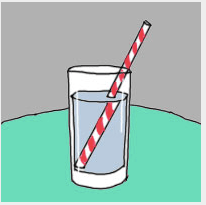
Why does the straw appear to be bent?
light is reflected
light is absorbed
light is turned
light is refracted
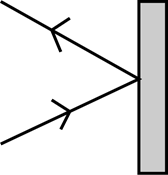
In the illustration, the light ray striking the object is-
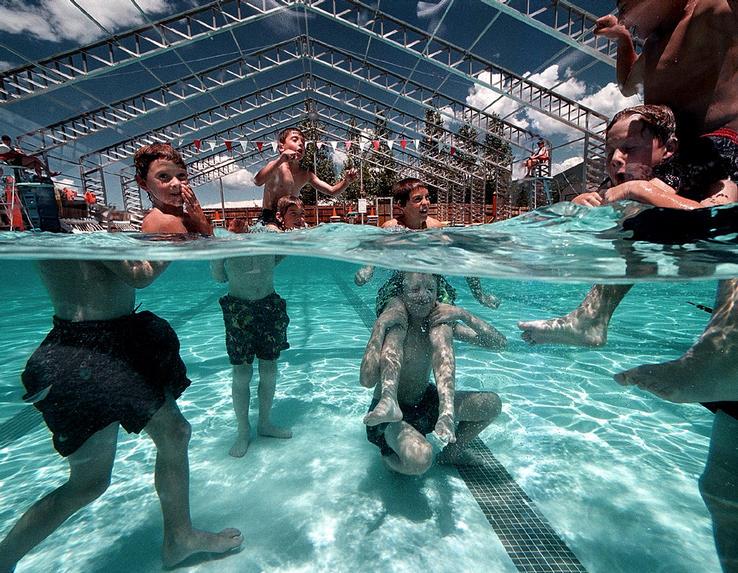
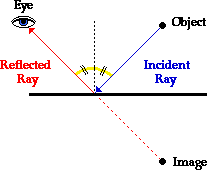
What is the angle of reflection equal to?
The angle of refraction
The angle of incidence
The angle of absorption
The angle of light
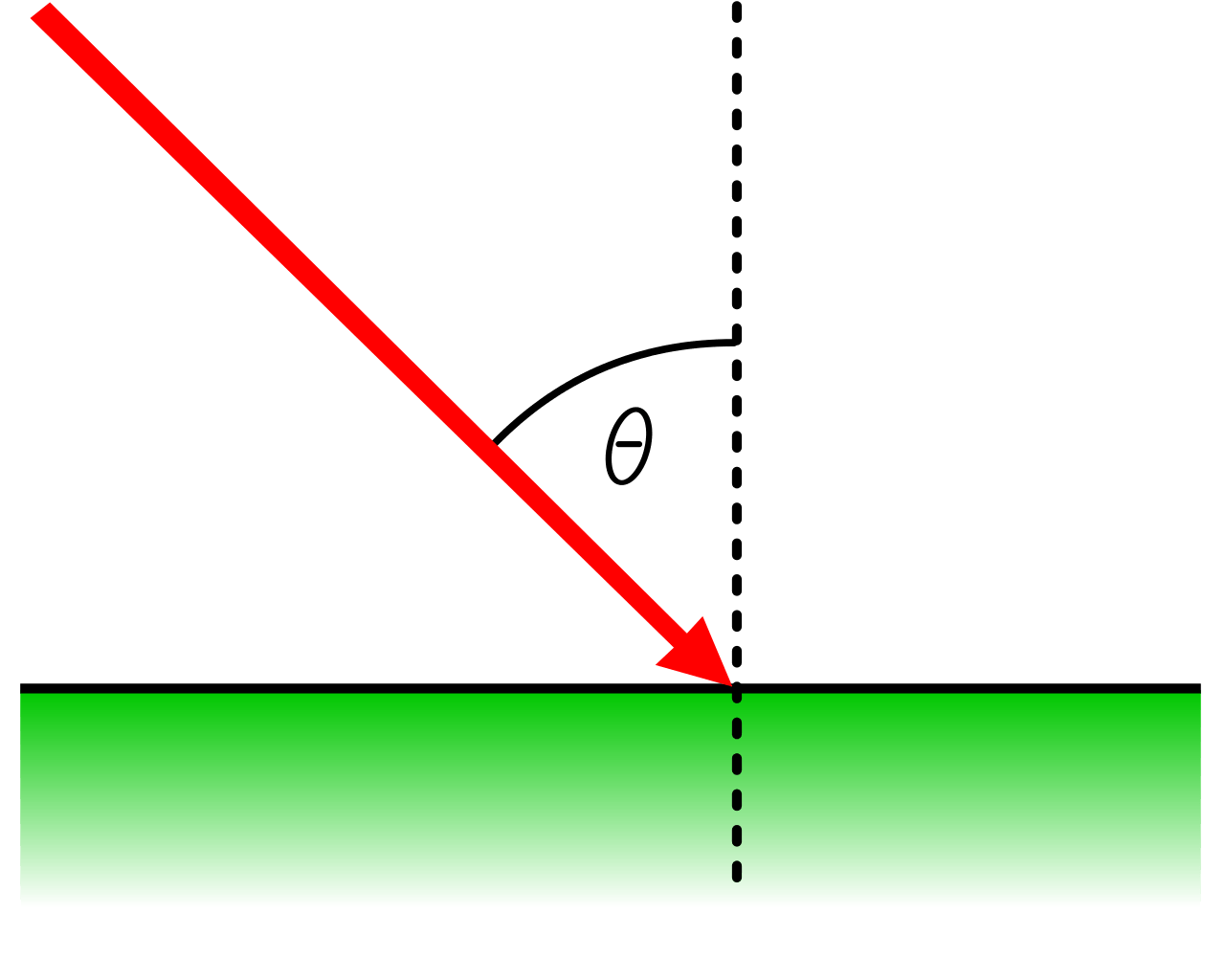

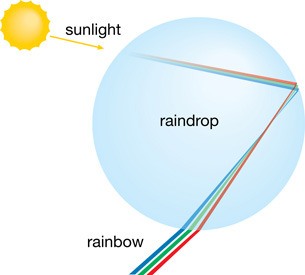
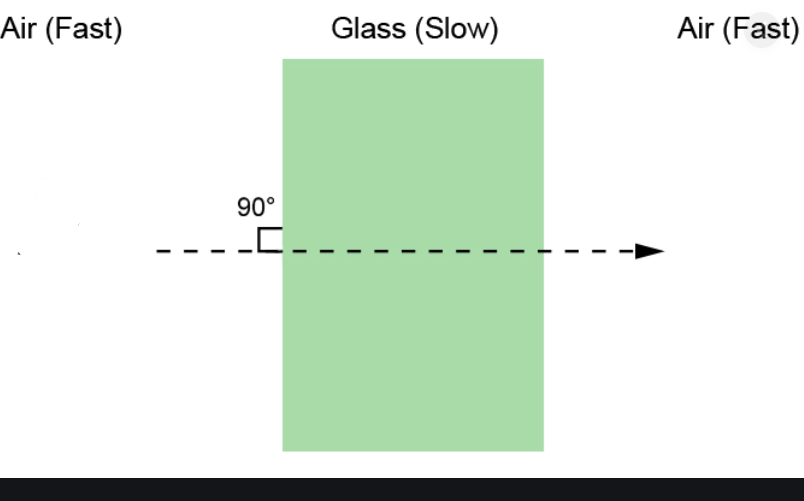
The line 90 degress through the refracting or reflecting surface is called?
Medium
Normal
Incidence
Reflection
Refraction is
The bending of light as it passes through the one substance at an angle
A light beam shone in one end of an optical fibre and totally internally reflected at the other end
The bending of light as it passes from one substance to another at an angle
A type of convex object used in everyday life
When light hits an area and bounces back it is called:
echo
refraction
reflection
absorbing
When light goes from one material(medium) to another it becomes bent, what term means bent?
reflected
refracted
absorbed
turned

What is happening in this picture?
Reflection
Refraction

When the light passes out of the glass, back into the air
It bends away from the normal
It does not bend
It bends towards the normal
It continues to be the normal
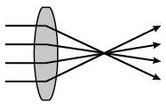
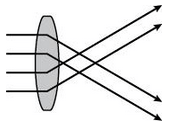
Which figure represents the path light takes through a converging lens?
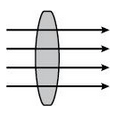
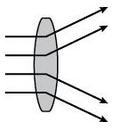
When light falls on a smooth polished surface, most of it
is reflected in the same direction
is reflected in different directions
is scattered
is refracted into the second medium

What happens when light hits a shiny or smooth surface?
It disappears.
It is refracted.
It is absorbed.
It is reflected.

