
 Worksheets
Basic Chemistry
Total questions: 121
Worksheet time: 1hrs 8mins
Which subatomic part of an atom gives it a positive charge?
Neutron
Proton
Electron
Nucleus
Which region of an atom has a negative charge?
The nucleus
Both nucleus and electron cloud
The neutrons
The electron cloud
What is the smallest 'building block' of the elements that make up the universe?
An atom
An electron
A proton
A cell
An atom of carbon has 6 protons and 7 neutrons in its nucleus. If the atom is neutral, how many electrons does it have?
0
7
6
13
The number of protons in the nucleus of an atom?
Isotope
Atomic mass
Atomic number
Element
A certain atom of oxygen contains 8 protons, 8 neutrons, & 8 electrons. Another atom of unknown identity contains 9 protons. Which of the following MUST be true about this unidentified atom?
It has 9 neutrons in its nucleus.
It is an isotope of oxygen.
Its atomic mass is a decimal number.
It cannot be an atom of oxygen.
An atom of iodine has 7 valence electrons. What will an atom of iodine MOST likely do to be stable?
Lose 1 electron
Lost 7 electrons
Gain 1 electron
Neither gain nor lose any valence electrons
An atom of neon has 8 valence electrons. What will an atom of neon MOST likely do to be stable?
Gain 1 electron
Lose 2 electrons
Lose 8 electrons
Neither gain nor lose any valence electrons
What type of bond is formed when atoms share electrons?
Covalent
Ionic
Hydrogen
Polyatomic
How are ionic and covalent bonds alike?
They both form organic molecules.
They both fill outer electron shells.
They both transfer electrons from one atom to another.
They both transfer protons from one atom to another.
Negatively charged particles found outside of the nucleus of an atom are called ______.
protons
neutrons
electrons
Positively charged particles found in the nucleus of an atom
Neutron
Proton
Electron
A neutral particle found in the nucleus of an atom
neutron
proton
electron

How many protons are in carbon?
12
6
0
7

Calculate the number of neutrons for potassium.
20
19
39
58
Elements are chemically combined substances that can be broken down into simpler substances.
True
False

Identify the equation to calculate the number of neutrons for the isotope Nitrogen 14.
15.0001 - 7 = 8.0001
14.00307 - 7 = 7.00307
15 - 7 = 8
14 - 7 = 7
The atomic number of an element is equal to the number of
protons and electrons
protons
electrons
electrons and neutrons
The number of protons is equal to the number of electrons.
True
False
Protons + __________ = atomic mass
electrons
neutrons
neither
Identify the equation to calculate the number of neutrons for the isotope Nitrogen 15.
15.0001 - 7 = 8.0001
14.00307 - 7 = 7.00307
15 - 7 = 8
14 - 7 = 7
Matter
has mass.
All of the choices are correct.
occupies space.
is what life is composed of
is composed of elements.
Which of the following elements is Not one of the six most common in living organisms?
carbon
oxygen
iron
nitrogen
hydrogen
Atomic number of Neon is--------.
10
12
18
14
The number of protons and Number neutrons determine an elements
Atomic number
Mass number
Atom
None of the above
Electronic configuration of the Ca [ calcium ]----------.
[ 2, 8, 8, 3 ]
[ 2, 8, 8, 1 ]
[ 2, 8, 8, 4 ]
[ 2, 8, 8, 2 ]
In an atom neutrons are----------.
Positive
Negative
Neutral
Do not predict whether positive or negative.

A strong intramolecular interaction or connection between atoms in a molecule.
Ionic bond
Covalent bond
Metallic bond
Chemical bond

Elements are atoms of the same kind. What do you call a charged atom?
Proton
Ion
Electron
Neutron

These electrons determine atoms reactivity or tendency to from bonds with other atoms.
Core electrons
Electrons
Valence electrons
Shell electrons

Which of the following element does not belong to noble gases?
Boron
Oxygen
Nitrogen
All of the above
This rule refers to the tendency of atoms to prefer to have 8 electrons in the valance shell.
Solo
Duet
Trio
Octet

Air is what kind of substance?
Colloid
Suspension
Mixture
Foam

This gas is a by-product of utilization of carbon dioxide, water and sunlight by autotrophs.
Nitrogen
Oxygen
Helium
Radon

What is being shared by two elements bonded covalently?
Atoms
Protons
Electrons
Neutrons

Ionic bonds from when a metal and a non-metal exchange electron. What is most likely to happen to a metal?
Metals will form a negative ion because they lose electrons
Metals will form a positive ion because they gain electron
Metals will form a negative ion because the gain electrons
Metals will form positive ion because they lose electrons
Ions can be divided into two types. What ions bear a positive charge?
Cations
Anions
Unions
Ions
The difference between atoms and ions is that atoms are neutral. It means to say that:
They have equal numbers of protons and neutrons
The have equal number of electrons and neutrons
They have equal numbers of protons and electrons
None of the above

How do cations form?
When an atom loses an electron
When an atom loses 2 electrons
When an atom loses 3 electrons
All of the above

These ions are atoms that gain or lose electrons, resulting in a net positive or negative charge.
Ions
Ionic compounds
Covalent bonds
Electrons
What happens when Mg2+ reacts with O2-?
Magnesium will gain electrons
Magnesium will lose electrons
Magnesium will gain protons
Magnesium will lose protons
What is the compound name for LiO?
Lithium oxide
Lithium oxygen
Lithide oxide
Oxithide

Why do elements form bonds?
They have the ability to do so
They need to make a relationship
They want to be stable when forming compounds
They like to share what they have

What element contains 8 protons?
Argon
Nitrogen
Oxygen
Uranium
What element contains 42 protons?
Gold
Iron
Oxygen
Molybdenum
What charge do neutrons have?
Positive
Negative
Neutral
Depends on their environment
What charge do protons have?
Positive
Negative
Neutral
Depends on their environment

How many electrons does this element have it its outer shell?
7
2
5
18

Look at this image of a water molecule, what do you notice about the electrons?
There are 15 of them, half in the hydrogen and half in the oxygen.
They are pink and purple.
They are labelled "H" and "O"
They are being shared between hydrogen and oxygen
Generally speaking, how many electrons do atoms "want" to have in their valence shell?
8
1
14
22

Including the shared electrons, how many electrons are in oxygen's valence shell?
2
6
8
10

The image shows the periodic grid for SODIUM. What is Sodium's atomic number?
11
12
23
Impossible to tell

What element will have the most similar physical and chemical properties to the element Sulfur (S)?
(click on the periodic table to expand it!)
Carbon (C)
Phosphorous (P)
Oxygen (O)
Neon (Ne

What element will have the most similar physical and chemical properties to the element Bromine (Br)?
(click on the periodic table to expand it!)
Fluorine (F)
Carbon (C)
Krypton (Kr)
Selenium (Se)
The image shows the periodic grid for SODIUM. How many protons are found in a sodium atom?
11
12
23
Impossible to tell

Who invented the Periodic Table?
Mendeleev
Bohr
Lewis
Democritus
As you move left to right on a row or period what happens?
Atomic number increases by 1
Electrons decrease
Number of shells decrease
Nothing
What happens to the number of shells as you move down a group?
They decrease by 1
They increase by 1
Nothing
The first energy shell can hold ______ electrons.
2
8
18
All elements in the same row have the same number of shells.
True
False
Sometimes
Valence means......
inside
outside
full

Elements in the same group or column have the same ...
# of valence electrons
# of shells
# of protons
Mass Number

Rows on the periodic table are called ___________.
Periods
Sentences
Fences

The columns in the periodic table are called ___________.
Towers
Herds
Groups
Elements in the same group have __________
Similar Properties
Same number of shells
Similar Mass
What do all elements in the same period have?
same number of shells
same number of electrons
belong in the same family


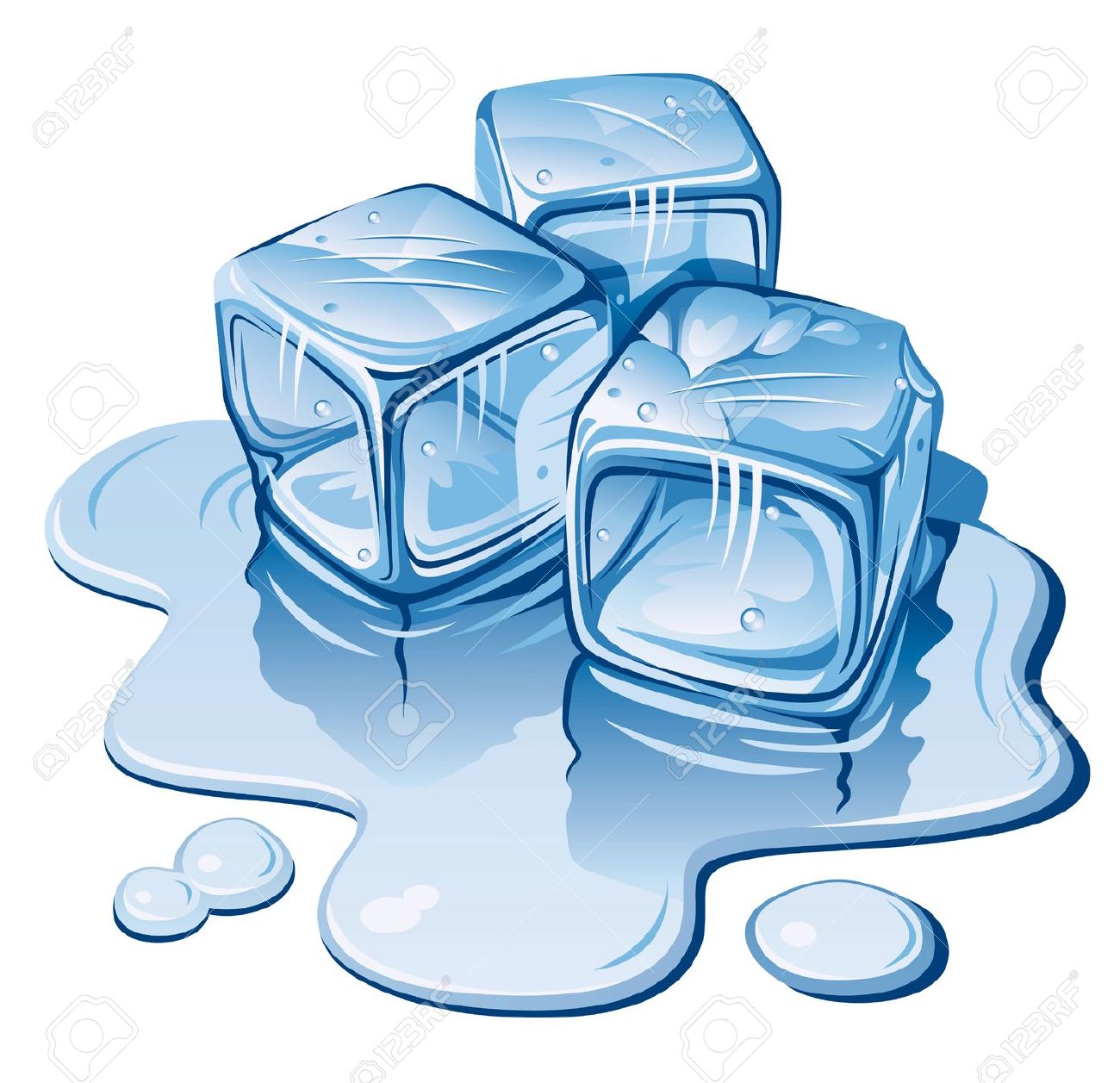

The attraction between particles gives solids a definite
shape and volume
shape and color
shape and position
flow and radius
The temperature at which a solid begins to liquefy is its ______ point.
freezing
boiling
melting
mass
The amount of energy required for a liquid at its boiling point to become a gas is _____________.
heat of fusion
heat of vaporization
transpiration
freezing point
Which of the following is a state of matter?
particle
thermal
plasma
diffuse
When the temperature of a substance is lowered, its particles
vibrate more quickly
stop vibrating completely
escape the attractive forces of the other particles
vibrate more slowly
When a gas becomes a liquid it is called
condensation
evaporation
sublimation
freezing
Molecules in a __________ have very little movement and the object keeps its shape and volume.
solid
liquid
gas
Does liquid have one solid shape
no
yes
maybe



