
 Worksheets
First Semester Biology Review
Total questions: 133
Worksheet time: 1hrs 19mins

The Punnett square shows a cross between a homozygous dominant genotype for eye color and a heterozygous genotype for eye color. Which conclusion can be drawn from the Punnett square above?
The parents will have four offspring
All of the offspring will be homozygous dominant
Only two of the offspring will have the same eye color
All of the offspring will have the same eye color
In cocker spaniels the allele for a black coat color (B) is dominant over the allele for a brown coat color (b).
If a brown cocker spaniel is crossed with a homozygous black cocker spaniel, which of the following genotypic ratios can be expected?
DRAW A PUNNETT SQUARE!!
0 BB: 2 Bb: 2 bb
1 BB: 2 Bb: 1 bb
0 BB: 4 Bb: 0 bb
2 BB: 1 Bb: 0 bb
In humans blood type is determined by the A, B, and O alleles. The A and B alleles are codominant to each other and dominant over the O allele. An individual with the BO genotype and an individual with the OO genotype can produce offspring with which of the following phenotypes?
O only
A or B only
B or O only
A, B, or O only

2 In cattle the allele for cloven hooves (H) is dominant over the allele for mule-foot hooves (h). The phenotype for each trait is shown in this picture. What is the probability of mule-foot hooves in the offspring If one parent is homozygous recessive and the other is heterozygous?
25%
50%
75%
100%

The Punnett square shows a cross between an animal that is heterozygous for the dominant trait of having horns and an animal that is homozygous recessive and has no horns. What percentage of the offspring from this cross will not have horns?
25%
50%
75%
100%
Sexual reproduction in animals depends on the production of gametes. Which of these processes produces gametes in animals?
Mitosis
Fertilization
Meiosis
Binary fission

The diagram shows a cell during Meiosis I. There are two different images showing the different ways chromosomes could possibly line up in the parent cell during Metaphase I What is significant about the particular stage of Meiosis I that the scientist had sketched in their journal?
allows new allele combinations
cell maintains the same amount of DNA
produces 4 sex cells
causes gene mutations
Why is it important to reduce the number of chromosomes in half when forming gametes for sexual reproduction?
Gametes have a single function which requires less DNA to perform the function compared to somatic cells
A reduction in the number of chromosomes reduces the chances for mutations that would affect the offspring
The offspring will have the correct number of chromosomes when the sperm and egg are joined
The chromosomes in gametes are already replicated strands of DNA which returns the number of chromosomes to the original amount
The form of cell division in which the number of
chromosomes is halved to produce gametes is known as —
mitosis
centrioles
meiosis
cytokinesis
Compared with mitosis, the process of meiosis results in daughter cells that are —
diploid cells with the same number of chromosomes as the parent cells
diploid cells with a smaller number of chromosomes than the parent cells
haploid cells with the same number of chromosomes as the parent cells
haploid cells with a smaller number of chromosomes than the parent cells

A teacher prepared a dihybrid cross Punnett square and a key to dominant and recessive traits. What would be the appearance of the offspring for the genetic combination labeled X?
Tall, round
Short, wrinkled
Short, round
Tall, wrinkled
In a population of wild cats, long legs are dominant over short legs. Wild cats with long legs are —
heterozygous only
homozygous dominant only
heterozygous or homozygous recessive
heterozygous or homozygous dominant
Having freckles is a dominant trait in humans. A girl has freckles, but her brother does not.
What genotypes would the parents need to have to make this possible?
FF and FF
ff and ff
Ff and Ff
FF and ff

INCREASES GENETIC VARIATION
TAKES PLACE IN PROPHASE I
CROSSING OVER
ALL ARE TRUE

CROSSING OVER INCREASES
LIFE SPAN
GENETIC VARIATION
THE NUMBER OF OFF-SPRING
ALL ARE TRUE
WHAT TYPE OF CELLS STORE THE GENETIC INFORMATION THAT IS PASSED TO OFF-SPRING
BODY CELLS
MITOSIS
EGG
SPERM
EGG AND SPERM
MEIOSIS
REDUCES THE NUMBER OF CHROMOSOMES BY ONE HALF
PRODUCES UNIQUE SEX CELLS-1N
ALLOWS TRAITS TO BE PASSED TO OFFSPRING
ALL ARE TRUE
INCREASE GENETIC VARIATION
MITOSIS
INCREASES GENETIC VARIATION
ALLOWS TRAITS TO BE PASSED ON TO OFFSPRING
PRODUCES 2 IDENTICAL DAUGHTER CELLS
ALL ARE TRUE
MEIOSIS PRODUCES 4 CELLS-THE CHROMOSOME NUMBER IS ...
DIPLOID
HAPLOID
NORMAL HUMANS HAVE 46 CHROMOSOMES, HOW MANY CHROMOSOMES WILL THE GAMETES HAVE AFTER MEIOSIS?
46
23
12
92


A teacher prepared a dihybrid cross Punnett square and a key to dominant and recessive traits. What would be the appearance of the offspring for the genetic combination labeled X?
Tall, round
Short, wrinkled
Short, round
Tall, wrinkled
(Grey fur (G) is dominant over white fur (g) and Black eyes (B) are dominant over red eyes(b))
A male rabbit GGbb crossed with a female rabbit with ggBb.
How many out of 16, have grey fur and black eyes?
4
8
12
16
(Grey fur (G) is dominant over white fur (g) and Black eyes (B) are dominant over red eyes(b))
A male rabbit GGbb crossed with a female rabbit with ggBb.
How many out of 16, have grey fur and black eyes?
4
8
12
16
A teacher prepared a dihybrid cross Punnett square and a key to dominant and recessive traits. What is the correct genetic combination of offspring X?
TTRR
ttrr
TtRr
TRtr
(Grey fur (G) is dominant over white fur (g) and Black eyes (B) are dominant over red eyes(b))
A male rabbit GGbb crossed with a female rabbit with ggBb.
What percentage have Grey fur and red eyes
25
50
75
100
0

What is the name of the process in the diagram.
metaphase
mitosis
meiosis
mycosis
Refer to the diagram. Arrange the stages of mitosis in order.
I, II, III, IV, V, VI
VI, II, I, IV, V, III
III, VI, I IV, II, V
V, III, IV, I, II, VI
Refer to the diagram. What is occurring within the cell labeled II?
a cleavage furrow is forming to divide the cell into two daughter cells
DNA is replicated so there are two copies of each chromosome in each daughter cell
chromatin is condensing to form visible chromosomes
the spindle is attaching to chromatids to move them to the middle
Which stage of the cell cycle in the diagram above shows the formation of spindle fibers and chromatin condensing into chromosomes?
I
III
IV
VI
What is the purpose of mitosis
each daughter cell has half the amount of DNA of parent cells
new nuclei have an exact copy of DNA
reproduction of mitochondria and chloroplasts
prevents the occurrence of cancer cells
In order for a cell to successfully divide, the cell must first:
duplicate its genetic information
decrease it's volume
increase in size
decrease it's number of organelles
Sister chromatids are attached to each other at an area called
centriole
centromere
spindle
chromosome
If a cell has 22 chromosomes, how many chromosomes will each of it's daughter cells have after cytokinesis during mitosis?
8
11
22
24

Where does DNA replication occur?
G1
S
G2
M
What occurs at G1?
chromatin condenses to form chromosomes
cleavage of cytoplasm and formation of cell plate
period of growth and development between mitotic divisions
nuclear membrane, nucleolus and chromatin fade
The cell cycle has checkpoints built in to ensure that each cell has met certain criteria before being allowed to move to the next stage. What happens prior to the cell being allowed to enter the G2 stage of the cell cycle?
the cell makes RNA
the nucleus divides
DNA replication occurs
the chromosomes align
What part of the cell clycle results in daughter cells?
mitosis
prophase
cytokinesis
G2 checkpoint
During prophase, chromosomes become visible, the spindle forms and the nucleolus and nuclear envelope disappear. In which cellular process does prophase occur?
mitosis
DNA replication
interphase
growth phase
What kind of cells most likely result from uncontrolled growth due to mutations in genes that control the cell cycle?
nerve cells
bone cells
cancer cells
cardiac cells

During the cell cycle, normal cells exit the G1 phase and enter the G0 phase where they rest. Typically, cells will reenter the cycle at G1 prior to going on to S phase. However abnormal cells such as cancer cells may not be allowed to enter the G0 phase to rest. As a result, these cells will most likely -
mutate during G2 phase
continuously repeat the cycle
die after DNA replication
fail to complete mitosis
Which of the following processes is mort likely affected by cancer drugs
cellular respiration
transport of molecules
cell differentiation
cellular division
As cancerous cells multiply uncontrollably, abnormal tissue masses form. These masses of tissue are called -
tumors
cell bags
alveoli
metastasize
Which of the following structures do plant cells have that animal cells do not?
vacuoles and cell membranes
chloroplasts and mitrochondria
chloroplasts and cells walls
cell walls and cell membranes

Which phase of mitosis is occurring in the cell indicated by the arrow?
prophase
metaphase
anaphase
telophase
Cells pass through a G2 checkpoint before entering mitosis. Ideally, if DNA damage is detected, the cells do not enter mitosis until the damage is repaired. Why is DNA damage repaired before cells enter mitosis?
so that another round of DNA synthesis does not have to take place
So that the chromosomes can align a the metaphase plate during mitosis
So that the cytoplasm can be divided equally between the two daughter cells
so that healthy daughter cells are produced, allowing the organism to continue growing

Fruit fly body cells have 8 chromosomes. After mitosis, you would expect a resulting fruit fly daughter cell to have ...
16 chromosomes.
46 chromosomes.
8 chromosomes.
4 chromosomes.


which phases are in mitosis ?
interphase
prophase
metaphase
cytokinesis
anaphase

Which stage of the Life Cycle of the cell is this cell in (look close-the DNA hasn't formed Chromosomes (X) yet)
Interphase
Prophase
Anaphase
Telophase
Which of the following is the correct order of the Cell Cycle?
Interphase, Mitosis, Cytokinesis
Mitosis, Cytokinesis, Mitosis, Interphase
Prophase, Metaphase, Anaphase, Telophase
Interphase, Prohase, Cytokinesis


What do aerobic and anaerobic cellular respiration have in common?
Both are ways cells obtain or use energy
Both require oxygen to break molecular bonds
both processes occur in all living organisms
both produce relatively equal amounts of ATP
How does the respiration of a person change as they are running (beginning to end of run)?
At the beginning of the run, the cells perform aerobic respiration, but it changes later in the run to anaerobic respiration when the oxygen is decreased in the body.
At the beginning of the run, the cells perform anaerobic respiration, but it changes later in the run to aerobic respiration when the oxygen is increased in the body.
At the beginning of the run, the cells perform aerobic respiration, but it changes later in the run to anaerobic respiration when the oxygen is increased in the body.
At the beginning of the run, the cells perform anaerobic respiration, but it changes later in the run to aerobic respiration when the oxygen is decreased in the body.
Photosynthesis and cellular respiration differ in which of the following ways?
the energy conversion in cellular respiration takes place in the chloroplast
the main source of energy in cellular respiration is glucose
the main source of chemical energy in cellular respiration is water
the final product of cellular respiration is electromagnetic radiation
during cellular respiration in mitochondria, the organelle breaks down glucose to release chemical energy. How is the chemical energy used?
the chemical energy is used to form ATP bonds
the chemical energy is used to form more glucose
the chemical energy is converted into carbon dioxide
the chemical energy is converted into oxygen
What occurs inside a cell while it performing the process of respiration?
sugar is broken down to generate ATP molecules that are used for energy
the negative charge inside of the cell is used to increase the concentration of chemicals inside the cell
light reactive chemicals combine carbon dioxide and water to form glucose molecules that are stored as food
the cell membrane forms around air bubbles to create a vacuole that is used to separate the oxygen from the rest of the air
What occurs inside a cell while it performing the process of photosythesis?
sugar is broken down to generate ATP molecules that are used for energy
the negative charge inside of the cell is used to increase the concentration of chemicals inside the cell
light reactive chemicals combine carbon dioxide and water to form glucose molecules that are stored as food
the cell membrane forms around air bubbles to create a vacuole that is used to separate the oxygen from the rest of the air

Identify the cell organelle at X
ribosome
mitochondrion
cell membrane
endoplasmic reticulum
Identify the cell organelle and process
ribosome, protein synthesis
chloroplast, photosynthesis
chromosome, DNA replication
mitochondrion, respiration

What cellular process is occurring in the organelle labeled A?
photosynthesis
cellular respiration
chemosynthesis
protein synthesis

Identify the structures and processes at T and V
T - ribosome, protein synthesis: V - nucleus, cell cycle
T - chloroplast, photosynthesis; V - vacuole, glucose storage
T - chloroplast, photosynthesis; V - mitochondrion, respiration
T - golgi apparatus, packaging macromolecules; V - lysosomes, digestion of organelles
Identify substances which best complete the diagram at U and Y
U - H2O + CO2 ; Y - C6H12O6 + O2
U - CO2 + O2 ; Y - C6H12O6 + H2O
U -C6H12O6 + O2 ; Y - H2O + CO2
U - C6H12O6 + CO2 ; Y - H2O + CO2
food provides the human body with all of the following except -
calories
nutrients
oxygen
water
The compound synthesized during photosynthesis is -
H2O
C6H12O6
CO2
O
Which type of cell contains a nucleus and other membrane-bound organelles?
eukaryotic
prokaryotic
virus
homokaryotic
A cell is described as having mitochondria, ribosomes, reproducing by meiosis, and performing photosynthesis. What type if cell is it?
bacteria
prokaryote
virus
eukaryote

What type of cell is pictured?
animal cell
plant cell
bacteria cell
virus cell
Which of the following can be found in both prokaryotes and eukaryotes?
mitochondrion
nucleus
chloroplast
nucleic acid
What structure in plant cells makes them less flexible than animal cells?
vacuole
cell wall
chloroplast
cell membrane

What organelle is shown as number 2?
Golgi body
Chloroplast
Nucleus
Mitochondria
Which of the following would provide the best evidence that a cell is eukaryotic?
chromosomes
internal membranes
carbohydrates
cell walls
Some ribosomes are attached to the endoplasmic reticulum. What do they do for the cell?
breakdown waste material
conversion of radiant energy to glucose
synthesis of new proteins
replication of nucleic acid

This diagram shows cellular activity across a cell membrane. Which processes does this diagram model?
Energy conversions and synthesis of new molecules
Synthesis of new molecules and homeostasis
Transport of molecules and energy conversions
Homeostasis and transport molecules
A student performed an experiment where corn starch was poured into tubing and the ends were tied. The tubing was then dropped into a beaker of iodine solution. After 10 minutes the starch turned black. What cellular structure was the tubing representing?
cell wall
cell membrane
vacuole
nucleus
What organelle is shown as number 1?
Golgi body
Chloroplast
Nucleus
Mitochondria
Diffusion and osmosis are similar because they are both types of
protein synthesis processes
passive transport processes
cellular replication processes
cellular metabolism processes
Which of the following cell processes would stop first if all the ribosomes in a cell were suddenly destroyed?
active transport
protein synthesis
cellular respiration
intracellular digestion
Which structure does not belong in a prokaryotic cell?
DNA
nuclear membrane
phospholipid membrane
cytoplasm
Which process would be affected if the structure labeled 3 was destroyed?
photosynthesis
reproduction
respiration
transport
How does the cell membrane help a to maintain the health of a cell?
by providing support and structure for the cell
by regulating the transport of materials in and out of the cell
by manufacturing protein to provide energy for the cell
by storing food as future energy for the cell
Which of the following best explains the process in the illustration?
passage of water molecule through a semipermeable membrane to create equilibrium
Transportation of molecules across the membrane from high to low concentration gradient by a protein channel
Movement of molecules against the concentration gradient expending energy
separation of suspended particles from a fluid environment through a porous membrane
Due to environment conditions the water concentration outside the cell becomes lower than the water concentration inside the cell (drought). How would the cell most likely respond to maintain homeostasis?
The cell would fill with water
The cell would release water
the cell would increase the production of salt
the cell would decrease the production of salt
Which of the following is the best description of osmosis?
oxygen transfers into red blood cells through gaps in the cell membrane
large molecules are brought into the cell by wrapping the chell membrane around the molecule to form a vacuole
water moves across the cell membrane from high to low concentration
the membrane's proteins provide a pathway for large particles to move across the cell membrane and bring the cell to equilibrium
Which are names for the large organic molecules that are found in all living things?
Biomolecules
Micromolecules
Macromolecules
Gigamolecules
What do we call the building blocks of biomolecules?
elements
monomer
function
crumbling
What is the monomer for carbohydrates?
Monosaccharide
Amino Acid
Glycerol and fatty acid
Nucleotide
Which of the following elements are found in all four biomolecules?
Oxygen
Nitrogen
Carbon
Phosphorus
Hydrogen
Which macromolecule is responsible for Quick energy?
Carbohydrate
Lipid
Protein
Nucleic acid
What type of biomolecule would cookies be considered?
Carbohydrates
LIpids
Proteins
Nucleic Acid
Which macromolecule has the monomer amino acid?
Carbohydrate
Lipid
Protein
Nucleic Acid
Which macromolecule is responsible for growth and repair
Carbohydrate
Lipid
Protein
Nucleic acid
Which of the following would be the best example of a protein?
Butter
Steak
Bread
Strawberries
Which biomolecule provides long term storage and insulation?
Carbohydrate
Lipid
Protein
Nucleic Acid
Which biomolecule would starch and glucose be considered?
Carbohydrates
Lipids
Proteins
Nucleic acids
Which biomolecule would DNA be considered?
Carbohydrates
Lipids
Proteins
Nucleic acids
Which type of macromolecule has the monomer nucleotide?
Carbohydrate
Lipid
Protein
Nucleic Acid
Which is used to make cell walls (cellulose)?
Carbohydrate
Lipid
Protein
Nucleic Acid
Which is used to make muscle and hair?
Carbohydrate
Lipid
Protein
Nucleic Acid
Which biomolecule is made from glycerol and fatty acid?
Carbohydrate
Lipid
Protein
Nucleic Acid
Which biomolecule stores genetic information?
Carbohydrate
Lipid
Protein
Nucleic Acid
Which biomolecule is used to make cell membranes?
Carbohydrate
Lipid
Protein
Nucleic Acid

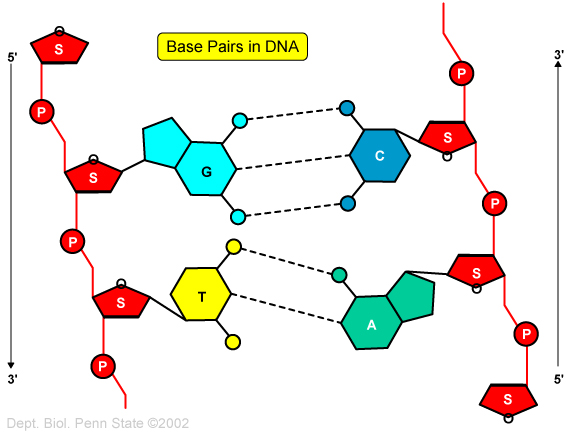
What type of biomolecule is seen in this picture?
Carbohydrate
Lipid
Protein
Nucleic Acid

What type of biomolecule is seen in this picture?
Carbohydrate
Lipid
Protein
Nucleic Acid

What type of biomolecule is seen in this picture?
Carbohydrate
Lipid
Protein
Nucleic Acid

What type of biomolecule is seen in this picture?
Carbohydrate
Lipid
Protein
Nucleic Acid

What type of biomolecule is seen in this picture?
Carbohydrate
Lipid
Protein
Nucleic Acid

