
 Worksheets
Organic molecules revision 10d
Total questions: 133
Worksheet time: 3hrs 20mins
The D in DNA stands for
double stranded
deoxyribo
denature
dicarbo
DNA is copied during
During cell division
All the time
During protein production
Which of the following is NOT part of a nucleotide
sugar
phosphate
nitrogen base
amino acid
Adenine pairs with
Thymine
Thyme
Guanine
Glutamine
The backbone of DNA is made of
base pairs
sugars and phosphates
only sugars
only phosphates
The two strands of DNA are held together with
covalent bonds
hydrogen bonds
nothing
If a DNA molecule has 30% Guanine bases, how many Cytosine bases will it have?
30%
25%
20%
10%
One function of DNA is to
code for proteins
code for lipids
code for carbohydrates
The first step in DNA replication is
to unwind and unzip the two strands
to break the backbone in half so the sequence can be copies
to attach new nucleotides
to proof read the sequence
What does semiconservative replication mean?
that the DNA is proof read at the end of the process
that the newly made DNA has one strand from the original DNA and one new strand
that the newly made DNA will send half of its strand to one cell and leave the old strand in the original cell
that the original DNA strands come back together after replication is over
Bacteria DNA looks the same as human DNA structurally speaking
True
False
Human gene can be placed into a bacteria. The bacteria can then use it to make a human protein like hair.
True
False

Which is this picture showing?
Protein synthesis
DNA replication
Gene editing

What is the name of this?
DNA
deoxyribose sugar
nucleotide
nitrogenous base
The DNA sequence is TTA CCG What is the complementary sequence?
TTA CCG
AAT GGC
GGC AAT
The DNA sequence is ATG what is the complementary sequence?
ATG
GTA
TAC
What does the term antiparallel refer to?
the two strands are connected upside down
the the DNA is made of two strands
DNA twists
DNA copies itself from bottom up to the top of the strand
The backbone is held with covalent bonds so the
sequence doesn't get out of order
base pairs don't separate
Semiconservative replication is how DNA reproduces. What does it mean
DNA will only partially copy itself
One strand is kept as a template to build the other new strand
One strand is upside down to the other strand.
One strand is made of DNA while the other strand is made of proteins
Which of the following are the bases for RNA?
adenine, uracil, thymine, and guanine
adenine, uracil, guanine, and cytosine
adenine, thymine, guanine, and cytosine
adenine, uracil, thymine, and cytosine
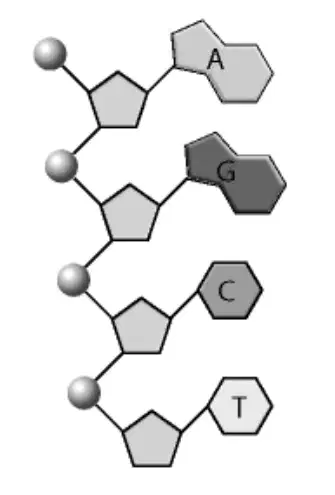
The correct nucleotide match for DNA Replication from bottom to top would be (a)
Match the following parts of DNA

Deoxyribose
Sugar

Nitrogen Base

Phosphate Group

Nucleotide
Which of the following are found in both DNA and RNA?
Ribose, Phosphate groups, and Adenine
Deoxyribose, Phosphate groups, and guanine
Phosphate groups, guanine, and cytosine
Phosphate groups, guanine, and thymine

There are 64 codons and 20 amino acids. Which of the following is true?
Several different codons can specify the same amino acid.
Each codon specifies a different amino acid.
Some amino acids have no link to a codon
Each amino acid is specified by only one codon

During translation, the type of amino acid that is added to the growing polypeptide depends on the
codon on the rRNA and the anticodon on the rRNA
anticodon on the mRNA and the anticodon on the tRNA
anticodon on the rRNA and the codon on the mRNA
codon on the mRNA and the anticodon on the tRNA
What is the order of protein synthesis?
DNA transcribes to mRNA
mRNA moves out of the nucleus to the cytoplasm
mRNA binds to the rRNA
mRNA codon's bond to the tRNA's anticodons to form amino acids
amino acids build into proteins in the cytoplasm
ATG TGA CAG
Carbohydrates that contain 10 monosaccharide units or more are called__________________ .
Disaccharides
saccharide
polysaccharides
monosaccharides
How does the body use carbohydrates?
The body breaks it down and converts it into glucose which your body uses as energy
The body coverts it to protein to use when needed
The body breaks it down and uses it to build and repair body tissue
The body uses it to help transport vitamins and minerals throughout the body
None of the above are true about how the body uses carbohydrates
Monosaccharide
One unit of sugar
Disaccharide
2 Units of sugar paired
Polysaccharide
chains of sugar,could have branches
Glucose
Monosccharide
Starch
Polysaccharide
Lactose
Disaccharide
What is the monomer that makes up carbohydrates?
Monosaccarides
Fatty Acids
Amino Acids
Nucleotides
Cellulose, starch and glycogen are examples of:
monosaccharides
disaccharides
lipids
polysaccharides

What is the following molecule?
alpha glcuose
beta glucose
amino acid
disaccharide
Glucose, fructose and galactose are examples of:
monosaccharides
disaccharides
lipids
polysaccharides
Sucrose, maltose and lactose are examples of:
monosaccharides
disaccharides
lipids
polysaccharides
Sucrose
Glucose + fructose
Lactose
Glucose + galactose
Maltose
Glucose + glucose
Which polysaccharide is used by plants to store glucose?
glycogen
cellulose
starch
chitin
What is the polysaccharide used by animals to store glucose?
glycogen
fructose
starch
cellulose
Which polysaccharide is used by plants to make their cell wall?
starch
glycogen
cellulose
chitin

Which of the following elements are found in all macromolecules? (Select all that apply).


Nucleic acids make up which of the two molecules listed below?
FDA
RNA
DNA
FDR

What COLOR is the "Enzyme" in this picture?
Green
Blue
Black

carbohydrate

lipid

protein
Match the MACROMOLECULES and their MONOMERS.
Hint: Monomer = a single unit
carbohydrate
monosaccharide
lipid
fatty acid & glycerol
protein
amino acid
nucleic acid
nucleotide
Match the following MONOMERS and MACROMOLECULES

Nucleic Acid

Protein

Lipid

Carbohydrate
An enzyme is a ______________.
carbohydrate
lipid
nucleic acid
protein
Which macromolecule gives LONG-TERM energy?
lipid
carbohydrate
nucleic acid

Monosaccharides are the monomers of which macromolecules?
Carbohydrates
Lipids
Proteins
Nucleic Acids

What type of macromolecule is this?
A polysaccharide
a fatty acid
an amino acid
a nucleotide

What is true about this macromolecule?
It is a saturated triglyceride
it is an unsaturated triglyceride
It is likely from an animal fat, like butter
It is likely from a plant fat, like olive oil
Which of the following macromolecules provides structure in plants?
Carbohydrates
Lipids
Proteins
Nucleic Acids
Match the following macromolecule to the image

Carbohydrate

Lipid

Protein

Nucleic Acid
Which of the following is a function of lipids?
stores energy
provides energy
structure in plants
waterproofs surfaces
makes cell membranes
Which of the following is a polysaccharide?
Starch
Glucose
Enzymes
RNA
Wax is a highly hydrophobic lipid polymer. What is it's main function?
Make cell membranes
Waterproof surfaces
Provide Energy
Part of the immune system
Stores genetic instructions

Which of the following elements is not needed to make an amino acid, and thus a protein?
Carbon
Hydrogen
Sodium
Nitrogen
Oxygen
Select all of the following that are proteins:
Antibodies
Enzymes
Keratin
Fructose
Fatty Acids

What happened to the protein?
It was polymerized
It was denatured
It was unsaturated
It was saturated

Which macromolecule monomer is shown?
lipid
protein
nucleic acid
carbohydrate
What is the function of nucleic acids?
Long Term Energy Storage
Structure in plants
Store and Transmit Genetic Information
Forms animal structures like hair and skin
Which of the following is an example of a nucleic acid polymer?
Starch
Triglyceride
Keratin
Ribonucleic Acid
What are the building blocks of lipids?
Monosaccharides
Amino Acids
Fatty Acids
Nucleotides

Which part of the cell produce proteins?
mitochondria
ribosome
nucleus
vacuole
This are fatty deposits/ build up in your arteries that causes atherosclerosis. These deposits are made up of cholesterol, fatty substances, cellular waste products, calcium and fibrin (a clotting material in the blood). As it builds up, the wall of the blood vessel thickens.
Flake
Plaque
Cavity
Lump

Triglycerides are
Natural fats and lipid
Oil and natural fats
Lipid and oil

What is the label 1?
phosphate
hydrophobic tail
glycerol
hydrophobic head

Which label is the phospholipid bilayer ?
Y
X
Z

Three main types of lipids
triglycerides
phospholipids
waxes
all of the above

Which molecule makes up the basic structure of a cell membrane?
carbs
lipids
proteins
nucleic acids
Which of the following are examples of lipids (check all that apply)?
cellulose
fats
starch
oils
waxes
Many monomers bond together to form _____________ through the process of ________________________.
dimers, dehydration synthesis
polymers, dehydration synthesis
polymers, hydrolysis
dimers, hydrolysis
How can you tell if a chemical formula is a lipid or a carbohydrate?
only carbohydrates have carbon, hydrogen, and oxygen
carbohydrates will have a 1 carbon to 1 water molecule ratio
only lipids have carbon, hydrogen, and oxygen
you can't tell the difference, because they both have carbon hydrogen, and oxygen.

This molecule is a ____________.
carbohydrate
nucleic acid
protein
lipid
The characteristic that all lipids have in common is ______.
made of lots of double bonds
acidic when mixed with water
no high energy content
do not dissolve in water

These are examples of
carbohydrates
lipids
proteins
nucleic acids
What is the storage(s) form of carbohydrate found in mammals?
Glucose and glycogen
Glycogen
starch
Fiber and glycogen

Which type of Amino Acids can not be produce by the body, so you must get them from foods with protein.
Essential Amino-Acids
Non-Essential Amino Acids
These are the building blocks of proteins.
Monosaccharides
Amino acids
Fatty Acids
Nucleotides
What is the monomer or building block of proteins?
glucose
nucleotides
amino acids
lipids
Strawberries
Bread
Pasta
Pork
Which of the following are differences in the structure between RNA and DNA
DNA uses deoxyribose sugar, RNA uses sugar ribose
DNA pairs Adenine with Uracil, RNA pairs Adenine with Thymine
DNA is a double helix, RNA is a single helix
DNA pairs Adenine with Thymine, RNA pairs Adenine with Uracil
During translation, this type of ribonucleic acid is responsible for delivering amino acids to help make a protein.
mRNA
rRNA
tRNA
dRNA
How many amino acids are found on one tRNA?
20
4
1
3
The mRNA reads UAG, what will the tRNA carry?

The mRNA reads CCA: what amino acid will the tRNA be carrying?

the bond that loosely hold together the nitrogenous bases on each strand of DNA
covalent
ionic
hydrogen
james
All amino acids have the same basic structure. Which part of the amino acid makes each each one unique?
amino group
carboxyl group
R-group (side chain)
Dehydration synthesis is the reaction that occurs, allowing amino acids to bond. What happens during this process?
add water to build a bond
add water to break a bond
remove water to build a bond
remove water to break a bond
What happens during transcription?
a new strand of DNA is made
a mRNA strand is made from a DNA template
an amino acid chain is made from a mRNA strand
The ribosome reads the mRNA in sets of three bases called the:
anticodon
codon
amino acid
Which protein transports oxygen through the bloodstream and carbon dioxide out of the bloodstream.
Hemoglobin
Amino Acids
Actin
Gluten
Through dehydration synthesis two or more amino acids are linked together by
a ionic bond
a polar covalent bond
a nonpolar covalent bond
peptide bond

Which of the following is not an enzyme?
Maltase
Maltose
Lactase
Sucrase
Haemoglobin is a quartenary protein because;
It has more than one peptide bonds
Its shape is globular
It consists of more than one polypeptide chains
It has iron in each heme group

Based on the diagram, the side chain of amino acid alanine is;
NH2
COOH
H
CH3
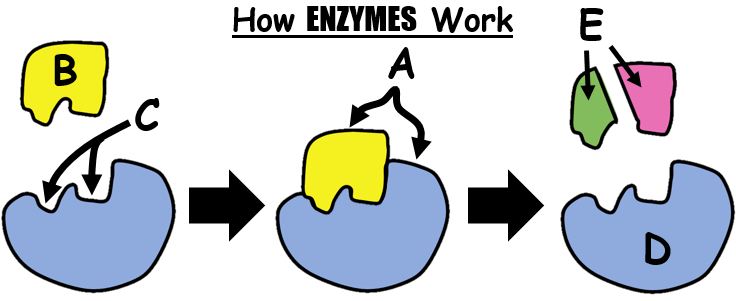
Label the parts of the reaction using the list provided below.
product
substrate
active site
enzyme (pre)
enzyme (post)
An enzyme is a type of molecule that speeds up chemical reactions, which is referred to as a/an –
Inhibitor
Catalyst
Reactant
Product
Circle the enzyme

Circle the substrate
Enzymes can denature (change shape) when the temperature gets too high.
Enzymes can only be used once in a chemical reaction.
Extreme pH can denature enzymes.
Enzymes speed up chemical reactions.

What happens to the pepsin enzyme in alkaline conditions
The reaction rate increases
The enzyme collides with more substrate
The enzyme will denature and no longer work
The shape of the enzyme does not change and still has activity
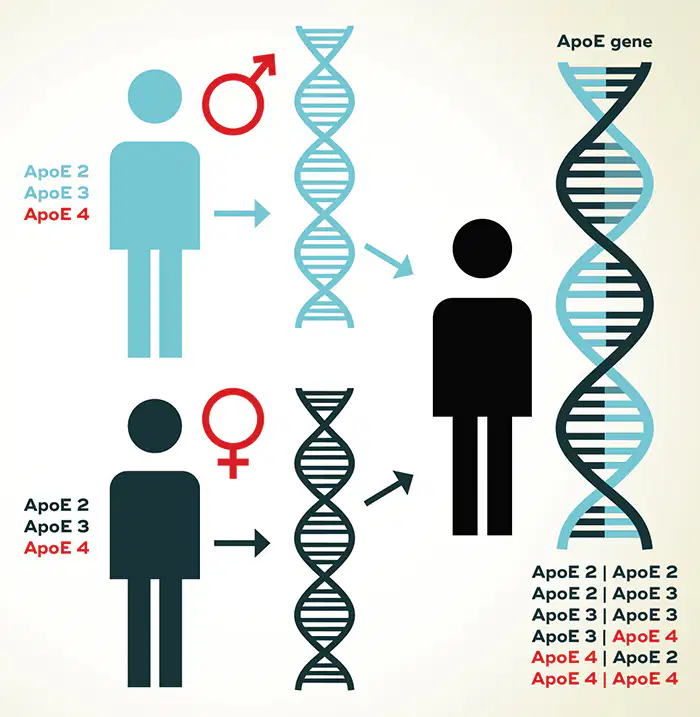
Sickle cell anemia is a (a) disease that affects the red (b) cells and is the result of two (c) genes.


