
 Worksheets
Anatomy Midterm Review
Total questions: 129
Worksheet time: 1hrs 18mins
Name
Class
Date
1.

What is A
a)
Myofibril
b)
Sarcomere
c)
M Line
d)
Bare zone
2.
What is E
a)
Z Disc
b)
Dark Band
c)
Sarcomere
d)
Bare Light Band
3.
What is D
a)
Z Disc
b)
Dark Band
c)
Sarcomere
d)
Bare Light Band
4.
Which of the following offers the human body initial protection from disease-causing organisms?
a)
the stomach
b)
the brain
c)
the skin
d)
the intestines
5.
lateral means
a)
farther from the body midline.
b)
closerto the surface
c)
towards the body midline
d)
closer to the nugget
6.
The brain is ___ to the spinal cord
a)
Inferior
b)
medial
c)
superior
d)
inferior
7.
the lungs are ____ to the heart
a)
lateral
b)
inferior
c)
superior
d)
medial
8.
Another word for back is
a)
superior
b)
anterior
c)
posterior
d)
medial
9.
Another word for front is
a)
anterior
b)
posterior
c)
superior
d)
inferior
10.
Elbow is ______________ to the phalanges
a)
proximal
b)
distal
11.
A __________________ plane divides the body into superior and inferior
a)
medial
b)
frontal
c)
transverse
d)
coronal
12.
A __________________ plane divides the body into right and left
a)
medial
b)
frontal
c)
transverse
d)
coronal
13.
Farther from the midline of the body.
a)
Anterior
b)
Posterior
c)
Lateral
d)
Inferior
14.

What body system consists of the kidneys?
a)
Circulatory
b)
Urinary
c)
Digestive
d)
Muscular
15.
Which system uses hormones to send slow acting responses to stimuli?
a)
Integumentary
b)
Urinary
c)
Endocrine
d)
Lymphatic
16.
Which of the following planes divides the body into anterior and posterir sections?
a)
transverse
b)
frontal
c)
laterial
d)
medial
17.
The elbow is ____ to the pectoral girdle.
a)
Proximal
b)
Inferior
c)
Distal
d)
Lateral
18.
Which system is the heart in?
a)
Lymphatic
b)
Digestive
c)
Cardiovascular
d)
Integumentary
19.
Which system are the lungs in?
a)
respiratory
b)
digestive
c)
urinary
d)
integumentary
20.
Which system is the stomach in?
a)
respiratory
b)
digestive
c)
nervous
d)
integumentary
21.
Which system's main function is to create movement of the body?
a)
muscular
b)
digestive
c)
skeletal
d)
integumentary
22.

Elimination of waste and regulation of electrolytes is performed by which system?
a)
Skeletal
b)
Urinary
c)
Digestive
d)
Endocrine
23.
In the anatomical position, the palms are facing-
a)
forward
b)
backward
24.
Tendency of the body to maintain a stable, balanced internal environment
a)
homeostasis
b)
thermoregulation
c)
metabolism
d)
peristalsis
25.
This system includes testes and ovaries
a)
urinary
b)
digestive
c)
reproductive
d)
skeletal
26.
This system includes kidneys, ureters, and bladder
a)
reproductive
b)
urinary
c)
digestive
d)
respiratory
27.
This system includes heart, blood and blood vessels. It transports materials throughout the body.
a)
Respiratory
b)
Cardiovacular
c)
Endocrine
d)
Lymphatic
28.
This system includes mouth, teeth, pharynx, stomach, small intestine. Responsible for breakdown of food into smaller molecules that can be absorbed and used by the body.
a)
Respiratory
b)
Reproductive
c)
Digestive
d)
Uinary
29.
This system includes glands such as pituitary, adrenal, thyroid, pancreas, ovaries and testes. The function of this system is to secrete hormones for communication between body parts.
a)
Skeletal
b)
Digestive
c)
Endocrine
d)
Reproductive
30.
This system includes the brain, spinal cord and nerves. Its function is communication throughout the body, mental activities, and maintaining homeostasis.
a)
Muscular
b)
Nervous
c)
Integumentary
d)
Urinary
31.
This system's functions include movement, maintenance of posture, and production of body heat.
a)
skeletal
b)
respiration
c)
muscular
d)
digestive
32.
This system's functions include support, movement, protection, and production of blood cells.
a)
muscular
b)
skeletal
c)
cardiovascular
d)
integumentary
33.
This system includes the body covering, nails, sweat glands. Functions of this system include protect underlying tissues, regulate body temperature.
a)
Integumentary
b)
Muscular
c)
Skeletal
d)
Cardiovascular
34.
study of the structure of the body
a)
physiology
b)
anatomy
35.
study of the processes or functions of living things
a)
anatomy
b)
physiology
36.
basic living units of humans
a)
chemicals
b)
organelles
c)
cells
d)
tissues
37.
What is the function of nucleic acids?
a)
Stores energy
b)
Stores genetic information
c)
Movement
d)
Physical structure
38.
Phospholipids are used in what biological structure?
a)
RNA
b)
DNA
c)
Cell membrane
d)
Cell wall
39.
Oils are which type of macromolecule?
a)
carbohydrates
b)
lipids
c)
nucleic acids
d)
proteins
40.
Which macromolecule is made of simple and complex sugars?
a)
lipids
b)
proteins
c)
carbohydrates
d)
nucleic acids
41.

Fish, nuts, oils and avocado are healthy sources of....
a)
Fiber
b)
Protein
c)
Minerals
d)
Fat
42.

This essential nutrient helps repair skin and build muscle.
a)
Carbohydrates
b)
Protein
c)
Water
d)
Fat
43.
Janet is getting ready for her soccer game, which nutrient will give her body the main fuel for her game?
a)
Fat
b)
Water
c)
Multi-vitamin
d)
Carbohydrates
44.

Proteins are made up of small units called ____.
a)
Disaccharides
b)
Lipids
c)
Amino Acids
d)
Monosaccharides
45.
This organelle is in all eukaryotic cells. It is the control center of the cell because it holds the DNA.
a)
Mitochondria
b)
Nucleus
c)
Golgi body
d)
Ribosomes
46.
The phospholipid molecule head......
a)
repels water
b)
attracts water
47.
The building blocks of nucleic acids are
a)
Amino acids
b)
Glucose
c)
Nucleotides
d)
Fatty acids
48.
Bread, fruit, vegetables, and starches are examples of
a)
carbohydrates
b)
lipids
c)
proteins
d)
nuceic acids
49.

Glucose (sugar) is an example of a
a)
Carbohydrate
b)
Lipid
c)
Protein
d)
Nucleic Acid
50.
This particle has a positive charge
a)
electron
b)
proton
c)
neutron
d)
atom
51.
This particle has a negative charge
a)
electron
b)
proton
c)
neutron
d)
atom
52.
This particle has a neutral charge
a)
electron
b)
proton
c)
neutron
d)
atom
53.
Atoms can become ions when its number of ________ changes.
a)
protons
b)
electrons
c)
neutrons
d)
nuclei
54.
When two atoms share a pair of electrons, this is called:
a)
hydrogen bond
b)
water bond
c)
covalent bond
d)
ionic bond
55.
The four main types of carbon-based molecules in organisms are carbohydrates, lipids, nucleic acids, and
a)
starches.
b)
fatty acids.
c)
monosaccharides.
d)
proteins.
56.
What is the use/function of lipids?
a)
transmit genetic information
b)
make carbohydrates
c)
store energy, insulation
d)
builds DNA
57.
Which is an example of a nucleic acid?
a)
glucose
b)
oils
c)
DNA & RNA
d)
fiber
58.
What are enzymes used for?
a)
speed up chemical reactions
b)
store energy
c)
fight off infections
d)
structural support
59.
Isotopes are atoms of the same element that differ in their number of
a)
electrons
b)
protons
c)
neutrons
d)
buddies
60.
What does “high concentration area” mean?
a)
Spread out
b)
Tightly packed together
c)
Uncrowded
d)
Spacious
61.
What process occurs when WATER diffuses across a membrane?
a)
endocytosis
b)
mitosis
c)
osmosis
d)
active transport
62.
What does selectively-permeable mean?
a)
The cell controls what passes in and out
b)
Nothing gets through
c)
The cell lets only large substances through
d)
Only small substances pass though
63.
A cell placed in a hypertonic solution will
a)
Stay the same
b)
Shrink- get smaller
c)
Swell- get bigger
d)
Pop
64.
If a cell containing 5% salt is placed into a glass of water with 20% salt, the water is _______ compared to the cell.
a)
hypertonic
b)
hypotonic
c)
isotonic
65.
Which type of transport requires an input of energy?
a)
Passive Transport
b)
Osmosis
c)
Diffusion
d)
Active Transport
66.
Which is NOT a form of active transport?
a)
Phagocytosis
b)
Osmosis
c)
Exocytosis
d)
Pinocytosis
67.
When cells take in a liquid through active transport, what is it called?
a)
Exocytosis
b)
Phagocytosis
c)
Pinocytosis
d)
Osmosis
68.

Which form of active transport is being shown?
a)
Pinocytosis
b)
Phagocytosis
c)
Exocytosis
d)
Osmosis
69.
What is the difference between active and passive transport?
a)
Active does not need energy and passive uses ATP (energy)
b)
Active uses ATP (energy) and passive does not need energy
70.
Bacteria are engulfed by
a)
Pinocytosis
b)
Receptor mediated endocytosis
c)
Exocytosis
d)
Phagocytosis
71.
Transport of water across a membrane is called
a)
Osmosis
b)
Diffusion
c)
Facilitated diffusion
d)
Selective transport
72.
Ions move with the help of
a)
passive transport
b)
pumps
c)
endocytosis
d)
osmosis
73.
Another name for cell drinking is
a)
Pinocytosis
b)
Phagocytosis
c)
Receptor mediated endocytosis
d)
Exocytosis
74.
A cell placed in a hypertonic solution will ___, while in hypotonic solution will ____.
a)
Shrink, swell
b)
Swell, shrink
c)
swell, Not change
d)
shrink, not change
75.
Hypertonic is
a)
same stuff
b)
lower stuff
c)
higher stuff
d)
acidic stuff
76.
When small molecules move directly through the membrane from high to low
a)
passive transport
b)
active transport
c)
bulk transport
d)
protein pumps
77.
What organelle is called the "powerhouse" of a cell?
a)
Endoplasmic Reticulum
b)
Nucleus
c)
Mitochondria
d)
Nucleolus
78.
When many organ systems work together it can form...
a)
organ
b)
cells
c)
organ system
d)
organism
79.

This is a example of ........
a)
cell
b)
organ system
c)
organ
d)
tissue
80.
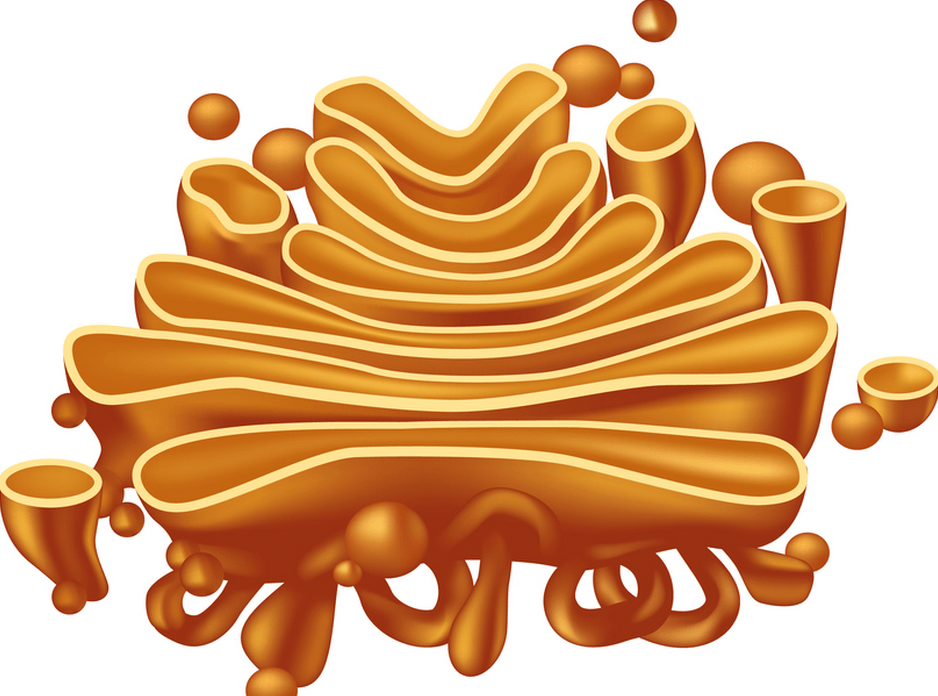
packages and ships proteins
a)
vacuole
b)
ribosome
c)
mitochondria
d)
golgi apparatus
81.
Where are proteins made?
a)
Golgi body
b)
Mitochondria
c)
Chromosomes
d)
Ribosomes
82.
Cell boundary
a)
cell wall
b)
nucleus
c)
cell membrane
d)
cell skin
83.
What organelle helps with cell digestion?
a)
Lysosomes
b)
Ribosomes
c)
Golgi Complex
d)
ER
84.
What is the gel-like substance inside of cells called?
a)
photoplasm
b)
photosynthesis
c)
cytoskeleton
d)
cytoplasm
85.
Creates and transports proteins
a)
Rough Endoplasmic Reticulum
b)
Lysosomes
c)
Nucleus
d)
Chromatin
86.
Controls movement of chromosomes during cell division
a)
Nuclear Envelope
b)
Nucleus
c)
Centrioles
d)
Chromatin
87.
What is the top layer of the skin called?
a)
Dermis
b)
Hypodermis
c)
Epidermis
d)
Subcutaneous
88.
Skin color is due to a pigment called
a)
Keratin
b)
Melanin
c)
Chromatin
d)
Epithelium
89.

Type of burn
a)
First Degree Burn
b)
Second Degree Burn
c)
Third Degree Burn
d)
Fourth Degree Burn
90.
The layer of the epidermis that is capable of dividing is
a)
Stratum basale
b)
Stratum corneum
c)
Stratum lucidum
d)
Stratum spinosum
91.
The sweat gland that produces "stinky" sweat is the
a)
Apocrine gland
b)
Eccrine gland
c)
Sudoriferous gland
d)
Sebaceous gland
92.
The epidermis is composed of _____.
a)
stratified squamous epithelium
b)
simple columnar epithelium
c)
adipose tissue
d)
connective tissue
93.
The clear skin layer only present in certain areas of the body is called:
a)
Stratum granulosum
b)
Stratum spinosum
c)
Stratum corneum
d)
Stratum lucidum
94.
The vascular of the skin is the:
a)
Dermis
b)
Epidermis
c)
Hypodermis
d)
Stratum basale
95.
The function of sebum is:
a)
Keeps skin soft and moist
b)
Help to regulate body temperature
c)
Produce vitamin D
d)
Protect skin from mechanical damage
96.
Inflammation of the skin due to irritating chemicals is called:
a)
Dermatitis
b)
Impetigo
c)
Vitiligo
d)
Psoriasis
97.
Sweating to regulate body temperature is an example of
a)
negative feedback
b)
positive feedback
c)
a homeostatic imbalance
d)
aging
98.
Goosebumps are caused by contractions of the ______ muscle
a)
Arrector pili
b)
Apocrine
c)
Eccrine
d)
Sebaceous
99.
This function of the skin allows the body to retain or lose heat.
a)
thermoregulation
b)
storage
c)
excretion
d)
absorption
100.
Yellow discoloration of the skin that can indicate liver or gallbladder diseases.
a)
erythema
b)
jaundice
c)
cyanosis
d)
albinism
101.
Bluish discoloration of the skin caused by insufficient oxygen:
a)
erythema
b)
jaundice
c)
cyanosis
d)
albinsim
102.
Which is NOT a function of the skin?
a)
Insulation
b)
Movement
c)
Excretion
d)
Vitamin D Production
103.
The bottom most layer of skin that is primarily made up of adipose (fat) tissue.
a)
hypodermis or subcutaneous
b)
dermis
c)
nasodermis
d)
epidermis
104.
When hair falls out or can not grow where it should it is called
a)
vitiligo
b)
alopecia
c)
impetigo
d)
psorasis
105.
Cardiac muscle is only found where?
a)
Lungs
b)
Heart
c)
Kidneys
d)
Liver
106.
What are the 3 types of muscles?
a)
Cardiac, smooth and skeletal
b)
Cardiac, skeletal, prime
c)
Flexion, extension, smooth
d)
Skeletal, smooth, stringy
107.
Tendons connect __________ to bone.
a)
Cartilage
b)
Bone
c)
Muscle
d)
Ligaments
108.
Skeletal muscles are attached to the _________.
a)
Stomach
b)
Lungs
c)
Skeleton
d)
Involuntary Muscles
109.
A nerve carrying impulses from the brain and stimulates muscles to contract.
a)
motor neuron
b)
sensory neuron
110.
Muscle tissue that contracts involuntarily
a)
Smooth and Cardiac
b)
Skeletal and Smooth
c)
Cardiac and Skeletal
d)
Skeletal only
111.
Which element of a feedback system detects the initial stimulus
a)
Effector
b)
Receptor
c)
Control Center
d)
Motor Neuron
112.
A burn is considered critical when ____% of the body has blisters
a)
10
b)
15
c)
20
d)
25
113.
An action potential is
a)
Mechanical energy moving cells
b)
Electrical energy sending messages
c)
Chemical energy breaking bonds
d)
Mechanical energy moving ions
114.
The abdominal region that houses the bladder
a)
Epigastric
b)
Right Lumbar
c)
Pubic
d)
Inguinal
115.
All help with thermoregulation except
a)
Hair
b)
Nails
c)
Blood Vessels
d)
Eccrine Glands
116.
Membrane that lines cavities open to the outside
a)
Mucous
b)
Cutaneous
c)
Synovial
d)
Serous
117.
Charged atom
a)
Proton
b)
Chemical
c)
Ion
d)
Electron
118.
A nerve cell and all the muscle fibers it stimulates
a)
Motor Neuron
b)
Axon Terminal
c)
Motor Unit
d)
Synaptic Cleft
119.
Not a generalized cell structure
a)
Nucleus
b)
Mitochondria
c)
Cytoplasm
d)
Cell Membrane
120.
Involuntary wave-like contraction of smooth muscle
a)
Metabolism
b)
Psoriasis
c)
Peristalsis
d)
Physiology
121.
In muscles, dark bands contain _______
a)
Actin
b)
Calcium
c)
Myosin
d)
Sodium
122.

What is F?
a)
Action Potential
b)
Na+/K+
c)
ACh
d)
Ca2+
123.
What is B?
a)
Action Potential
b)
Axon
c)
Protein Pump
d)
Vesicle
124.
What is D?
a)
Ca2+
b)
Axon Terminal
c)
ACh
d)
Sarcolemma
125.
What is A?
a)
Ca2+
b)
Axon Terminal
c)
Action Potential
d)
Sarcolemma
126.
What is G?
a)
Ca2+
b)
Synaptic Cleft
c)
Action Potential
d)
Sarcolemma
127.
What is H?
a)
Ca2+
b)
Synaptic Cleft
c)
Action Potential
d)
Sarcolemma
128.
What is J?
a)
Ca2+
b)
Synaptic Cleft
c)
Na+/K+
d)
Sarcolemma
129.
What is E?
a)
Vesicle
b)
Synaptic Cleft
c)
Na+/K+
d)
Sarcolemma
100 %

