wayground logo

Free Printable Worksheets

Font size

S
M
L
XL
Worksheets

Biology Spring Credit Recovery 2020

Total questions: 135

Worksheet time: 3hrs 50mins

Name
Class
Date
1.
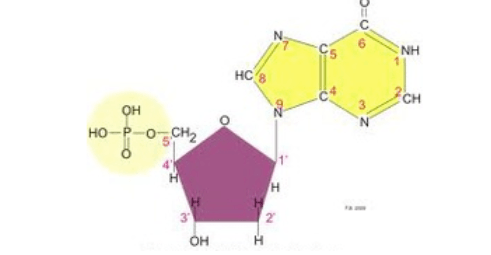
Which of the following is not a component of DNA?
a)
5 Carbon Sugar
b)
Phosphate Group
c)
Carbon Base
d)
Nitrogen Base
2.
Which of the following is not a nitrogen base found in DNA?
a)
Thymine
b)
Uracil 
c)
Guanine
d)
Adenine
3.
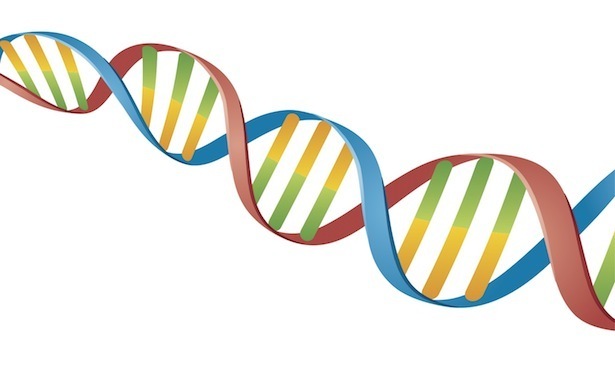
The twisted ladder shape of DNA is known as a
a)
Double Helix
b)
Triple Helix
c)
Single Helix
d)
Triple Helix
4.
Which answer choice would by complementary (match up) with the DNA strand   
ATGCATTCGA
a)
ATGCATTCGA
b)
TACGTAAGCT
c)
TACCTAAGGA
d)
ATGCCATGAA
5.

What are the monomers of DNA called?

a)

Amino Acids

b)

Monosaccahrides

c)

Fatty Acids

d)

Nucleotides

6.

Which of the following base pairs would be found in DNA?

a)

Adenine - Thymine

b)

Adenine - Cytosine

c)

Guanine - Thymine

d)

Cytosine - Thymine

7.

How many different nucleotides are found in DNA?

a)

3

b)

5

c)

4

d)

1

8.

The two parallel strands of DNA are kept together by:

a)

Ionic bonds

b)

Covalent Bonds

c)

Phosphodiester bonds

d)

Hydrogen Bonds

9.

The structure boxed in red is called a:

a)

Phospholipid

b)

Sugar

c)

Nucleotide

d)

Amino Acid

10.
Adenine bonds with ______________.
a)
Guanine
b)
Thymine
c)
Cytosine
d)
Adenine
11.
Guanine bonds with ______________.
a)
Adenine
b)
Guanine
c)
Cytosine
d)
Thymine
12.
Which organelle is DNA usually found in?
a)
mitochondrian
b)
cell membrane
c)
chloroplast
d)
nucleus
13.

Can genes be turned on and off

a)

yes

b)

no

14.

Which cells in your body contain all of your DNA

a)

Brain cells

b)

Heart cells

c)

Nerve cells

d)

all cells

15.
Which biomolecule is this a picture of?
a)
Protein
b)
Nucleic Acid
c)
Lipid
d)
Carbohydrate
16.

DNA stands for

a)

Dioxyribo Nucleic Acid

b)

Dunder Nucleic Acid

c)

Dopamine Nucleic Acid

d)

Deciduous Nucleic Acid

17.

What are the parts of a nucleotide?

a)

phosphate, sugar, base

b)

A, T, G, C

c)

Nucleic Acids

d)

two base pairs connected

18.

Which of the following is correctly matches: ATT GTA CGA

a)

TAA CAT GCT

b)

ATT GTA CGA

c)

TAA GTA TCG

d)

GCC ACG TAC

19.
What is the function of a nucleic acid?
a)
Stores genetic information
b)
Stores energy
c)
Quick source of energy
d)
Builds structures
20.

bases code for traits

a)

yes

b)

no

21.

The order of the bases matter because they give us our unique traits

a)

True

b)

False

22.
What is a gene?
a)
A bundle (like a hot dog bun) that the DNA is packed into
b)
something inside the nucleus
c)
a piece of DNA
d)
all of your DNA
23.
Which sentence is FALSE?
a)
Humans have 23 pairs of DNA.
b)
Humans have 46 total chromosomes.
c)
Genes are made of chromosomes.
d)
Every human's DNA is at least 99% similar.
24.
What determines the code, or information, of a DNA molecule?
a)
the shape (structure) of the nitrogen bases
b)
the order (sequence) of the nitrogen bases
c)
the color of the nitrogen bases
d)
the frequency (number) of nitrogen bases
25.

The number of human chromosomes is

a)

23

b)

46

c)

92

d)

64

26.
How does RNA differ from DNA?
a)
RNA contains uracil and deoxyribose
b)
RNA contains ribose and thymine
c)
RNA contains uracil and ribose
d)
RNA contains adenine and ribose
27.

There are 3 types of RNA. What are they? (Select all that apply)

a)

tRNA

b)

rRNA

c)

mRNA

d)

xRNA

28.
RNA contains the sugar
a)
ribose
b)
deoxyribose
c)
glucose
d)
lactose
29.
Which of the following statements is true?
a)
DNA is single-stranded
b)
RNA is single-stranded
c)
DNA contains uracil
d)
RNA contains deoxyribose
30.

In RNA the base T is replaced with

a)

U

b)

G

c)

C

d)

A

31.
Which type of RNA takes the instructions from the nucleus to the cytoplasm?
a)
mRNA
b)
tRNA
c)
rRNA
d)
RNA polymerase
32.

Carries the amino acid used to make a protein

a)

mRNA

b)

rRNA

c)

tRNA

33.

Factory for making a protein

a)

mRNA

b)

rRNA

c)

tRNA

34.

Where is RNA found?

a)

In the nucleus

b)

In the ER

c)

In the chloroplast

d)

In the cytoplasm

35.

What are proteins made of?

a)

Ribosomes

b)

Pedigree

c)

Amino Acids

d)

2 nitrogen bonds

36.

What does RNA stand for?

a)

Ribosenucleic Acid

b)

Ribonucleic Acid

c)

Ribonose Acid

d)

Riba Nuke Leic Acid

37.
DNA and RNA belong to the biomolecule class of 
a)
Carbohydrates
b)
Lipids
c)
Proteins
d)
Nucleic Acids
38.

Give the correct base pairing for this strand of RNA

AAUUGGCCUU

a)

AAUUGGCCUU

b)

TTAACCGGAA

c)

UUAACCGGAA

d)

UAUACGCGAT

39.
The process to go from DNA to mRNA is _______
a)
translation
b)
transcription
c)
replication
40.

Which of the following sequences best describes the flow of information that takes place when a gene directs the synthesis of a cellular component?

a)

RNA-DNA-RNA-PROTEIN

b)

DNA-RNA-PROTEIN

c)

PROTEIN-RNA-DNA

d)

DNA-AMINO ACID-RNA-PROTEIN

41.
DNA holds the code for
a)
lipids
b)
carbohydrates
c)
protein
d)
sugar
42.
The main function of tRNA is to...
a)
carry a message that, when translated, forms proteins
b)
form a portion of ribosomes
c)
string together complementary RNA and DNA strands
d)
bring amino acids from the cytoplasm to the ribosomes
43.

How many nucleotides equal 1 amino acid?

a)

1

b)

2

c)

3

d)

4

44.

On which molecule can an anticodon be found?

a)

mRNA

b)

DNA

c)

tRNA

d)

rRNA

45.
Does the order of amino acids in a protein matter?
a)
YES!
b)
NO!
46.

All genes are used to code for traits

a)

yes

b)

no

47.

synthesis means

a)

to eat

b)

to make

c)

to clean

d)

to copy

48.

Your cells synthesize proteins using genetic instructions from

a)

your DNA

b)

your Brain

c)

Your RNA

d)

Your body

49.

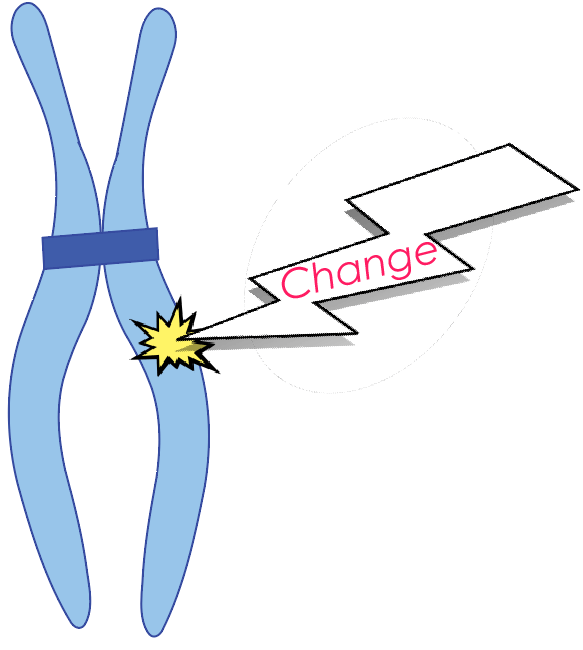
A change in a gene, group of genes or chromosome that results in a change in the proteins

a)

Replication

b)

Mutations

c)

Translation

d)

Transcription

50.

A permanent change in the DNA sequence

which can affect a single gene or group of genes

a)

Homeostasis

b)

Somatic Cell

c)

Chromosomal Mutation

d)

Gene Mutation

51.

One nucleotide base is changed so only one amino acid

is affected

a)

Substitution Mutation

b)

Point Mutation

c)

Translocation

d)

Inverse Mutation

52.

A point mutation where one nucleotide base replaces an original nucleotide base

a)

Inversion Mutation

b)

Chromosomal Mutation

c)

Translocation

d)

Substitution Mutation

53.

A nucleotide base is inserted or deleted shifting the entire DNA sequence. Entire protein will be changed.

a)

Substitution Mutation

b)

Silent Mutation

c)

Frameshift Mutation

d)

Translocation

54.

A frameshift mutation where a nucleotide base

is removed from the DNA sequence.

a)

Deletion Mutation

b)

Substitution Mutation

c)

Translocation

d)

Silent Mutation

55.

Mutations that involve parts of or all of

a chromosome

a)

Replication

b)

Deletion Mutation

c)

Chromosomal Mutation

d)

Transcription

56.

Part of a chromosome is repeated

a)

Gene Mutation

b)

Point Mutation

c)

Deletion Mutation

d)

Duplication Mutation

57.

Part of a chromosome is reversed.

a)

Inversion Mutation

b)

Deletion Mutation

c)

Translocation

d)

Point Mutation

58.

Part of one chromosome is transported and attached

to a non-homologous chromosome

a)

Inversion Mutation

b)

Translocation Mutation

c)

Duplication Mutation

d)

Point Mutation

59.

Failure of homologous chromosomes

to separate during meiosis.

Results in gametes with either one extra or one missing chromosome.

a)

Translocation

b)

Nondisjunction

c)

Replication

d)

Transcription

60.

A point mutation where DNA adenine (A)

is replaced by thymine (T) resulting in a single amino acid change during translation(affects blood cell

shape and function)

a)

Encephelitis

b)

Hemophilia

c)

Sickle Cell Anemia

d)

Influenza

61.
Sickle red blood cells have a decreased ability to carry 
a)
nutrients
b)
wastes
c)
oxygen
d)
proteins
62.

When you look at the cells of individuals with sickle cell anemia, what do you expect to see?

a)

C-shaped cells

b)

S-shaped cells

c)

Disk-Shaped Cells

d)

Globular shaped cells

e)

Sick cells

63.
In watermelons, green rinds (G) are dominant to striped rinds (g).  What is the genotype of a heterozygous green watermelon?
a)
GG
b)
Gg
c)
gg
d)
green
64.
One of the two forms of a gene is called a(n)
a)
genotype
b)
allele
c)
hybrid
d)
trait
65.
How many alleles (letters) do each person carry for a trait?
a)
1
b)
2
c)
3
d)
4
66.
How many alleles (letters) does a child get from each parent for each trait?
a)
1
b)
2
c)
3
d)
4
67.
Aa, DD, bB, yy are all examples of
a)
genotypes
b)
phenotypes
68.
Which of the following is a phenotype?
a)
Aa
b)
red hair
c)
heterozygous
d)
DNA
69.
Which of the following genotypes is homozygous dominant?
a)
A
b)
Aa
c)
AA
d)
aa
70.
Which of the following genotypes is heterozygous?
a)
Bb
b)
BB
c)
bb
d)
B
71.
This is an example of a ______________.
a)
phenotype
b)
genotype
c)
xenotype
d)
base pairs
72.

Objective #5

(B-brown eyes & b-blue eyes)

Cross (Dad)Bb X (Mom)BB.

List the possible genotypes from this cross.

a)

BB, Bb, bb

b)

BB

c)

BB, Bb

d)

bb,Bb

73.
What is  
Aa
a)
Homozygous Domminant 
b)
Homozygous Ressesive 
c)
Heterzygous
d)
Heterozygous Dominnat
74.
If the dominat trait is Tall and the resessive trait is short, what is the phenotype  of Tt?
a)
Tall
b)
Short
c)
Medium
75.
A diagram used to predict an outcome of a cross or breeding experiment.
a)
pedigree
b)
Punnet Square
76.
Each box of the Punnett square represents what percent?
a)
10
b)
15
c)
25
d)
20
77.
What is the genotype(s) of the F1 offspring that has the dominant trait?
a)
BB
b)
bb
c)
Bb
d)
BB and bb
78.
This type of inheritance pattern shows BOTH traits in possible offspring.
a)
complete dominance
b)
incomplete dominance
c)
co-dominance
d)
dominant pattern
79.

A square diagram that is used to predict an outcome of a particular cross or breeding experiment.

a)

monohybrid cross

b)

dihybrid cross

c)

mutation

d)

punnett square

80.

Guinea pig with hair is

a)

dominant

b)

recessive

81.

How many copies of a dominant allele are needed to show up

a)

at least one

b)

more than two

82.

Where are the parents genotypes placed

a)

outside the punnet square

b)

inside the punnet square

83.
How many generations are shown in this pedigree?
a)
1
b)
2
c)
3
d)
4
84.
How many kids did the mother and father from the first generation have?
a)
2
b)
4
c)
5
d)
6
85.
How many boys did the mother and father from the first generation have?
a)
2
b)
4
c)
5
d)
6
86.
How many girls did the mother and father from the first generation have?
a)
2
b)
4
c)
5
d)
6
87.
Looking at this pedigree, how many family members have the disease?
a)
4
b)
7
c)
All
d)
None
88.
a)
Not affected Female
b)
Not affected Male
c)
Affected Male
d)
Affected Female
89.
a)
Not Affected Male
b)
Not Affected Female
c)
Affected Male
d)
Affected Female
90.
a)
Not affected male
b)
Not affected female
c)
Affected male
d)
Affected female
91.
What does a horizontal line between a square and a circle mean?
a)
They are siblings
b)
They are cousins
c)
They are married ("together")
d)
They are the children
92.
 Look at the Punnett square.
If the two parents represented in the Punnett square have four offspring, what does the Punnett square tells you? 
a)
Two of the offspring will definitely have the genotype Aa.
b)
It is more likely that two of them will have the genotype Aa than the genotype aa.
c)
There is a 50% chance for each of the four offspring to have the genotype Aa.
d)
It is less likely that two of them will have the genotype Aa than the genotype aa.
93.
How many males are shown in this pedigree?
a)
8
b)
5
c)
2
d)
16
94.

what do amino acids form? (2)

a)

protein

b)

RNA

c)

DNA

d)

ribosomes

95.

Eye color, hair color, having freckles, etc. are examples of:

a)

DNA

b)

Chromosomes

c)

Genes

d)

Traits

96.

DNA replication results in

a)

three identical copies of each chromosome

b)

23 different copies of each chromosome

c)

46 identical copies of each chromosome

d)

two identical copies of each chromosome

97.

When the two alleles of a particular gene are the same:

a)

homozygous

b)

genotype

c)

heterozygous

d)

phenotype

98.

A family history that shows how a trait is inherited:

a)

karyotype

b)

Punnett square

c)

pedigree

d)

hybrid

99.
What do we use pedigrees for?
a)
To look at families
b)
To make determinations about the offspring
c)
To track traits in families
d)
Nothing
100.
 Look at the Punnett square. If the two parents represented in the Punnett square have four offspring, what does the Punnett square tells you?
a)
two of the offspring will definitely be heterozygous.  
b)
one of the offspring will definitely show the recessive trait.
c)
there is a 50% chance for each of the 4 offspring to have the genotype Rr.
d)
there is a greater chance for the offspring to be RR than rr.
101.
What would the genotype be for the blonde son in generation 2?
a)
BB
b)
Bb
c)
bb
d)
Not enough information 
102.
What do half colored symbols represent?
a)
The individual is a carrier (heterozygous).
b)
The individual expresses the trait.
c)
The individual has both recessive alleles.
d)
The individual has both dominant alleles.
103.
What is an autosome?
a)
automobile built for one person
b)
chromosome that does not determine gender
c)
chromosome that does determine gender
d)
a plant because they do photosynthesis
104.
Jim has type AB blood. His dad could be type O.
a)
True
b)
False
105.
What type of blood is the universal donor?
a)
O
b)
AB
106.
What is NOT a possible genotype for someone with type B blood?
a)
BB
b)
AB
c)
BO
107.

The proteins found on the surface of RBCs that allow us to type blood as A, B, O or AB are called

a)

antigens

b)

antibodies

c)

aggluntates

d)

Rh factors

108.

What is produced by your body in response to foreign antigens, such as the wrong type of blood?

a)

agglutinates

b)

clotting factors

c)

phagocytes

d)

antibodies

109.

Destiny has blood type B, what antigen is present?

a)

None

b)

A

c)

B

d)

A and B

110.
If two parents have type AB blood, what is the probability that their child will have type O blood?
a)
0%
b)
25%
c)
50%
d)
100%
111.

In the image above, what is the percentage of the offspring has the possibility of inheriting blood type O?

a)

0%

b)

25%

c)

50%

d)

100%

112.

Why are there so many phenotypes for human blood types (what causes there to be more than just 2 phenotypes)?

a)

multiple alleles

b)

incomplete dominance

c)

total dominance

d)

non dominance

113.

After the sun, where does a food chain start?

a)

with animals that eat plants

b)

with plants that eat other animals

c)

with plants that make their own food

114.

All food webs include

a)

insects

b)

mushrooms

c)

producers

115.

Several food chains linked together make up

a)

food web

b)

food pyraid

c)

ecosystem

116.

The ________ in the food chain used the energy of sunlight to make its own food.

a)

sun

b)

animals

c)

grass

117.

A __________ is a living thing that gets energy by breaking down material from dead plants and animals.

a)

consumer

b)

decomposer

c)

producer

118.

Energy goes from

a)

producers to consumers

b)

consumers to producers

c)

decomposers to producers

119.

Energy is stored in

a)

the grass

b)

the food you eat

c)

the rain

120.
The diagram shows an example of what kind of organism
a)
Autotroph
b)
Heterotroph
c)
Decomposer
d)
Herbivore
121.
The largest part of an ecosystem is always the ________________.
a)
Primary Consumers
b)
Primary Producers
c)
Quarternary Consumers
d)
Secondary Consumers
122.
The smallest part of the ecosystem is always the ____________.
a)
Primary Producers
b)
Secondary Consumers
c)
Primary Consumers
d)
Tertiary Consumers
123.

Animals that eat only plants are called:

a)

herbivores

b)

omnivores

c)

carnivores

124.

Animals that eat only meat are called:

a)

herbivores

b)

carnivores

c)

omnivores

125.

A food chain is:

a)

an animal that eats only plants.

b)

a diagram that shows how energy moves from one organism to another. (Grass>Mouse>Owl)

c)

An animal that is hunted and eaten by another animal.

126.

What does a Primary Consumer eat?

a)

Tertiary Consumers

b)

Secondary Consumers

c)

Producers

d)

None of the above

127.

In a food web, arrows point at:

a)

who gets energy

b)

who get eaten

c)

Both of the above

d)

None of the above

128.

What does a food web represent?

a)

All connections of energy flow throughout all organisms in a ecosystem.

b)

The specific ways that mutualism is carried out.

c)

A single pathway or energy flow between organisms.

d)

How carnivores get their food.

129.
Trophic levels are represented by 
a)
squares
b)
circles
c)
pyramids
d)
lines
130.

How much energy is moved from one trophic level to the next trophic level?

a)

100%

b)

1/2

c)

10%

d)

25%

131.
In the energy pyramid here, how much of the energy in each level gets lost as heat or used by the organism for survival?
a)
80%
b)
90%
c)
10%
d)
20%
132.
What is the difference between biotic and abiotic?
a)
Biotic are non-living things
b)
Abiotic are living organisms
c)
Biotic is life,
Abiotic is non-living
d)
Biotic is non-living, Abiotic is living
133.
What does biodiversity mean?
a)
Only one species in an area.
b)
The different amount of species in an area
c)
All abiotic life
d)
Nitrogen fixation
134.
Which option is abiotic?
a)
Plants
b)
Bacteria
c)
Water
d)
Fungi
135.
Which option is biotic?
a)
Plants
b)
Air
c)
Water
d)
Energy