
 Worksheets
Honors Bio Final Fall 22_23
Total questions: 132
Worksheet time: 2hrs 5mins
The organelle where photosynthesis takes place
chlorophyll
chromoplast
chloroplast
chromosome

What is being depicted in the image?
Amplification of the signal molecule
Enzymatic proteins inhibiting process of the signal transduction pathway
Kinase groups adding dimer groups to other enzymes
Diffusion of molecules within the cell due to the signaling molecule
How do bacteria sense local population density?
quorum sensing
bacteria sensing
signal sensing
population sensing
The final activated molecule in a signaling pathway may function as a what?
transcription factor
second messenger
kinase
phosphatase


Uncontrolled cell division which usually leads to tumors and disease is called:
Metaphase
Cytokinesis
Cancer
Diabetes

Which of the following questions can best be answered by the diagram?
Does the addition of an enzyme reduce the activation energy required for a reaction?
Does the addition of an enzyme result in the formation of covalent bonds?
Does the addition of an enzyme produce a greater amount of products?
Does the addition of an enzyme change the pathway for the reaction?
The reactions of glycolysis occur in the
cytosol
nucleus
matrix of the mitochondrion
membranes of the mitochondrion
stroma of the chloroplast
Which metabolic process is common to both aerobic cellular respiration and alcoholic fermentation?
Production of a proton gradient
Conversion of pyruvic acid to acetyl CoA
Electron transport chain
Glycolysis
Krebs cycle
The O2 released during photosynthesis comes from
H2O
NADPH
RuBP (RuDP)
C6H12O6
CO2
The process that uses ATP and NADPH to power the fixation of carbon into sugars.
Light Reactions
Calvin Cycle
Granum
Krebs Cycle
Electron transport chain
______ uses light energy to excite electrons in photosystem I and II, split water, and create ATP and NADPH.
Fermentation
Calvin Cycle
Electron transport chain
Glycolysis
Light Reactions
_______ finishes breaking down Acetyl CoA to create ATP and NADH.
Fermentation
Link Reaction
Oxidative Phosphorolation
Glycolysis
Krebs Cycle
ATP hydrolysis is a _____ reaction.
Exergonic
Endergonic
Exergonic means:
energy is consumed
energy is released
ATP is: (definitely more than one answer)
an energy storage compound.
a modified DNA nucleotide
adenosine triphosphate.
molecule cells use to do chemical work.
What is the end product of glycolysis?
Pyruvate
Citric Acid
Acetyl CoA
Coenzyme A
after strenuous exercise, a muscle cell would contain decreased amounts of ______ and increased amounts of ______ ____
glucose; ATP
ATP; glucose
oxygen; lactic acid
lactic acid; ATP
Which of the following statements best represents the relationships between the light reactions and the Calvin cycle?
The light reactions provide ATP and NADPH to the Calvin cycle, and the Calvin cycle returns ADP, ℗i, and NADP+ to the light reactions.
The light reactions provide ATP and NADPH to the carbon fixation step of the Calvin cycle, and the Calvin cycle provides water and electrons to the light reactions.
The light reactions supply the Calvin cycle with CO2 to produce sugars, and the Calvin cycle supplies the light reactions with sugars to produce ATP.
The light reactions provide the Calvin cycle with oxygen for carbon fixation, and the Calvin cycle provides the light reactions with sugars to produce ATP.
I. Response
II. Amplification
III. Reception
IV. Transduction
Which of the following represents the sequence of events in a typical signal transduction pathway?

Which letter represents the cell membrane?
A
B
C
D
E
Which letter represents the cell surface receptor protein?
A
B
C
D
E
Which letter represents the ligand?
A
B
C
D
E
Which letter(s) can be proteins? (multiple answers are correct)
A
B
C
D
E
What word means programmed cell death?
apoptosis
mitosis
Ced-9
bleb

What two components make an active MPF
a growth factor and a mitotic factor
ATP synthetase and a protease
cyclin and tubulin
cyclin and a cyclin-dependent kinase
What hormone is responsible for the "fight or flight" response?
Testosterone
Cortisol
Adrenaline
Parathyroid Hormone

Which part of the signaling pathway could consist of protein modification, second messenger production, amplification or a phosphorylation cascade?
Reception
Transduction
Response
All of these

This type of cell signaling will only be effective...
over long distances (endocrine)
when cells are in direct contact (juxtacrine)
when responding to its own ligands (autocrine)
if cells are nearby (paracrine)

Which of these shows the cell cycle phases in their correct order AND correctly paired with their functions?
G1-growth, M-division, G2-DNA checkpoints, S-DNA replication
G1-growth, S-DNA replication, G2-replicate organelles, M-division
M-division, G1-growth, S-DNA replication, G2-replicate organelles
S-Interphase, G2-growth, M-division, G1-DNA replication

Which phase of mitosis occurred between panels C and D?
Metaphase
Telophase
Synthesis
Anaphase

In what phase of mitosis is this cell?
Prophase
Metaphase
Anaphase
Telophase

Which of these graphs represents the amount of DNA present in a normal cell throughout the cell cycle?
A
B
C
D

p53 is a gene that codes for a CDK inhibitor that slows the cell cycle. What would be the result of a mutation in the p53 gene?
No cell division
Decreased CDK/Cyclin complexes
Activated DNA repair
Tumor formation

Which of these is NOT part of interphase?
G1
S
M
G2
Describe the difference between competitive and noncompetitive inhibitors.
noncompetitive binds to active site and competitive binds to other site
competitive is irreversible and noncompetitive is reversible binding
competitive is binds to the active site and noncompetitive binds to other sites
noncompetitive is irreversible and competitive is reversible binding
Which of the following are electron carriers for the electron transport chain in cellular respiration?
NADPH
FADH2
NADH
NADH & FADH2
Describe the pathway of electrons in the light reactions.
H2O → PSI → ETC → PSII → NADPH
H2O → PSII → ETC → PSI → NADPH
H2O → PSII → ETC → PSI → NADH
H2O → PSI → ETC → PSII → NADH
How does the active site of an enzyme determine the substrate for that enzyme?
The active site has the right polarity to interact with the substrate.
The active site is hydrophobic and interacts with other hydrophobic amino acids on the substrate
The active site has a specific shape that fits the shape of the substrate
The active site uses energy to form covalent bonds with the substrate
Enzymes ___________________ activation energy to speed up chemical reactions.
increase
decrease
Which of these factors can affect the initial rate of an enzyme reaction?
Enzyme concentration
Substrate concentration
Temperature
pH
All of the above

Based on this graph, which enzyme would function best in a basic environment?
A
B
A type of anaerobic respiration that’s purpose is to replenish NAD+ so that glycolysis can be continued. Produces either alcohol or lactic acid as a by product is...
Fermentation
Calvin Cycle
Electron transport chain
Glycolysis
Krebs Cycle
... uses an Electron Transport Chain and Chemiosmosis to create the majority of the ATP gained from cellular respiration.
Fermentation
Calvin Cycle
Electron transport chain
Oxidative Phosphorylation
Krebs Cycle
A. Photons excite the electrons of PS I
B. Photons excite the electrons of PSII
C. Electrons travel along the ETC, allowing for the pumping of a proton
D. NADP + is reduced to NADPH
What is correct sequence of events?
A, C, B, D
B, C, A, D
A, B, C, D
C, A, B, D
An enzyme's shape determines its
function
substrate
product
activation energy
Which of the following is INCORRECT about the Krebs Cycle?
Releases NADH and FADH2
Releases CO2
also known as the Citric Acid cycle
makes water
Where on an enzyme does the substrate bind?
active site
allosteric site
C-terminus
N-terminus
Which environmental conditions can cause denaturation of the enzyme?
slight increase in temperature
extreme increase in temperature
decrease in temperature
extreme increase in temperature and pH changes
Which of the following is the stage where the cell no longer divides?
G0
G1
G2
S
Which of the following describes the order of the steps in mitosis?
metaphase, telophase, anaphase, prophase
prophase, metaphase, anaphase, telophase
telophase, anaphase, metaphase, prophase
prophase, anaphase, metaphase, telophase
Which checkpoint is responsible for ensuring spindle fibers are attached properly to separating chromatids?
G1 checkpoint
S checkpoint
G2 checkpoint
M checkpoint
Mitosis results in...
2 identical diploid cells
4 unique diploid cells
2 unique haploid cells
4 identical haploid cells
Neurotransmitters send messages to other neurons by crossing what space?
Receptor site
Synaptic cleft
Cerebral cortex
Adrenal cortex
Hypothalamus
What chemicals are released by a neuron?
Neurotransmitters
Ligands
Hormones
Perforin
Which of the following is directly responsible for the shape of an enzyme/protein?
The amino acid sequence of the protein and the properties of the amino acids that make up the protein.
The temperature of the surrounding environment.
The pH of the surrounding environment.
The amount of substrate present.
Which of these is NOT true?
Enzymes can denature (change shape) when the temperature gets too high.
Enzymes can only be used once in a chemical reaction.
Extreme pH and salinity can denature enzymes.
Enzymes speed up chemical reactions.
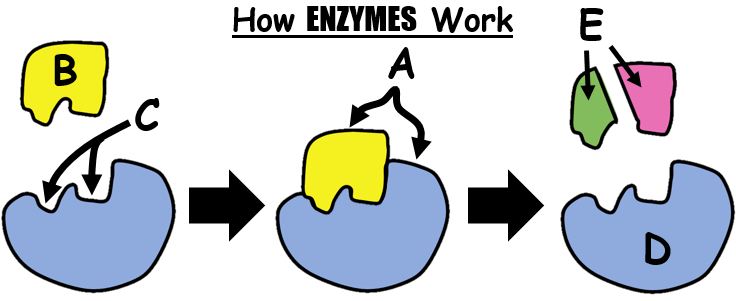

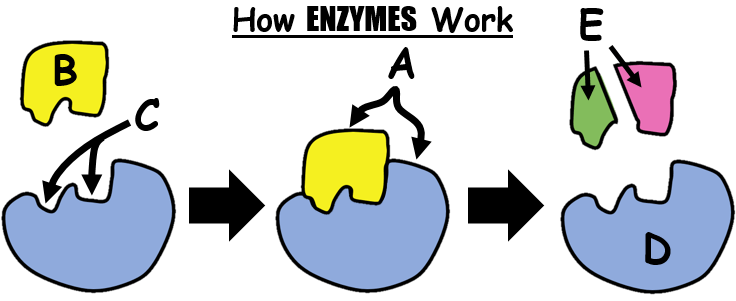
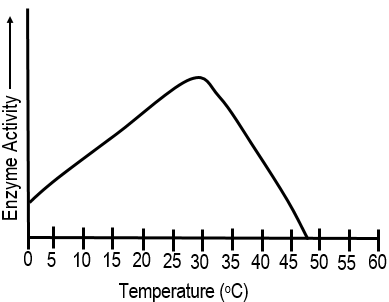
Glycolysis splits glucose into 2 molecules of
Acetyl CoA
pyruvate
citric acid
fructokinase
What is the net yield of ATP produced by glycolysis?
4
2
1

An example of paracrine cell communication is:
White blood cells bumping into each other sharing antigen info
Neurons communicating across a synapse
Hormones traveling through the blood stream to target tissues
An example of juxtacrine cell communication is:
White blood cells bumping into each other sharing antigen info
Neurons communicating across a synapse
Hormones traveling through the blood stream to target tissues
Receptors for signal molecules __________.
all work via protein kinases
are never found in the nucleus of a cell
may be found embedded in the plasma membrane, or found within the cytoplasm or nucleus
all work by opening ion channels
are only found associated with the plasma membrane
What event would activate a G protein?
replacement of GDP with GTP
hydrolysis of GTP to GDP
hydrolysis of GDP to GTP
phosphorylation of GDP to GTP
phosphorylation of GTP to GDP
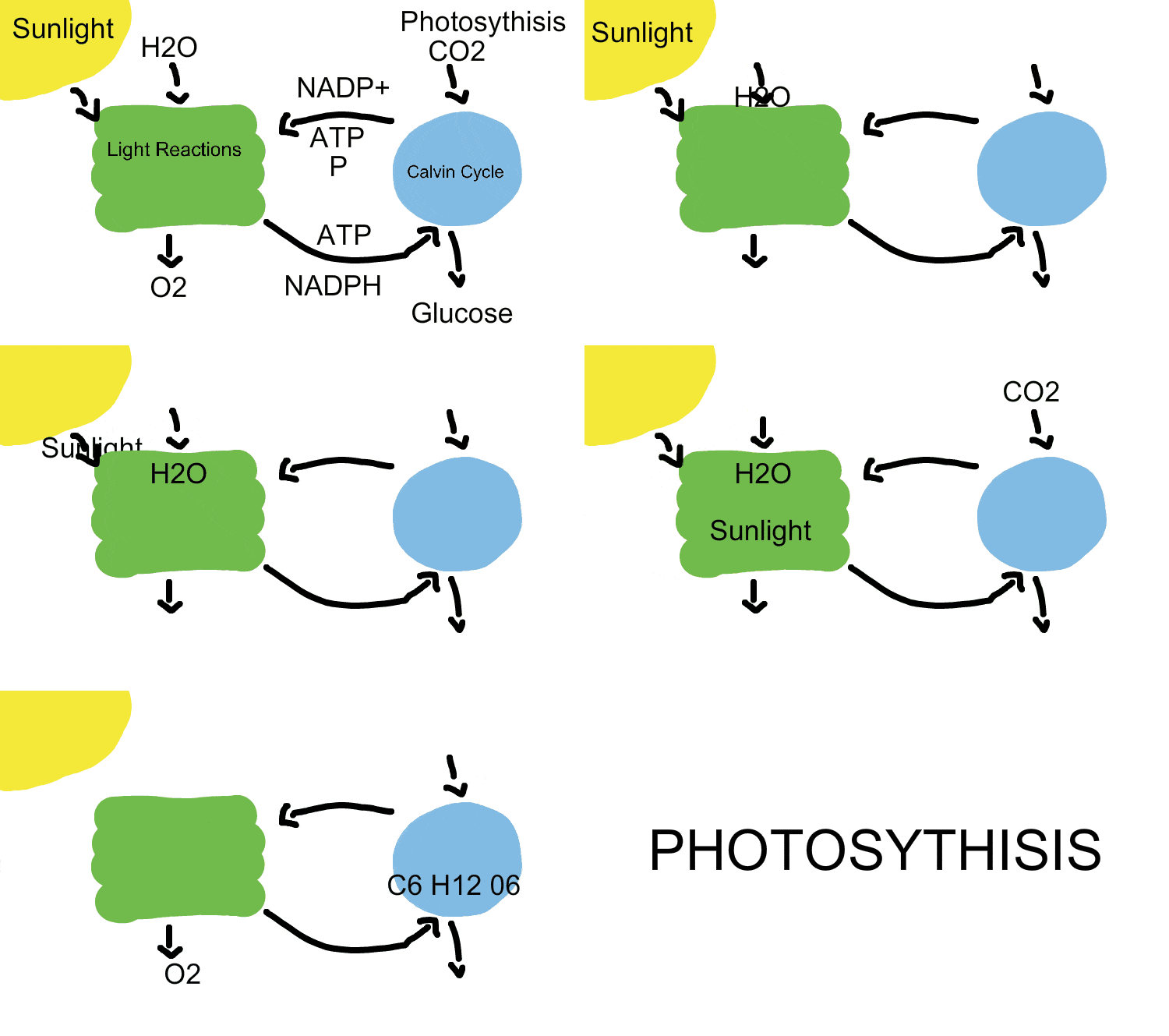

The H+ concentration gradient is formed to
make NADPH
split a water molecule
generate ATP
form water
Rubisco is important in which step of photosynthesis
energizing the electrons in chlorophyll
carbon fixation when CO2 is connected to RUBP during calvin cycle
regeneration phase as RUBP is made during calvin cycle
reduction of the carbon chain during the calvin cycle
If the proton (H+) pump in the thylakoid was not working which molecule could not be made during the light reaction?
NADPH
ATP
Water
Oxygen gas
What is the total net gain of ATP at the end of aerobic respiration?
2 ATP
34 ATP
36-38 ATP
40 ATP
Glycolysis
does not occur in plant cells
does not occur in animal cells
does not occur in bacterial cells
takes place in virtually all cells
In the electron transport chain, electrons are passed from one electron transport molecule to another and are finally accepted by
an oxygen molecule
a molecule of carbon dioxide
a molecule of water
ADP
Muscle soreness associated with strenuous exercise is at least partly due to
an excess of ATP that builds up during exercise
the presence of lactic acid from fermentation by muscle cells
the large amount of carbon dioxide that builds up in muscle
the accumulation of alcohol from anaerobic respiration
During chemiosmosis
H+ ions serve as the final electron acceptor
a concentration gradient is generated when H+ ions are passively transported from the matrix to the inner mitochondrial membrane
energy is released as H+ ions move freely across the mitochondrial membrane
ATP is synthesized when H+ ions move through a channel in ATP synthase
Which reaction moves the cellular respiration process from the cytoplasm to the mitochondria?
glycolysis ---> pyruvate
pyruvate ---> acetyl CoA
acetyl CoA ---> PGA
PGA ---> PGAL

What's the chemical formula for glucose?
6C6HO6
C12H6O12
C6H12O6
CHO

