wayground logo

Free Printable Worksheets

Font size

S
M
L
XL
Worksheets

Unit 1: Intro to Biochemistry

Total questions: 133

Worksheet time: 3hrs 7mins

Name
Class
Date
1.

Enzymes are an example of

a)

Lipids

b)

Carbohydrate

c)

Protein

d)

Nucleic Acid

2.
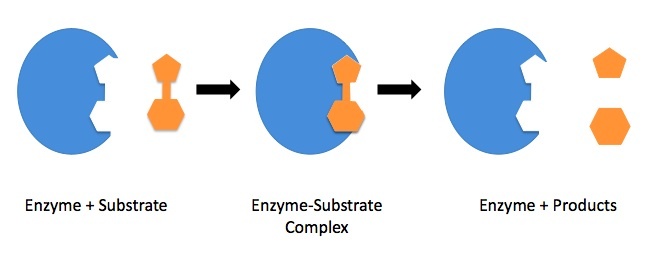
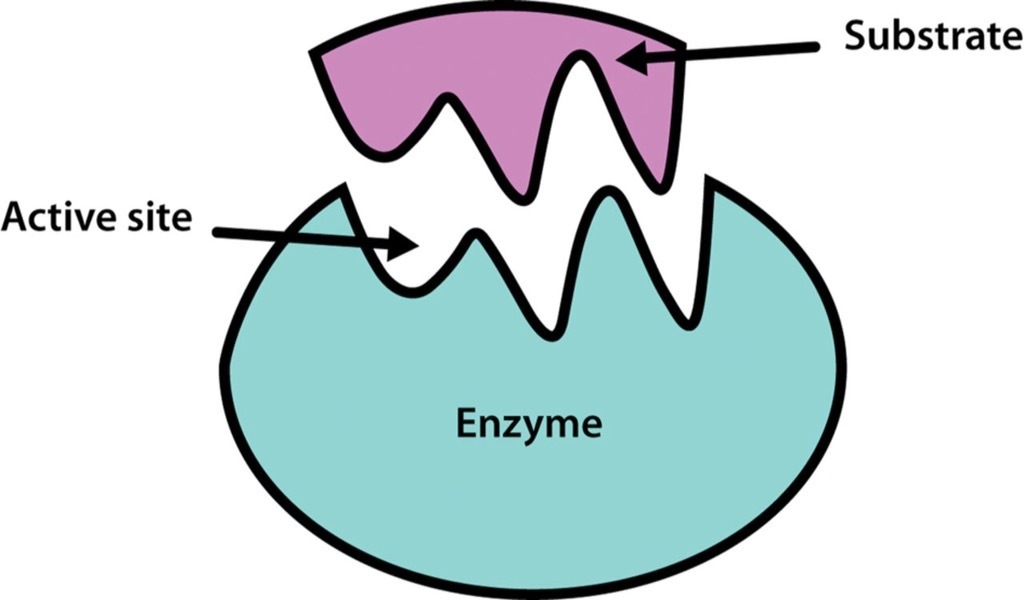
The area that the substrate fits into on the enzyme is called the:
a)
Active Site
b)
Allosteric Site
c)
DiSulphide Bridge
d)
β-Pleated Sheet
3.
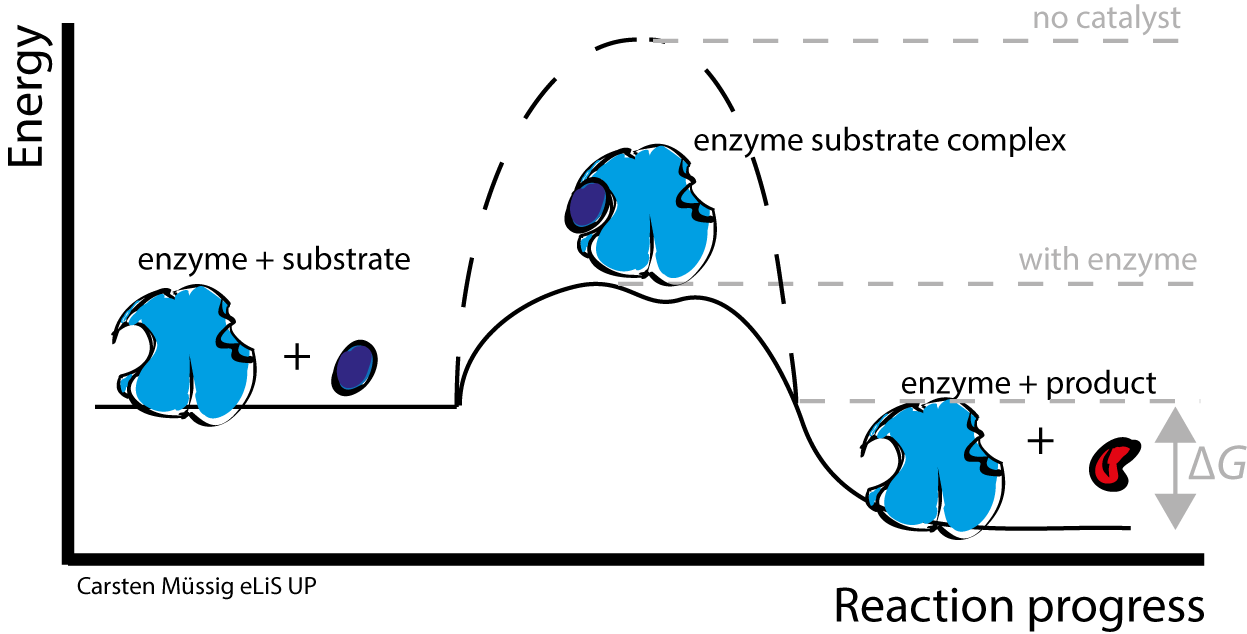
Enzymes catalyze reactions by ___________ Activation Energy.
a)
Increasing
b)
Decreasing
4.
Enzymes speed up reaction rates by changing:
a)
Activation Energy
b)
pH
c)
Hydrogen Bonds
d)
Kinetic Energy
5.
At high temperatures enzyme activity declines because of:
a)
Denaturation
b)
Decreased Kinetic Motion
c)
Increased H-Bonding
d)
Dissociation of Ionic Compounds
6.
Most enzymes have the ending:
a)
-ase
b)
-ose
c)
-ic acid
d)
-ate
7.
The molecule an enzyme is working on is called the:
a)
Substrate
b)
Solvent
c)
Allosteric Inhibitor
d)
CoEnzyme
8.
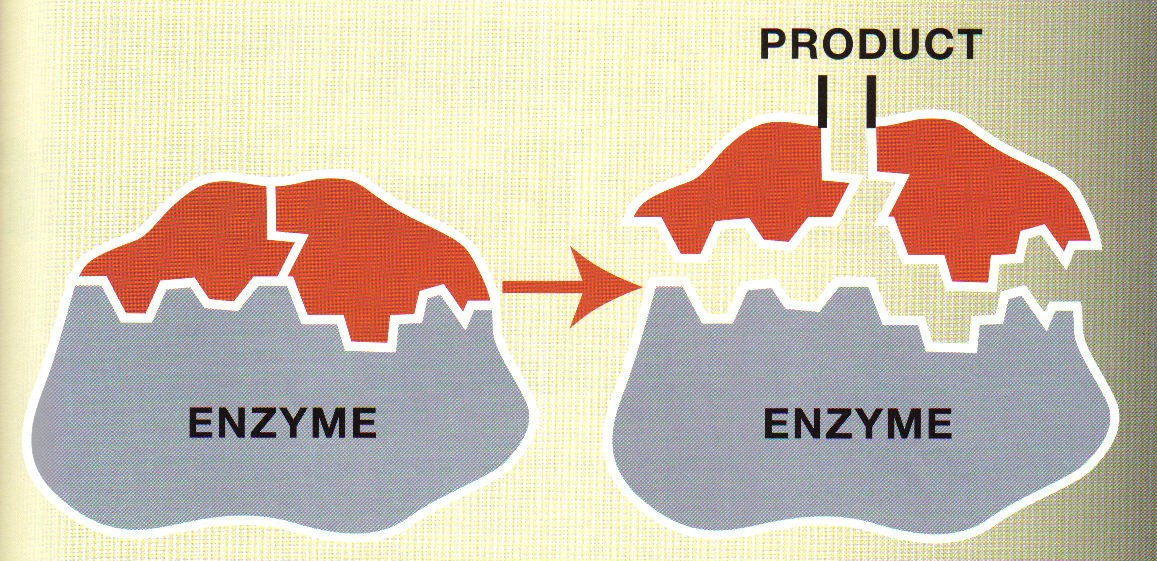
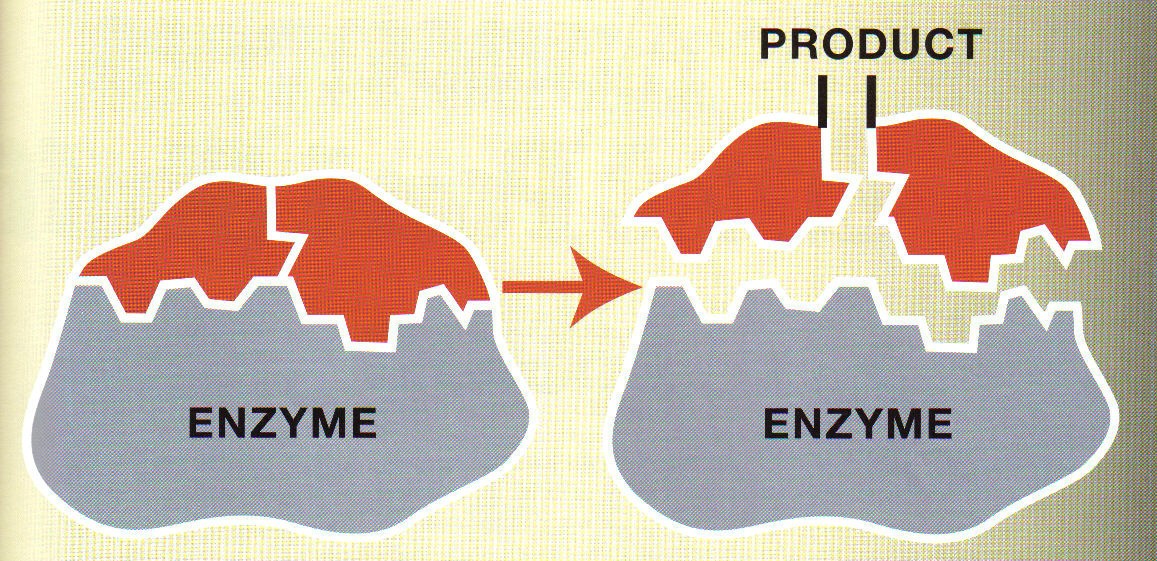
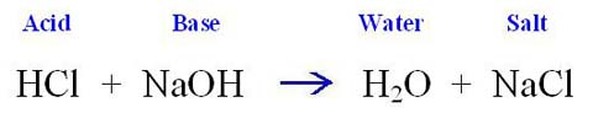
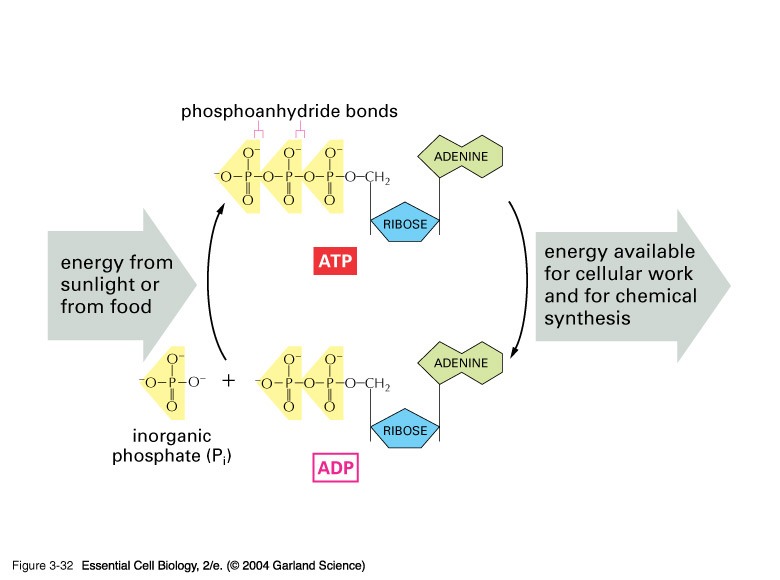
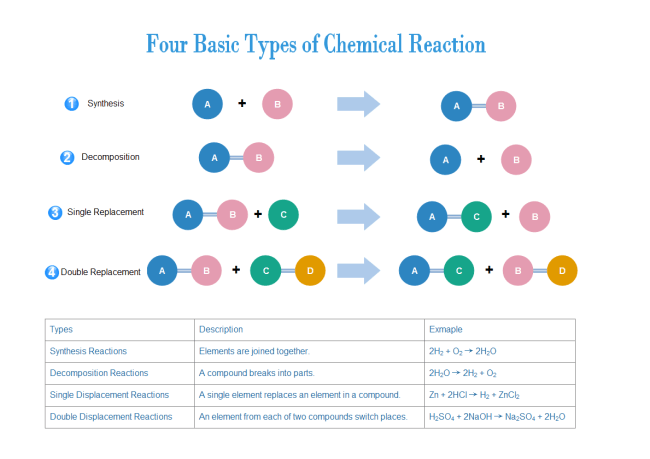
This type of reaction is a:
a)
Dehydration Synthesis
b)
Neutralization
c)
RedOx Reaction
d)
Phosphorylation
9.
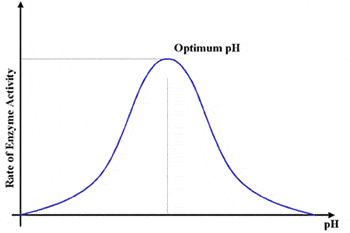
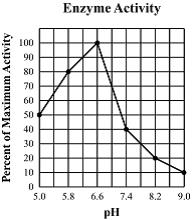
Which explanation best fits the graph for pH's effect on an enzyme?
a)
As the pH gets closer to neutral more H-Bonds are broken
b)
Larger numbers of H+ & OH- ions distort the active site
c)
There are more collisions between substrates and active sites near the optimal pH
d)
Low pHs cause more H-Bonds to happen near the active site
10.
What enzyme is likely to catalyze this reaction?
a)
Kinase
b)
OxidoReductase
c)
Isomerase
d)
Transferase
11.

Enzymes are an example of

a)

Lipids

b)

Carbohydrate

c)

Protein

d)

Nucleic Acid

12.
What is the purpose  of an enzyme?
a)
give permission for the reaction
b)
raise activation energy
c)
speed up reactions
d)
control how many reactions occur
13.
Enzymes are capable of increasing the rate of a chemical reaction within a living cell.  Enzymes accomplish this through which of the following means?
a)
reducing the number of products   
b)
reducing the activation energy
c)
increasing the temperature of the cell
d)
increasing the concentration of reactants 
14.
Each enzyme only has 1 substrate that will fit its active site.  What is this called?
a)
reusable
b)
catalyst
c)
specific
d)
fragile
15.
What 3 letters do enzymes typically end in?
a)
-ose
b)
-ase
c)
-ese
d)
-tic
16.
Any substance that is acted upon by an enzyme is called a(n)?
a)
Coenzyme
b)
Substrate
c)
Vitamin
d)
Polypeptide
17.
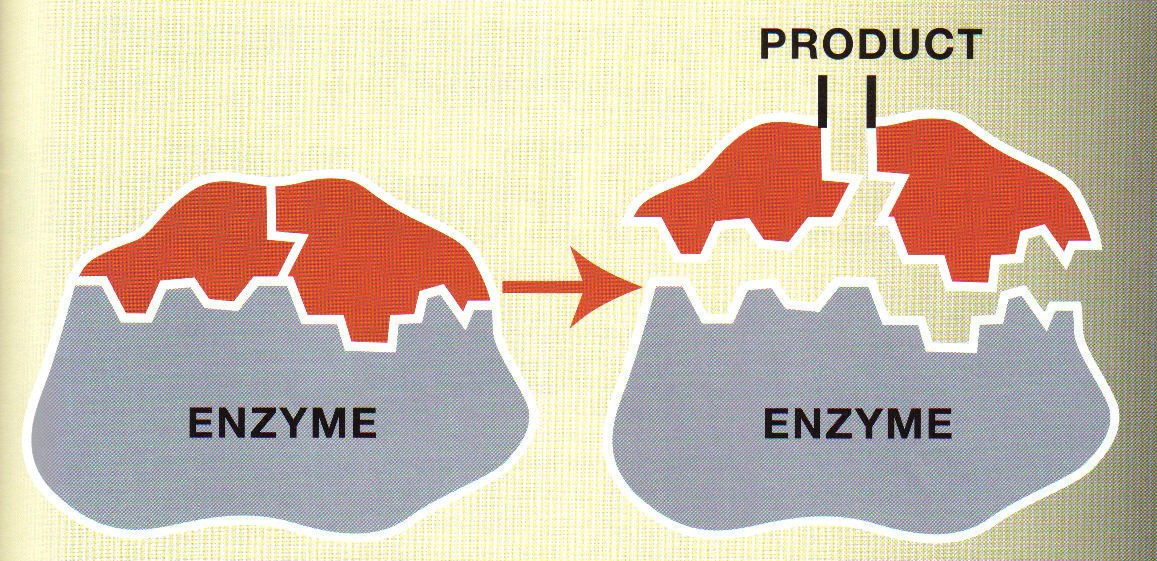
After the enzyme and substrate bind together and perform the reaction, what does the substrate become?
a)
a substrate
b)
an enzyme
c)
a product
d)
an active site
18.
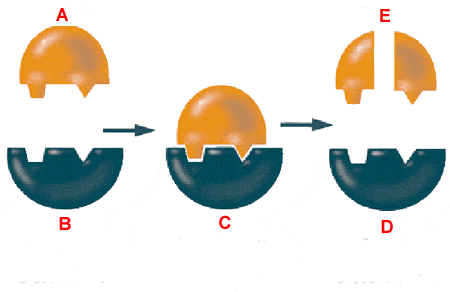
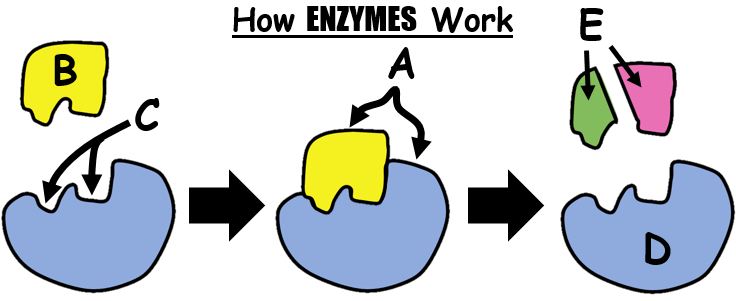
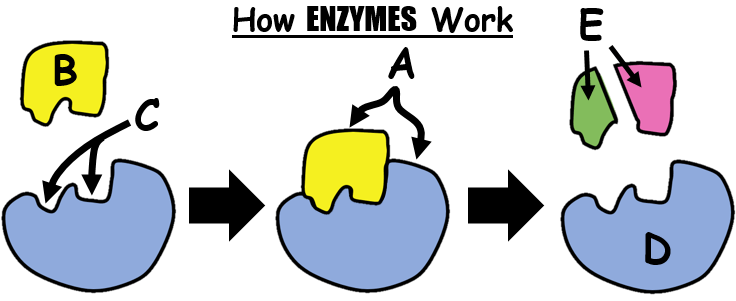
In the diagram, what is letter A? 
a)
product
b)
substrate
c)
enzyme-substrate complex
d)
active site
19.
Letter D...
a)
active site
b)
enzyme
c)
substrate
d)
products
20.
Letter B...
a)
active site
b)
enzyme
c)
substrate
d)
products
21.
Letter C...
a)
active site
b)
enzymes
c)
substrate
d)
products
22.
Letter E...
a)
active site
b)
enzyme
c)
substrate
d)
products
23.

In a chemical reaction, ________ are what you have at the end

a)

Products

b)

Molecules

c)

Reactants

d)

Substances

24.
Enzymes provide a site where reactants called substrates can be brought together in an enzyme-catalyzed reaction. The site is called the
a)
enzyme substrate complex.
b)
reaction site.
c)
active site.
d)
lock and key.
25.
Chemical reactions always involve
a)
the breaking of bonds in reactants.
b)
the formation of new bonds in products.
c)
the breaking of bonds in reactants and the formation of new bonds in products.
d)
enzymes. 
26.
An enzyme speeds up a reaction by
a)
lowering the activation energy.
b)
raising the activation energy.
c)
releasing energy.
d)
absorbing energy.
27.
Each enzyme only has 1 substrate that will fit its active site.  What is this called?
a)
reusablility
b)
denaturation
c)
specificity
d)
fragility
28.
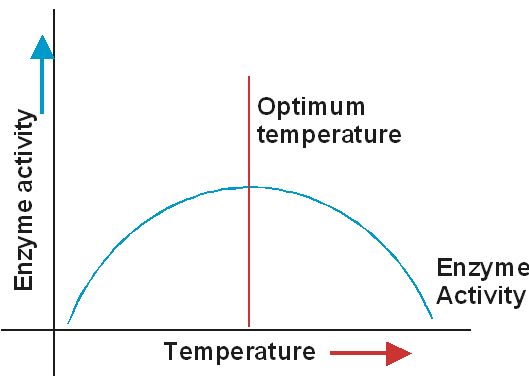
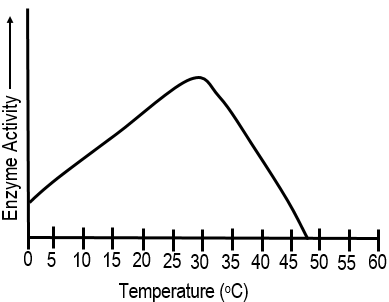
Based on the graph, what is the optimal temperature for this enzyme? 
a)
15oC
b)
40oC
c)
30oC
d)
35oC
29.
An enzyme speeds up a chemical reaction in the cell but can only be used once.  True or False? 
a)
true
b)
false
30.
Enzymes are considered to be 
a)
Lipids
b)
Carbohydrate
c)
Protein
d)
Nucleic Acid
31.
What is the purpose  of an enzyme?
a)
give permission for the reaction
b)
raise activation energy
c)
speed up reactions
d)
control how many reactions occur
32.
Where do substrates bind on an enzyme?
a)
voltage-gated channels
b)
surface receptor
c)
calcium channels
d)
active site
33.
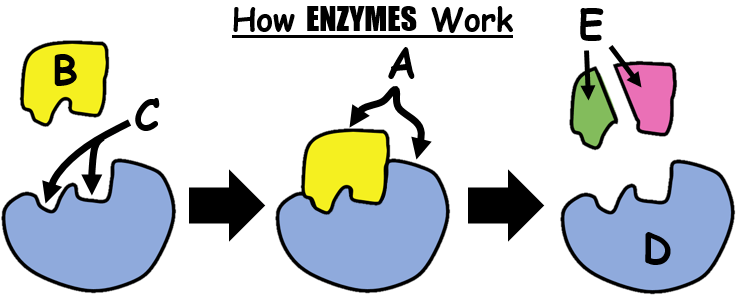
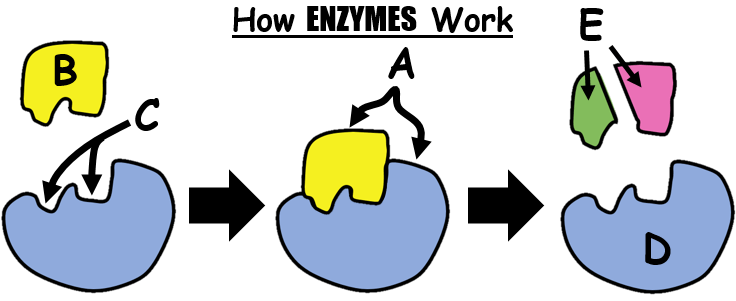
What is structure A?
a)
Substrate
b)
Active site
c)
Enzyme
d)
Products
34.
What 3 letters do enzymes typically end in?
a)
-ose
b)
-ase
c)
-ese
d)
-tic
35.
What is the name for the mechanism of enzyme activity?
a)
Lock and key
b)
jigsaw puzzle
c)
hammer and nail
d)
two hands pattern
36.
At 40 degrees Celsius, your biological enzymes will...
a)
Functional optimally
b)
Denature
c)
Wait until the temp. increases
d)
Wait until the temp. decreases
37.
Which of the following conclusions can be drawn from this graph?
a)
The optimum pH of the enzyme is 6.6.
b)
The optimum pH of the enzyme is 5.8
c)
The enzyme’s activity increases as pH increases 5.0 to 9.0
d)
The enzyme’s activity is greater around pH of 8.0 .
38.
What makes an enzyme substrate specific?
a)
Size
b)
Shape
c)
Name
d)
Location it is found in
39.
The part of the enzyme that the substrate bonds to is called the _____.
a)
active site
b)
activation energy
c)
bond site
d)
peptide bond
40.
The pH scale is a range from:
a)
1-7
b)
0-14
c)
1-14
d)
1-20
41.
A(n) ______ is a substance with a pH less than 7
a)
Acid
b)
Alkaline
c)
Base
d)
Buffer
42.
A(n) _______ is a substance with a pH greater than 7.
a)
Base
b)
Acid
c)
Buffer
d)
Water
43.
What is the only substance with a neutral pH of 7?
a)
Milk
b)
Orange Juice
c)
Water
d)
Blood
44.
Which solution releases H+ in solution?
a)
Base
b)
Acid
c)
Buffer
d)
Water
45.
This substance releases OH- into solution
a)
Acid
b)
Base
c)
Neutral
46.
A solution with a pH of 3.6 would be...
a)
Acid
b)
Base
c)
Neutral
d)
Acid and Base
47.
A solution with a pH of 8.6 would be...
a)
Acid
b)
Base
c)
Neutral
d)
Acid and Base
48.
Which is most acidic?
a)
Baking Soda
b)
Lemon Juice
c)
Black Coffee
d)
Milk
49.
Tastes Sour
a)
Acids
b)
Bases
c)
Salts
d)
All
50.
Tastes bitter.
a)
Acids
b)
Bases
c)
Salts
d)
All
51.
According to the pH range which substance is more acidic than lemon juice
a)
Hydrochloric acid
b)
cabbage
c)
milk
52.
Bleach is a strong base, what is the pH level of bleach?
a)
13
b)
14
c)
1
d)
2
53.
Feels slippery.
a)
Acids
b)
Bases
c)
All
54.
Proteins are made of monomers called ___________
a)
Nucleotides
b)
Monosaccharides
c)
Amino Acids
d)
Glycerol and fatty acids
55.

The element _______is found in all of the organic compounds.

a)

Iron

b)

Nitrogen

c)

Carbon

d)

Sulfur

56.
_________ are composed out of carbon (C), hydrogen (H), oxygen (O), nitrogen (N), and phosphorus (P)
a)
Carbohydrates
b)
Lipids
c)
Proteins
d)
Nucleic Acids
57.
DNA and RNA are examples of 
a)
Carbohydrates
b)
Lipids
c)
Proteins
d)
Nucleic Acids
58.
Nucleotides are monomers of
a)
Carbohydrates
b)
Lipids
c)
Proteins
d)
Nucleic Acids
59.
Monosaccharides are monomers of
a)
Carbohydrates
b)
Lipids
c)
Proteins
d)
Nucleic Acids
60.
Waxes, oils and fats are examples of
a)
Carbohydrates
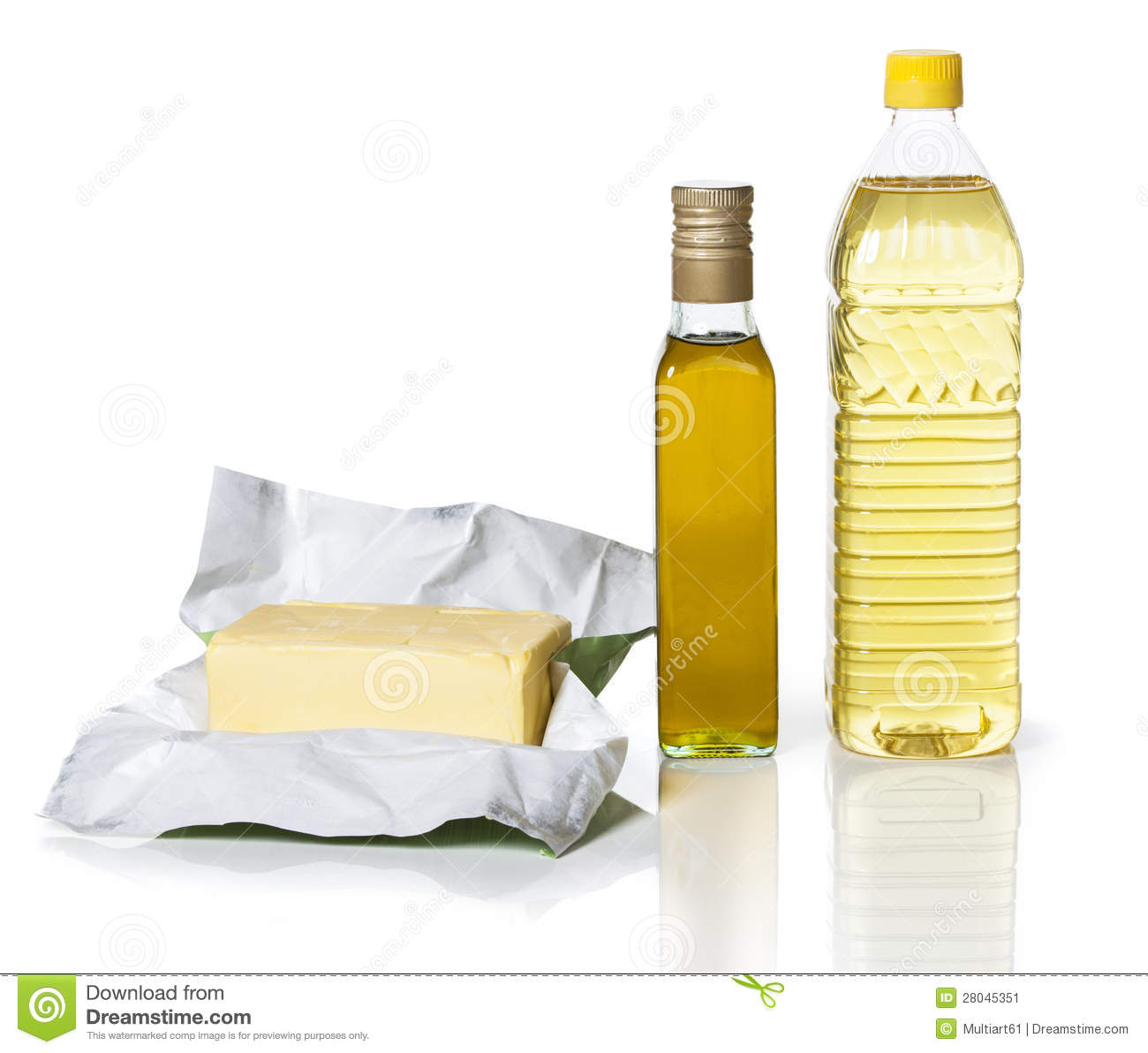
b)
Lipids
c)
Proteins
d)
Nucleic Acids
61.
Glycerol and fatty acids are the monomers of
a)
Carbohydrates
b)
Lipids
c)
Proteins
d)
Nucleic Acids
62.

The organic compounds that have many structural purposes and are used to speed up reactions within the

cell are called ____________________.

a)

Carbohydrates

b)

Lipids

c)

Proteins

d)

Nucleic Acids

63.

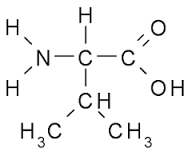
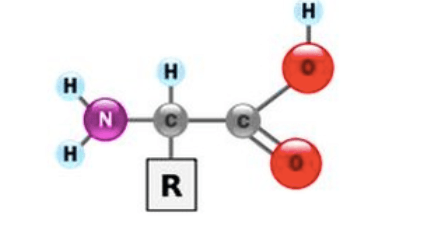
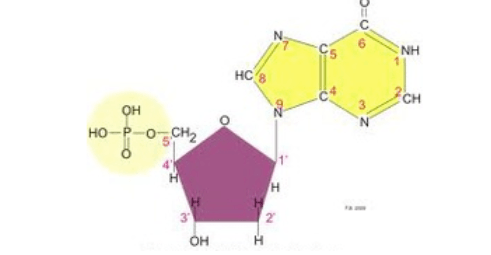
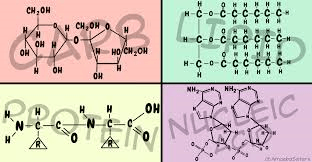
Which macromolecule building block is shown?

View Figure 1 (if not visible)

a)

lipid

b)

protein

c)

nucleic acid

d)

carbohydrate

64.
What is the function of nucleic acids?
a)
store genetic information
b)
store energy (long-term)
c)
store energy (short-term)
d)
build skin, hair, nails, muscles
65.
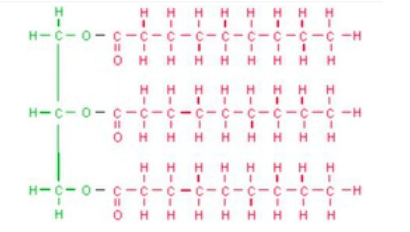
Which macromolecule is shown?
 View Figure 4 (if not visible)
a)
lipid
b)
protein
c)
nucleic acid
d)
carbohydrate
66.
What type of macromolecule are enzymes?
a)
Protein
b)
Carbohydrate
c)
Lipid
d)
Nucleic Acid
67.
Which of the following organic compounds is the main source of energy for living things?
a)
carbohydrates
b)
lipids
c)
nucleic acids
d)
proteins
68.
Carbohydrates are made of... 
a)
C H O
b)
C H O N
c)
C H O N P
d)
C H O N S
69.
Carbohydrates are made of... 
a)
C H O
b)
C H O N
c)
C H O N P
d)
C H O N S
70.
Lipids are made of... 
a)
C H O
b)
C H O N
c)
C H O N P
d)
C H O N S
71.

Proteins are made of...

a)

C H O

b)

C H O N

c)

C H O N P

d)

C H O N S

72.
Which macromolecule stores energy, insulates us, and makes up the cell membrane?
a)
lipids
b)
proteins
c)
carbohydrates
d)
nucleic acids
73.
This is one job proteins do NOT have in the body
a)
insulation
b)
structure for tissues and organs
c)
speed up chemical reactions
d)
transport things through cell membrane
74.
Which macromolecule is made of simple and complex sugars?
a)
lipids
b)
proteins
c)
carbohydrates
d)
nucleic acids
75.
What are the four macromolecules?
a)
proteins, nucleic acids, carbohydrates, and lipids
b)
monosaccharides, lipids, polysaccaharides, and proteins
c)
RNA, DNA, proteins, and carbohydrates
d)
proteins, DNA, RNA, and steroids
76.
All of the following are examples of lipids except:
a)
oil
b)
wax
c)
fatty acid
d)
cellulose
77.

Monomer is to Macrocolecule like ___ is to ____

a)

Building is to Bricks.

b)

Brick is to Building.

c)

Carpenter is to Building.

d)

Building is to Carpenter.

78.
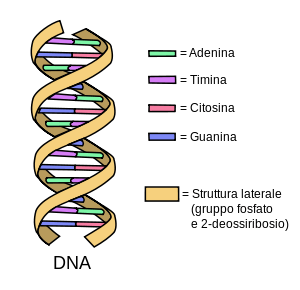
What is the correct name of the macromolecule in the diagram below and what is its correct function?
a)
Nucleic acid/ Storage of energy
b)
Protein/ Formation of enzymes
c)
Nucleic acid/ Contains genetic information
d)
Lipid/ Water soluble membranes
79.
The following is a diagram of the product of protein synthesis. This protein is a chain of a certain molecule. The molecule labeled Z is most likely classified as
a)
Amino acid
b)
Polypeptide
c)
Glycerol
d)
Sugar
80.
Where do substrates bind on an enzyme?
a)
voltage-gated channels
b)
surface receptor
c)
calcium channels
d)
active site
81.
Enzymes are capable of increasing the rate of a chemical reaction within a living cell.  Enzymes accomplish this through which of the following means?
a)
reducing the number of products   
b)
reducing the activation energy
c)
increasing the temperature of the cell
d)
increasing the concentration of reactants 
82.
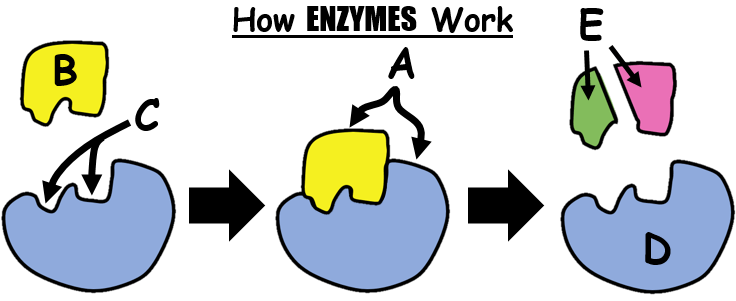
What is structure A?
a)
Substrate
b)
Active site
c)
Enzyme
d)
Products
83.
What is structure D?
a)
Substrate
b)
Active site
c)
Enzyme
d)
Products
84.
What is structure C?
a)
Substrate
b)
Active site
c)
Enzyme
d)
Products
85.
What is structure E, F, G?
a)
Substrate
b)
Active site
c)
Enzyme
d)
Products
86.
What is a substance called if it speeds up a chemical reaction?
a)
reusable
b)
catalyst
c)
specific
d)
fragile
87.
What 3 letters do enzymes typically end in?
a)
-ose
b)
-ase
c)
-ese
d)
-tic
88.

Changes in pH and temperature can damage an enzymes active site. What is this called?

a)

reusable

b)

catalyst

c)

specific

d)

denature

89.
Which of the following conclusions can be drawn from this graph?
a)
The optimum pH of the enzyme is 6.6.
b)
The optimum pH of the enzyme is 5.8
c)
The enzyme’s activity increases as pH increases 5.0 to 9.0
d)
The enzyme’s activity is greater around pH of 8.0 .
90.
The monomer of a lipid is called...
a)
a nucleotide
b)
a monosaccharide
c)
an amino acid
d)
a fatty acid
91.
The monomer of a protein is called...
a)
an amino acid
b)
a monosaccharide
c)
a fatty acid
d)
a nucleotide
92.
The monomer of a nucleic acid is called... 
a)
an amino acid
b)
a fatty acid
c)
a monosaccharide
d)
a nucleotide
93.
The monomer of a carbohydrate is called...
a)
a monosaccharide
b)
a fatty acid
c)
an amino acid
d)
a nucleotide
94.
The monomer of a carbohydrate is called...
a)
a monosaccharide
b)
a fatty acid
c)
an amino acid
d)
a nucleotide
95.
Monomers combine to form ________ through the process of ________.
a)
polymers; hydrolysis
b)
polymers; dehydration synthesis
c)
monomers; hydrolysis
d)
monomers; dehydration synthesis
96.
Fatty acids and glycerol form the polymer....
a)
carbohydrates
b)
lipids
c)
proteins
d)
nucleic acids
97.
amino acids are connected with ______ bonds to form _______.
a)
peptide; proteins
b)
peptide; lipids
c)
hydrogen; proteins
d)
hydrogen; lipids
98.
Nucleotides combine to form...
a)
lipids
b)
carbohydrates
c)
proteins
d)
nucleic acids
99.
monosaccharides combine to form....
a)
carbhoydrates
b)
lipids
c)
proteins
d)
nucleic acids
100.
____________ is a synonym for protein.
a)
Polysaccharide
b)
Polypeptide
c)
Polymerose
d)
Polyprotein
101.
Which of the following is an example of an enzyme?
a)
glucose
b)
lipase
c)
DNA
d)
polysaccharide
102.
What are the four biological molecules?
a)
proteins, carbohydrates, lipids, nucleic acids
b)
A, T, C, G
c)
water, air, earth, and fire
d)
Joe, Nick, and Kevin Jonas
103.
Which biomolecule is also known as enzymes?
a)
Carbohydrate
b)
Lipid
c)
Nucleic Acid
d)
Protein
104.
Which biomolecule are in starches and fibers?
a)
Lipid
b)
Protein
c)
Nucleic Acid
d)
Carbohydrate
105.
Which biomolecule is made of nucleotides and contain you DNA?
a)
Carbohydrate
b)
Lipids
c)
Protein
d)
Nucleic Acid
106.

Which biomolecule helps form muscles?

a)

Nucleic Acid

b)

Carbohydrate

c)

Protein

d)

Lipids

107.
Which biomolecule is responsible for insulation and energy storage?
a)
Protein
b)
Nucleic Acid
c)
Lipid
d)
Carbohydrate
108.
Which biomolecule is made of amino acids?
a)
Nucleic Acid
b)
Carbohydrate
c)
Protein
d)
Lipid
109.
Which biomolecule is your main source of quick energy?
a)
Nucleic Acid
b)
Protein
c)
Lipid
d)
Carbohydrate
110.
Which biomolecule contains fats and oils?
a)
Proteins
b)
Nucleic Acid
c)
Lipids
d)
Carbohydrate
111.
Which biomolecule contain your genetics?
a)
Carbohydrate
b)
Lipid
c)
Nucleic Acid
d)
Protein
112.
Proteins don't have specific shapes.
a)
True
b)
False
113.
The conditions for an enzyme to work need to be ____________
a)
specific
b)
normal
c)
variable
d)
don't matter
114.
Enzymes produce a specific reaction.
a)
True
b)
False
115.
If you want a reaction to speed up you need an _________.
a)
nucleic acid
b)
enzyme
c)
nerve cell
d)
carbohydrate
116.
Once an enzyme does it's work, the enzyme is ___________.
a)
destroyed
b)
unchanged
c)
duplicated
d)
changed
117.
What biomolecule do enzymes belong to? 
a)
Carbohydrate
b)
Lipid
c)
Nucleic Acid
d)
Protein
118.
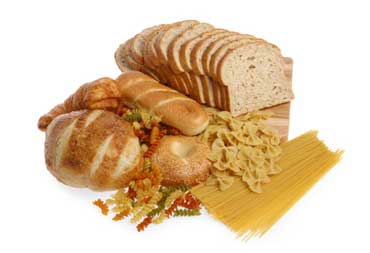
Which biomolecule is found in pasta and bread?
a)
Lipid
b)
Protein
c)
Nucleic Acid
d)
Carbohydrate
119.
Which biomolecule is a main source of quick energy?
a)
Nucleic Acid
b)
Protein
c)
Lipid
d)
Carbohydrate
120.
Which biomolecule is found in fats, oils, and waxes and is a source of long-term energy
a)
Proteins
b)
Nucleic Acid
c)
Lipids
d)
Carbohydrate
121.
What is the function of a nucleic acid?
a)
Stores genetic information
b)
Stores energy
c)
Quick source of energy
d)
Builds structures
122.
Carbon, Hydrogen, Oxygen and Nitrogen are elements in what biomolecule?
a)
Carbohydrate
b)
Lipid
c)
Protein
d)
Nucleic acid
123.
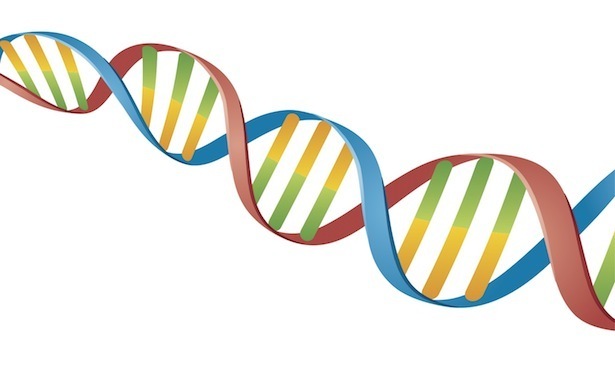
Which biomolecule is this a picture of?
a)
Protein
b)
Nucleic Acid
c)
Lipid
d)
Carbohydrate
124.
Which biomolecule is this a picture of?
a)
Protein
b)
Nucleic Acid
c)
Lipid
d)
Carbohydrate
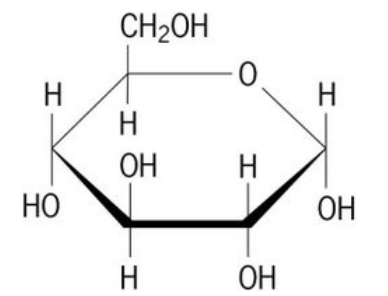
125.
Which biomolecule is this a picture of?
a)
Protein
b)
Nucleic Acid
c)
Lipid
d)
Carbohydrate
126.
Which biomolecule is made of nucleotides and contain you DNA?
a)
Carbohydrate
b)
Lipids
c)
Protein
d)
Nucleic Acid
127.
Which biomolecule is this a picture of?
a)
Protein
b)
Nucleic Acid
c)
Lipid
d)
Carbohydrate
128.
Which biomolecule has sugars and starches?
a)
Lipids
b)
Proteins
c)
Carbohydrates
d)
Nucleic Acid
129.
What type of molecule is this?
a)
Nucleic acid
b)
Protein
c)
Carbohydrate
d)
Lipid
130.
What elements are common to all 4 biomolecules?
a)
Carbon, hydrogen, nitrogen
b)
Carbon, Nitrogen, Phosphorus
c)
Carbon, Hydrogen, Oxygen
d)
Carbon, Hydrogen, Phosphorus
131.
A monomer is ...
a)
a single atom
b)
a building block for polymers
c)
a single element
d)
is an inorganic molecule
132.
Enzymes are considered to be 
a)
Lipids
b)
Carbohydrate
c)
Protein
d)
Nucleic Acid
133.
What is the purpose  of an enzyme?
a)
give permission for the reaction
b)
raise activation energy
c)
speed up reactions
d)
control how many reactions occur