wayground logo

Free Printable Worksheets

Font size

S
M
L
XL
Worksheets

Biochemistry Unit Test Study Game

Total questions: 138

Worksheet time: 4hrs 40mins

Name
Class
Date
1.
The atomic number is defined by the number of _______.
a)
protons
b)
neutrons
c)
electrons
d)
atoms
2.
The positively charged particle in an atom is the ______.
a)
proton
b)
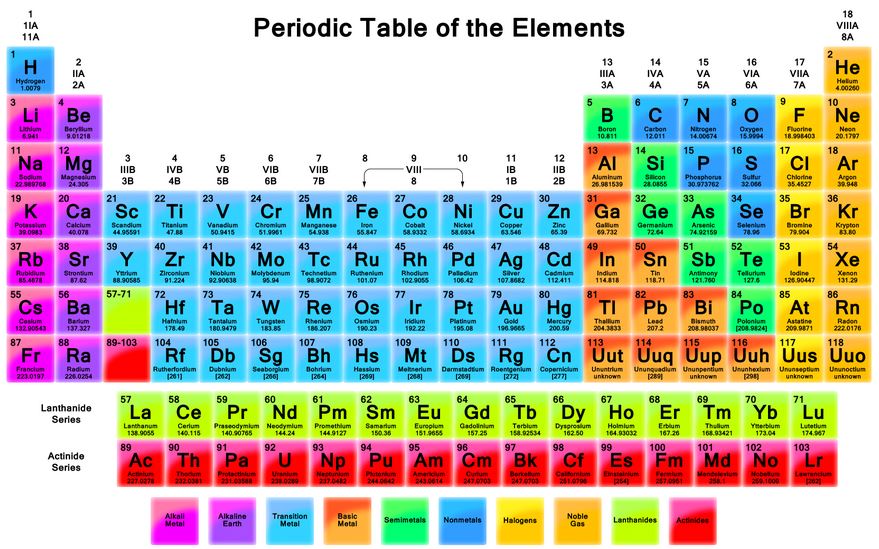
neutron
c)
electron
3.
The negatively charged particle in an atom is the _______.
a)
neutron
b)
electron
c)
proton
d)
boson
4.
The neutrally charged particle in an atom is the _______.
a)
proton
b)
neutron
c)
electron
d)
boson
5.
Water sticking to other water molecules is called _____.
a)
adhesion
b)
cohesion
c)
surface tension
d)
universal solvent
6.
Water sticking to other substances is called ______.
a)
adhesion
b)
cohesion
c)
surface tension
d)
universal solvent
7.
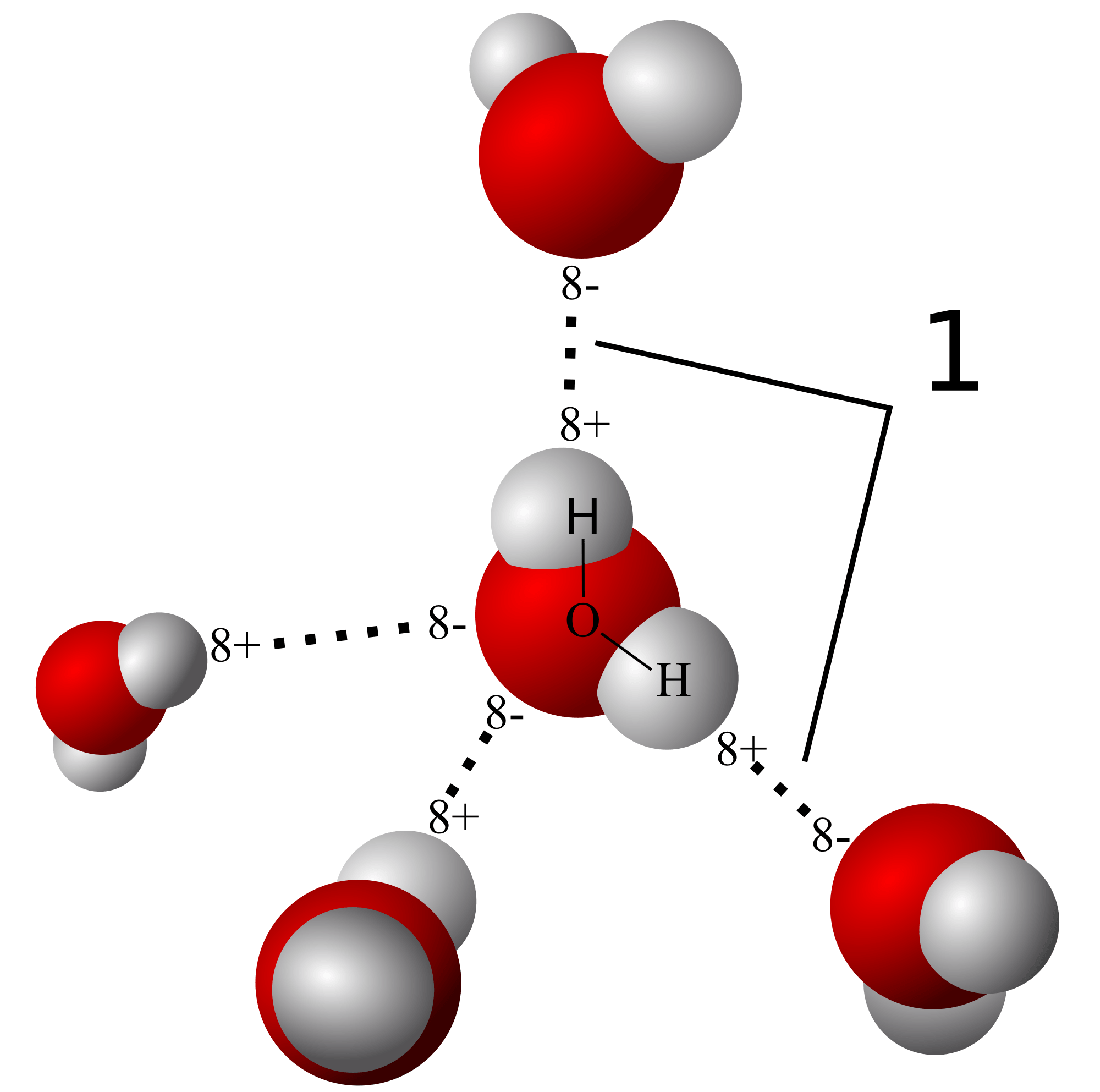
Water is a polar covalent molecule.  This means that it has a slightly positive end and a slightly negative end.  Which of the following will it NOT dissolve?  
a)
other polar covalent molecules
b)
ionic compounds
c)
nonpolar covalent molecules
8.
Water is a polar covalent molecule.  This means that it has a slightly positive end and a slightly negative end.  Which of the following will it NOT dissolve?  
a)
other polar covalent molecules
b)
ionic compounds
c)
nonpolar covalent molecules
9.
The elements C, H, O, N, P, and S have what in common?  
a)
They are all used to make organic macromolecules.  
b)
They are all metals.  
c)
They all form ionic compounds with group 7.
d)
They are all noble gases.  
10.
Glucose is a carbohydrate.  What is one of the functions of glucose?  
a)
Short term energy source
b)
Long term energy source
c)
Making cells more flexible
11.
Fats and oils are important lipids for several functions in the cell.  Which of the following IS NOT a function of a lipid?  
a)
Building cellular structures like the cell wall of a plant
b)
Making cell membranes more flexible.  
c)
Long term energy storage
d)
Insulation of multicellular organisms
12.
The enzyme catalase breaks down the toxin hydrogen peroxide in a cell.  If a cell has a lot of the enzyme catalase, it should 
a)
Have less hydrogen peroxide present.  
b)
Have more hydrogen peroxide present.
c)
have no effect on the amount of hydrogen peroxide present.  
13.
Which of the following has a full valence shell?
a)
Oxygen
b)
Neon
c)
Barium
d)
Carbon
14.
Elements on the LEFT side of the periodic table will most likely form:
a)
Positive ions
b)
Negative ions
c)
Neutral Ions
d)
None of these
15.
An ionic bond forms when atoms ___________ electrons.
a)
gain
b)
share
c)
increase
d)
transfer
16.
Which type of bond has an equal sharing of electrons?
a)
Polar Covalent 
b)
Non Polar Covalent
c)
Ionic
d)
Metallic
17.
Which type of bond has an unequal sharing of electrons?
a)
Polar Covalent 
b)
Non Polar Covalent
c)
Ionic
d)
Metallic
18.
Chemical bonds form when atoms
a)
combined nuclei
b)
give up neutrons
c)
gain protons
d)
share or transfer electrons
19.
If an atom loses two electrons what charge will it have?
a)
+ 2
b)
 - 2
c)
+1
d)
-1
20.
If an atom gains one electron what charge will it have?
a)
-2
b)
-1
c)
+1
21.
Covalent compounds
a)
Share electrons
b)
transfer electrons
c)
contain a sea of electrons
d)
conduct electricity
22.
What is the number of valence electrons for Oxygen?
a)
8
b)
6
c)
2
d)
1
23.
What is the number of valence electrons for Oxygen?
a)
8
b)
6
c)
2
d)
1
24.
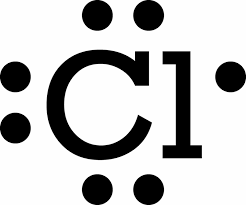
How many valence electrons in this structure?
a)
6
b)
5
c)
4
d)
7
25.

This could be the dot diagram of

a)

Mg

b)

Cl

c)

C

d)

O

26.

This is a correct dot diagram for nitrogen (N)

a)

true

b)

false

27.

Which of these is incorrect?

a)
b)
28.

What are valence electrons?

a)

The total number of electrons in an atom

b)

The number of electrons in the outermost shell

c)

The number of electrons in the second shell

d)

The number of protons in the outermost shell

29.

What are the elements (Be, Mg, Ca,...) in Group 2 called?

a)

Alkali metals

b)

Alkaline earth metals

c)

Halogens

d)

Noble Gases

30.

Elements that have atoms with stable valence electron configurations in the ground state are

a)

Group 1

b)

Group 2

c)

Group 17

d)

Group 18

31.
This could be the dot diagram of
a)
P
b)
Ar
c)
Na
d)
B
32.

This could be the dot diagram of an element with the atomic number

a)

8

b)

31

c)

19

d)

36

33.
Most elements will gain or lose electrons so that they end up with _______ valence electrons.
a)
2
b)
6
c)
8
d)
10
34.
How do positive ions form?
a)
by gaining electrons
b)
getting compliments
c)
by losing electrons
d)
gaining more protons
35.

Which of these is correct?

a)
b)
c)
36.
This could be the dot diagram of 
a)
Ne
b)
Si
c)
Al
d)
Be
37.
How do covalent bonds form?
a)
Donating & receiving valence e- between atoms.
b)
Opposite slight charges attract each other between compounds.
c)
Scientists are still not sure how they form.
d)
Sharing valence e- between atoms.
38.
What do we call a covalent bond where electrons are shared UNEVENLY or UNEQUALLY?
a)
Ionic
b)
Polar Covalent
c)
Nonpolar Covalent
d)
Van der Waals Force
39.
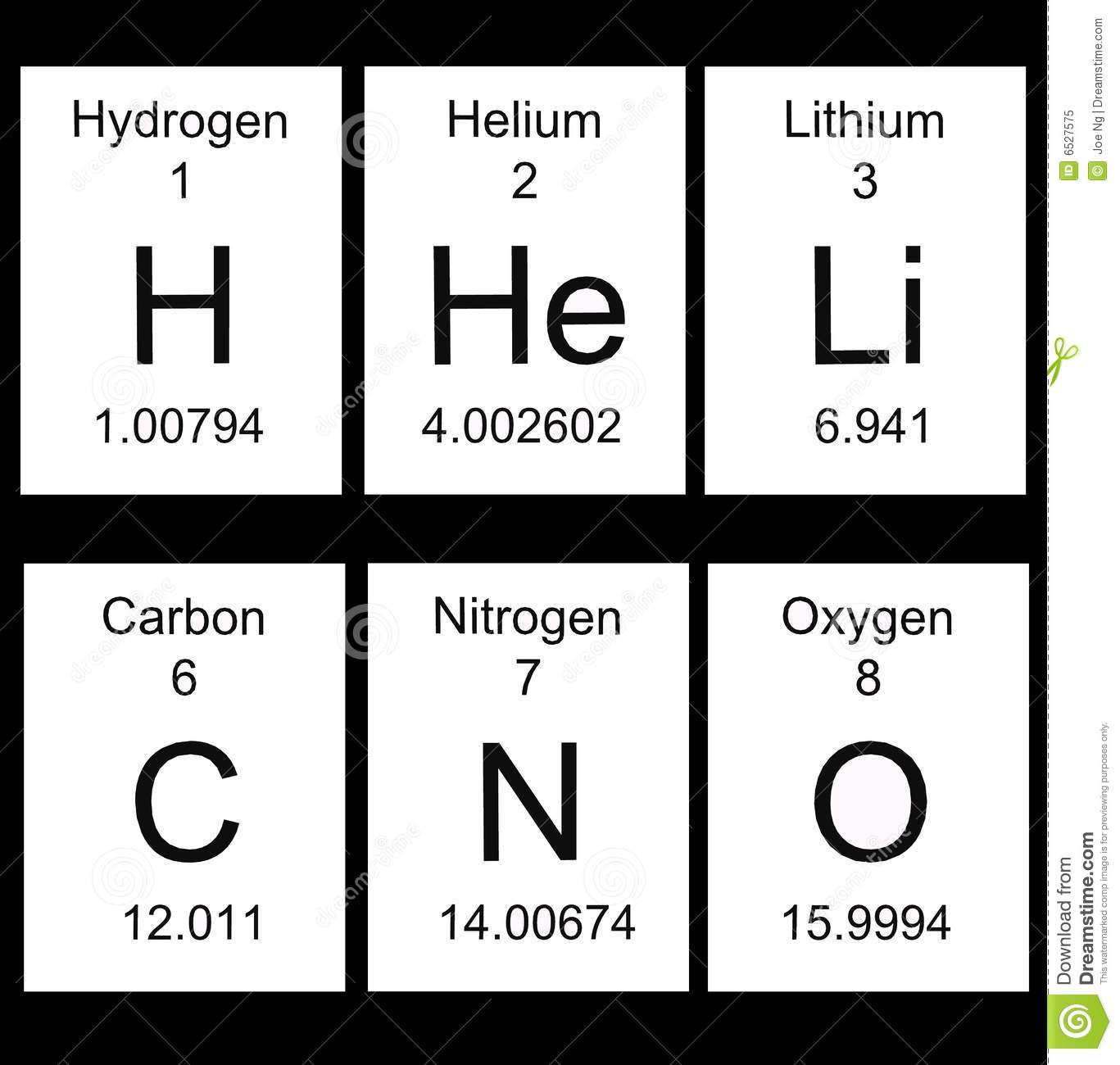
The number at the bottom of each square on the periodic table is the ...
a)
atomic number
b)
atomic mass
c)
chemical symbol
d)
element name
40.
The number at the top of each square on the periodic table is the ...
a)
atomic number
b)
atomic mass
c)
Chemical Symbol
d)
Element Name
41.
What is the chemical symbol for Lithium?
a)
H
b)
He
c)
Li
d)
N
42.
A proton is....
a)
A negatively charged subatomic particle
b)
A positively charged subatomic particle
c)
A neutrally charged subatomic particle
d)
The only subatomic particle located in the nucleus
43.
A neutron has a charge of
a)
+2
b)
No charge
c)
-1
d)
+1
44.
When an atom loses an electron, it becomes a:
a)
positive ion
b)
negative ion
c)
neutral ion
d)
neutral atom
45.
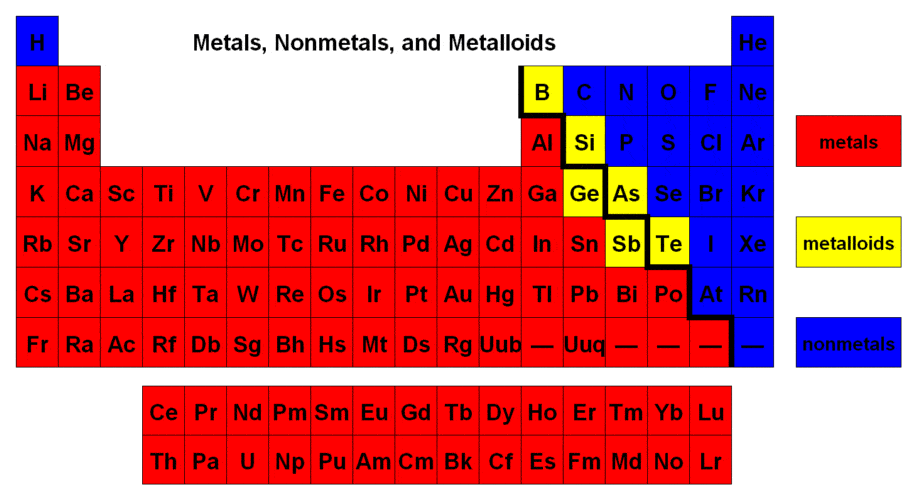
What type of elements will form an ionic bond?
a)
Metals + Metals
b)
Nonmetals + Nonmetals
c)
Metals + Nonmetals
d)
None of the above
46.
What elements generally make an ionic bond?
a)
metal and nonmetal
b)
2 or more nonmetals
c)
metal
d)
none of the above
47.
What elements generally make a covalent bond?
a)
metal and nonmetal
b)
2 or more nonmetals
c)
metal
d)
none of the above
48.
Predict the bond that will form between Sr and S.
a)
Ionic
b)
Covalent
49.
A chemical bond between oppositely charged ions.
a)
compound
b)
ion
c)
covalent bond
d)
ionic bond
50.

What is made when an atom gain an electron?

a)

Neutral(no charge)

b)

Positive ion

c)

Negative ion

51.

Which type of bond transfers electrons

a)

covalent bonds

b)

ionic bonds

c)

hydrogen bonds

52.

Identify the type of bonding between the oxygen and hydrogens in one water molecule.

a)

covalent bonding

b)

hydrogen bonding

c)

ionic bonding

53.

MgO is bonded together with what type of bond?

a)

ionic

b)

covalent

c)

metallic

d)

hydrogen

54.

C6H12O6 has what type of bond holding the atoms together?

a)

ionic

b)

covalent

c)

metallic

d)

Hydrogen

55.
A positively or negatively charged particle.
a)
covalent bond
b)
compound
c)
ion
d)
chemical bond
56.
Elements on the LEFT side of the periodic table will most likely form:
a)
Positive ions
b)
Negative ions
c)
Neutral Ions
d)
None of these
57.
Elements on the LEFT side of the periodic table will most likely form:
a)
Positive ions
b)
Negative ions
c)
Neutral Ions
d)
None of these
58.
Which substance contains bonds that involve a transfer of electrons from one atom to another?
a)
CO2
b)
NH3
c)
KBr
d)
Cl2
59.

Ordinary matter is composed of extremely small particles called:

a)

elements

b)

atoms

c)

bonds

d)

metals

60.

What does the atomic number tell you?

a)

the number of electrons

b)

the number of electrons

c)

the number of protons

d)

the atomic mass

61.

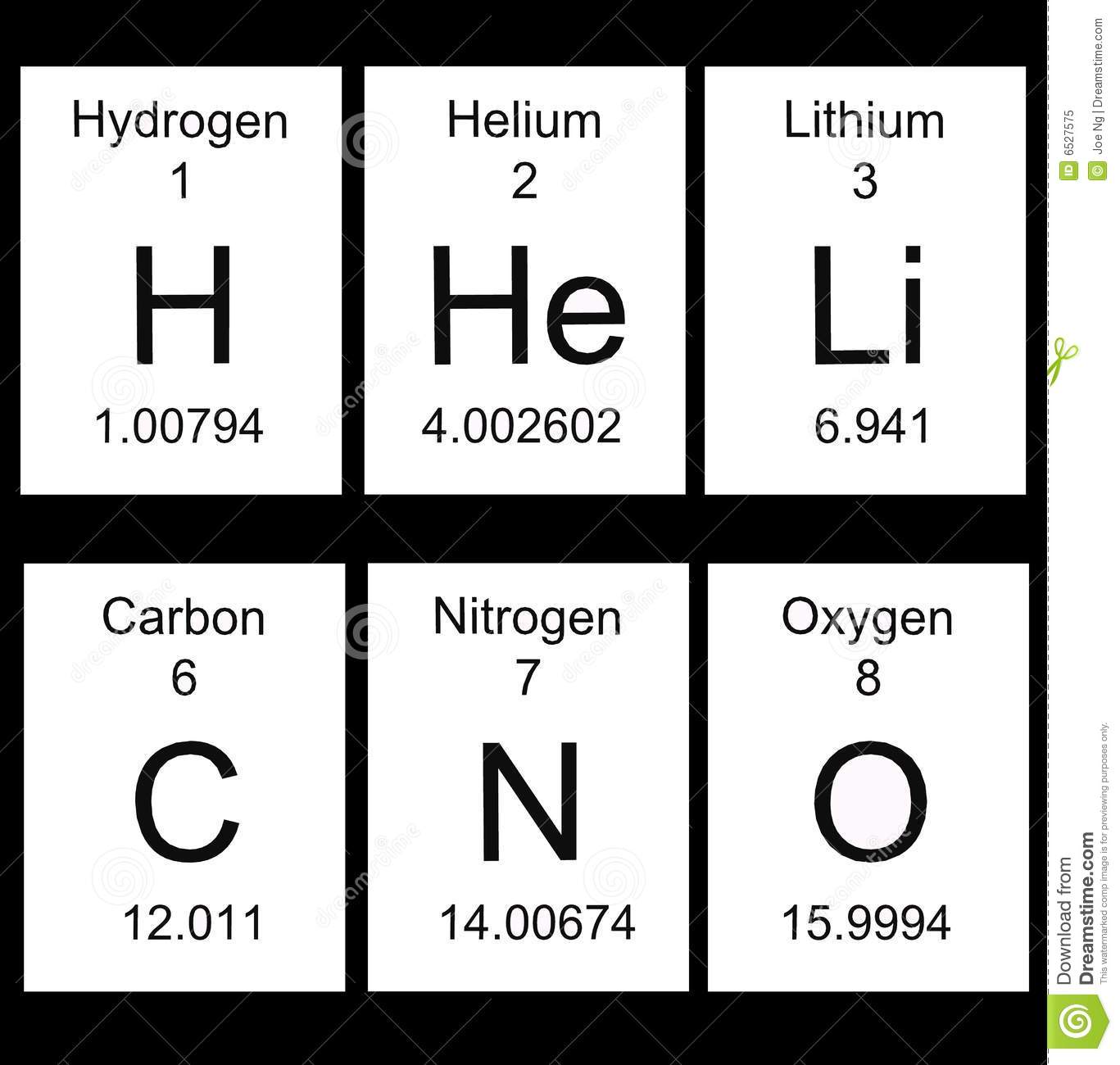
What does the 6 represent in this image?

a)

relevant atomic mass

b)

atomic number

c)

chemical symbol

d)

atomic mass

62.

What does 12.011 represent?

a)

average atomic mass

b)

atomic number

c)

element number

d)

group number

63.

The mass number for the element in the picture would be_______.

a)

12

b)

6

c)

18

d)

12.011

64.

Atoms tend to be stable and nonreactive if they have _________ valence electrons.

a)

2

b)

4

c)

6

d)

8

65.
A one or two letter abbreviation  used to represent an element is called a(n) ________
a)
chemical symbol
b)
element sign
66.

Is this molecule ionic or covalent?

C6H12O6

a)

ionic

b)

covalent

67.

Is the following compound ionic or covalent?


Ba(Cl)2

a)

ionic

b)

covalent

68.

Is the following compound ionic or covalent?


MgSO4

a)

ionic

b)

covalent

69.

Is this compound ionic or covalent?


H2O

a)

ionic

b)

covalent

70.
Which of the following properties of water enables it to move from the roots to the leaves of plants?
a)
Water expands as it freezes.
b)
Water is an excellent solvent.
c)
Water exhibits cohesive behavior.
d)
Water moderates temperature.
71.
What property of water allows it to be such a versatile solvent that it is often called the "universal solvent?"
a)
Purity
b)
Polarity and cohesion
c)
High heat capacity
d)
Expansion upon freezing
72.
Water striders can walk across the surface of calm water. Their feet push the surface of the water down slightly, but they do not break the surface. Why?
a)
The insects are light enough so they do not break the hydrogen bonds holding the water molecules together
b)
The insects actually use their wings to hover slightly above the water’s surface and they only skim it with their feet.
c)
The insect’s feet are non-polar, so they are repelled by the polar water molecules and are pushed away from the water’s surface.
d)
The insects are small enough to see the individual water molecules, so they are able to step carefully from one molecule to the next
73.
What two elements make up water?
a)
Helium and oxygen
b)
Hydrogen and oxygen
c)
helium and carbon
d)
oxygen and carbon
74.
What word describes when water is attracted to other substances?
a)
cohesion
b)
adhesion
c)
capillary action
d)
surface tension
75.
Why can water have no net charge but have slight charges in different parts of the molecule?
a)
The oxygen end is slightly negative and the hydrogen end is slightly positive
b)
The hydrogen end is slightly negative and the oxygen end is slightly positive
c)
The hydrogen and oxygen ends change in polarity
d)
Because it is hydrophobic
76.
Attractions between water molecules are called
a)
Covalent bonds
b)
Ionic bonds
c)
Polar bonds
d)
Hydrogen bonds
77.
The attraction that causes water and other liquids to form drops on thin films is called ________________. This is also water’s ability to be attraction to other water molecules.
a)
adhesion
b)
capillary action
c)
cohesion
d)
surface tension
78.
Why does ice float?
a)
As water freezes, it expands and its density decreases.
b)
As water freezes, it takes up more hydrogen from the atmosphere, causing it to have a greater buoyancy.
c)
As water freezes, air becomes trapped between the hydrogen bonds of water molecules.
d)
As water freezes, it takes up more oxygen from the atmosphere, causing it to have a greater buoyancy.
79.
Water is polar because...
a)
The unequal sharing of electrons gives the water molecule a slight negative charge near its oxygen atom and a slight positive charge near its hydrogen atoms.
b)
The molecule has two poles, at which the it is colder than other regions of the molecule.
c)
The unequal sharing of electrons gives the water molecule a slight negative charge near its hydrogen atoms and a slight positive charge near its oxygen atom.
d)
The water molecule is neutral.
80.
Hydrogen bonding, where the positive ends of water molecules attract the negative ends of other water molecules, cause....
a)
water molecules to repel each other
b)
water molecules to stick together
c)
water molecules to spread out
d)
water molecules to change state easily
81.

If the beaker is filled with water, which of the inks is soluble in water?

a)

A

b)

B

c)

None of the inks are soluble in water.

d)

Both of the inks are soluble in water.

82.

Which explanation BEST describes why water moves up the paper in this experiment?

a)

The specific heat of water is greater than the cohesion between the water molecules.

b)

Adhesion to the paper is higher than the cohesion between the water molecules.

c)

The polarity of water makes the water molecules stick to the ink on the paper.

d)

The water molecules form a tight curve at the surface.

83.

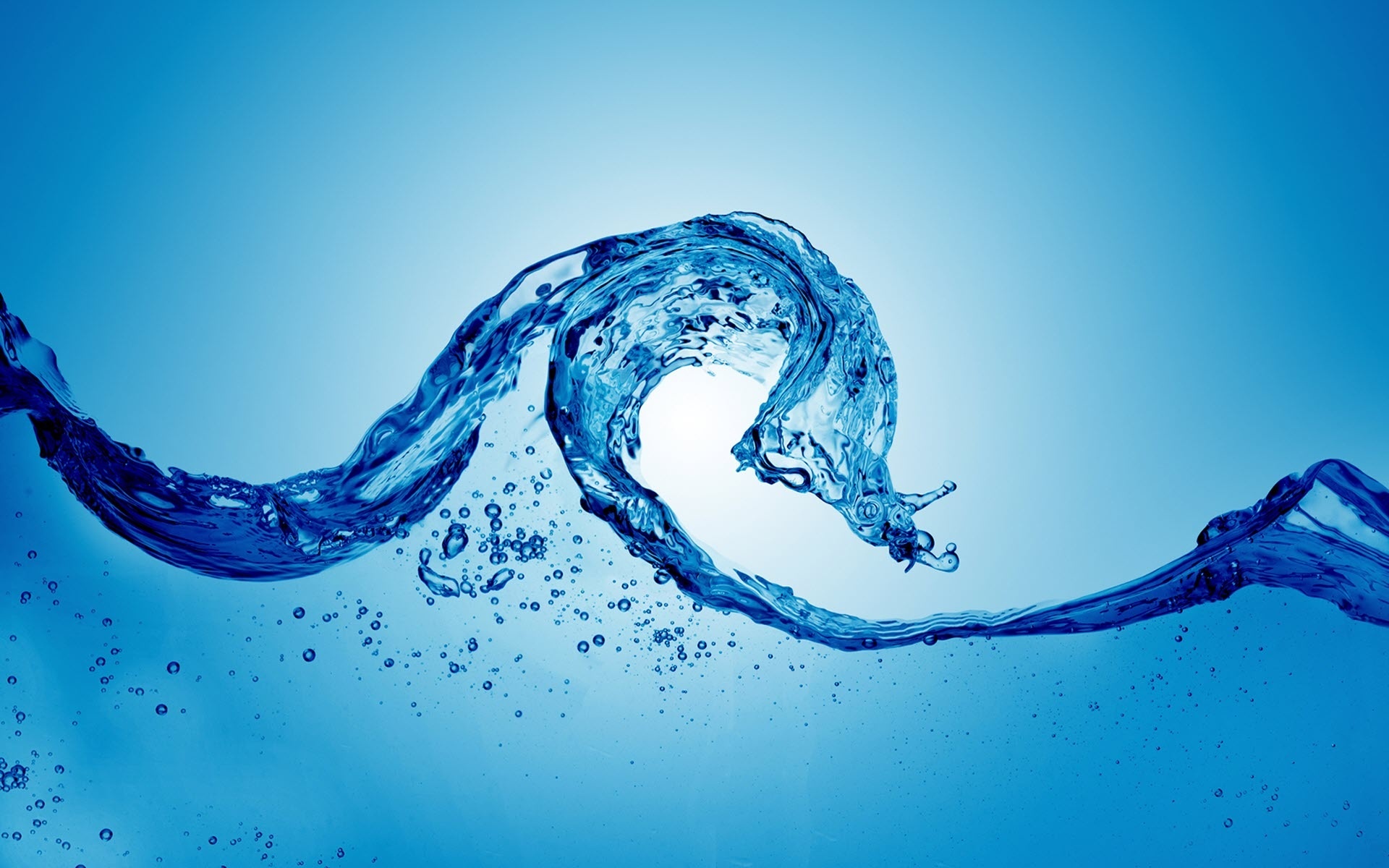
Which property of water is observed in this photograph?

a)

surface tension

b)

high specific heat

c)

cohesion

d)

capillary action

84.

Which property of water is visible in this photo?

a)

surface tension

b)

high specific heat

c)

less dense as solid

d)

capillary action

85.

In this photo, water is demonstrating which property?

a)

adhesion

b)

surface tension

c)

high specific heat

d)

capillary action

86.

Adhesion is an attraction between molecules of different substances, true or false?

a)

T

b)

F

87.

Water's ___________gives it the ability to dissolve both ionic compounds and other polar molecules.

a)

Polar Bears

b)

Liquidity

c)

Polarity

d)

Swimability

88.

Sugar is considered to be a ___________ molecule because it will dissolve in water.

a)

polar covalent

b)

ionic

c)

nonpolar covalent

d)

super

89.
What biomolecule do enzymes belong to? 
a)
Carbohydrate
b)
Lipid
c)
Nucleic Acid
d)
Protein
90.
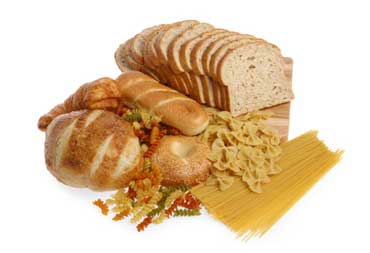
Which biomolecule is found in pasta and bread?
a)
Lipid
b)
Protein
c)
Nucleic Acid
d)
Carbohydrate
91.
Which biomolecule is a main source of quick energy?
a)
Nucleic Acid
b)
Protein
c)
Lipid
d)
Carbohydrate
92.
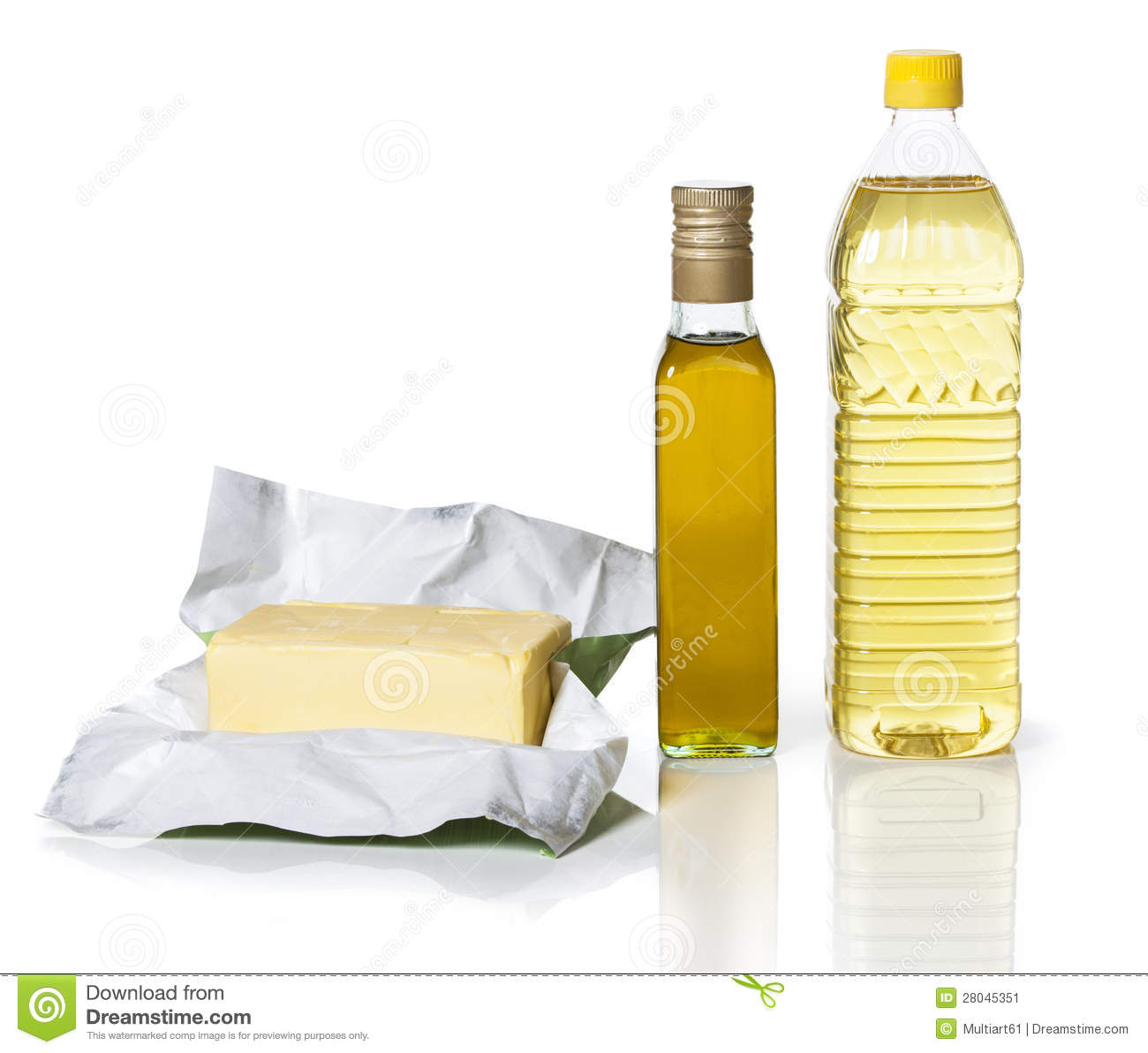
Which biomolecule is found in fats, oils, and waxes and is a source of long-term energy
a)
Proteins
b)
Nucleic Acid
c)
Lipids
d)
Carbohydrate
93.
What is the function of a nucleic acid?
a)
Stores genetic information
b)
Stores energy
c)
Quick source of energy
d)
Builds structures
94.
Carbon, Hydrogen, Oxygen and Nitrogen are elements in what biomolecule?
a)
Carbohydrate
b)
Lipid
c)
Protein
d)
Nucleic acid
95.
Carbon, Hydrogen, Oxygen and Nitrogen are elements in what biomolecule?
a)
Carbohydrate
b)
Lipid
c)
Protein
d)
Nucleic acid
96.
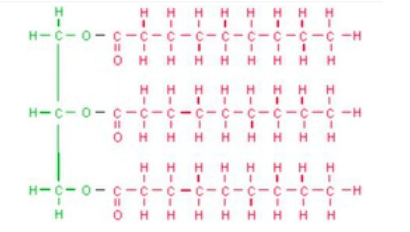
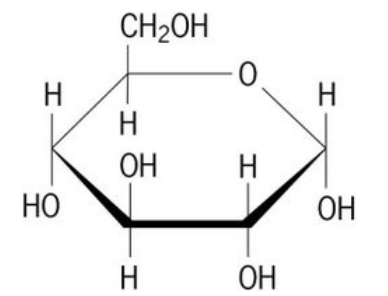
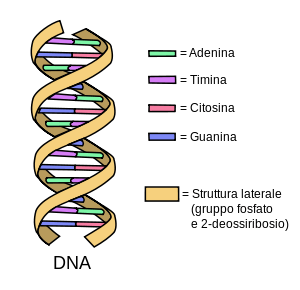
Which biomolecule is this a picture of?
a)
Protein
b)
Nucleic Acid
c)
Lipid
d)
Carbohydrate
97.
Which biomolecule is this a picture of?
a)
Protein
b)
Nucleic Acid
c)
Lipid
d)
Carbohydrate
98.
Carbon, Hydrogen, Oxygen and Nitrogen are elements in what biomolecule?
a)
Carbohydrate
b)
Lipid
c)
Protein
d)
Nucleic acid
99.
Which biomolecule is this a picture of?
a)
Protein
b)
Nucleic Acid
c)
Lipid
d)
Carbohydrate
100.
Which biomolecule is this a picture of?
a)
Protein
b)
Nucleic Acid
c)
Lipid
d)
Carbohydrate
101.
Which biomolecule is this a picture of?
a)
Protein
b)
Nucleic Acid
c)
Lipid
d)
Carbohydrate
102.
Which biomolecule is this a picture of?
a)
Protein
b)
Nucleic Acid
c)
Lipid
d)
Carbohydrate
103.
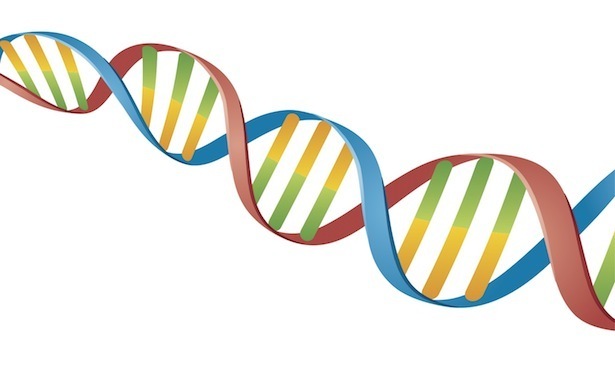
Which biomolecule is made of nucleotides and contain you DNA?
a)
Carbohydrate
b)
Lipids
c)
Protein
d)
Nucleic Acid
104.

Which biomolecule helps form muscles?

a)

Nucleic Acid

b)

Carbohydrate

c)

Protein

d)

Lipids

105.
Which biomolecule is responsible for insulation and energy storage?
a)
Protein
b)
Nucleic Acid
c)
Lipid
d)
Carbohydrate
106.
Which biomolecule has sugars and starches?
a)
Lipids
b)
Proteins
c)
Carbohydrates
d)
Nucleic Acid
107.
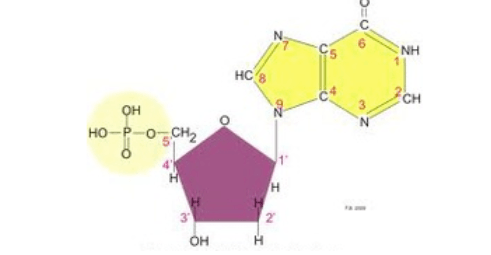
What type of molecule is this?
a)
Nucleic acid
b)
Protein
c)
Carbohydrate
d)
Lipid
108.
What elements are common to all 4 biomolecules?
a)
Carbon, hydrogen, nitrogen
b)
Carbon, Nitrogen, Phosphorus
c)
Carbon, Hydrogen, Oxygen
d)
Carbon, Hydrogen, Phosphorus
109.
A monomer is ...
a)
a single atom
b)
a building block for polymers
c)
a single element
d)
is an inorganic molecule
110.
Enzymes are considered to be 
a)
Lipids
b)
Carbohydrate
c)
Protein
d)
Nucleic Acid
111.
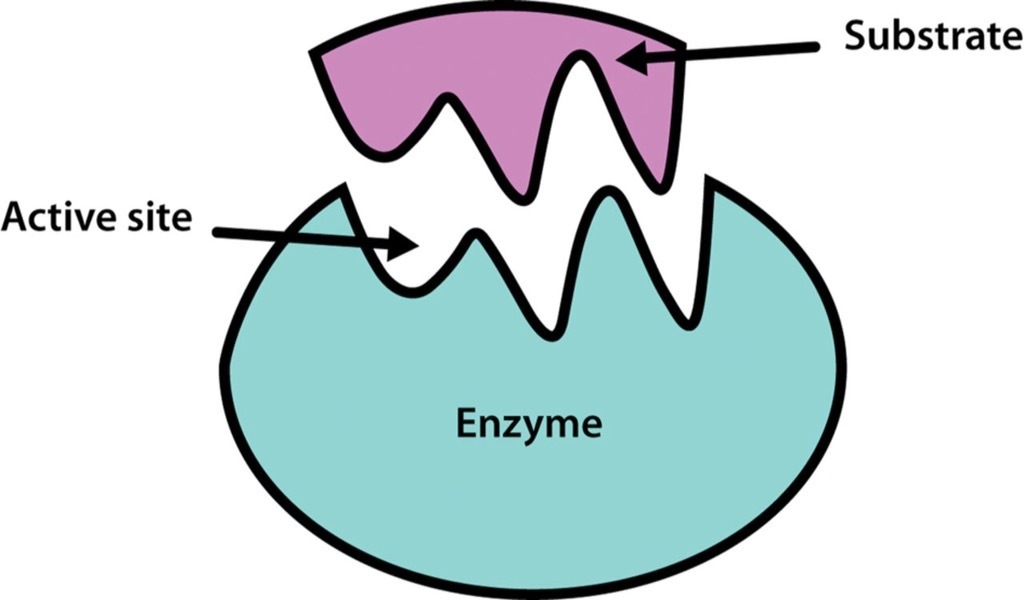
What is the purpose  of an enzyme?
a)
give permission for the reaction
b)
raise activation energy
c)
speed up reactions
d)
control how many reactions occur
112.
Which 2 molecules contains the elements C-H-O and function pertains to energy?
a)
Lipids and Protein
b)
Carbohydrates and Nucleic Acids
c)
Protein and Carbohydrates
d)
Carbohydrates and Lipids
113.
Lipids can be digested into what smaller subunits?
a)
nucleic acids
b)
amino acids
c)
fatty acids
d)
glucose
114.
Which of the following is NOT a biomolecule?
a)
Water
b)
Nucleic Acid
c)
Protein
d)
Lipid
115.
Connects monomers to form a polymer
a)
Dehydration synthesis
b)
hydrolysis
116.
Produces water as a by-product
a)
Dehydration synthesis
b)
Hydolysis
117.
Breaks up polymers, forming monomers
a)
dehydration synthesis
b)
hydrolysis
118.
Water is used to break bonds between polymers
a)
dehydration synthesis
b)
Hydrolysis
119.
Joins amino acids to form a protein
a)
Dehydration synthesis
b)
hydrolysis
120.
Occurs when polysaccharides are digested to form monosaccharides
a)
Dehydration synthesis
b)
hydrolysis
121.
Nucleic Acids breaks up to form nucleotides
a)
Dehydration synthesis
b)
Hydrolysis
122.
The process of removing water in order to form a bond between monomers is called....
a)
Dehydration Synthesis
b)
Hydrolysis
123.
The following figure is illustrating
a)
Dehydration Synthesis
b)
Hydrolysis
124.
The following figure is illustrating
a)
Dehydration Synthesis
b)
Hydrolysis
125.
The following figure is illustrating
a)
Dehydration Synthesis
b)
Hydrolysis
126.

which of the following terms refers to the order in which amino acids are linked together in a protein.

a)

Primary

b)

Secondary

c)

Tertiary

d)

Quaternary

127.

The chain of amino acids folds and coils on itself

a)

Primary

b)

Secondary

c)

Tertiary

d)

Quaternary

128.

The entire polypeptide forms a three-dimensional structure

a)

Primary

b)

Secondary

c)

Tertiary

d)

Quaternary

129.
What is a peptide bond?
a)
Bond that holds two amino acids together.
b)
A bond that holds hydrogen and oxygen molecules together.
c)
A bond that holds the phosphate group of one nucleotide and a sugar of a neighboring nucleotide.
d)
A bond that is formed by the sharing of electrons.
130.
How many different amino acids are there?
a)
15
b)
20
c)
25
d)
30
131.
What is the monomer of proteins?
a)
amino acids
b)
polypeptides
c)
nucleotides
d)
monosaccharides
132.

The diagram shows a bond forming between two amino acids. What is the name of this reaction?

a)

Condensation

b)

Hydrolysis

c)

Pepysis

d)

Oxidation

133.
Refers to the three-dimensional structure of an entire amino acid chain in a protein molecule
a)
tertiary structure
b)
primary structure
c)
secondary structure
d)
fibrous proteins
134.
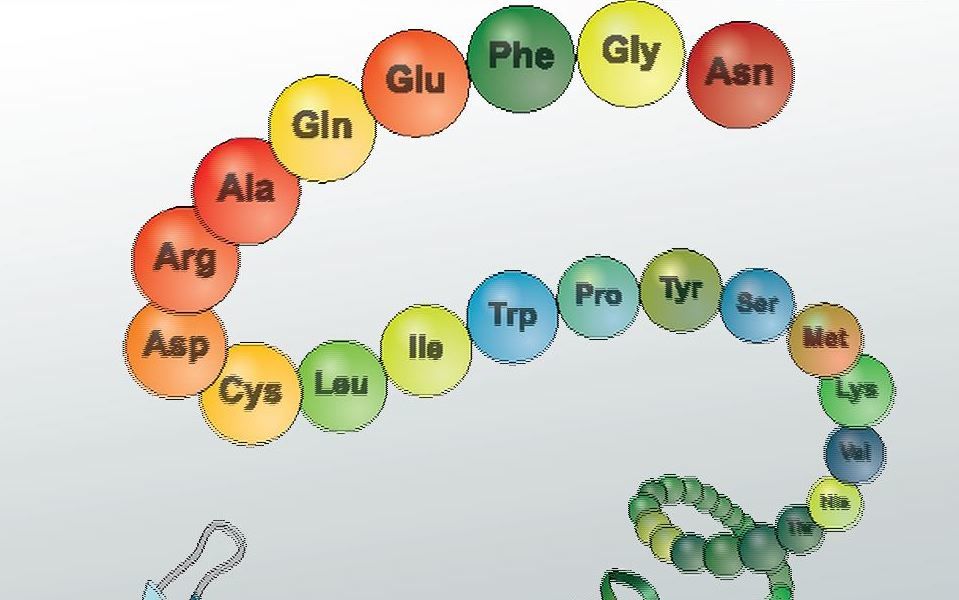
The name of the initial chain of monomers in a protein is called.....
a)
polypeptide
b)
polysaccharide
c)
polyester
d)
polynucleotide
135.
What is the monomer of a protein?
a)
amino acid
b)
monosaccharide
c)
fatty acid
d)
nucleic acid
136.
Water-repelling
a)
hydrophobic
b)
myoglobin
c)
coagulation
d)
gluten
137.
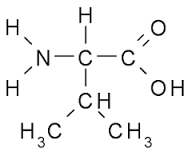
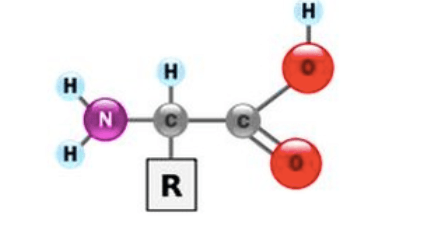
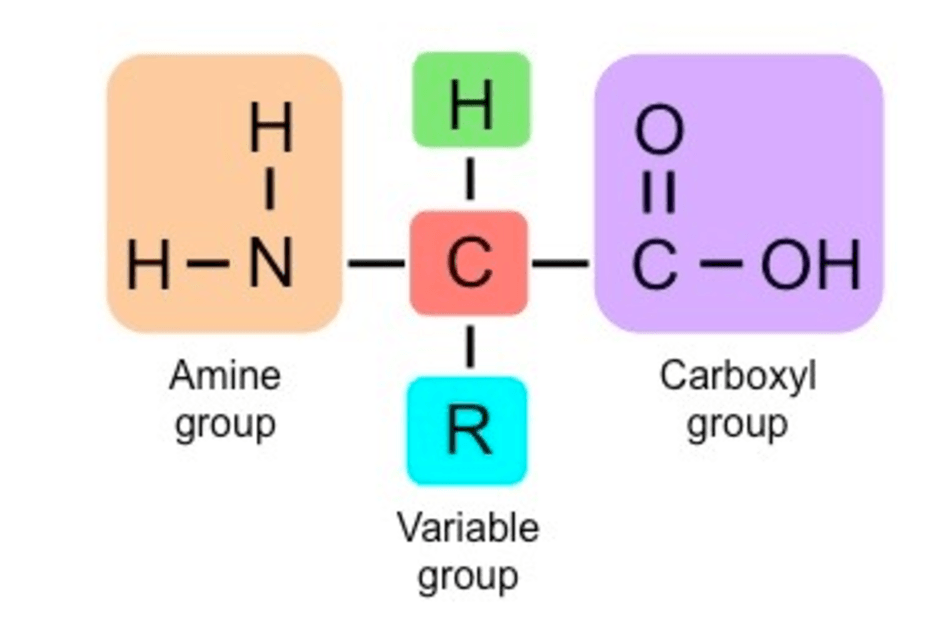
The diagram shows the structure of an amino acid. Which type of molecule is formed from amino acids?
a)
lipids
b)
proteins
c)
carbohydrates
d)
nucleic acids
138.
The bond between two amino acids is called...
a)
Peptide bond
b)
Amino acid bond
c)
Nothing. There isn't a name for it
d)
Hydrogen bond