Wayground logo

Free Printable Worksheets

Font size

S
M
L
XL
Worksheets

Health Science Exam (D)

Total questions: 85

Worksheet time: 50mins

Name
Class
Date
1.
True or False?
The immune system is made up of a network of cells, tissue, and organs that work together to protect the body
a)
True
b)
False
2.
What sort of pathogen causes influenza (flu)?
a)
A bacterium
b)
A virus
c)
A fungus
d)
A protist
3.
Athlete's foot is which type?
a)
Virus
b)
Bacteria
c)
Fungi
d)
Protist
4.
Viruses...
a)
use a host to reproduce
b)
breath oxygen
c)
grow
d)
eat food
5.
Which can be treated with antibiotics?
a)
Virus
b)
Bacteria
c)
Mutagen
d)
Parasite
6.
What does a vaccine do?
a)
Gives you immunity
b)
Gets you sick
c)
Cures you
d)
Kills you
7.
20 people became sick with the flu after a school dance. What is the best explanation for how they got sick?
a)
Contact with environmental source
b)
Contact with an infected animal
c)
contact with a contaminated object
d)
contact with an infected person
8.
Which of the following is a noninfectious disease that affects the respiratory system?
a)
Influenza
b)
Parkinson's disease
c)
Cold
d)
Asthma
9.
The CDC (Center for Disease Control and Prevention) is located where?
a)
Atlanta, GA
b)
Los Angeles, CA
c)
Chicago, IL
d)
Seattle, WA
10.
Which is NOT a way to protect yourself from contracting a communicable disease?
a)
Washing your hands
b)
Participating in high risk behavior
c)
Getting vaccinated
d)
Avoid touching wild animals
11.
A chronic allergic disorder characterized by episodes of severe breathing difficulty, coughing, and wheezing is called
a)
Diabetes
b)
Stroke
c)
Hypertension
d)
Asthma
12.
Hypertension is abnormally low blood pressure.
a)
True
b)
False
13.
What is ring worm?
a)
Virus
b)
Bacteria
c)
Fungi
d)
Parasite
14.
STI's are what kind of disease?
a)
Non-Communicable
b)
Communicable
c)
Both
d)
Neither
15.
A tiny, non-living particle that invades and then multiplies inside a living cell is called
a)
bacteria
b)
a virus
c)
a fungi
d)
a protist
16.
A pattern of eating that includes how much, what, and how often a person eats.
a)
Metabolism
b)
Diet
c)
Calories
d)
Vitamins 
17.
A chemical compound made up of one or more simple sugar e.g. bread, rice, pasta
a)
Protein
b)
Water
c)
Fat
d)
Carbohydrates
18.
Nutrients that build and repair tissues and cells e.g. meat, milk, eggs.
a)
Fat
b)
Minerals
c)
Vitamins
d)
Protein
19.
Elements essential for good health. e.g. Calcium, Iron, Potassium 
a)
Protein
b)
Fat
c)
Minerals
d)
Carbohydrates
20.
The body uses this to carry nutrients and waste. It also helps joints move smoothly.
a)
Fat
b)
Water
c)
Minerals
d)
Vitamin 
21.
Organic compounds that control several body functions. e.g. A, C, K
a)
Carbohydrates
b)
Metabolism
c)
Vitamins
d)
Digestion
22.
The process of breaking down food into a form the body can use.
a)
Diet
b)
Metabolism
c)
Calories
d)
Digestion
23.
Energy storage nutrients that help the body store some vitamins e.g. oils, butter, margarine
a)
Fats
b)
Carbohydrates
c)
Minerals
d)
Vitamins
24.
The amount of energy the body gets from food is measured in.
a)
Metabolism
b)
Diet
c)
Calories
d)
Protein
25.
What is the main reason for eating a wide variety of foods? 
a)
to learn the food label
b)
to provide all the nutrients you need 
c)
to keep from getting bored with your diet 
d)
to help improve physical fitness 
26.
What food group supplies a large amount of protein?
a)
Dairy
b)
Fruit
c)
Meats
d)
Vegetables
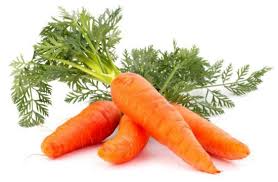
27.
What food group is the above food in?
a)
Vegetable
b)
Fruit
c)
Grain
d)
Dairy
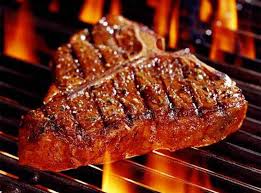
28.
What food group is the above food in?
a)
Dairy
b)
Vegetable
c)
Fruit
d)
Protein
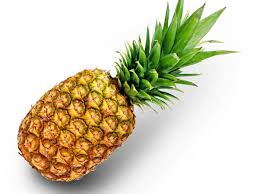
29.
What food group is the above food in?
a)
Grain
b)
Protein
c)
Vegetable
d)
Dairy
30.
What food group is the above food in?
a)
Fruit
b)
Vegetable
c)
Dairy
d)
Grain
31.
Which of the following is true about most fast foods? 
a)
they are low in nutrient density 
b)
they are high in fat and calories 
c)
they are low in vitamins and minerals 
d)
all of the above  
32.
When you don't drink enough water you can become:
a)
silly
b)
hyper
c)
intoxicated 
d)
dehydrated 
33.
WHAT ARE THE 6 NUTRIENTS?
a)
Carbs, Meats, Fibers, Water, Protein, and Dairy
b)
Fruits, Milk, Fibers, Water, Pork, and Vitamins
c)
Carbs, Fats, Minerals, Water, Proteins, and Vitamins
d)
Carbs, Fats, Fibers, Cheese, Protein, and Vegtables
34.

About how many calories should a kid your age have each day?

a)

800

b)

1,200

c)

2,000

d)

3,000

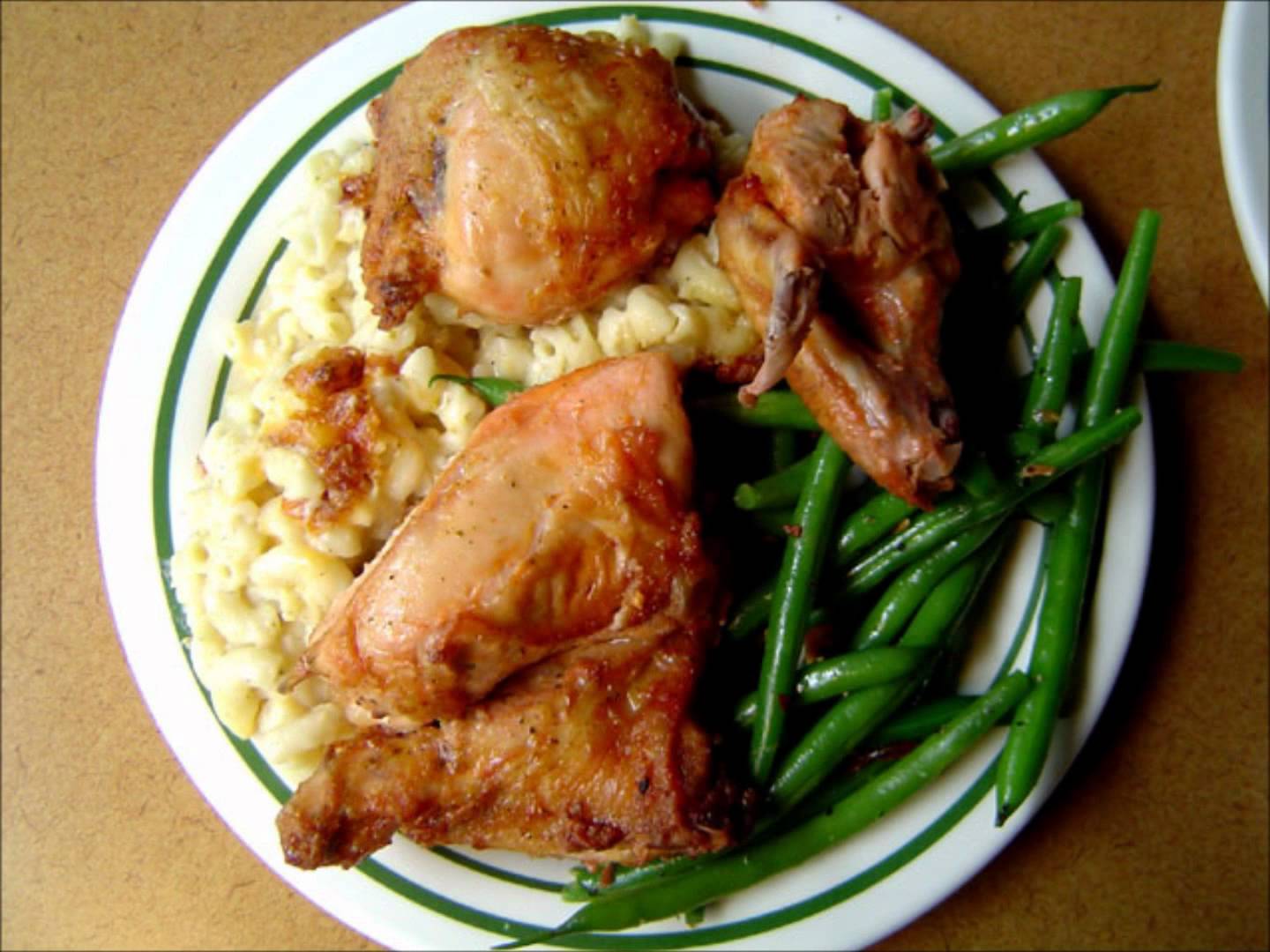
35.

What food group is missing from this plate?

a)

Grains

b)

Fruits

c)

Dairy

d)

Protein

36.
When this forms on your teeth, it can cause cavities
a)
Enamel
b)
Crown
c)
Plaque
d)
Fluoride 
37.
The outer layer of your tooth
a)
nerve
b)
dentin
c)
enamel 
d)
root
38.
What is a tiny hole in your tooth called?
a)
plaque
b)
cavity
c)
germ
d)
root
39.
Which teeth are identified in this picture?
a)
incisors
b)
premolars
c)
molars
d)
canines
40.
You should floss your teeth every day
a)
TRUE
b)
FALSE
41.
The top half of the tooth
a)
Crown
b)
Root
42.
The bottom half of the tooth
a)
Crown
b)
Root
43.
Healthy foods keep your teeth strong
a)
TRUE
b)
FALSE
44.

Teeth not only help you eat but they also help you in _______

a)

taste

b)

talk

c)

hear

d)

think

45.

How many sets of teeth humans have in their lifetime?

a)

5

b)

2

c)

3

d)

8

46.

Which kind of teeth do babies have?

a)

primary

b)

permanent

c)

wisdom teeth

47.

Which is the hardest part in your entire body?

a)

tooth enamel

b)

skin

c)

nose

d)

finger

48.

Who takes care of our teeth?

a)

firemen

b)

dentist

c)

plumber

d)

carpenter

49.

Brushing your teeth with an up-and-down or side-to-side motion is the best way to clean your teeth.

a)

true

b)

false

50.

Brushing too much can harm your gums.

a)

true

b)

false

51.

Which teeth are identified in this picture? These teeth are big and strong to help you grind food so it can be swallowed

a)

incisors

b)

premolars

c)

molars

d)

canines

52.

What are the two teeth just lateral to the four front middle teeth that help to tear the food called?

a)

incisors

b)

premolars

c)

molars

d)

canines

53.

What are the four front middle teeth that help to bite the food called?

a)

incisors

b)

premolars

c)

molars

d)

canines

54.

Which part of the tooth has nerves and blood vessels?

a)

enamel

b)

dentin

c)

pulp

55.

What do we use to clean our teeth?

a)

fingers

b)

hair

c)

nails

d)

toothbrush

56.
The heart has ___ chambers.
a)
1
b)
2
c)
3
d)
4
57.
What does Deoxygenated mean?
a)
Oxygen-rich
b)
Blood flow
c)
Oxygen-poor
d)
Water Flow
58.
Which is the correct definition of the Circulatory system?
a)
The system fights disease so the body stays healthy.
b)
The system that circulates blood and oxygen through the body, consisting of the heart,blood vessels,and blood.
c)
Breaks down food into smaller pieces and absorbs those nutrients into the body.
d)
Provides shape and structure for the body.
59.
What function does the heart do?
a)
Protects organs and produces red blood cells.
b)
Generates heat.
c)
Breaks down food into nutrients.
d)
The heart is a pump, which moves the blood. The arteries and veins are the pipes where the blood flows.
60.
arteries, veins, and capillaries are three types of __________
a)
heart valves
b)
blood vessels
c)
cells
d)
veins
61.
What is the Circulatory System also known as?
a)
The heart
b)
Cardiovascular System
c)
Nervous System
d)
Aorta
62.
What do Red-Blood cells do?
a)
Carry oxygen from the lungs to the body cells and  transport carbon dioxide from the cells back to the lungs
b)
keeps blood flowing in one direction to the heart and prevent blood from flowing backwards
c)
Collects  blood from the capillaries and drain it into the veins
d)
Bring nutriients to the cells and carries away waste materials.
63.
What does blood do?
a)
Carries Water to cells
b)
Carries Oxygen to cells
c)
Carries Food to cells
d)
All of the above 
64.

What is the main organ of the circulatory system?

a)

small intestine

b)

bone

c)

lungs

d)

heart

65.
How many types of blood vessels are in our body?
a)
1
b)
2
c)
3
d)
4
66.

Arteries carry oxygen rich blood away from the heart.

a)

True

b)

False

67.

Veins carry oxygen poor blood back to the heart.

a)

False

b)

True

68.

The job of the heart is to . . .

a)

pump blood around the body.

b)

send food to the small intestines.

c)

break down food.

d)

give energy to the body.

69.
______________ are the smallest blood vessels.
a)
Arteries
b)
Veins
c)
Capillaries
70.
______________ are the second largest blood vessel. 
a)
Arteries
b)
Veins
c)
Capillaries
71.
The circulatory system works with the ___________ system to provide our body with oxygen.
a)
respiratory
b)
digestive
c)
muscular
d)
skeletal
72.
The circulatory system works with the __________ system to obtain energy from nutrients that we eat. 
a)
respiratory 
b)
digestive
c)
skeletal
d)
nervous
73.
What is the heart ? 
a)
meaty organ 
b)
a small metal spike with a broadened flat head,
c)
organ of soft nervous tissue 
d)
muscular organ
74.
What does the circulatory system do? 
a)
pumps blood through the whole body 
b)
pumps blood to the brain 
c)
pumps blood to the lungs
d)
pumps blood
75.
Carbon dioxide is considered a _________________
a)
food
b)
waste
c)
energy
d)
fun party favor
76.
What does blood transport?
a)
Nutrients
b)
Oxygen 
c)
Carbon Dioxide
d)
All of the above
77.
Another name for white blood cells is
a)
erythrocytes
b)
plasmocytes
c)
leukocytes
d)
thrombocytes
78.
Which of the following is not a function of blood?
a)
help fight disease
b)
transports nutrients, oxygen, wastes, and hormones
c)
to distribute neorotransmitters
d)
distributes heat
79.
Red blood cells are
a)
thrombocytes
b)
neutrophils
c)
monocytes
d)
erthryocytes
80.
These blood cells are the protectors and help fight off disease.
a)
Red blood cells
b)
White blood cells
c)
Plasma
d)
Platelets 
81.
Which component of blood is responsible for helping to stop bleeding?
a)
platelets
b)
red blood cells
c)
white blood cells
d)
plasma
82.
The fluid portion of blood that carries blood cells, glucose, proteins, fats, and wastes throughout the body.
a)
red blood cells
b)
white blood cells
c)
plasma
d)
platelets
83.
Who am I?
I am the largest (in size) blood component and have a nucleus.

a)
white blood cell
b)
red blood cell
c)
platelet
d)
hemoglobin
84.
Which component of blood is responsible for carrying oxygen?
a)
red blood cell
b)
white blood cell
c)
platelets
d)
plasma
85.
What percentage of plasma is made up of water?
a)
100%
b)
90%
c)
45%
d)
55%