
 Worksheets
Geology Foundations Honors
Total questions: 62
Worksheet time: 34mins
If a mineral can SCRATCH another one, it is -
harder than the mineral
weaker than the mineral
the same mineral

Calcite can scratch -
Apatite
Fluorite
Talc

Diamond is the hardest mineral.
True
False

What type of property test is a mineralogist conducting when she rubs a mineral over a mirror, tile, or hard surface?
Streak Test
Luster Test
Appearance Test
Cracking Test
Rocks formed by heat and pressure beneath the Earth's surface are...
igneous
metamorphic
sedimentary
magma
Two types of igneous rocks are:
Interior and exterior
Intrusive and extrusive
Inside and outside
Enter and exit

What causes igneous rocks to form
pressure
cooling magma and lava
compaction
cementation
A rock made of magma that cools inside the Earth and contains large crystals?
Igneous
Sedimentary
Metamorphic
Magma
How can a Metamorphic rock become an Igneous rock?
Weathering and Erosion
Compaction and Cementation
Heat and Pressurew
Melting and cooling
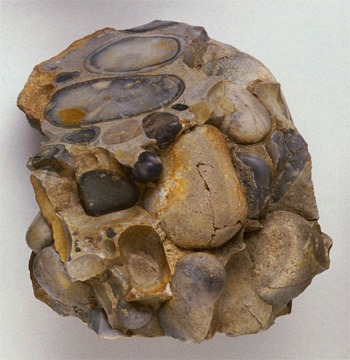
A student wanted to conduct a series of tests to identify different minerals. Which list below shows the tests that the student should conduct on each of the different minerals?
color, taste, shape, and size
hardness, color, luster, and streak
taste, hardness, color, and size
streak, size, taste, and shape
In a comparative investigation, students had to identify different mineral specimens. Which physical property is the LEAST reliable for identifying one mineral from another because it cannot be measured?
streak
hardness
cleavage
color
Minerals can be identified using the physical properties hardness, streak, and cleavage because
crystal structure is too hard to determine.
minerals have different recognizable properties.
crystal size is determined by the environment.
minerals are inorganic.
Students have a rock sample that may contain the mineral hematite. They know that hematite has a red or rusty streak. How can the students determine the color of the streak in the rock sample?
use a rock with the known mineral to strike the sample
rub the sample on a piece of porcelain tile
use a file to break off a piece of the sample
scratch the sample with an iron nail
A metamorphic rock becomes an igneous rock by...
melting completely, then cooling
weathering into sediments, then eroding
compacting under pressure and cementing
changing shape under heat and pressure
The process of weathering creates ___________ rock.
metamorphic
igneous
sedimentary
all rock types

What process happens at X
cooling
melting
weathering
heat and pressure

What process occurs at Z
melting
cooling
weathering
heat and pressure

What process occurs at Y?
cooling and melting
heat and pressure
weathering
erosion
If a sedimentary rock like sandstone gets put under heat and pressure, what does it become?
it stays as sedimentary sandstone
it becomes metamorphic quartzite
it melts completely to igneous basalt
it becomes a different type of sedimentary rock
Most of the ocean floor is a type of rock called basalt. At the edge of continents, this basalt erodes and becomes small particles. Over time, the particles are cemented and compacted together and form what type of rock?
igneous
sedimentary
metamorphic
Rocks that contain fossils are usually...
igneous
metamorphic
sedimentary
Rocks that can be found in the area of a volcano and have been cooled from a liquid state should be classified as —
igneous
sedimentary
metamorphic
What are the three type of rocks?
hardness, streak, color
igneous, metamorphic, sedimentary
minerals, rocks, metals
Igneous rocks are made from...
cooling magma and lava
weathering and erosion
heat and pressure
In the rock cycle, sedimentary rock forms when rock is ______
crystallized into natural glass.
exposed to great temperature.
melted into liquid magma.
broken down by weathering.
What do all rocks have in common?
Rocks are made of two or more minerals.
Rocks are made of two or more elements.
Rocks are made of magma and sediments.
Rocks are made of sand changed by pressure.
Which processes change magma into igneous rock?
compaction and cementation
heat and pressure
cooling and crystallization
weathering and erosion
Small pieces of weathered rock become sedimentary rock by from ...
heat and pressure
compaction and cementation
melting and cooling
weathering and erosion

Which mineral from the table can scratch all of the other minerals?
Olivine
Pyrite
Calcite
Quartz
Which word best describes the lithosphere?
liquid
rigid
bendable
metal
The lithosphere includes the _____ and part of the _____.
core, crust
mantle, core
crust, core
crust, mantle

Which physical layer is represented by the yellow layer?
lithosphere
mesosphere
core
inner core

Which is the correct order of the Earth's layers?
Outer most layer first.
Crust, Outer Core, Mantle, Inner Core
Crust, Mantle, Outer Core, Inner Core
Inner core, Outer core, Mantle, Crust
The Earth's crust is made of ______________ that "float" on top of the __________.
Fill in the blanks.
mantle, cups
plates, mantle
mantle, inner core

True or false.
Lithosphere is just another term for the rock that makes up the crust and some of the mantle, forming tectonic plates.
True
False
What are the two types of crust?
Continental and Landforms
Oceanic and Mountains
Mountains and Landforms
Oceanic and Continental

Which compositional layer is represented by the yellow layer?
inner core
outer core
mantle
crust
The mantle "flows" because of large differences in temperature from the bottom to the top, which create convection currents.
True
False

