
Font size
 Worksheets
Earth's spheres 5th
Total questions: 82
Worksheet time: 51mins






Your body temperature rises as you walk around outside in Bangladesh on a hot afternoon. The sensors in your skin detect the rise in your surface temperature so you start to sweat.
Positive Feedback
Negative Feedback
In some developing countries poverty causes illness and contributes to poor standards of education. In the absence of knowledge of family planning methods and hygiene, this contributes to population growth and illness, adding further to the causes of poverty; “a vicious circle of poverty.”
Positive Feedback
Negative Feedback
A thermostat in a central heating system can determine the temperature of your living room. It switches the air conditioner on when the temperature increases to a predetermined level and shuts it off when it cools to another level. The room temperature remains within a comfortable level regardless of the temperature outside
Positive Feedback
Negative Feedback
Some organisms have internal feedback systems. Physiological changes occur to prevent breeding when population densities are high and promote breeding when population densities are low.
Positive Feedback
Negative Feedback
You are lost on a snowy mountain. When your body senses that it is cooling below 37°C, various mechanisms such as shivering help to raise your body core temperature again. However if these are insufficient to restore normal body temperature, our metabolic processes start to slow down, because the enzymes that control them do not work so well at lower temperatures. As a result, you become lethargic and sleepy and move around less and less, allowing your body to cool even further. Unless you are rescued at this point, your body will reach a new equilibrium; you will die of hypothermia.
Positive Feedback
Negative Feedback
Higher temperatures cause more evaporation which leads to more water vapor in the atmosphere. Water vapor is a greenhouse gas so will trap more heat so the atmosphere will warm more.
Positive Feedback
Negative Feedback
As carbon dioxide levels in the atmosphere rise, the temperature of the Earth rises. As the Earth warms the rate of photosynthesis in plants increases, more carbon dioxide is therefore removed from the atmosphere by plants, reducing the greenhouse effect and reducing global temperatures.
Positive Feedback
Negative Feedback
As the Earth warms, ice cover melts, exposing soil or water. Albedo decreases (albedo is the fraction of light that is reflected by a body or surface). More energy is absorbed by the Earth’s surface. Global temperature rises. More ice melts.
Positive Feedback
Negative Feedback
As the Earth warms, upper layers of permafrost melt, producing waterlogged soil above frozen ground. Methane gas is released into the environment. The greenhouse effect is enhanced. The Earth warms, melting more permafrost.
Positive Feedback
Negative Feedback
As the Earth warms, increased evaporation produces more clouds. Clouds increase albedo, reflecting more light away from the Earth. The temperature falls. Rates of evaporation fall
Positive Feedback
Negative Feedback
As the Earth warms, organic matter in soil is decomposed faster, more carbon dioxide is released. The enhanced greenhouse effect occurs, the Earth warms further and rates of decomposition increase
Positive Feedback
Negative Feedback
As the Earth warms, evaporation increases. Snowfall at high latitudes increases, icecaps enlarge. More energy is reflected by increased albedo of ice cover. The Earth cools. Rates of evaporation fall.
Positive Feedback
Negative Feedback
As the Earth warms, polar icecaps melt, releasing large numbers of icebergs into oceans. Warm ocean currents such as the Gulf Stream are disrupted by additional freshwater input into oceans. Reduced transfer of energy to the poles reduces temperature at high altitudes. Ice sheets reform and icebergs retreat. Warm currents are re-established.
Positive Feedback
Negative Feedback


Which process removes carbon dioxide from the atmosphere?
combustion
cellular respiration
photosynthesis
decomposition

Which is NOT a process of the water cycle?
precipitation
freezing
transpiration
evaporation
Which is the most abundant gas in the atmosphere?
hydrogen
oxygen
helium
nitrogen

What is the process of rain, snow, or hail falling from the sky?
evaporation
condensation
precipitation
runoff

Which one of these does not add CO2 to the atmosphere?
cooking with gas
planting trees
burning wood
riding in a bus
Which of the following ISN'T a fossil fuel?
oil
coal
uranium
natural gas
Which cycle DOESN'T have an atmosphere component (part)?
carbon
nitrogen
phosphorus
water
Which of the following ISN'T made with carbon?
Oil
Diamond
Glass
Plant Leaves

The process where rocks are broken down over time by wind and water, releasing phosphorus.
combustion
corrosion
deposition
erosion
What is the correct formula for nitrogen gas found in the atmosphere?
N2
NO3-
NH4+
NO2-

Which cycle are fossil fuels (oil, coal, natural gas) part of?
carbon
water
nitrogen
phosphorus
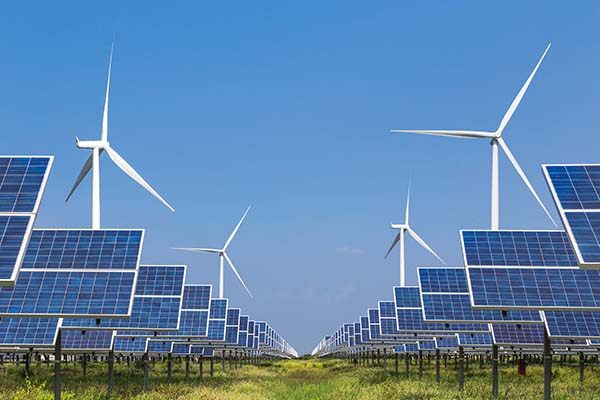
What are renewable resources?
A limited amount and cannot be replaced in a human life time.
Plastic bags
Coal, oil, and natural gas
Can be replaced in our lifetime through natural processes
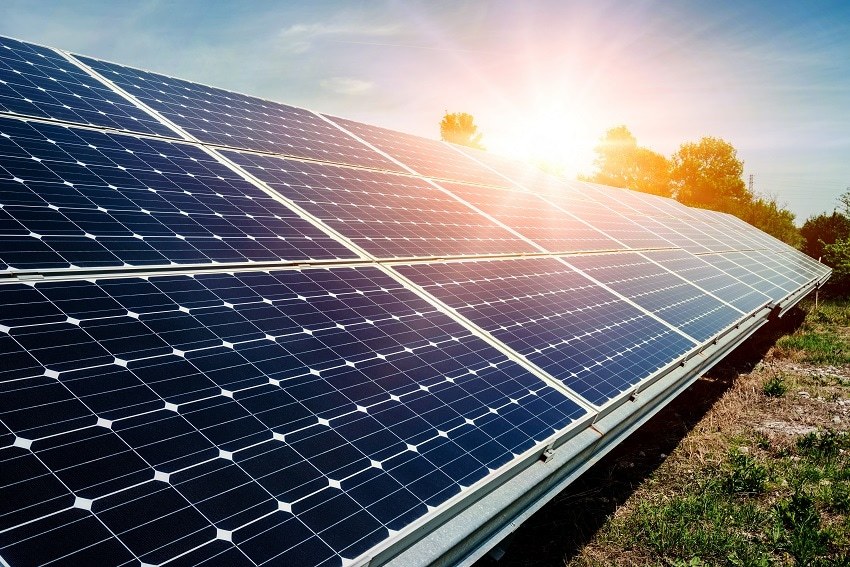
Sunlight is...
Very bright
Will eventually run out soon
A renewable resource
A nonrenewable resource
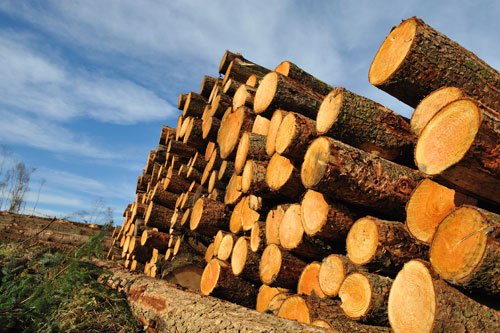
Wood is...
A renewable resource
A nonrenewable resource
Used to make oil
Used to make plastic
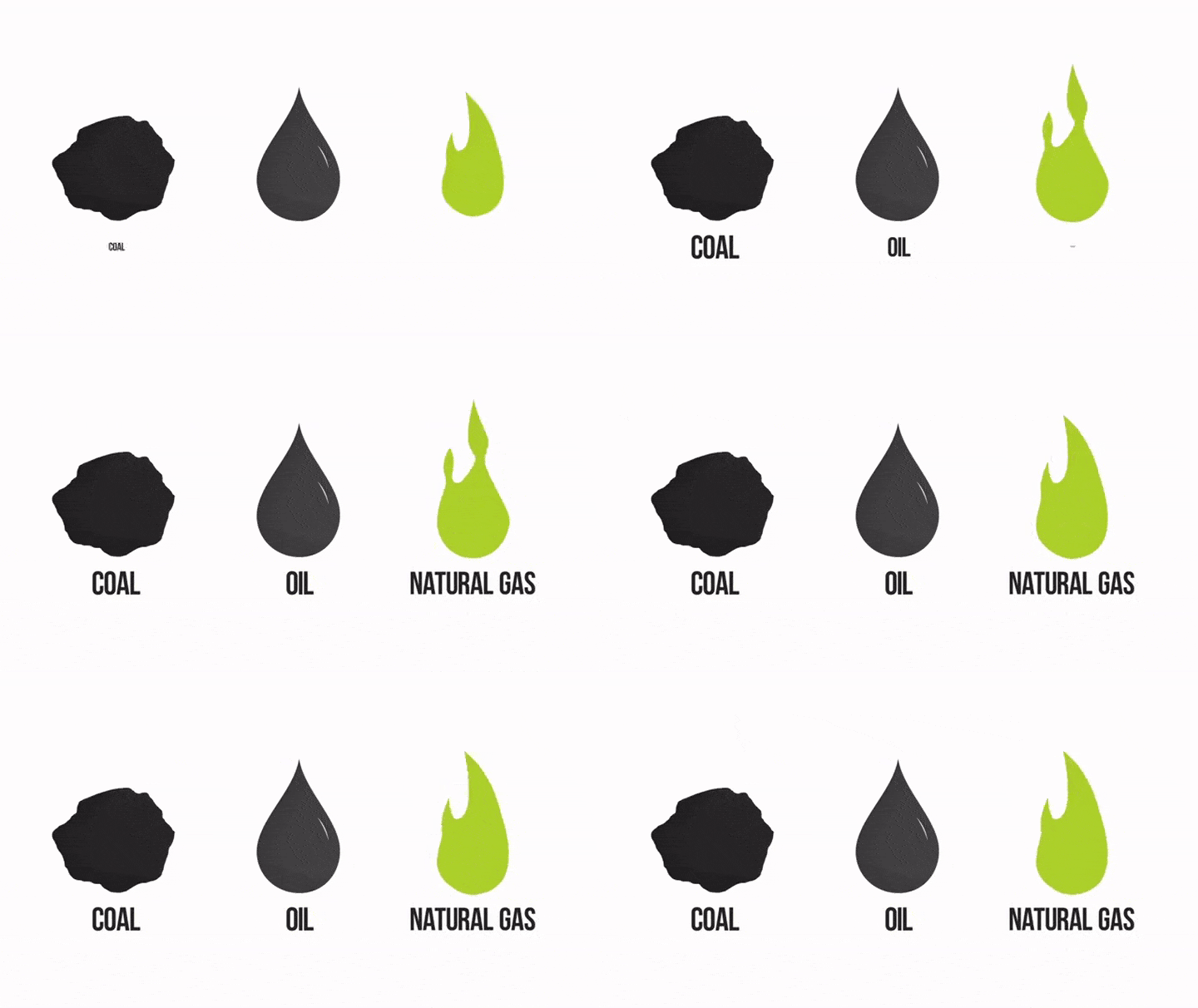
A group of non-renewable resources, called ______________, include coal, oil, and natural gas.
Fossils
Energy
Resources
Fossil fuels
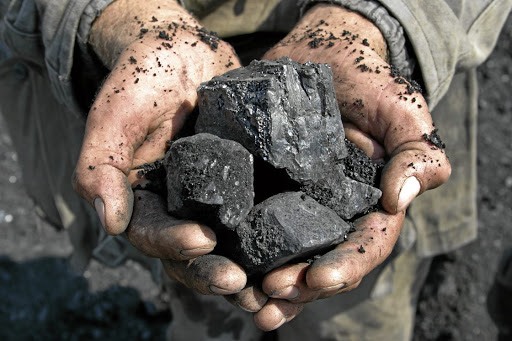
Coal comes from...
from animals that died millions of years ago.
from plants that died millions of years ago.
A factory
Burning fossil fuels
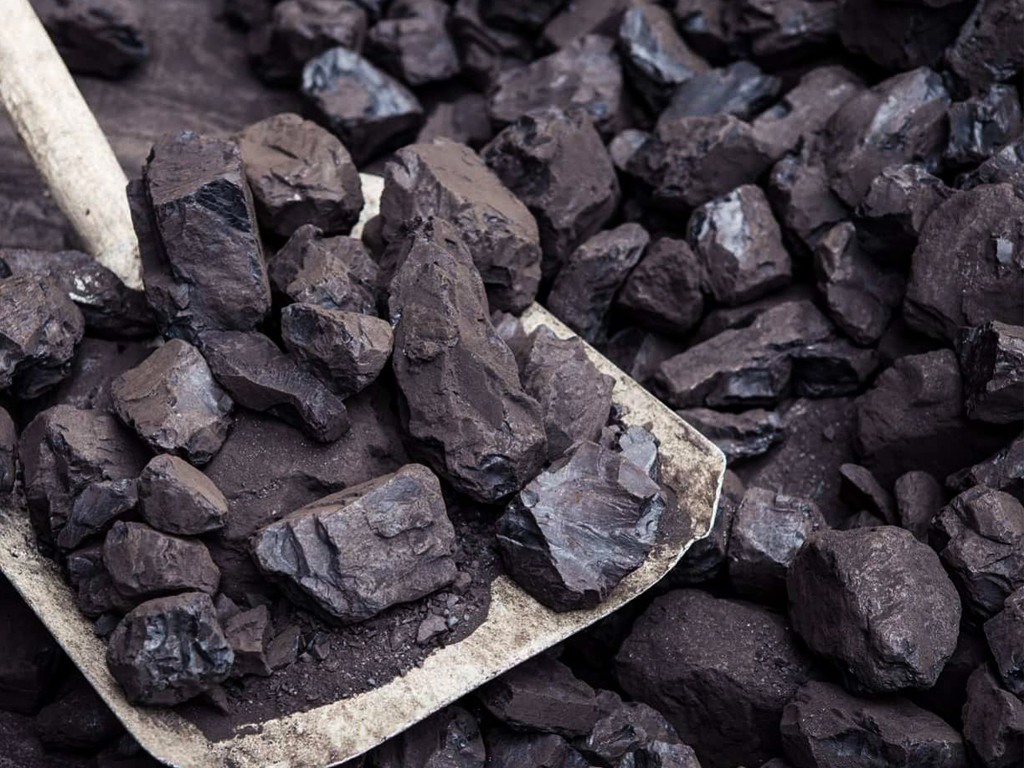
We can get energy from coal by...
Breaking it down
Digging it up
Burning it
Rubbing it together
_________ comes from tiny animals that died in the ocean millions of years ago.
Natural gas
Oil
Gasoline
Coal
Oil is used to make...
gasoline & other types of fuel
plastics, DVDs, and tires
Energy
All of the above
How can we conserve energy?
use less coal, oil, and natural gas.
use fabric bags instead of plastic.
use public transportation instead of driving a car.
All of the above
This is a renewable energy resource that must be conserved.
Wood
Oil
Natural gas
Coal
Some renewable and non-renewable resources can hurt the environment. Which statement is true?
Burning wood can pollute our atmosphere
Burning coal releases gases and smoke into the atmosphere.
Oil spills in the ocean can affect ships.
Wind energy can cause harm to plants.

Gasoline and plastic are made from...
Plants
Minerals
Oil
Minerals
Which statement is true?
Oil is an example of a renewable resource.
Humans are a renewable resource
Wood is an example of a nonrenewable resource.
Fish are an example of a renewable resource.
How so we get energy from the sun?
Sunlight can generate electricity straight from the sky.
Solar panels use the sun to power turbines.
Solar panels can convert sunlight into electrical energy.
Solar panels generate their own electricity.
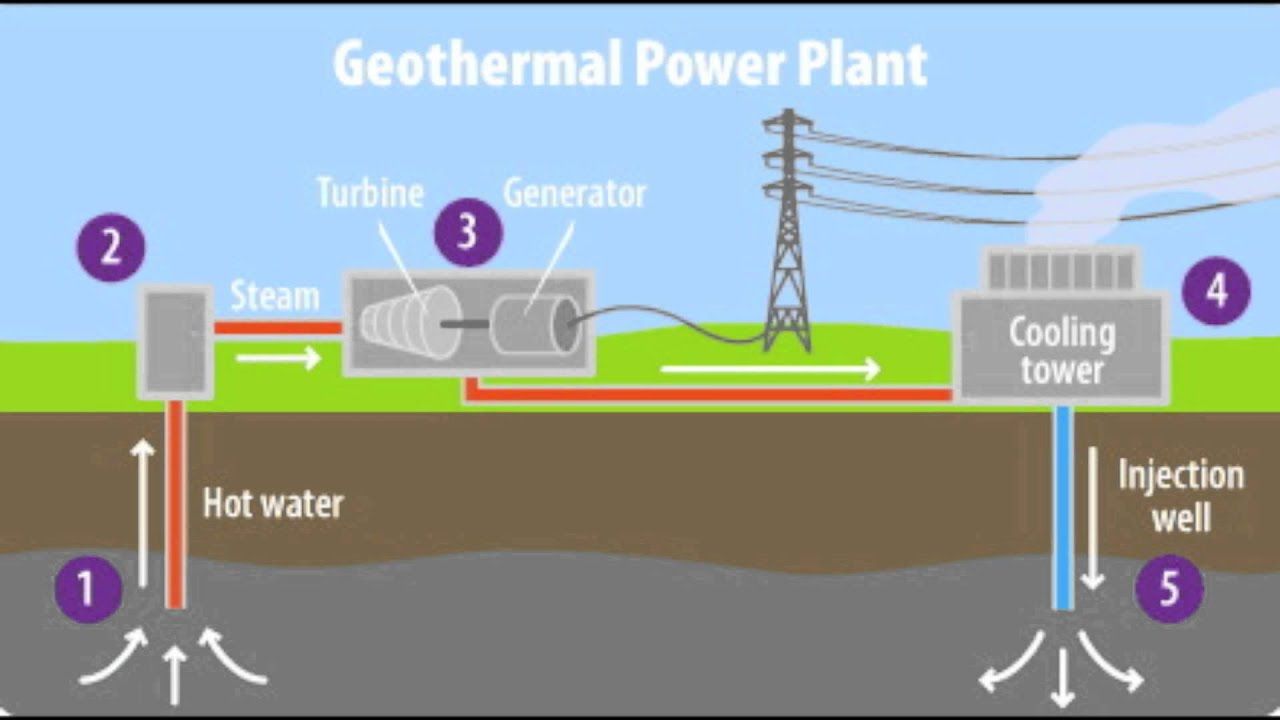
What is geothermal energy?
A power plant.
Heat energy generated and stored in the Earth.
Nuclear Energy
A nonrenewable resource

