
 Worksheets
Space Explorations
Total questions: 132
Worksheet time: 2hrs 44mins
a group of stars that has a name
solar system
constellation
shooting star
comet
The attractive force between objects is called....
force
Gravity
inertia
motion
What prevents planets from drifting off into space and keeps it in the planets in our Solar System?
Gravity
Weight
Friction
Forward Motion
The objects which are made of ice, gas and dust and orbit our sun are called:
Asteroids
Comets
Meteoroids
Jupiter
A collection of hundreds of stars around a common centre is called a:
Solar System
Galaxy
Light year
Andromeda
The name of the galaxy in which our solar system is situated is the:
Andromeda
Milky Way
Black eye
Sombrero
What type of galaxy is the Milky Way galaxy?
Irregular
Elliptical
Spiral
None of these
The distance that light travels in one year is called:
A light year
A light ray
An astronomical unit
AU
The centre of the solar system is a:
Star
Planet
Asteroids
Comets
The natural satellite that orbits a planet is a:
Meteor
Moon
Comet
None of these
A mass of frozen rock and gas that has a tail pointing away from the sun is a:
Meteorite
Comet
Planet
Moon
A mass of frozen rock and gas that has a tail pointing away from the sun is a:
Meteorite
Comet
Planet
Moon
The asteroid belt in our solar system is between the planets of:
Mars and Jupiter
Mars and Earth
Earth and Mercury
Jupiter and Saturn


When a mass of hydrogen has enough density, it begins to fuse the hydrogen atoms together. This produces heat and light. What is this classified as?
nebula
star
galaxy
planet
Which of these correctly identifies different objects in the universe according to their size and composition?
A nebula is larger than a galaxy
a solar system contains many stars
a galaxy contains many solar systems
a galaxy is bigger than a universe
What is the nearest star to planet Earth
Moon
Sun
Sirius
Proxima Centauri
Which describes the Sun and the Milky Way?
The Sun is a medium sized star near the edge of a disc shaped galaxy
The Sun is a massive star near the edge of a disc shaped galaxy
The Sun is a dwarf sized star near the edge of a disc shaped galaxy
The Sun is medium sized star near the middle of a disc shaped galaxy
It takes light approximately 8 minutes and 20 seconds for light from the Sun to reach Earth. Which is true about Earth's distance from the Sun
The Sun is much less than 1 light year from Earth
The Sun is 1 light year from Earth
The Sun is 8.33 light years from Earth
The Sun is so hot it burns
Why does our Sun, an average sized star, appear so much brighter than other more massive stars?
The Sun is lit
The Sun is closer to Earth than other stars
The Sun is made of different elements
The Sun is prettier so it shines brighter
which would cause the universe to collapse in on itself to make a closed universe?
momentum of outward expanision
force of gravity
critical density
Hubble constant

Which type of galaxy is illustrated?
spiral
elliptical
irregular
it's not a galaxy
Our universe is made up of at least a
million galaxies
million stars
billion galaxies
hundred planets
What is the biggest difference between the Geocentric Model and the Heliocentric Model?
the shape of the planets' orbits
the movement of the moon
the center of the solar system


Who came up with this model?
Copernicus
Kepler
Galileo Galilee
Ptolemy
Which object is the center of the solar system according to Galileo?
Earth
Moon
Sun
Neptune

stars in a round,oval, spherical shape
elliptical
spiral
barred spiral
irregular

shaped unlike the others
elliptical
spiral
barred spiral
irregular

few stars creating a pattern or picture
bubble universe
spiral galaxy
constellation
barred spiral

Brightness from earth
apparent magnitude
absolute magnitude
relative magnitude
actual brightness

Actual brightness
apparent magnitude
absolute magnitude
relative magnitude
actual magnitude
what is a light year
distance light travels in a year
speed light travels in a year
distance from sun to earth
distance from earth to moon


All stars begin their life in a
Main Sequence
Nebula
Protostar
Black Dwarf

Average size stars will turn into a _____ star next.
protostar
red giant
supergiant
black hole
A massive star can end it's life as a ______ or ___________.
neutron star/black hole
main sequence star/ nebula
supernova
nebula
red giant
supergiant

The Sun is the biggest star in the sky.

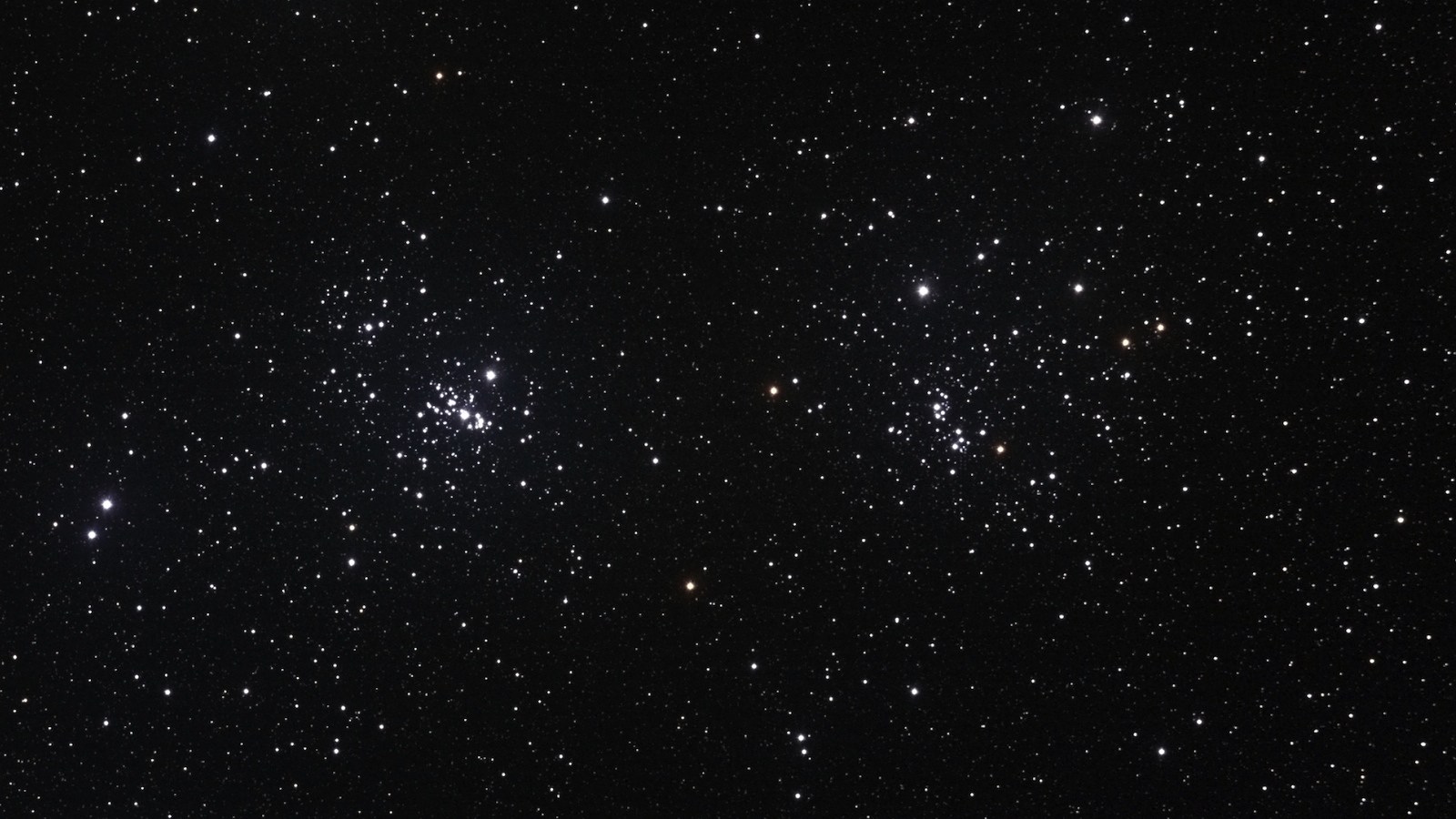


What is this planet
mecury
earth
jupiter
neptune

Venus is the planet that planet that comes after Mecury
True
False
Where is Earth


Which force keeps all the planets in the solar system?
gravity
friction
magnetism
electricity
There are _________ planets in our solar system.
6
7
8
9
Which planet is the smallest planet?
Uranus
Mercury
Neptune
Earth
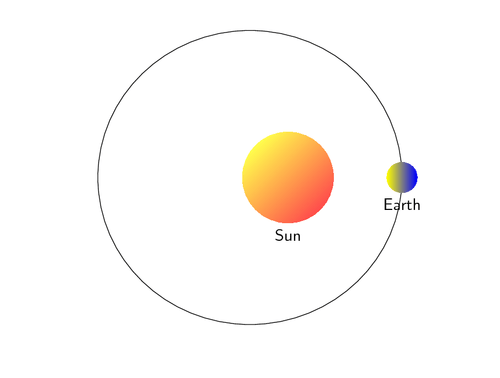
Where can most asteroids be found?
between Earth and Mars
between Mars and Jupiter
between Jupiter and Saturn
between Saturn and Uranus
How do scientists classify small objects in the solar system?
size
shape
size, shape, AND temperature
size, shape, AND composition
Which of the following categories of small bodies in the solar system does Ceres belong to?
dwarf planets
comets
meteoroids
planets
Which of the following small bodies are the hardest to tell apart because they are made of similar materials?
dwarf planets and comets
asteroids and comets
comets and meteoroids
asteroids and meteoroids
A scientist examines a sample of an object from the solar system. There is evidence that the object included ice. The sample most likely comes from a(n)
asteroid
comet
dwarf planet
meteoroid

Identify Letter A in the picture
tail
coma
nucleus
There are two regions in the Solar System where comets might come from, the __________________________ belt and the _______________________________ cloud.
Asteroid, Kuiper
Kuiper, Oort
Asteroid, Oort
Which of the following are dwarf planets?
Mercury
Deimos
Ceres
MakeMake
Titon
A bright streak of light that results when a meteoroid burns up in Earth's atmosphere
comet
asteroid
meteor
meteorite
A bright streak of light that results when a meteoroid burns up in Earth's atmosphere
comet
asteroid
meteor
meteorite
In 2006, astronomers decided that _________________ would no longer be considered a planet.
Ceres
Pluto
Haumua
The Moon
Mercury
A meteoroid that reaches Earth's surface without burning up is called a
meteorite
asteroid
meteor
Which of the following consists mostly of small bodies of ice located just beyond Neptune's orbit?
the asteroid belt
the Kuiper belt
a meteor shower
the Oort cloud
Which planets are considered the Terrestrial Planets or the Inner Planets?
Mercury, Venus, Earth, Mars
Jupiter, Saturn, Uranus, Neptune
Which planets are considered the Jovian Planets or the Outer Planets?
Mercury, Venus, Earth, Mars
Jupiter, Saturn, Uranus, Neptune
A natural rocky that revolves around other bodies such as planets or asteroids.
Moon
Meteoroid
Meteor
Meteorite
Which force prevents the planets from drifting away from the Sun?
inertial force
nuclear force
centrifugal force
gravitational force
The Sun is made of...
Water and Ice
Hydrogen
Magnesium
Hydrogen and Helium
The Sun core....
The region of the sun where energy is produced.
The region of the sun where solar flare happen.
The sun spots are generated at core
The carry particles of ligh
Solar Prominence
Quick burst of gas into the solar system
Loop of gas that connects sun spots
Hot gas moving into Earth's atmosphere
Breaks power lines
Solar Flare
The crown of the sun
Cooler spots on the sun
A loop of energy
Brief eruption of intense high energy of gas
The layer of the sun that makes light
Photosphere
Solar flare
Core
Chromosphere
Chromosphere
The layer of sun that creates the suns color
The layer that makes light
The layer that creates energy
Joining of hydrogen atoms to form helium
Nuclear Fusion
Nuclear Fission
Sun spots moving together
How might sun spots affect Earth?
Sun spots are linked to solar winds, which blow particles onto Earth
They don't affect Earth
They can cause sand storms.
Sun Spots
Throw particles into Earth's Atmosphere
Create donuts
Help the space probes send information
The cooler darker parts of the Sun

It takes just about a month for the moon to -
completely revolve around the Earth
travel to Earth
leave its orbit
revolve around the Sun
When the Moon is directly between the Sun and the Earth, what phase would the Moon be in?
Full Moon
New Moon
Half Moon
Waxing Crescent

What phase of the moon is this?
Waxing Gibbous
Waning Gibbous
Waxing crescent
Waning crescent

What phase of the moon is shown?
waning gibbous
1st quarter
waxing crescent
Waxing gibbous


What is the phase of the Moon at position #5?
New Moon
Third Quarter Moon
First Quarter Moon
Full Moon
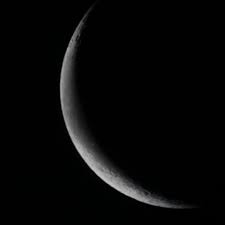
The Moon gets its light from the
It reflects the Earth's light
It reflects the other stars' light
It reflects the Sun's light
It makes its own light


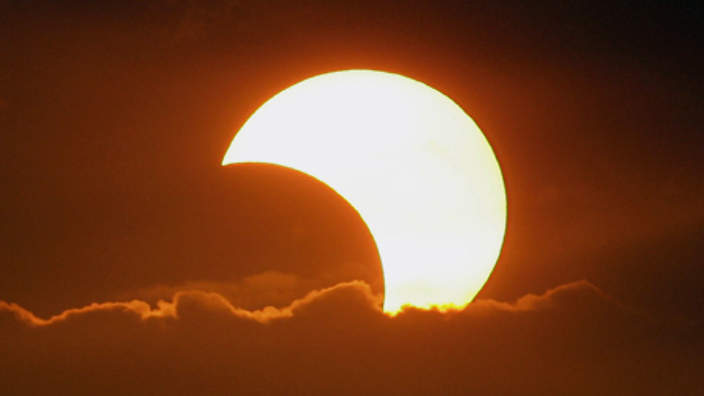


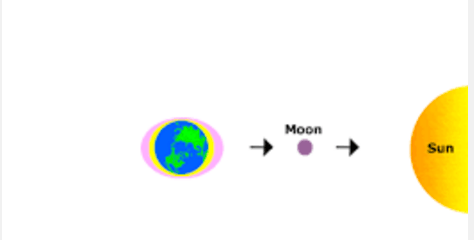
the moon affects
the coriolis effect
global conveyor belt
the tides
how we behave
As the moon revolves around the earth, the water follows the motion and causes...
sea levels
waves and currents
moon phases
high tides and low tides
High tides and low tides each happen _____ times per day.
4
2
1
24

