
 Worksheets
Body Systems Part 1 Review
Total questions: 67
Worksheet time: 34mins
Arteries carry oxygen rich blood away from the heart.
True
False
Veins carry oxygen poor blood back to the heart.
False
True
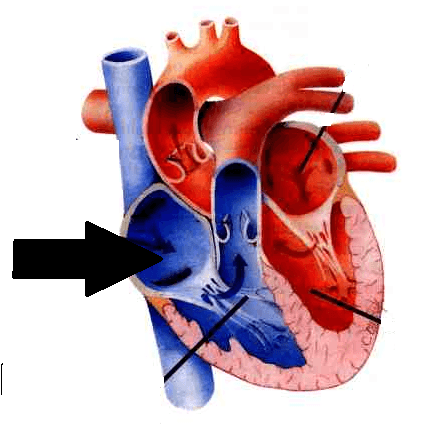
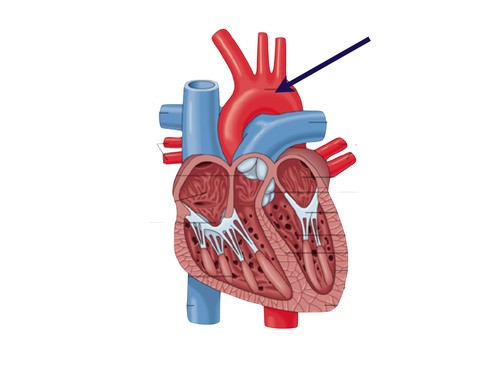
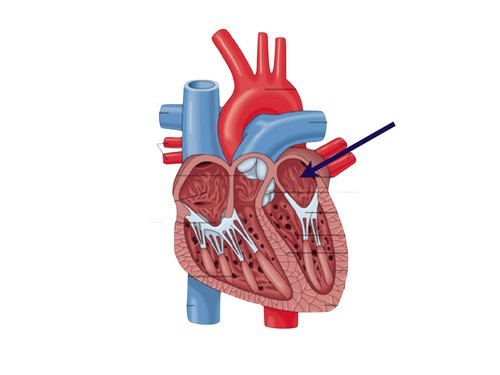
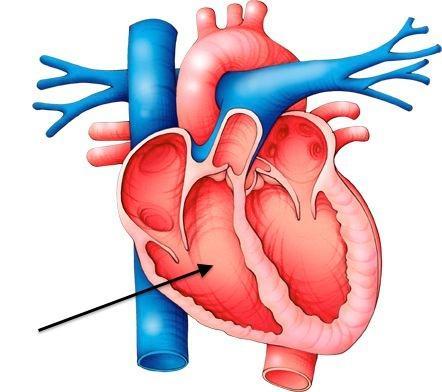
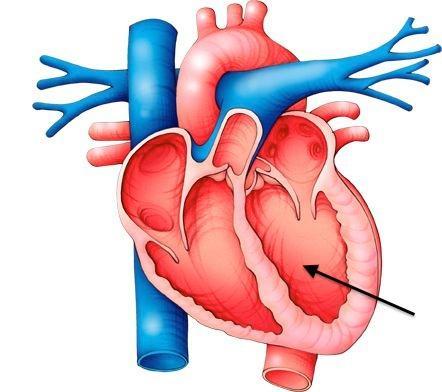
This chamber of the heart RECEIVES oxygen rich blood back from the lungs
Right Atrium
Left Atrium
Right Ventricle
Left Ventricle
The type of blood vessel that normally carries de-oxygenated blood back to the heart from body cells?
arteries
capillaries
veins
The type of blood vessel that normally carries oxygenated blood from the heart to the body cells?
arteries
capillaries
veins
The type of blood vessel where exchange of gases, nutrients, and wastes occurs?
arteries
capillaries
veins


What is the process of wave-like muscle contractions that moves food through the digestive tract?
Pericardium
Peristalsis
Pepsin
Pericoronitis
Where does absorption primarily take place?
Stomach
Small intestine
Large intestine
Gall bladder
Where is bile produced?
Kidney
Pancreas
Liver
Small intestine

What are these structures call that are found on the lining of the small intestine?
Gallbladder
Villi
Sphincter
Duodenum


Which of the following answers correctly sequences the pathway food takes from the beginning to end?
mouth, esophagus, stomach, small intestine, large intestine
mouth, esophagus, stomach, large intestine, small intestine
mouth, stomach, esophagus, small intestine, large intestine
mouth, stomach, esophagus, large intestine, small intestine
What are the fingerlike structures located in the small intestine that absorbs nutrients?
Duodenum
Villi
Bile
Pancreas
Enzymes are re-usable
True
False
Enzymes are what type of molecule?
carbohydrates
proteins
fats
starch
Pepsin is produced where in the digestive system?
mouth
stomach
pancreas
small intestone
Digestion of carbohydrates begins in the
mouth
stomach
small intestine
large intestine
Digestion of proteins begins in the
mouth
stomach
small intestine
large intestine
Too much water absorption in the large intestine causes
diarrhea
constipation
stomach ulcers
Which is the main organ of the respiratory system?
heart
lungs
kidney
brain

What part of the upper respiratory tract is number 3?
trachea
esophagus
larynx
epiglottis

What is X?
Trachea
Bronchus
Bronchiole
Epiglottis
An investigation is carried out to determine the effect of exercise on the rate at which a person can squeeze a clothespin.
The experimental results could be made more valid by
increasing the number of students
using safety precautions
using a plastic clothespin
making a bar graph of the data
A student lifted weights after school and found that his muscles started to burn. He couldn’t continue to lift the weights after prolonged exercising. This muscle fatigue is most likely due to
the heart beating too fast and tiring out
the lungs accumulating oxygen
lack of oxygen and build up of waste in the muscles
lack of carbon dioxide in the muscles

An experiment was conducted to determine the effect of activity on pulse rate. Data were collected and recorded in the table shown.
Which activity most likely corresponds to the pulse rate of the person while sleeping?
1
2
3
4

Students were asked to design a lab that investigated the relationship between exercise and heart rate. Heart rate was determined by recording the pulse rate in beats per minute. The students hypothesized that increased exercise results in an increased heart rate. The class results for the experiment are shown in the graph.
Which statement is best supported by the graph?
Before exercising, the average pulse rate was 65; four minutes after exercising, the average pulse rate was 65.
After four minutes of exercising, the average pulse rate was 120; two minutes after exercising, the average pulse rate was 120.
While exercising, the highest average pulse rate was 150; before exercising, the average pulse rate was 65.
Two minutes before exercising, the average pulse rate was 80; after two minutes of exercise, the average pulse rate was 140
Students were asked to design a lab that investigated the relationship between exercise and heart rate. Heart rate was determined by recording the pulse rate in beats per minute. The students hypothesized that increased exercise results in an increased heart rate. The class results for the experiment are shown in the graph.
Students in a different science class carried out the same experiment. The data they obtained did not support the hypothesis that increased exercise results in increased heart rate. The most scientifically sound way to deal with this situation is to
write a new hypothesis
read about pulse rate in a biology textbook
have the students in both classes vote to decide which hypothesis is correct
ask students in a third class to do the experiment and see if their results support the hypothesis
An investigation is carried out to determine the effect of exercise on the rate at which a person can squeeze a clothespin.
The experimental results could be made more valid by
increasing the number of students
using safety precautions
using a plastic clothespin
making a bar graph of the data
An investigation is carried out to determine the effect of exercise on the rate at which a person can squeeze a clothespin.
In this investigation, the independent variable is the
control
exercise
rate of squeezing
number of participants
An investigation is carried out to determine the effect of exercise on the rate at which a person can squeeze a clothespin.
Muscle fatigue occurs during this activity when
carbon dioxide is used up in the muscle cells
simple sugar is converted to starch in the muscle cells
proteins accumulate in mitochondria in the muscle cells
certain waste products collect in the muscle cells


What are the filtering units of the kidneys?
nephrons
ureters
nuerons
alveloi
What is the main function of the Excretory System?
to excrete saliva
get rid of waste products from your cells
break down food for digestion
circulate oxygen
Which of the following parts is not found in the urinary system?
Ureters
Urethra
Bladder
Rectum
The excretory system is responsible for moving toxic wastes, dissolved molecules, and excess heat. You would conclude that the excretory system contributes to
circulating molecules around the body
maintaining homeostasis in the body
producing egg and sperm cells in the body
gas exchange

