Worksheets
Ecology Review
Total questions: 69
Worksheet time: 2hrs 14mins

Water temperature would be an example of ...
a biotic factor.
an abiotic factor.

A collection of organisms that make up a community as well as all of the nonliving components of the environment.
Population
Community
Habitat
Ecosystem
The role or job of a species in a community.
habitat
diet
niche
ecosystem
Two organisms that are so similar they can interbreed in nature and produce fertile offspring.
biotic factor
herbivore
ecosystem
species

What are the biotic factors in this image?
sunlight, elephants, grasses
sunlight, water, oxygen
elephants, autotrophs, food supply
precipitation, heterotrophs, soil

What are the abiotic factors in this image?
water, sunlight, dirt
birds, plants, predators
water, plants, parasites
oxygen, water, grasses

Earthworms break down leaves and other organic matter. When they burrow they increase the amount of air and water in the soil. Earthworms serve as food for many bird and salamander species. This best represents...
niche
circadian rhythm
habitat
predation
Identify all the biotic factors from the list below:
mites in a honeybee hive
rotting log
flooding after a tropical storm
black rat snakes preying on mice
pH drop in a crater lake


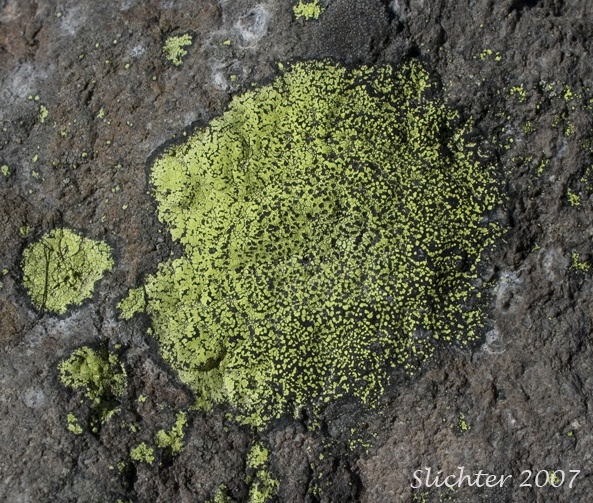


What cycle are fossil fuels part of ?
carbon
oxygen
nitrogen
phosphorus
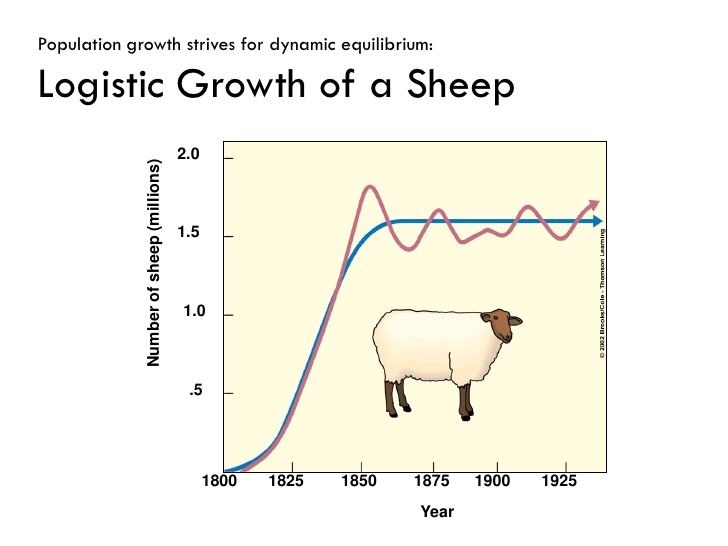


Which of the following are density dependent factors?
competition for resources
predation
disease
natural disasters
Which of the following are examples of a density independent factors?
forest fire
seasonal cycles
storms
disease

This graph shows ....
When one population increases, the other decreases.
When one population decreases, the other increases.
When one population increases, the other increases instantly.
When one population increases, it causes the other to increases shortly after.

What is the general term used to describe the interaction between two different organisms that are living in close physical association?
photosynthesis
symbiosis
habitat
prey
omnivore

The animal in an ecological relationship that results in another animal being hunted, killed, and eaten…
autotroph
habitat
predator
herbivore
producer

An ecological symbiotic relationship between two organisms where one benefits and the other is harmed…
parasitism
herbivore
mutualism
carnivore
commensalism

What you would call an ecological symbiotic relationship between two organisms where one benefits, but the other is not helped or harmed?
mutualsim
predator
commensalism
parasitism
herbivory
What ecological relationship is depicted between Pumba (warthog) and the bugs?
Competition, because pumba is in competition with the bugs for food sources
Mutualistic, because Pumba and the bugs benefit each other
Predator-Prey, because Pumba is a predator that consumes bug as prey
Marlin and his son, Nemo, are clownfish that live in a sea anemone. Clownfish benefit by receiving protection and shelter from the sea anemone. The clownfish, in return, scares away predators of the sea anemone and provides nutrients for the sea anemone through its excrement (waste). The symbiotic relationship between Nemo and the sea anemone is known as -
parasitism
commensalism
predator-prey
competition
mutualism
The pearlfish receives protection from predators by living inside a sea cucumber. The sea cucumber is not affected during this interaction. This ecological relationship is known as -
predator-prey because the pearlfish is prey to the sea cucumber
mutualism because only the pearlfish benefits in this ecological relationship
parasitism because the pearlfish causes harm to the host sea cucumber
commensalism because only the pearlfish benefits while the sea cucumber is not affected
competition because the sea cucumber and pearlfish often fight for living space
A pair of red, male kangaroos are seen fighting over a potential mate. The ecological relationship between the two male kangaroos shown is -
Commensalism
Mutualism
Predator-Prey
Competition
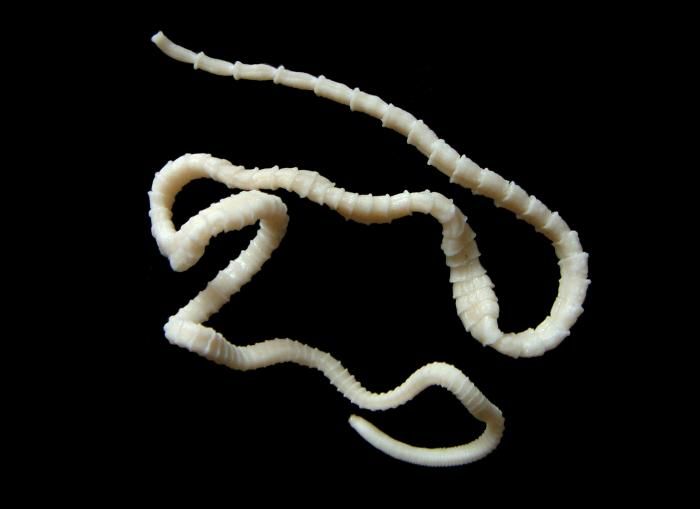
A tapeworm lives in the intestine of a cat absorbing nutrients through its skin. A tapeworm and a cat have this type of relationship.
mutualism
parasitism
commensalism
competition