
 Worksheets
year 10b and d bio chemical coordination
Total questions: 254
Worksheet time: 5hrs 11mins
What is the term given to a plant's growth response to a directional stimulus?
Auxin
Phototropism
Tropism
Geotropism
What are two examples of directional stimuli for plants?
Light and Gravity
Light and Water
Gravity and Minerals
Light and Sound
What is the name of a plant stem growing towards sunlight?
Negative Phototropism
Positive Geotropism
Negative Geotropism
Positive Phototropism
What is the name of a shoot growing away from the direction of gravity?
Positive phototropism
Positive geotropism
Negative geotropism
Negative phototropism
Why do roots show positive geotropism?
To gain light for photosynthesis
To gain energy for growth
To gain minerals and light for photosynthesis
To gain water for photosynthesis and minerals
What hormone causes phototropism?
Photoxin
Auxin
Adrenaline
ADH
What side of a plant does auxin accumulate on?
Light
Dark
How does auxin move down a shoot?
Diffusion
Active transport
Osmosis
Facilitated diffusion
Why does a plant bend towards the light?
Due to increased elasticity and growth of cells on light side of the plant
Because the whole plant increases in elasticity
The plants growth is faster
Due to increased elasticity and growth of cells on dark side of the plant
Is plant coordination faster or slower than animals?
Faster
Slower
Which of these lasts longer
Hormonal coordination
Nervous coordination
Which of these acts on target cells, rather than tissues or organs
Nervous coordination
Hormonal coordination
Both nervous and endocrine system act together in higher animals to show response to stimuli. How plants work in the same aspect? ఉన్నత స్థాయి జంతువులలో నాడీ వ్యవస్థ మరియు అంతస్రావీ వ్యవస్థ లు కలిసి ప్రచోదన లకు ప్రతిస్పందనలను చూపుతాయి ఈ విషయంలో మొక్కలు ఏ విధంగా పనిచేస్తాయి?
Through specialised organs ప్రత్యేకమైన శరీర అవయవాల ద్వారా
Through their dermal Tissue that surrounds plant body మొక్క శరీరాన్ని ఆవరించి ఉండే త్వచ కణజాలం ద్వారా
Through harmones హార్మోన్ల ద్వారా
All the above పైవన్నీ
Harmones released in plants are known as_____.
మొక్కలలో విడుదలయ్యే హార్మోన్ల ను____ అంటారు.
Myco harmones మైకో హార్మోన్లు
Phyto harmones ఫైటో హార్మోన్ లు
Zoo harmones జూ హార్మోన్లు
None of the above పైవేవీ కావు
Phyto harmones that removes seed dormancy_____. విత్తనాలను సుప్తావస్త నుండి తొలగించ గలిగిన ఫైటో హార్మోన్స్ పేరు_____
అక్సిన్ auxin
Gibberellin జిబ్బరెళ్లిన్
Cytokinin saitokainin
Ethelene ఇతిలిన్
Gas releases from ripened fruits_____. మాగిన పండ్ల నుండి వెలువడే వాయువు____.
Ethene ఈతెన్
Asetaline ఎసిటలిన్
Ethelene ఇథిలిన్
Ally he above పైవన్నీ
Harmone that is having functional role in closing of stomata_____. ఈ రంధ్రాలు మూసుకుపోవడం లో ఉపయోగపడే హార్మోన్____.
Abscisic acid అబ్సిసిక్ ఆమ్లం
Auxin అక్సిన్
జిబ్బెరెలిన్ gibberellin
All the above పైవన్నీ
Plant that is kept in window grows out of the window towards light. Which harmone is responsible for bending plants towards light? కిటికీ లో నుంచి పెంచుతున్న మొక్క కిటికీ లోనుండి బయటకు పెరగటం ప్రారంభించింది దీనికి కారణమైన మొక్కల హార్మోన్ ఏది?
Gibberellin జిబ్బరెలిన్
Etheline ఇతలిన్
Auxin అక్సిన్
ABA
Who is the scientist conducted experiments on phototropism? మొక్కలలో కాంతి అనువర్తనానికి సంబంధించి ప్రయోగాలు చేసిన శాస్త్రవేత్త ఎవరు?
Francis Darwin ఫ్రాన్సిస్ డార్విన్
Charles Darwin చార్లెస్ డార్విన్
Both ఇద్దరూ
HW went HW వెంట్
Went extracted the " effect" that causes bending in plant parts. What is the ' that is mentioned? వెంట్ మొక్కలలో మొక్క భాగాలలో పంపు కు కారణమవుతున్న "ప్రభావాన్ని" వేరు చేశారు పైన తెలుపబడిన 'ప్రభావం' ఏమిటి?
Charles Darwin చార్లెస్ డార్విన్
Francis Darwin ఫ్రాన్సిస్ డార్విన్
Both ఇద్దరూ
HW వెంట్ HW went
The first phyto harmone that is observed is named as_____. మొదటగా పరిశీలించ బడిన ఫైటో హార్మోన్ కు_____ అని పేరు.
Auxin అక్సిన్
Gibberellin జిబ్బరెళ్లిన్
Both రెండూ
ABA
The chemical secreted by stigma enables the pollen to settle on. The action of the chemical is known as_____. కీలాగ్రము స్రవించిన రసాయనము పరాగ రేణువులు లను కీలాగ్రం పై చేరేలా చేస్తాయి యొక్క ప్రభావాన్ని _____ అంటాము
Thigmo tropism స్పర్శ అనువర్తనం
Chemo tropism రసాయన అనువర్తనం
Both రెండూ
Hydro tropism హైడ్రో అనువర్తనం
Which of the given statement is correct regarding tropic movements? అనువర్తన చలనాలు కు సంబంధించి క్రింది ఇవ్వబడిన ఏ వాక్యము సరి అయినది?
Responses shown by plants according to external stimuli బాహ్య ఉద్దీపన లకు అనుగుణంగా మొక్కలు చూపించే ప్రతిస్పందనలు
The movements shown by plants are directed towrds the stimuli. ఉద్దీపనల దిశకు అనుగుణంగా మొక్కలలో చలనము ఉంటుంది
Light, water, touch, chemicals act as external stimuli కాంతి, నీరు, స్పర్స,రసాయనాలు మొదలైనవి బాహ్య ఉద్దీపనలు.
All the above పైవన్నీ
Growth of roots towards soil is an example for ___ tropism. నేల వైపునకు పేర్ల పెరుగుదల_____ అనువర్తనము కు ఉదాహరణ.
Hydro నీటి
Geo గురుత్వ
Both రెండూ
Chemo రసాయన
Which one is the correct example for thigmotropism below? ఈ క్రింది వానిలో ఏది మనకు సరైన ఉదాహరణ?
Roots grow away from walls and rocks మొక్కల వేర్లు గోడకు రాతికి దూరంగా పెరగడం.
Tendrils of plants grow towards support. మొక్కల్లో నులి తీగలు ఆధారం వైపు పెరగటం
Both రెండూ
Butterfly moves around flower. సీతాకోకచిలుక పుష్పం చుట్టూ తిరగడం
Put a plant that grows in a pot horizontally along with the pot. Observe after five days. In which direction stem will grow? కుండీలో పెరుగుతున్న మొక్కను కున్డీ తో సహా అడ్డంగా ఉంచండి 5 రోజుల తర్వాత పరిశీలించినప్పుడు మొక్క కాండం ఏ వైపు పెరుగుతుంది?
Stem will grow horizontally. కాండము అడ్డం గా పెరుగుతుంది
Stem won't show growth కాండము పెరుగుదల చూపదు
Stem will grow vertically కాండము నిలువుగా పెరుగుతుంది
All the above పైవన్నీ
Phyto harmone responsible for prolongation of seed dormancy_____. విత్తనాల సుప్తావస్త ను పొడిగించే ఫైటో హార్మోన్స్ పేరు____.!
ABA
Auxin అక్సిన్
Etheline ఇతలిన్
None ఏదీకాదు
Function of cytokinins___. Cytokinin ల విధి_____.
Cell division కణవిభజన
Prevention of aging of leaves ఆకులు పండి రాలిపోకుండా చూడటం
Enabling growth of peripheral branches పార్కు రకాల పెరుగుదల
All the above పైవన్నీ
I promote growth of stem and flowering. Who am I? నేను కాండం పెరుగుదలను మరియు పుష్పాలు రావడాన్ని ప్రోత్సహిస్తాము నేనెవరిని?
Auxin అక్సిన్
Gibberellin జిబ్బరెళ్లిన్
Cytokinin సైతోకైనిన్
All the above పైవన్నీ
Movements in plants those are irrelevant with direction of stimuli are known as_____. భార్య ఉద్దీపనల దిశకు అనుగుణంగా లేని మొక్కలలోని చలనాలను____ అంటారు.
Tropic movements అనువర్తన చలనాలు
Nastic movement నా స్టిక్ చలనాలు
Both రెండూ
Thigmo tropism స్పర్శను వర్తనము
Movement in leaves of touch me not plant is an example for_____ movements. ముట్టుకోగానే ముడుచుకునే అత్తిపత్తి మొక్క లో చలనము___చలనమునకు ఉదాహరణ
Nostic నా స్టిక్
Tropic అనువర్తన
Thigmo స్పర్స
All the above పైవన్నీ
What are the two type of nervous system?
Central nervous system + Peripheral nervous system
Central nervous system + Cranial nervous system
Cranial nervous system + Spinal nervous system
Spinal nervous system + Central nervous system
What is the generalised order during a nervous response?
Receptor → stimulus → neurones → effector → response
Response → receptor →neurones → effector → stimulus
Stimulus → receptor → neurones → effector → response
Stimulus → effector → neurones→ receptor → response
Which of the following are the external stimuli?
Sugar level
Light intensity
Osmotic pressure of blood
Cholesterol level
Responses are carried out by organs or tissues known as
Stimulus
Responses
Effectors
Receptor
What do you understand about a response...
Any changes in the environment which can trigger response
Reaction to a stimulus
Name two type of human organ that related in central nervous system..
Spinal cord + Brain
Spinal cord + Cranial nerve
Brain + Spinal nerve
Spinal nerve + Cranial nerve
The information is transmitted along a neurone in the form of...
solid substances
electrical signals
body signals
neurotransmitter
voluntary action are controlled by the?
cranial nerve
spinal nerve
spinal cord
brain
A response is __________
a change in the environment that causes a reaction.
something you write on a test
a reaction to a change in the environment
the way plants communicate

Which is NOT a function of the nervous system?
gathering information
responding to a stimulus
maintaining homeostasis
secreting hormones

What is a reflex?
an automatic movement in response to a stimulus
the gap between neurons where chemical reactions occur
the part of the brain responsible for involuntary movements
a muscle memory
What is the endocrine system?
A system of vessels that circulates blood around the body.
A group of bones and tissue that provides support and structure for the body.
A group of glands that work together with the nervous system to coordinate all body functions
A group of organs that is responsible for eliminating wastes.
The response to stress is called
Stay or Stray Response
Fight or Stay Response
Flee or Stray Response
Fight or Flight Response
Which hormone is produced in the testes
Insulin
Adrenalin
Testosterone
Thyroxine
Where is insulin produced
Liver
Heart
Pancreas
Pineal gland
Which hormone controls the metabolic rate?
Adrenalin
Thyroxin
Insulin
Testosterone
Which hormone is involved in regulating blood glucose levels?
Thyroxine
Oestrogen
Testosterone
Insulin

Where are the adrenal glands? (pick the correct number in diagram)
2
4
6
5
Which gland(s) is sometimes referred to as the master gland?
Adrenal
Pituitary
Testes
Ovaries
Which of the following is the function of the endocrine system?
Control all the other body systems
Exchange carbon dioxide and oxygen
Transport nutrients, hormones and wastes through the body
Help the nervous system maintain homeostasis in the body.
The process by which an organism’s internal environment is kept stable in spite of changes in the external environment.
Positive Feedback
Negative Feedback
Homeostasis
Targeted Cells
Which pairing is NOT correct?
Ovaries/testes - reproductive hormones
adrenals - epinephrine
pancreas - enzyme
pituitary - growth hormone
What is CNS?
Central Neurone System
Brain and spinal cord
Peripheral neurones
Synapses that connect neurones
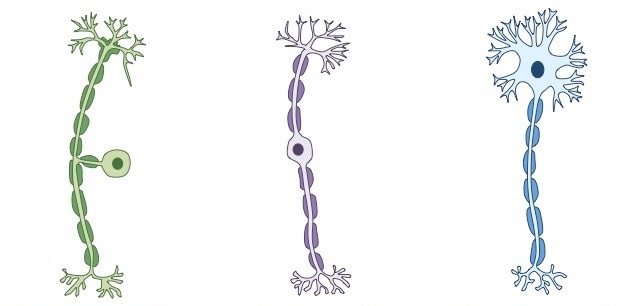
What type of neurone is shown on this picture as green?
Sensory
Relay
Motor
Synapse
Reflex arc helps us to...
... notice things quickly
... respond to temperature change
... run from predators
... react to something quickly
What is the job of optic nerve?
To carry nerve impulses to the brain
To convert light to electrical signal
To react to too much light
To help bending light
What is a hormone?
Chemical produced by an endocrine gland
Protein produced by liver
Chemical made in reproductive organs
Protein produced by the brain
Adrenaline production is increased when...
...we are having fun
...we need to have a fight or flight response
...we need to reduce body temperature
....we need to reduce sugar in our blood
When the blood sugar level is too high
insulin is made by liver
insulin is made by pancreas
glucagon is made by liver
glycogen is made by pancreas
What do we mean by "goose bumps"?
pimples caused by hormonal activity
sweat glands working
hairs standing upright
nervous response to stress
The male parts of a flower are ______________.
Style
Anther
Filament
Ovary
The ___________ of one flower receives pollen grains from another flower.
anther
ovary
style
stigma
The _______________ produces pollen grains.
ovary
anther
stigma
The _________ travels to the __________ during fertilization to form a seed.
anther travels to the ovule
pollen travels to the ovule
anther travels to thestigma
pollen travels to the stigma
[Multi-answer] Plants scatter their seeds to reduce overcrowding. This reduces the competition for _______________.
sunlight
space
water
air
The female parts of a flower are ____________________.
ovary
ovule
anther
stigma
Pollination is the process of transferring pollen from the anther of one flower to the ______________ of another flower.
filament
style
stigma
ovary
ovule
After a pollen grain has reached the stigma, it travels through the __________ to reach the ovary.
style
stalk
stigma
stem
The process of the pollen fusing with the ovule is called ________________.
pollination
fertilisation
germination
reproduction
After fertilization, each _______forms a seed, while each _________forms a fruit.
ovary ... ovule
ovule ... ovary
egg ... ovary
pollen ... ovary
ovary ... pollen
After fertilisation, the seeds are formed inside the _________.
ovule
ovary
flower
stalk

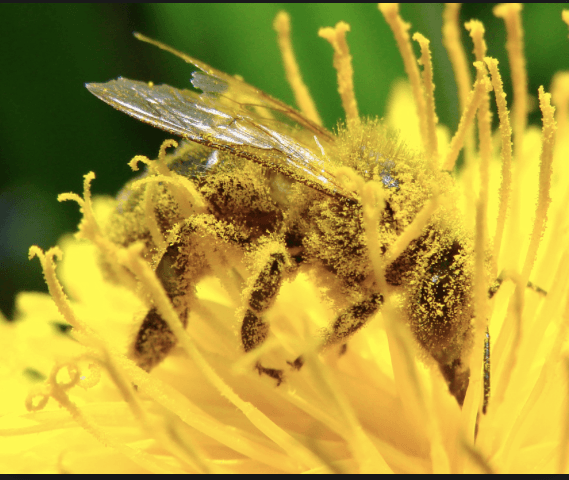
A bee buzzes inside a flower to drink some nectar. While there it touches the stamen. Later the bee goes to another flower and comes into contact with the flower's pistil. Which process of reproduction is this helping with?
pollination and fertilization
plant growth and fertilization
germination and pollination
seed dispersal and germination

What part of the flower is B ?
pistil
petal
ovary
pollen

The petals job is not only to protect the reproductive parts of the plant, but also to
keep wind away from the stamen
attract pollinators with their colors
absorb sunlight
fall off and become food for bugs
Seed structure that grows become roots
radicle
plumule
cotyledon
endosperm
Seed structure that protects seed
radicle
plumule
endosperm
seed coat(testa)
Which response is not due to homeostasis?
enlargement of iris
increase in glucose production when blood glucose level is low
increase in permeability of collecting duct of kidney tubules
shivering in cold weather
Which statement about voluntary actions is not true?
Relay neurones are always involved in voluntary actions.
Voluntary actions always involve transmission of nerve impulses to or from the spinal cord.
Voluntary actions are always coordinated by the brain.
Voluntary actions may not involve sensory neurons.
A finger that touches a hot object is quickly taken away from the source of heat. What is the role of relay neurons in this response?
to carry nerve impulses within the spinal cord
to generate nerve impulses in the receptors of the finger
to link the sense organs to the sensory neurones
to pass nerve impulses to the effectors

The diagram shows the cross-section of the spinal cord of a rat.
In which scenario will the rat still be able to move?
spinal cord cut at Y and electrical stimulation applied at P
spinal cord cut at Y and electrical stimulation applied at R
spinal cord cut at Z and electrical stimulation applied at Q
spinal cord cut at Z and electrical stimulation applied at S

Which changes take place in the iris of the eye when a person moves quickly from darkness into bright light?
A
B
C
D
Which part of the eye causes the greatest refraction of light?
aqueous humour
cornea
lens
vitreous humour
Paul looked out of the classroom window of the class across the corridor to look at Sam who was waiting for him. He looked at the watch on his wrist to check the time before giving his teacher a stare, impatiently waiting for him to end the lesson.
Which diagram shows the sequence of the changes in the shape of the lens of his eyes?


Which structure in the eye is not correctly linked to its function?
choroid - provide oxygen and nutrients to the eyeball
fovea - region where optic nerve leaves the eye
rectus muscle - control movement of eyeball
sclera - protects eyeball from mechanical damage
What substance is the urine of a person suffering from diabetes mellitus likely to contain?
amino acids
fatty acids
glucose
proteins
Which parts of the skin are involved in temperature regulation?
sweat glands, temperature receptors and blood vessels
sweat glands and temperature receptors only
sweat glands and blood vessels only
temperature receptors and blood vessels only

The diagram shows some of the structures seen in a section through human skin.
What is the function of structure X?
to cause capillaries to constrict
to detect changes in temperature
to receive impulses from the central nervous system
to stimulate sweat glands to release sweat
Which statement about voluntary actions is not true?
Relay neurones are always involved in voluntary actions.
Voluntary actions always involve transmission of nerve impulses to or from the spinal cord.
Voluntary actions are always coordinated by the brain.
Voluntary actions may not involve sensory neurones.
In which processes are the brain involved in after a person has touched a hot object?
receiving information, sensing pain + initiating withdrawal response
receiving information, sensing pain only
initiating withdrawal response only
none of the above

The diagram shows a section of a human eye. Which parts receives impulses from motor neurones?
A
B
C
D
Which structures does light pass through when it is focused on the retina?
cornea, lens and sclera
cornea and lens only
cornea and sclera only
lens and sclera only
What is the function of the choroid?
control movement of the eyeball
protects eyeball from mechanical damage
provide nutrients to the eyeball
refract light into the retina

A person is reading a book in dim light. Which row shows the state of the eye muscles?
A
A
B
C
D

Which row shows what causes adrenaline or insulin to be released, and the effect of this hormone on blood glucose concentration?
A
B
C
D
Which statement about nervous and endocrine control is not correct?
Both nervous and endocrine control are activated by stimuli.
Both nervous and endocrine control may be voluntary or involuntary.
Nervous control is usually localised while endocrine control may affect more than one target organ.
Nervous control produces faster responses than endocrine control.
The graphs show how four different conditions in the body may change with time. In which graph is/are the condition(s) being controlled by negative feedback?


The gaps between neurons are called
Effectors
neurotransmitters
reflexes
synapses

Identify the part of the neuron labelled 1 in the diagram
DENDRITE
MYELIN
NUCLEUS
SYNAPSIS
Which of the following is not a reflex action?
BLINKING
COUGHING
SNEEZING
EATING
A nerve cell is also known as a
answer choices
cerebrum
neuron
cerebellum
nucleus
The gaps between neurons are called
answer choices
Effectors
neurotransmitters
reflexes
synapses
Which part of the nervous system is not involved in producing reflex actions?
answer choices
brain
spinal cord
receptor
sensory
What detects a stimulus?
answer choices
A detector
An effector
A receptor
A Simulator
The neurons that conduct information towards the CNS are _________.
answer choices
interneurons
motor neurons
sensory neurons
efferent neurons
The nerve cells in your body are called neurons. From which part of the neuron is most likely responsible for carrying signals between the cell body and axon terminal?
answer choices
soma
axon
Node of Ranvier
Schwann cell
The central nervous system consists of the:
answer choices
brain and spinal nerves
spinal nerves and cranial nerves
cranial nerves and spinal cord
spinal cord and brain
Which part of the eye is where images are converted to nerve impulses?
answer choices
Retina
Cornea
Optic Nerve
Lens
Which of the following are involuntary actions?
I Riding a bicycle
II Heart beat
III Blinking eye
IV Peristalsis
I and II
I and III
II and IV
III and IV
Which is the correct sequence of the components of a reflex arc
Receptors, spinal cord,sensory neuron, motor neuron, muscle
Receptors, muscle, sensory neuron, motor neuron, spinal cord
Receptors, sensory neuron, spinal cord, motor neuron, muscle
Receptors, motor neuron, spinal cord, sensory neuron, muscle
Which nerves arise from the brain and emerges through the skull
Spinal nerves
Thoracic nerves
Cranial nerves
Lumbar nerves

What hormone speeds up the rate at which a plant's cells grow?
hormone
auxin
darknessium
visuals
What is a result of tropisms?
New species of plants are created.
Plants develop new characteristics.
Plants adapt to environmental change.
Flowers are pollinated and fertilized.
What is a result of tropisms?
Plants develop flowers and leaves.
Plants produce seeds and reproduce.
Plants become dormant for a period of time.
Plants grow toward favorable conditions.
Where is auxin formed
Tip of stem and root
Leaves
Embryo
All
Apical dominance which suppresses lateral bud development is caused by what hormone?
auxin
gibberellin
ethylene
imbibition

What tropism is being depicted
Thigmotropism
Phototropism
Gravitropism
Hydrotropism
any change in an organism’s environment that
causes a response is ................................
Photosynthesis
cellular respiration
Stimuli
Tropism

The roots have negative
phtotropism
Thigmotropism
Gravitropism
Hormones

Stem has
negative phototropism
positive gravitropism
Positive Phototropism
no answer
Sweating
Heat from the sun


In a neuron, conversion of electrical signal to chemical signal occurs at
Axonal end
Dendritic end
Cell body
Axon
Correct sequence of electrical impulse transmission in a neuron is from
dendrite, axon, axonal end,cell body
cell body, dendrite, axon,axonal end
dendrite, cell body, axon, axonal end
axonal end, axon, cell body, dendrite
Which is the correct sequence of the components of a reflex arc
Receptors, spinal cord,sensory neuron, motor neuron, muscle
Receptors, muscle, sensory neuron, motor neuron, spinal cord
Receptors, sensory neuron, spinal cord, motor neuron, muscle
Receptors, motor neuron, spinal cord, sensory neuron, muscle
Posture and balance of the body is controlled by
Cerebrum
Cerebellum
Medulla
Pons
Which is not a reflex action
Swallowing
Coughing
Knee jerk
Closing of eyes on flashing light
Spinal cord originates from
Cerebrum
Medulla
Cerebellum
Pons
Part of the brain that controls respiration, heart beat and peristalsis is
Cerebrum
Cerebellum
Hypothalamus
Medulla
Most highly developed part of human brain is
Pons
Medulla
Cerebrum
Cerebellum
Centre for regulating body temperature is
Pons
Cerebellum
Medulla
Hypothalamus
In human, the number of cranial nerves is
12
31
24
26
In humans, the number of spinal nerves is
12 pairs
31 pairs
33 pairs
11 pairs
Thinking part of brain is
Hind brain
Mid brain
Fore brain
Hypothalamus
Taste receptors are
Phonoreceptors
Statoreceptors
Olfactory receptors
Gustatory receptors
The microscopic gap between two adjacent neurons throgh which a nerve impulse passes is
Neurotransmitter
Synapse
Axon terminal
Dendrite
Which nerves arise from the brain and emerges through the skull
Spinal nerves
Thoracic nerves
Cranial nerves
Lumbar nerves
Which of the following is an example of autonomous nervous system
Knee jerk reflex
Swallowing of food
Peristalsis
Reflex action
Smooth muscles, cardiac muscle and organs are regulated by
Central nervous system
Autonomous nervous system
Peripheral nervous system
Somatic nervous system
The thalamus and hypothalamus are located in the
cerebrum
cerebellum
diencephalon
medulla oblongata
Part of the brain responsible for hearing is
Cerebrum
Cerebellum
Hypothalamus
Medulla
The autonomic nervous system has control over
Reflex actions
Sense organs
Skeletal muscles
Internal organs

Study the structure shown and answer the questions that follow. Name part labelled E.
Glomeruli
Glomerulus
Bowma's capsule
Efferent arteriole
Which of the following is the economic importance of Morphine?
Used in treatment of malaria
Used as a mild stimulant
Used in the treatment of leather
Used as a painkiller and anaesthesia
Which of the following is not a function of mammalian skin?
Storage of fats
Synthesis of vitamin A
Synthesis of vitamin D
Regulation of body temperature
Give a function of melanin.
Used to determine gender
Used to determine beauty
Used to control body temperature
Protection against harmful effects of the ultra violet rays from the sun
Name one substance that is present in the urine of a healthy human being.
Plasma proteins
Red blood cells
Glucose
Urea
Which of the following is not a function of human liver?
Deamination
Regulation of blood sugar level
Thermoregulation
Peristalsis
Which of the following is not a characteristic of Diabetes mellitus?
Feeling of thirst
Overweight
Loss of body weight
Chronic starvation
Which of the following feedback mechanism restores condition to normal?
Positive feedback mechanism
Detoxification feedback
Negative feedback mechanism
None of the above.

The diagram below represents a mammalian skin. Name part B
Sweat gland
Sebaceous gland
Erector pili muscle
Malpighian layer
The diagram below represents a mammalian skin. Name part D.
Sweat gland
Sebaceous gland
Erector pili muscle
Malpighian layer
The diagram below represents a mammalian skin. Name part C.
Sweat gland
Malphigian layer
Erector pili muscle
Malpighian layer
The diagram below represents a mammalian skin. Name part E.
Sweat gland
Pacinian corpuscle
Erector pili muscle
Malpighian layer
A) Urine passes through the ureters
B) Urea enters the kidneys
C) Urine enters the urethra
The organ that removes metabolic wastes including urea, excess water, and salts from the blood.
lung
liver
kidney
colon

Which substance is NOT found in the liquid in the highlighted parts of a healthy person?
Glucose
Salt
Water
Urea
The area where all of the glucose is absorbed.
Loop of Henle
Proximal convoluted tubule
Distal convoluted tubule
Collecting tubule
The area influenced by hormones in order to regulate water balance in the body.
Loop of Henle
Proximal convoluted tubule
Distal convoluted tubule
Collecting tubule
The "salty" region of the kidney.
Cortex
Medulla
Renal pelvis
Hilum
The area where the pH of the blood is controlled.
Loop of Henle
Proximal convoluted tubule
Distal convoluted tubule
Collecting tubule
The area where a sodium pump is found.
Loop of Henle
Proximal convoluted tubule
Distal convoluted tubule
Collecting tubule
Which organ of the excretory system stores urine until the body is ready to eliminate it?
ureters
urethra
urinary bladder
renal pelvis
The area of the nephron impermeable to water is the....
Descending limb of the L of H
Ascending limb of the L of H
Proximal tubule
Distal tubule
The wider of the two arterioles is the...
Efferent arteriole
Afferent arteriole
"Filtrate" is the name given to the fluid in the ...
Capillaries
Nephron
Bladder
Choose the substances (more than 1) that will be found in larger quantities the renal artery.
glucose
urea
water
oxygen
carbon dioxide
Choose the substances (more than 1) that will be found in larger quantities the renal vein.
glucose
urea
water
oxygen
carbon dioxide
A collection of collecting ducts forms a ..
Calyx
Ureter
Pyramid
Urethra
Term for both the bunch of capillaries and the cup-shaped structure which forms part of the nephron
Bowman's capsule
Glomerulus
Malpighian body
Renal tubule
Organs of excretion that maintain homeostasis include the kidneys, lungs, skin, and
colon.
bladder
liver.
A short tube where urine is released from the body is the _______.
Ureter
Calyx
Collecting duct
Urethra
The functional unit of the kidneys which includes the glomerulus, Bowman's capsule, tubules and the Loop of Henle.
Malpighian body
renal tubule
renal corpuscle
nephron
The organ whose excretory functions include detoxification of the blood and formation of urea.
liver
kidney
bladder
gall bladder

Diagram shows the mechanism of temperature regulation by the nervous system.
The control mechanism is described as
Reflex arc
Impulse transfer
Negative feedback
Positive feedback
A student walks into a cold room.
Which of the following happens to his body?
Sweating and vasodilation of blood vessels.
Shivering and vasoconstriction of blood vessels
Sweating and vasoconstriction of blood vessels.
Shivering and vasodilation of blood vessels.

Diagram shows ultrafiltration that occurs in kidney.
Which of the following substances cannot move across X?
Fibrinogen
Glucose
Water molecule
Urea
The formation of urine involves the following processes except
Ultrafiltration
Reabsorption
Secretion
Excretion
A boy ran very fast when chased by a fierce dog.
Which of the following occurs in the boy’s body?
Metabolic rate decreases
Rate of digestion increases
Concentration of blood glucose increases
Amount of glucagon secreted decreases
A medical check-up shows that a patient’s pancrease is damaged and has to be removed
Which of the following should be done by the patient to maintain a normal blood sugar level?
Taking glucose injections
Taking a balanced diet
Taking insulin and glucagon injections.
Reduce intake of high calorie food
What is the effect on the production of urine if less antidiuretic hormone is secreted?
Less volume but concentrated
Less volume but dilute
More volume but concentrated
More volume but dilute

Diagram shows the negative feedback mechanism during the regulation of blood osmotic pressure.
What is the response of pituitary and adrenal glands?
Pituitary gland Secretes more ADH
Adrenal gland Secretes more aldosterone
Pituitary gland Secretes less ADH
Adrenal gland Secretes less aldosterone
Pituitary gland Secretes more ADH
Adrenal gland Secretes less aldosterone
Pituitary gland Secretes less ADH
Adrenal gland Secretes more aldosterone

Diagram shows the structure of a nephron
Which of the following activities cause X to be more permeable to water?
Eating salty foods
Doing homework in air conditioned room
Watching TV
Drinking a lot of water
The blood glucose level rises after meal. The Islet cells in the pancreas are stimulated to secrete insulin. Which of the following is the function of insulin?
Stimulate conversion of excess glucose to glycogen
Promotes the breakdown of lipid
Stimulate the uptake of glucose by the liver and muscle cells
Stimulate the conversion of glycogen to glucose
Which of the following physiological processes shows the mechanism of negative feedback?
Maintenance of constant body temperature
formation of urine by the kidneys
Maintaining the osmotic pressure of blood
Expelling carbon dioxide from the lungs

Diagram shows the cross section of human skin.
Which of the following will occur when the surrounding temperature drops below 10 ° C?
R constrict
Q relax
P erect
S become active
A) Urine passes through the ureters
B) Urea enters the kidneys
C) Urine enters the urethra
The cluster of capillaries within a nephron.
glomerulus
alveoli
aorta
vein
The organ that removes metabolic wastes including urea, excess water, and salts from the blood.
lung
liver
kidney
colon
The organ whose excretory functions include detoxification of the blood and formation of urea.
liver
kidney
heart
gall bladder
The waste products produced by cellular life processes the most important of which are carbon dioxide, water, urea and mineral salts.
ATP
metabolic wastes
feces
enzymes
The functional unit of the kidneys which includes the glomerulus, Bowman's capsule and the Loop of Henle.
arteriole
veinule
alveoli
nephron
Another term for sweating; removal of water, salt and urea through the sweat glands in the skin.
perspiration
respiration
reabsorption
transport
A nitrogen waste resulting from the breakdown of the amino acids produced during protein digestion.
carbon dioxide
bile
urea
water
Which substance is NOT found in the liquid in the highlighted parts of a healthy person?
Glucose
Salt
Water
Urea

