Wayground logo

Free Printable Worksheets

Font size

S
M
L
XL
Worksheets

Ecobottle, Water Cycle, Ecological Relationships

Total questions: 40

Worksheet time: 25mins

Name
Class
Date
1.

What is the energy source for the water cycle?

a)

sun

b)

wind

c)

rain

d)

oceans

2.

What are clouds made of?

a)

dry air

b)

water

3.

A student draws a model to represent the precesses involved in the water cycle, as shown. To which process is the formation of clouds related?

a)

Condensation

b)

Evaporation

c)

Freezing

d)

Melting

4.

What are formed when water vapor condenses?

a)

Clouds

b)

Mountains

c)

Transpiration

d)

Valleys

5.

Water in its gas form is called ____________________,

a)

water vapor

b)

precipitation

c)

ice

d)

air

6.

Which of the following is an example of precipitation?

a)

sleet

b)

hail

c)

snow

d)

all of the above

7.
What is A?
a)
Evaporation
b)
Condensation
c)
Precipitation
d)
Runoff
8.
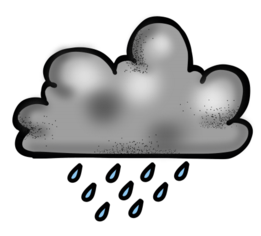
What part of the water cycle does this picture show?
a)
condensation
b)
precipitation
c)
evaporation
9.

What process is shown by letter B in the diagram?

a)

condensation

b)

transpiration

c)

evaporation

d)

precipitation

10.

During evaporation, water changes from a _________ to a __________.

a)

solid, liquid

b)

gas, liquid

c)

liquid, gas

d)

liquid, solid

11.

Which part of the water cycle changes liquid water to water vapor?

a)

condensation

b)

evaporation

c)

precipitation

d)

transpiration

12.

What process is show by letter A in the diagram?

a)

condensation

b)

evaporation

c)

accumulation

d)

precipitation

13.

What is it called when plants release water vapor through their leaves?

a)

sublimation

b)

respiration

c)

transpiration

d)

precipitation

14.

What is shown by letter D in the diagram?

a)

runoff

b)

groundwater

c)

melting

d)

vapor

15.

Water that seeps through the soil into the ground is ___.

a)

condensation

b)

evaporation

c)

infiltration

d)

precipitation

16.

Water that is constantly moving and recycled above, on, and under the Earth is called ___.

a)

evaporation

b)

infiltration

c)

run off

d)

water cycle

17.

Organisms, like bacteria, insects and worms, that break down waste are called ___

a)

carnivore

b)

herbivores

c)

decomposers

18.
The organism that is hunted and eaten in a particular feeding relationship is known as:
a)
Predator
b)
Decomposer
c)
Prey
d)
Autotroph
19.
This is known as a relationship in which both organisms involved benefit. 
a)
Predator-Prey
b)
Commensalism
c)
Mutualism
d)
Decomposition
20.
An organism that helps to recycle nutrients within an ecosystem by eating dead or decaying organisms is a:
a)
Predator
b)
Autotroph
c)
Producer
d)
Decomposer
21.

Lions typical fight to death for territory, mates, and food sources. Lions are most likely fighting due to:

a)

Commensalism

b)

Mutualism

c)

Competition

d)

Parasitism

22.

Cordyceps are a type of a fungi that hijack insects muscular and nervous systems, eventually leading to the death of the insect. What type of relationship is this?

a)

Commensalism

b)

Predator/Prey

c)

Parasitism

d)

Competition

23.
An organism that is killed and eaten by another organism
a)
Predator
b)
Prey
c)
Competition
d)
Adaptation
24.
Barn owls hunt shrews. In this example what is a barn owl?
a)
Herbivore/Predator
b)
Carnivore/Prey
c)
Carnivore/Predator
25.
Which of these describes a mutually beneficial relationship between two organisms?
a)
A dog with worms in its intestine
b)
A turtle and a snail that both eat grass live in a river
c)
A honeybee pollinating a plant and receiving nectar for food
d)
A small fish attached to a shark, eating tiny pieces of the shark's food as it floats
26.
Which pair of organisms listed below are competitors for the same natural resources?
a)
Ticks and dogs
b)
Lions and leopards
c)
Honeybees and flowers
d)
Salmon and brown bears
27.
Which of the examples below can BEST be described as mutualism between animals?
a)
A tapeworm lives in the intestine of a bird and consumes the food that the bird has eaten
b)
Mountain lions and wolves fight each other for the same deer
c)
A bird eats parasites off a rhinoceros while the rhinoceros provides protection to the bird
d)
Rats live in the garbage dump of a town and rarely interact with people
28.
An organism that is killed and eaten by another organism
a)
Predator
b)
Prey
c)
Parasite
d)
Host
29.

A relationship where one organism benefits and another is harmed

a)

Commensalism

b)

Parasitism

c)

Mutualism

d)

Competition

30.
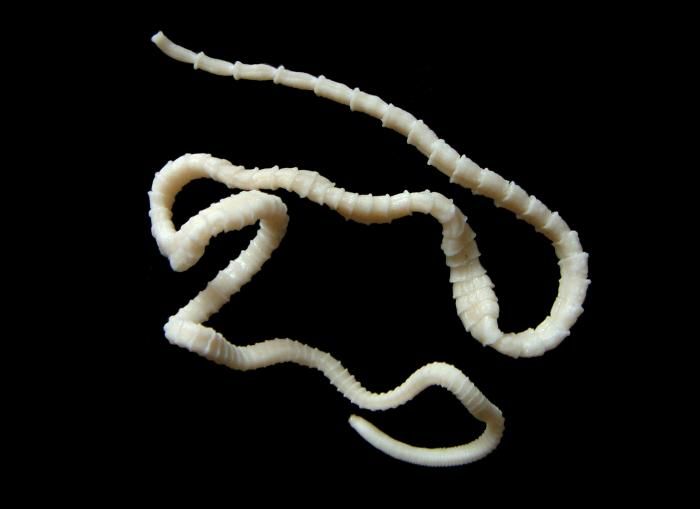
A tapeworm and a cat have this type of relationship.
a)
mutualism
b)
parasitism
c)
commensalism
d)
competition
31.

Cattle egrets forage (feed) in fields among cattle. The egret gets easy access to flying insects stirred up by the cattle, and the cattle don't care if they are there or not. This is an example of parasitism.

a)

true

b)

false

32.
What does NOT produce carbon dioxide?
a)
Photosynthesis
b)
Burning Fossil Fuels
c)
Animal respiration
d)
Plants decaying
33.
TRUE or FALSE?
All of the carbon in existence is continually recycled in the carbon cycle.
a)
True
b)
False
34.
What are the products of photosynthesis?
a)
water and carbon dioxide
b)
oxygen and glucose
c)
oxygen and carbon dioxide
d)
oxygen and water
35.
Plants need ________ for photosynthesis
a)
oxygen
b)
soil
c)
carbon dioxide
d)
sugar
36.
What is photosynthesis?
a)
The process in which humans eat their food
b)
When a photographer takes a photo.
c)
To get your pictures from the photo lab.
d)
The process in which plants make their food.
37.
Which of the following is the correct equation for PHOTOSYNTHESIS?
a)
CO2 + light + H2O --> O2 + Sugar
b)
CO2 + sugar + H2O --> O2 + light
c)
O2 + light + H2O --> CO2 + Sugar
d)
CO2 + O2 + H2O --> Light+ Sugar
38.

Does this graph show predation or mutualism?

a)

Predation

b)

Mutualism

39.
Sublimation is
a)
when solid turns into gas
b)
when gas turns into plasma
c)
when liquid turns into gas
d)
when gas turns into solid
40.
Change from Gas to Solid is called........
a)
Sublimation
b)
Deposition
c)
Fusion
d)
condensation