
Font size
 Worksheets
Ch. 12- DNA analysis
Total questions: 118
Worksheet time: 2hrs 58mins


The total amount DNA in a cell is called the ?
DNA Fingerprint
Introns
Genome
Restriction Enzyme

Which suspect should be charged with the crime?
Suspect 1
Suspect 2
Suspect 3
None of these suspects
Biological evidence is used in forensics for DNA identification purposes. Biological evidence includes ...
blood
saliva
urine
all of these
Collection of DNA fragments that can be used to identify genetically unique individuals
Amplify
DNA Ladder
DNA Fingerprint
DNA Analysis
Type of DNA that varies most among individuals and is used to create DNA fingerprints.
non-coding DNA
coding DNA
Deoxyribose
hydrogen bonds
Mitochondrial DNA is different from nuclear DNA because (CHOOSE TWO)...
It is inherited only from the mother
It is inherited only from the father
It is in the shape of a circular loop
It is in linear strands
What is the purpose of PCR?
Create many copies of DNA fragments
Create a DNA fingerprint
Remove DNA from a sample
Cut the DNA into smaller pieces

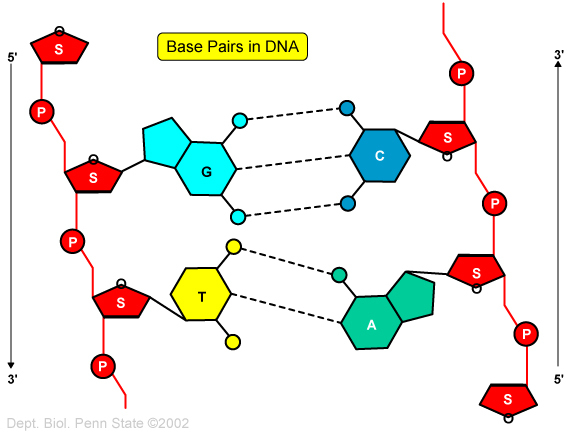
Identify C in this diagram
deoxyribose
nitrogen base
nucleotide
phosphate group
How should DNA evidence be packaged and stored?
In a plastic bag
In the same container as all other evidence found
In a paper bindle
Either A or B
CODIS is
a national system of shared DNA databases with information from crime scenes and convicted felons.
an international system of DNA databases from immigrants.
a national system of standards for forensic investigators.
a national database of forensic abbreviations and instructions for forensic analysis techniques.

Is the alleged father the biological father of this child?
Yes
No
Not enough information
ATG TGA CAG


Identify A in this diagram
deoxyribose
nitrogen base
nucleotide
phosphate group


ATG TGA CAG


This technique is used to copy target segments of DNA
Gel electrophoresis
PCR
RLFP
STR
To calculate the percentage of people who have a particular allele, population studies must be conducted to collect data.
True
False
Population genetics is the study of the variation in genes among a group of individuals
True
False
In gel electrophoresis, what causes the DNA fragments to separate?
DNA is negatively charged and moves towards the positive end
DNA is negatively charged and moves towards the negative end
DNA is positively charged and moves towards the positive end
DNA is positively charged and moves towards the negative end
How many alleles of an STR locus will an individual DNA sample contain?
1
2
20
It varies by person
What needs to be done first to find the STR loci?
insert restriction enzymes to cut the sample
run the full sample on a gel to separate it by electrophoresis, then take the appropriate samples for STR analysis
insert primers and run PCR to copy the loci needed
utilize RFLP
In Forensic Analysis, which region of the DNA is used of a sample?
Coding
Non-Coding
Both
Exons
What does the AMEL locus help identify?
Gender
Height
Full DNA profile
it is one of the 13 core STR loci

What do the peaks represent on the electropherogram?
VNTR lengths
number of repeats at an STR locus
gel electrophoresis results
RFLP repeats
Why is the use of familial DNA controversial when it is useful for solving cases?
Innocent peoples are being investigated
Possible violation of the 4th amendment
People provide evidence regardless of guilt
All of these can be correct
How are mtDNA and YSTR similar?
They both link paternal bloodlines
They both link maternal bloodlines
They are both individual evidence
They both are class evidence
DNA sequences with a high degree of polymorphism are
least helpful for DNA analysis
most helpful for DNA analysis
not useful at all
none of these are correct
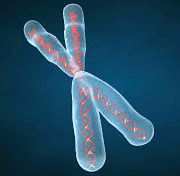
In the nucleus of most human body cells, there are ___ pairs of chromosomes
23
46
92
10
What information is necessary to know the length of an STR locus?
It has to be graphed to find out
The size of the flanking sequence and the number of repeats
The size of the flanking sequence, the size of the repeating sequence and the number of repeats
The size of the repeating sequence and the number of repeats
Why would allele frequency be brought up in the court of law?
It provides information about the liklihood of two individuals sharing a particular combination of genotypes in a population
it proves information of suspect guilt
it provides information linking a suspect to a crime scene
it provides information regarding the number of suspects in a case
Why was the Kirk Bloodsworth case of special importance?
he was the first death row inmate exonerated due to DNA evidence
he was the first individual convicted due to DNA evidence
he won the Nobel Prize for the discovery of RFLP and DNA
he was the first individual released due to DNA evidence
What is a flanking sequence for an STR locus used for in the lab?
restriction enzymes
PCR primers
RFLP
gel electrophoresis
Which of the following cases utilized familial DNA?
Steven Avery
Grim Sleeper
Kirk Bloodsworth
OJ Simpson
About how many repeats of D13S631 STR loci are there?
440
196
475
Not enough information to tell
Which STR locus shows a homozygous genotype?
D13S631
D13S305
D13S634
Both D13S634 and D13S631
DNA of every organism on Earth is made of the same four nitrogen bases.
True
False
DNA contains the instructions for constructing RNA. RNA contains the instructions for constructing proteins. Proteins then are assembled and fold/shape into specific tissues to eventually build an individual. This is the central dogma of Biology and the reason why DNA is specific to each and every individual.
True
False
DNA replication results in two DNA molecules,
each with two new strands.
one with two new strands and the other with two original strands.
each with one new strand and one original strand.
each with two original strands.
What type of sugar is in DNA?
glucose
lactose
deoxyribose
ribose
The disc shaped protein core that DNA wraps around is called
histone
nucleosome
chromatin
gene
Which STR locus shows a heterozygous genotype?
D13S631
D13S305
D13S634
Both D13S634 and D13S305
What is a long, threadlike group of genes found in the nucleus of a cell?
protein
cluster
chromosome
double helix
Deoxyribonucleic acid, the hereditary material of most organisms
DNRA
DNA
DEO
DNUC
A specific sequence of nucleotides in the DNA usually found on a chromosome
protein
gene
tetrad
chromatid
Fundamental component of all living cells, including enzymes, hormones, and antibodies
gene
chromosome
protein
DNA
An organic compound containing the group, NH2 and a carboxylic acid
amino acid
protein
DNA
carboxide
A protein that causes a chemical reaction to occur at a rate that is sufficient to support life
DNA
Enzyme
Amino Acid
Nucleotide
Enzymes that are used to cut DNA into smaller fragments
restriction enzymes
retraction enzymes
cutting enzymes
polymerase enzymes
A procedure that separates DNA fragments according to size
mass spectrometry
IR spectroscopy
electrophoresis
chromatography
A portion of a DNA molecule with a known sequence of bases that is used to find its complementary strand
probe
portion
enzyme
gene
A lab technique used to make multiple copies of DNA for further testing or characterization
Restriction Fragment Length Polymorphism (RFLP)
Polymerase Chain Reaction (PCR)
Polymerase Enzyme Reaction (PER)
Enzyme Simulation Reaction (ESR)
A site where two genes that influence a particular trait are found on a chromosome pair
allele
gene
dominant loci
recessive loci
Specific sequences of DNA fragments that are repeated at a particular site on a chromosome
long tandem repeats
tandem repeats
restricted repeats
short tandem repeats
Once DNA has been extracted from the nucleus of a cell, it is exposed to ______ ______ that act like biochemical scissors to cut the DNA.
restriction enzymes
gel agarose
clotting factors
electric shock


The parents of a new baby believe they brought the wrong child home from the hospital. Gel electrophoresis was performed using DNA samples from the parents and the child. A section of the gel
electrophoresis results is shown below. Which conclusion is valid based on the gel electrophoresis results?
They have the correct child, because her genetic information is identical to that of the father.
They have the wrong child, because her genetic information does not match that of either parent.
They have the correct child, because her genetic information came from both parents.
They have the wrong child, because her genetic information matches only that of the mother.
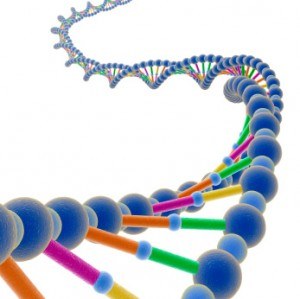
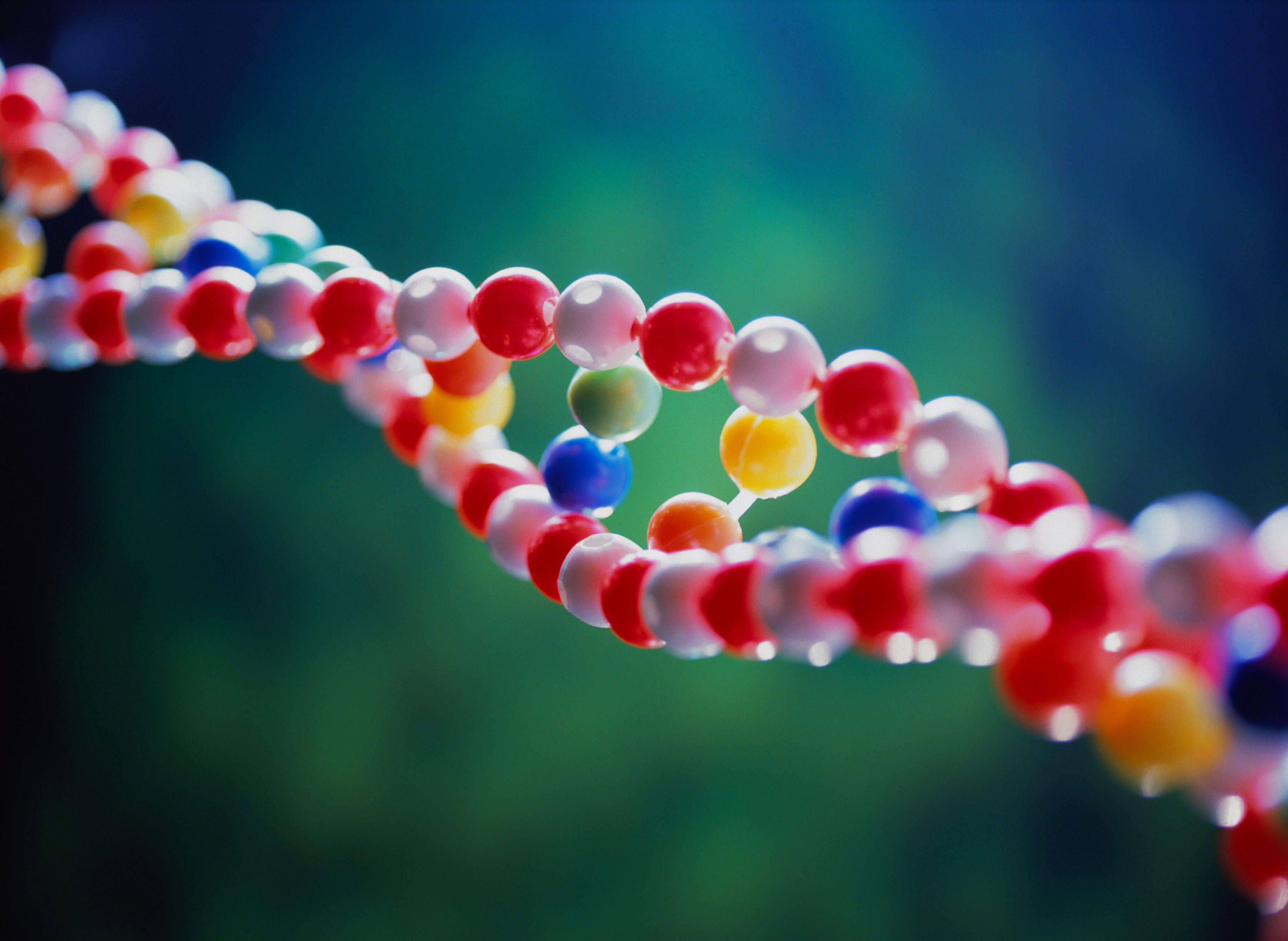
The order of the bases in is what distinguishes different DNA strands.
True
False


If a DNA sequence it GAATGCCT, what are the matching base pairs?
ACGTACCTG
AEIOU and sometimes Y
CTTACGGA
GCCTATGC
If a DNA sequence is CATCAT, what are the matching base pairs?
ACGTAC
MEOW
GTAGTA
GCCTAT

Which statement is true, based on the picture below?
The model is inaccurate because the base pairs are incorrect
The model is accurate because it contains correctly paired bases.
The model accurate because it shows each splitting to form a double helix
The model is inaccurate because some typical bases in DNA are missing

