
 Worksheets
G7 mid
Total questions: 147
Worksheet time: 6hrs 26mins
Why do male peacocks have brightly colored feathers?
The feathers will keep away the peahens (because the peahens are afraid of the brightly colored feathers.
The feathers are used to help the peacock hunt for food. The male peacocks' feathers attract different types of insects.
They are competing for mates. The females will be attracted to the male peacocks with the biggest and brightest tail feathers.
They are competing for food. The males with the most colorful feathers will catch the most of the food such as small mammals, reptiles, small snakes, ants, millipedes, crickets, termites, centipedes, locust and scorpions.

Which organs make up the circulatory system?
the heart, veins, blood vessels
the brain, spinal cord, and nerves
the kidneys, bladder, and ureters
bones
Homeostasis mechanisms...
keep everything exactly the same.
usually operate by positive feedback systems.
act to keep the internal environmental conditions outside the normal range
is the ability to maintain a relatively stable internal environment
______ is keeping conditions in the cell balanced. (This will be a matching question on the test)
Homeostasis
Response
Metabolism
Nutrition
Type of neuron that sends nerve impulses to muscles and gland, by the command of other neurons.
Motor Neurons
Interneurons
Sensory Neurons
Blood is carried back to your heart in little tubes called ____________.
veins
arteries
hoses
What is a seasonal movement of an animal to another location to find food called?
camouflage
migration
grouping
mimicry
What does a 'region with high concentration' mean?
SMALL number of particles
LARGE number of particles
UNEVEN number of particles
no particles
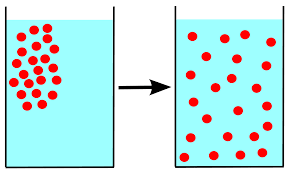
The picture below is an example of _________________.
osmosis
isotonic
diffusion
active transport

How do the particles move in diffusion?
From a region of low concentration to a region of high concentration
From a region of high concentration to a region of low concentration
From a region of low concentration to a region of low concentration
From a region of high concentration to a region of high concentration
Which of the following is a function (job) of the cell membrane>
breaks down lipids, carbohydrates, and proteins from food
stores water, salt, proteins, and carbs
keeps the cell wall in place
regulates the movement of materials into and out of the cell

The cell is moving something against a concentration gradient (from a lower concentration into a higher concentration)
The cell is moving something with a concentration gradient (from a higher concentration to a lower concentration)
Which type of passive transport uses proteins to help molecules pass through the membrane?
Active does not need energy and passive uses energy
Active uses energy and passive does not need energy
Which of the following is NOT a type of passive transport?
Which type of transport gets rid of wastes using energy?
Diffusion

What type of transport is this? (ATP = ENERGY)


Look at the picture. What process allows water to flow in and out of the cell?
osmosis
diffusion
mitosis
synthesis

Look at the picture. What process allows small particles to flow in and out of the cell?
osmosis
diffusion
mitosis
synthesis

The solution surrounding the cell in Diagram B, would be defined as:
hypertonic
hypotonic
isotonic

The solution surrounding the cell in Diagram C, would be defined as
hypertonic
isotonic
hypotonic


This picture represents what type of active transport?
facilitated diffusion

This picture represents which type of active transport?
diffusion
The form of cell respiration that can take place in the absence of free oxygen.
diffusion
anaerobic
aerobic
osmosis
The process in which plants and some other organisms use the energy in sunlight to make food.
photosynthesis
cellular respiration
osmosis
diffusion
The form of in cell respiration that requires free oxygen.
aerobic
anaerobic
photosynthesis
cellular respiration
An organism that cannot create its own energy and must instead rely on consuming nutrients from other organisms.
fermentation
photosynthesis
heterotroph
autotroph
Any organism that can create its own food from inorganic materials.
autotroph
heterotroph
photosynthesis
cellular respiration
An organelle in plant and algae cells that converts energy from sunlight into chemical energy that the plant can use
chlorophyll
chloroplast
mitochondria
nucleus
An organelle in eukaryotic cells that is the site of cellular respiration and generates most of the cell’s ATP
chlorophyll
chloroplast
mitochondria
nucleus
What are the products of cellular respiration? (What goes into the reaction?)
oxygen and glucose
oxygen and carbon dioxide
carbon dioxide and glucose
carbon dioxide and water
What happens to glucose during cellular respiration?
It gets broken down into carbon dioxide and water to create ATP energy.
It gets broken down into oxygen and water to create molecules.
It gets broken down into oxygen and carbon dioxide to create ABC energy.
How are photosynthesis and cellular respiration related?
They're not, they are completely different processes and neither the products nor reactants of either process are related
Both require sunlight to take place
The products of photosynthesis (C6H12O6 + O2) are the same as the reactants of cellular respiration. The products of cellular respiration (CO2 + H2O) are the same as the reactants of photosynthesis
They both take place in animal cells
The purpose of cellular respiration is to
make glucose
Make and release ATP
capture the energy in sunlight
change carbon dioxide
The cell's green color comes from
chlorophyll
chloroplast
stomata
carbon dioxide
What are the two products of photosynthesis?
Glucose
Oxygen
Carbon Dioxide
Water
Light
Which of the following is the word equation for cellular respiration?
glucose + oxygen ---> ATP + carbon dioxide + water
carbon dioxide + water ---> ATP + glucose + oxygen
glucose + water ---> ATP + carbon dioxide + oxygen
glucose + carbon dioxide ---> ATP + oxygen + water

What are the end products from fermentation? (Choose all that apply)
starch
carbon dioxide
glucose
alcohol


Select the answer with three (3) kinds of body systems.
Bone, Stomach, Muscular
Heart, Respiratory, Nerve Cell
Skeletal, Muscular, Nervous
Brain, Stomach, Heart

Organs that work together are part of a(n) ________________________.
cells
tissue
organ system
What does the small intestine do?
reabsorbs the water after the process of the system.
Absorbs most of the end of the nutrients and minerals from where the food takes place.
keeps the stomach in balance for when the system starts.
Absorbs most of the food that's left from the process.


what type of tissues make up cartilage, tendons and ligaments?
connective
epithelial
muscular
nervous
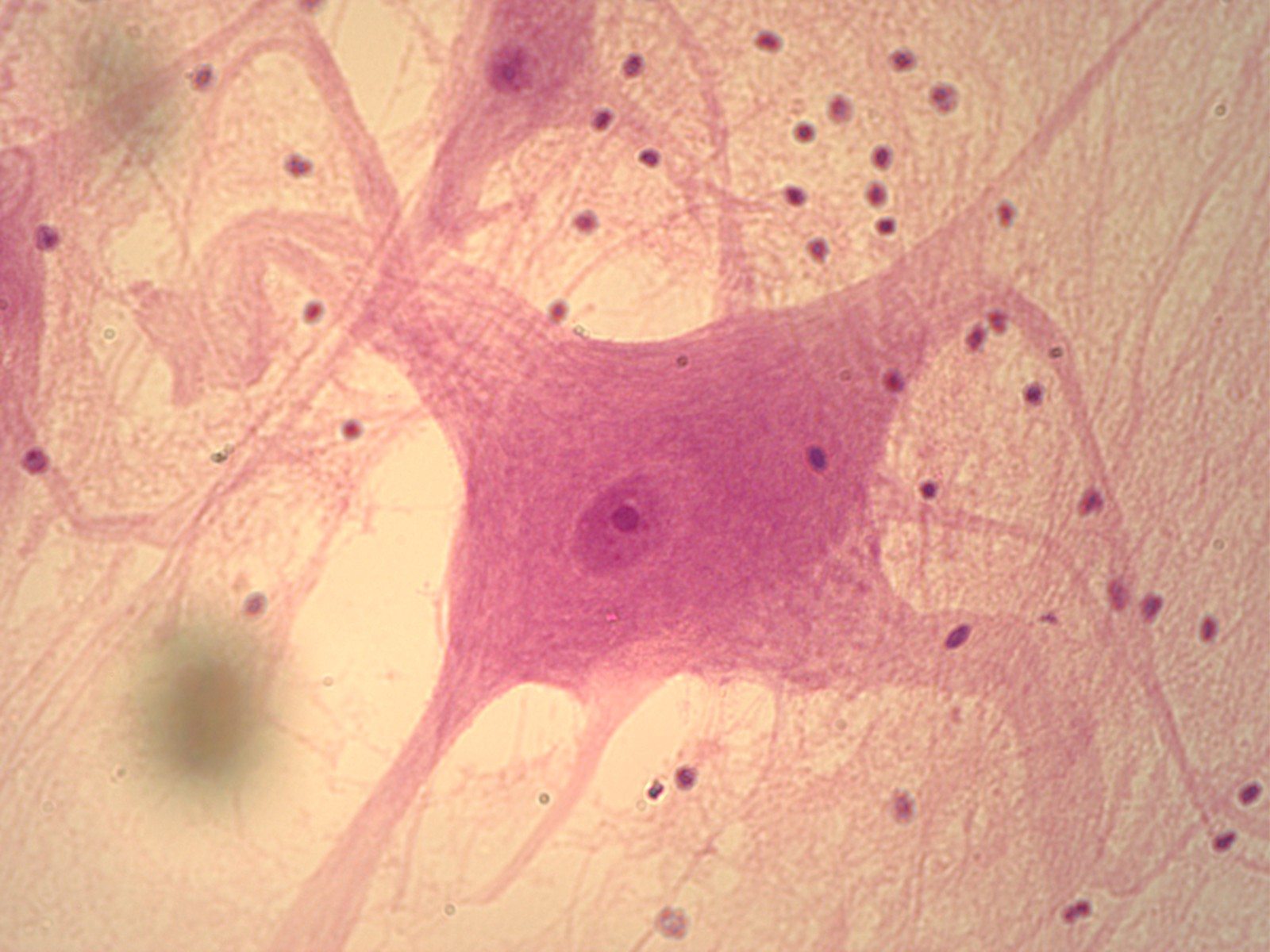
This type of tissue transmits information throughout the body to and from the brain.
Nervous Tissue
Connective Tissue
Muscular Tissue
Epithelial Tissue
Which systems are classified as control systems in the human body?
Muscular and Skeletal systems
Nervous and Muscular systems
Nervous and Endocrine systems
Skeletal and Integumentary systems
What is the primary function of the nervous system?
Support the body
Produce hormones
Control actions through nerve cells
Protect organs
What are the main parts of the nervous system?
Brain, heart, lungs
Brain, spinal cord, liver
Brain, spinal cord, nerves
Heart, lungs, muscles
What does the endocrine system produce that affects various bodily functions?
Blood cells
Hormones
Nerves
Muscles
What are the main parts of the skeletal system?
Muscles and nerves
Bones and connective tissues
Skin and hair
Blood and organs
What functions does the skeletal system perform in the body?
Produces hormones
Heart beat
breathing
Supports the body and protects organs
What functions does the muscular system perform in the body?
Produces hormones
Controls movement and helps maintain posture
Stores minerals
Protects the body from damage
Heart, and blood vessels.
Major organs of the circulatory system
Major organ of the respiratory system
Major organs of the digestive system
3 main kinds of muscles in the muscular system
Stomach, pancreas, small intestine, large intestine.
Major organs of the circulatory system
Major organ of the respiratory system
Major organs of the digestive system
3 main kinds of muscles in the muscular system
Which nutrient helps the body with chemical reactions and includes Vitamin C and Vitamin D?
carbohydrate
proteins
vitamins
water
Which nutrient provides a concentrated energy source and is used for long-term energy storage?
Hint: It can be either saturated or unsaturated
Proteins
Vitamins
Carbohydrates
Fats
What is the nutrient that bile facilitates its digestion?
Proteins
Lipids
Carbohydrates
Protein and lipids
Where is the bile stored?
Liver
Gall bladder
Pancreas
Small intestine
Which of these nutrients are digested in the mouth using enzymes?
Carbohydrates and proteins
Proteins
Carbohydrates
Fats

..............produces bile to break up fat particles.
Pancreas
Large intestine
Liver
Digestive organ where most chemical digestion and absorption of food takes place is the...... .
pancreas
small intestine
liver
What is the nutrient that bile facilitates its digestion?
Proteins
Lipids
Carbohydrates
Protein and lipids
Which mineral is essential for bones, and which one is needed for blood?
A) Iron for bones and Calcium for blood
B) Calcium for bones and Iron for blood
C) Magnesium for bones and Zinc for blood
D) Phosphorus for bones and Potassium for blood
What are proteins made of?
A) Amino acids
B) Carbohydrates
C) Fats
D) Sugars
What are the two types of vitamins?
A) Vitamins A and K
B) Essential and non-essential vitamins
C) Fat-soluble and water-soluble vitamins
D) Natural and synthetic vitamins

waves of muscle contractions (squeezing)
stomach
small intestine
peristalsis
Proteins are...
help with chemical reactions, water-soluble or fat-soluble
used for energy, measured in calories
used for long term energy, saturated or unsaturated
used for growth and body repair, made of amino acids
Fats are...
help with chemical reactions, water-soluble or fat-soluble
used for energy, measured in calories
used for long term energy, saturated or unsaturated
used for growth and body repair, made of amino acids
What is the function of the large intestine?
reabsorbs water and contains villi for final nutrient absorption
produces and carries out peristalsis
reabsorbs water and compacts wastes in readiness for elimination
produces bile and filters blood
The role of this organ is to produce chemicals that break down the proteins and fats found in food.
Pancreas
Liver
Stomach
Small Intestine
This occurs in the large intestine.
Mechanical Breakdown
Water Absorption/ Solid Waste Production
Nutrient Absorption
Chemical Breakdown

What are these structures call that are found on the lining of the small intestine?
Gallbladder
Villi
Sphincter
Duodenum
If you wanted to find the glands that produce salivary amylase, where would you look?
In your mouth
In your throat
In your intestines
In your stomach
Chewing is an example of what type of digestion?
Dental
Fragmentary
Chemical
Mechanical
In the cardiovascular system, the heart pumps blood through the body using various ________.
Muscles
Blood
vessels
White blood cells
Red blood cells
What type of blood vessel carries blood towards the heart?
Vein
Artery
Capillary
Tube
Which two body systems interact to carry out gas exchange?
Digestive and Respiratory
Circulatory and Muscular
Circulatory and Respiratory
Muscular and Skeletal
What is the main function of the circulatory system?
To turn food into nutrients
To transport substances around the body
To respond to stimuli
To move from place to place
Where does gas exchange occur in the lungs?
Bronchi
Trachea
Pharynx
Alveoli
The diaphragm, trachea, and alveoli are part of the ________________ system.
Respiratory
Circulatory
Digestive
Endocrine
Arteries carry (almost always) oxygenated blood
Towards the heart
Towards the lungs
Away from the heart
Away from the lungs
Why are capillaries important to the circulatory system?
The breakdown of food into usable nutrients occurs there
The movement of muscles to perform locomotion occurs there
The exchange of materials between the blood and body cells occurs there
The pumping of blood occurs there
How many chambers does the human heart have?
3
4
2
1

What is the name of #5?
Vena cava
Right atrium
Aorta
Left ventricle

What is the name of #6?
Bronchioles
Trachea
Pharynx
Alveoli

What is the name of #9?
Left Ventricle
Right Ventricle
Left Atrium
Right Atrium
What are the upper chambers of the heart called?
Arteries
Ventricles
Atria
Vessels

How are arteries and veins different?
One is bigger than the other.
The arteries carry more blood than the veins.
The arteries carry blood away from the heart while veins carry blood to the heart.
The veins carry blood away from the heart while arteries carry blood to the heart.
A Neuron is a cell that carries information through the ________.
nervous system
muscular system
circulatory system
endocrine system
The nervous system is divided into the central and peripheral systems.
Central and Peripheral Nervous System
Somatic and Autonomic Nervous System
Sympathetic and Parasympathetic System
CNS and ENS
Which of the following is NOT a type of neuron?
Sensory neuron
Interneuron
Motor neuron
Reflex neuron
A Synapse is a junction between two neurons that allows them to communicate with each other.
A junction between two neurons that allows them to communicate with each other.
A type of neurotransmitter involved in nerve signal transmission.
A muscle fiber involved in movement.
A part of the brain responsible for memory.
The Brain is a part of which nervous system?
Central Nervous System
Peripheral Nervous System
Autonomic Nervous System
Enteric Nervous System
The process in which a system is turned off by the condition it produces is called ________.
feedback loop
feedforward mechanism
automatic shutdown
self-regulating process
When the amount of hormone in the blood reaches a point, the endocrine system sends out signals to stop the release of that chemical. This process is called:
Feedback inhibition
Negative feedback
Homeostasis
Positive feedback
Which part of the nervous system is responsible for controlling most of the functions of the body and it consists of the brain and spinal cord?
Autonomic system
Somatic system
Peripheral Nervous System (PNS)
Central Nervous System (CNS)
What is the function of a sensory neuron?
Sending messages to muscles or glands
Receiving information from the dendrite
Picking up a stimulus from the environment and converting the stimulus into a message.
Carrying the message from one neuron to another
What is the function of an interneuron?
Sending messages to muscles or glands
Receiving information from the dendrite
Picking up a stimulus from the environment and converting the stimulus into a message.
Carrying the message from one neuron to another
What is the function of a motor neuron?
Sending messages to muscles or glands
Receiving information from the dendrite
Picking up a stimulus from the environment and converting the stimulus into a message.
Carrying the message from one neuron to another
What is the function of the axon?
Sending messages to muscles or glands
Receiving information from the dendrite and transferring them to the terminal
Picking up a stimulus from the environment
Carrying the message from one neuron to another
Which system controls the involuntary actions of the body?
Central Nervous System (CNS)
Somatic system
Autonomic system
Endocrine system
Which system controls the voluntary actions of the body?
Central Nervous System (CNS)
Somatic system
Autonomic system
Endocrine system
What is the function of the endocrine system?
Maintaining homeostasis
Regulating body temperature
Releasing chemicals called hormones
Controlling voluntary actions
Which system has 2 groups of nerves, one controlling voluntary actions and the other controlling involuntary actions?
Somatic and Autonomic Systems
Peripheral Nervous System (PNS)
Central Nervous System (CNS)
Endocrine system

What is represented by the figure below?
Brain
Spinal cord
neuron
Gland
What carries the message from one neuron to another
(a)

Rosa hit her elbow on a cabinet and felt a tingling in her arm. The tingling settled down after a few minutes. She knew it was a nerve she had hit, so she looked at a diagram to see where the nerves were located. She also looked at the other major parts of the nervous system.
What label should be for A?
Brain
Spinal cord
Peripheral Nerves
Somatic Nerves
What label should be for B?
Brain
Spinal cord
Peripheral Nerves
Somatic Nerves
Each spinal nerve has axons of sensory and motor neurons. The peripheral nervous system has 43 nerves and connects the central nervous system to the rest of the body.
The ______a.)______________ controls actions such as texting or kicking a ball, while the _______b.)_____________ controls actions such as digestion and rate of breathing.
a. neurons, b. autonomic NS
a. spinal cord: b. somatic NS
a. Somatic NS: b. Autonomic NS
a. Neurons: b. Spinal cord
receives information and sends it away from the cell
Dendrite
Neuron
Axon
Which of these is an involuntary response to a stimulus?
Jumping when a dog barks
Hearing a song that you do not recognize
Feeling an ocean breeze on your face
Tasting a candy bar that you like
Which of these is a voluntary response to a stimulus?
Your heart beating faster when you get scared
Waving back to a neighbor who tells you good morning
Pulling your hand back after suddenly touching a hot surface
Breathing harder after running a few kilometers


