
 Worksheets
Compounds
Total questions: 82
Worksheet time: 1hrs 3mins
Covalent Bonds ______________ valence electrons.
give
take
keep
share
The number of electrons in the last shell.
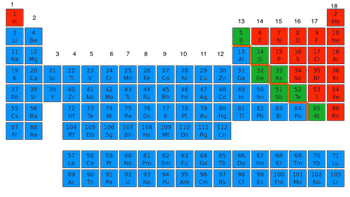
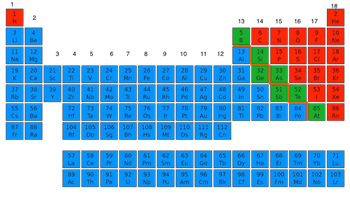

All but Hydrogen and Helium want how many valence electrons?
1
2
8
0
Why do atoms bond?
to find a date
to become bigger
to go to dog jam
to become stable
When atoms bond it is called a ___________________ because they make a new substance.
chemical reaction
physical reaction


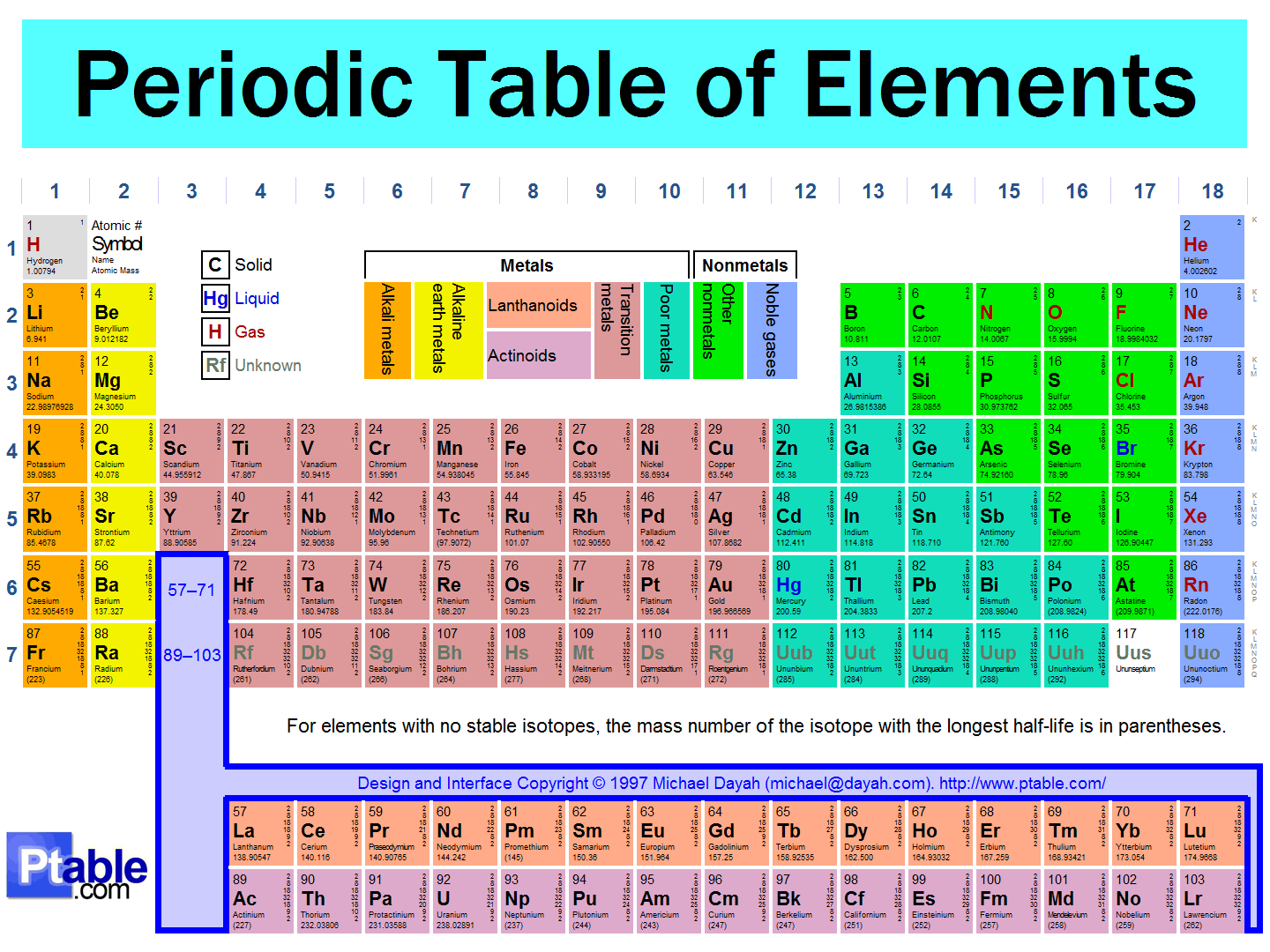
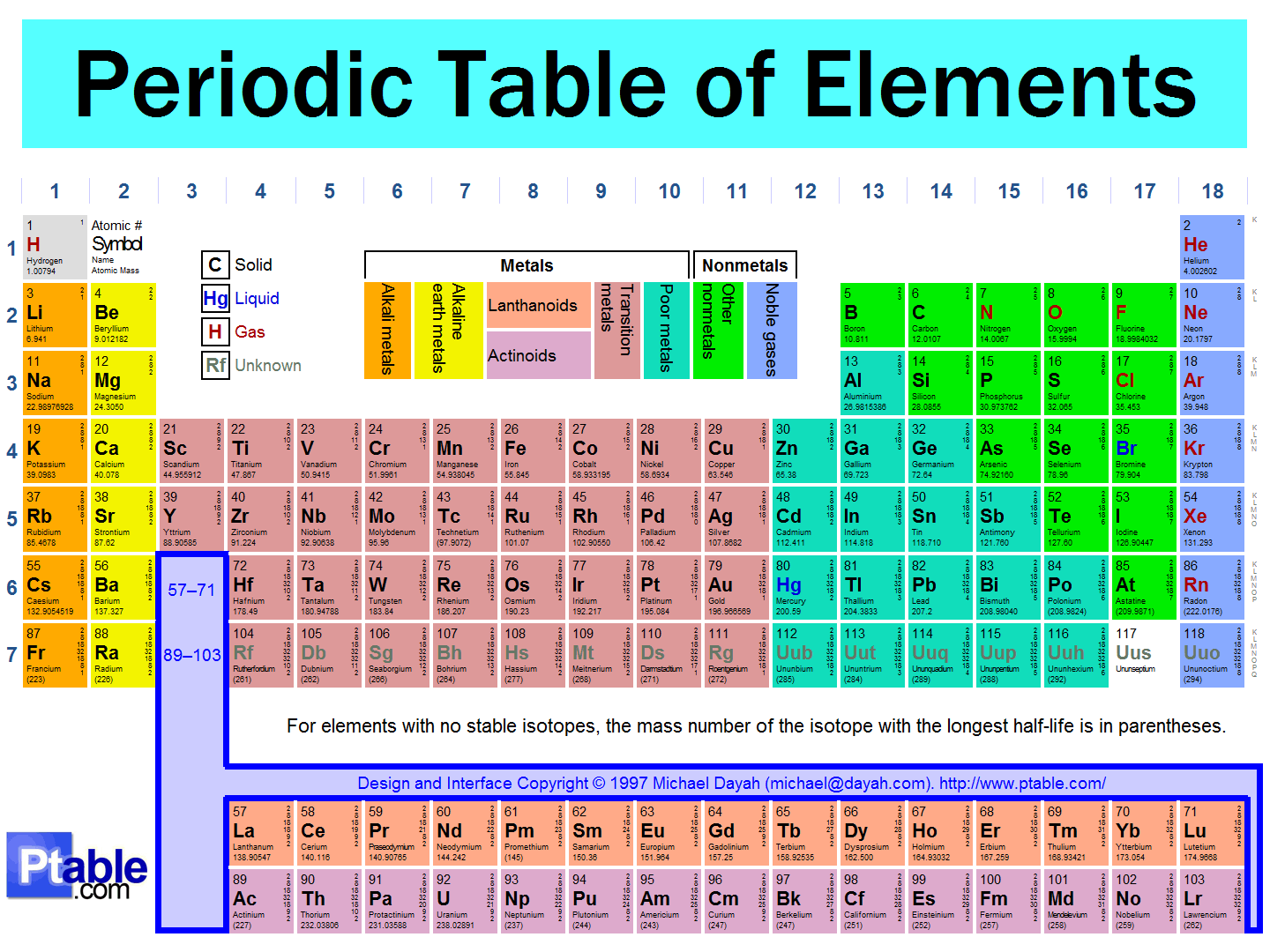





Elements that have the same number of energy levels are said to be in the same ______.
group
period
family
classification
Which halogen is found in period 4?
Krypton (Kr)
Xenon (Xe)
Bromine (Br)
Iodine (I)
Which element has similar chemical properties as sodium but has 7 energy levels?
Francium (Fr)
Cesium (Cs)
Rubidium (Rb)
Potassium (K)

Which element is found in group 2, period 6?
Oxygen (O)
Barium (Ba)
Selenium (Se)
Carbon (C)
Metals (select all that apply)
are found on the right side of the periodic table.
are found on the left side of the periodic table.
are good conductors of heat and electricity.
are brittle.
are malleable and ductile.
A row on the Periodic Table of Elements
family
period
row
isotope
Periodic law states that the elements are arranged according to their atomic ________ so that elements with similar chemical properties are in the same ________ and properties repeat periodically.
numbers, rows
masses, rows
masses, column
numbers, column
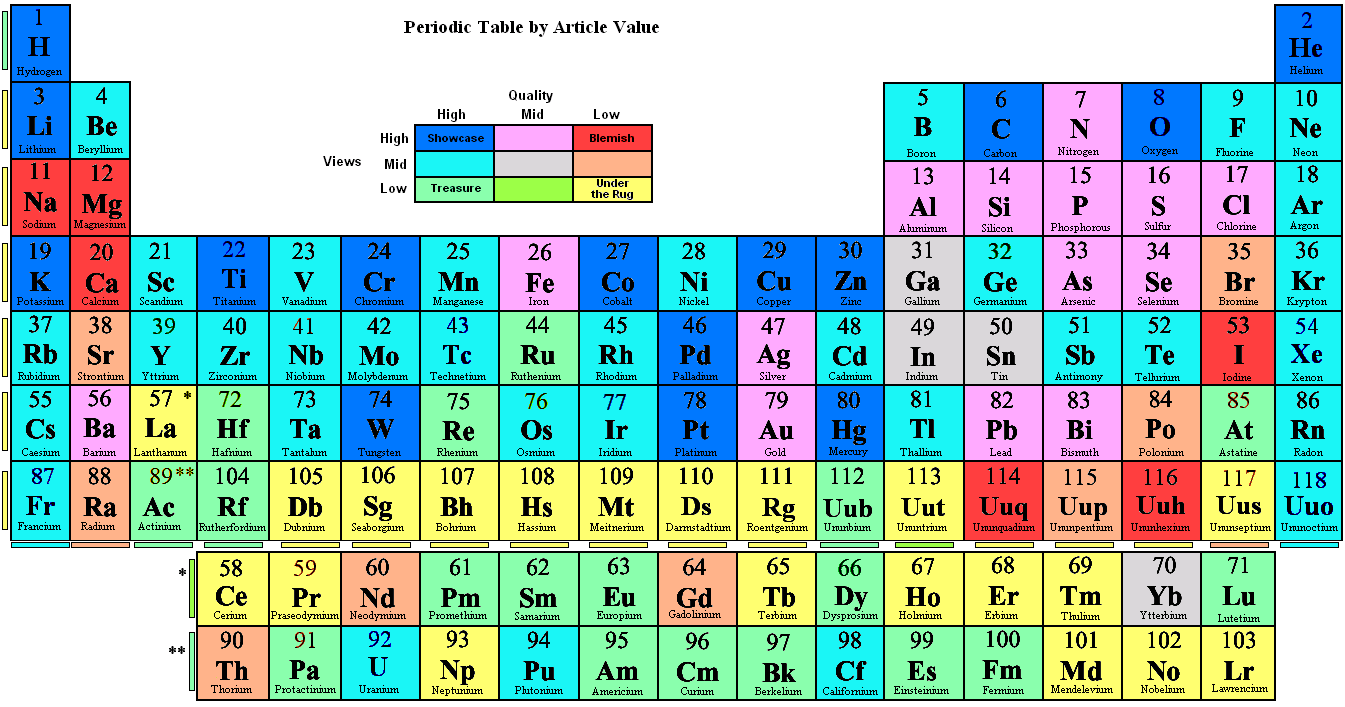
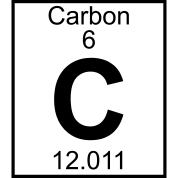
The horizontal (side to side) rows in the Periodic Table are called
groups
families
periods
atomic numbers
period
Elements that occur in vertical columns on the periodic table.
A horizontal row of elements in the periodic table
Found in group two of the periodic table; highly reactive
A subatomic particle that has a negative charge
2. Ionic Bonding involves:
The transfer of protons
The transfer of neutrons
The transfer of electrons
None Of the above
3. What do atoms that form positive ions tend to do?
Tend to lose electrons
Tend to lose protons
Tend to gain electrons
Tend to gain protons
4. What usually forms the positive ion?
Metal
Nonmetals
None
6. What usually forms the negative ion?
Nonmetals
Metal
None
7. Covalent compounds:
Share electrons
Transfer electrons
Neither
8. What happens when an atom loses an electron?
Neutral (no charge)
Positive Charge
Negative Charge
9. What happens when an atom gains an electron?
Neutral (no charge)
Positive Charge
Negative Charge
10. What charges attract?
Opposite
Same
11. What charges repel?
Same
Opposite
12. What elements generally make an ionic bond?
metal and nonmetal
2 or more nonmetals
metal
none of the above
13. What elements generally make a covalent bond?
metal and nonmetal
2 or more nonmetals
metal
none of the above
15. What is a valence electron?
an electron that is found in the outermost shell of an atom.
an electron found in the innermost shell of an atom.
an electron found in the middle shell.
16. What is the number of valence electrons for Calcium (Group 2)?
1
2
3
4
17. What is the number of valence electrons for Carbon (Group 14)?
1
2
3
4
18. What is the number of valence electrons for Neon and the other Noble Gases?
5
6
7
8
19. If an atom transfers an electron to another atom, those atoms form which bond?
Ionic Bond, which is stronger than a covalent bonds
Covalent Bond, which is stronger than ionic bonds

a grouping of elements based on similar properties, arranged by columns in the periodic table; also known as a group
family
period
row
isotope
NaBr
H2O
What kind of element forms covalent bond?
metals
semi -metals
non metals
metal and non metal

