wayground logo

Free Printable Worksheets

Font size

S
M
L
XL
Worksheets

Ch. 14- Human Remains

Total questions: 146

Worksheet time: 7hrs 56mins

Name
Class
Date
1.
The arm and leg bones can be used to determine forensic height
a)
true
b)
false
2.
The pelvis of a female is _____ as compared to a male.
a)
wide and circular
b)
wide and heart-shaped
c)
narrow and circular
d)
narrow and heart-shaped
3.
You notice a skull that has a rough and bumpy surface.  What sex this this characteristic typically associated with?
a)
Male
b)
Female
4.
a)
vertebrae
b)
tibia
c)
pelvis
d)
femur
5.
Why does an infants skeleton contain a higher number of bones?
a)
They are born with many bones that have not fused completely
b)
They are mutant ninja bebes
c)
They are born with bones that eventually turn into cartilage
d)
all of the above
6.
How many bones are in the skeleton of an infant?
a)
206
b)
None, they are all cartilage
c)
450
d)
150
7.
The material that wraps the ends of the bones to protect them and keep them from scraping together is call
a)
ligaments
b)
periosteum
c)
cartilage
d)
tendons
8.
The subpubic angle is 104 degrees. The body is most likely a
a)
male
b)
female
9.
The stage of fusion of various bones within a skeleton can be used to estimate the ___________ of the decedent. 
a)
age
b)
race
c)
gender
d)
height
10.
A skull is found with rounded eye orbits, a thin brow ridge, and no occipital protuberance.  What is the sex of this skull?
a)
Male
b)
Female
11.
a)
Humerus
b)
Ulna
c)
Radius
d)
Clavicle
12.
This is the smaller bone behind the Tibia
a)
Tibia
b)
Femur
c)
Fibula
d)
Pelvis
13.
The pelvis in the picture is most likely
a)
male
b)
female
14.
Which is the most reliable bone to determine the sex of a skeleton? 
a)
Femur
b)
Skull
c)
Pelvic bone
d)
Collarbone
15.
One of the  ways to determine the race using bones is by examining the :
a)
the pelvis
b)
the leg bones
c)
skull
d)
the occipital bump
16.
Which of the following describes a purpose of bones?
a)
To provide the framework for our bodies.
b)
They anchor our muscles to allow movement.
c)
They protect our organs.
d)
All of the above.
17.

These green bones are in the palm of your hand.

a)

metacarpals

b)

metatarsals

c)

tarsals

d)

carpals

18.

Name these bones colored yellow.

a)

humerus

b)

ulna

c)

radius

d)

tibia

19.

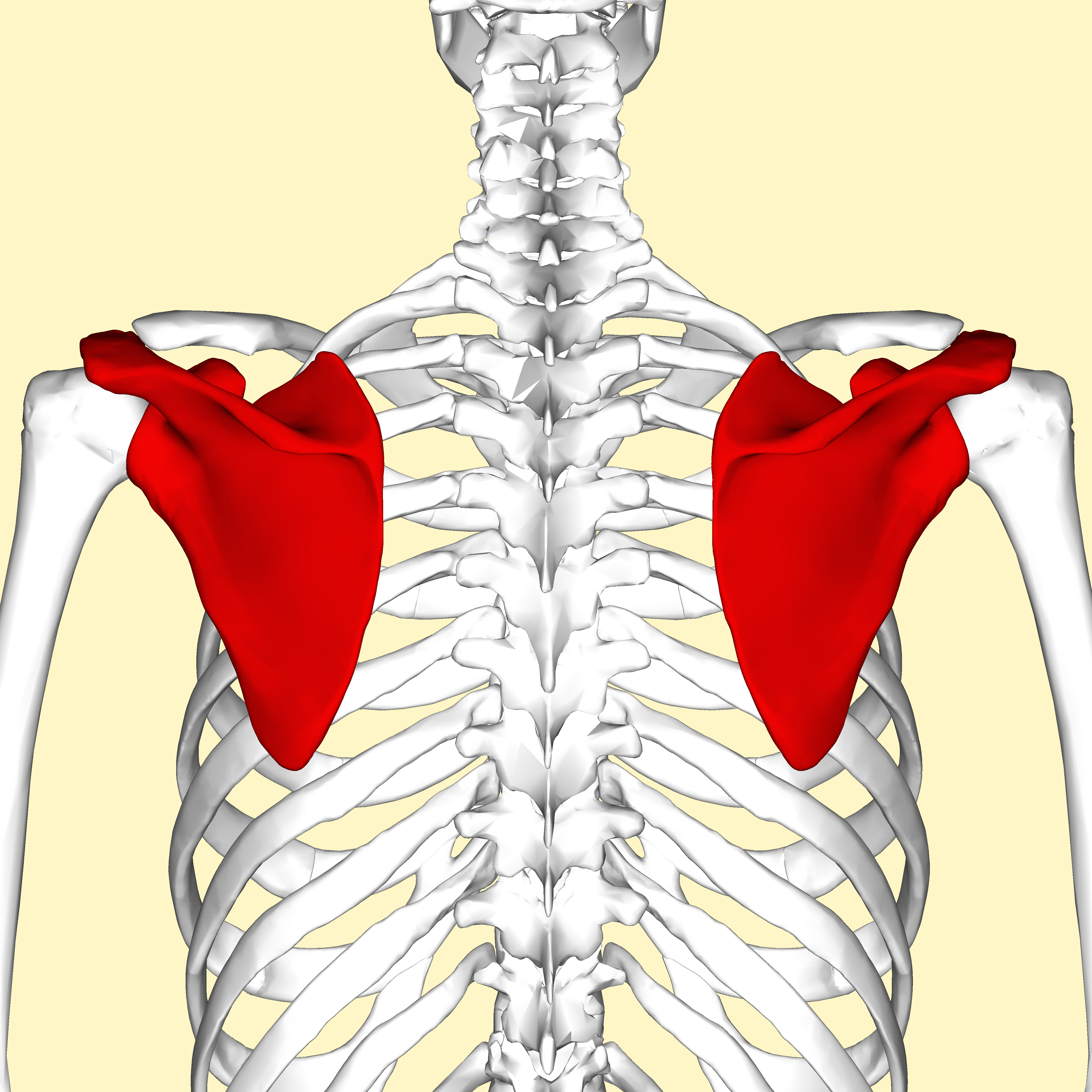
What bones are colored red?

a)

Clavicle

b)

Scapula

c)

Sternum

d)

Carpals

20.

Phalanges are:

a)

finger bones

b)

arm bones

c)

leg bones

d)

spinal bones

21.

What CANNOT be determined by examining bones?

a)

age

b)

race

c)

weight

d)

gender

22.

Round eye orbits, subpubic angle of 103 degrees, rectangular-shaped pubis, smooth skull.

a)

male

b)

female

c)

other

23.

Pelvis narrow, protuberance on occipital bone, sloping forehead.

a)

human male

b)

human female

c)

animal

24.

The skull was found to be smooth with small brow ridges; would you expect to find a subpubic angle larger or smaller than 90 degrees?

a)

larger than 90 degrees

b)

smaller than 90 degrees

25.
What steps does an anthropologist first take during an examination of bones?
a)
Are the human bones?
b)
How did they die?
c)
Both 
26.
All of the following are things anthropologists want to know about a skeleton EXCEPT
a)
age 
b)
cause of death
c)
gender
d)
race
27.
When trying to find the age of an individual, anthropologists will give an exact age of the deceased
a)
true
b)
false
28.
What bones of the body are used to help determine age? Check all that apply
a)
humerus 
b)
patella
c)
femur
d)
femur and humerus
29.
What specific bone region is most useful in determining the gender of remains
a)
pelvis
b)
skull
c)
elbow
d)
femur
30.
Odontology is the study of 
a)
teeth 
b)
bones
c)
death
d)
race
31.
Using the photos on the screen, which Pelvis belongs to a male?
a)
1
b)
2
32.

locations where bones meet

a)

tendons

b)

ligaments

c)

joints

d)

skeletons

33.

the study of physical anthropology as it applies to human skeletal remains in a legal setting.

a)

forensic anthropology

b)

ossification

c)

skeletal trauma analysis

d)

osteoclast

34.

What bone is highlighted?

a)

Tibia

b)

Fibula

c)

Femur

d)

Humerus

35.

What bone is highlighted?

a)

Femur

b)

Tibia

c)

Fibula

d)

Humerus

36.
Which of these is a long bone?
a)
Femur
b)
Patella
c)
Scapula
d)
Carpal
37.
What two bones make up our lower leg?
a)
Patella
b)
Kneecap
c)
Tibia Fibula
d)
Pelvis
38.
What is another name for your shin bone?
a)
fibula
b)
tibia
c)
thigh bone
d)
femur
39.
This is the smaller bone behind the Tibia
a)
Tibia
b)
Femur
c)
Fibula
d)
Pelvis
40.
a)
Humerus
b)
Ulna
c)
Radius
d)
Clavicle
41.
A skull is found with rounded eye orbits, a thin brow ridge, and no occipital protuberance.  What is the sex of this skull?
a)
Male
b)
Female
42.

____________ marks the place where cartilage has become bone.

a)

diaphysis

b)

epiphyses

c)

periosteum

d)

endosteum

43.

Cells that build bone are called ___________.

a)

osteoblasts

b)

osteocytes

c)

osteoclasts

d)

osteobytes

44.

Cells that destroy bone are called _____________.

a)

osteocytes

b)

osteoblasts

c)

osteoclasts

d)

osteomasts

45.
The formation of bone is called
a)
Ossification
b)
Endochondral
c)
Intramembranous
d)
Osteocation
46.
The stage of fusion of various bones within a skeleton can be used to estimate the ___________ of the decedent. 
a)
age
b)
race
c)
gender
d)
height
47.
What is located at #4?
a)
lamboidal suture
b)
coronal suture
c)
occipital protuberance
d)
mandible
48.
The subpubic angle is 104 degrees. The body is most likely a
a)
male
b)
female
49.

The lambdoidal suture is closed but the coronal suture is open. How old is the individual?

a)

less than 21

b)

21-30

c)

30-50

d)

more than 50

50.
The material that wraps the ends of the bones to protect them and keep them from scraping together is call
a)
ligaments
b)
periosteum
c)
cartilage
d)
tendons
51.
How many bones are in the skeleton of an infant?
a)
206
b)
None, they are all cartilage
c)
450
d)
150
52.
Suture Lines on the __________ are helpful in determining the __________ of a victim
a)
skull , age
b)
name , number
c)
jaw , race
53.
Why does an infants skeleton contain a higher number of bones?
a)
They are born with many bones that have not fused completely
b)
They are mutant ninja bebes
c)
They are born with bones that eventually turn into cartilage
d)
all of the above
54.
a)
vertebrae
b)
tibia
c)
pelvis
d)
femur
55.
Which bone?
a)
Parietal
b)
Occipital
c)
Frontal
d)
Forehead
56.
You notice a skull that has a rough and bumpy surface.  What sex this this characteristic typically associated with?
a)
Male
b)
Female
57.
The pelvis of a female is _____ as compared to a male.
a)
wide and circular
b)
wide and heart-shaped
c)
narrow and circular
d)
narrow and heart-shaped
58.
The arm and leg bones can be used to determine forensic height
a)
true
b)
false
59.
Which of the following describes a purpose of bones?
a)
To provide the framework for our bodies.
b)
They anchor our muscles to allow movement.
c)
They protect our organs.
d)
All of the above.
60.
What is E?
a)
Pelvis Bone
b)
Public Bone
c)
Pubic Symphysis
d)
All of the Above
61.
Which is the most reliable bone to determine the sex of a skeleton? 
a)
Femur
b)
Skull
c)
Pelvic bone
d)
Collarbone
62.
a)
Coccyx
b)
Sacrum
c)
Pelvis
d)
Femur
63.
If skeletal remains were determined to be from an Asian person, it is termed
a)
caucasoid
b)
mongoloid
c)
africoid
d)
aboriginal
64.
The arm and leg bones can be used to determine forensic height
a)
true
b)
false
65.
The pelvis in the picture is most likely
a)
male
b)
female
66.
One of the  ways to determine the race using bones is by examining the :
a)
the pelvis
b)
the leg bones
c)
skull
d)
the occipital bump
67.
The younger the individual, the ______ cartilage they have.
a)
More
b)
Less
68.
Suture Lines on the __________ are helpful in determining the __________ of a victim
a)
skull , age
b)
name , number
c)
jaw , race
69.

Which suture is the arrow pointing to?

a)

Sagittal

b)

Coronal

c)

Lamboidal

d)

Temporal

70.

This skull, with a wide nasal opening and square eye sockets, can be mostly likely classified as:

a)

Mongoloid

b)

Negroid

c)

Middle Eastern

d)

Caucasian

71.

_______________ mortis is the cooling of the dead body over time.

a)

rigor

b)

livor

c)

algor

d)

pubis

72.

Phalanges are:

a)

finger bones

b)

arm bones

c)

leg bones

d)

spinal bones

73.

What CANNOT be determined by examining bones?

a)

age

b)

race

c)

weight

d)

gender

74.

Identify this bone (arrow).

a)

vertebrae

b)

tibia

c)

pelvis

d)

femur

75.

Which bone is colored red?

a)

Humerus

b)

Ulna

c)

Radius

d)

Clavicle

76.

These green bones are in the palm of your hand.

a)

metacarpals

b)

metatarsals

c)

tarsals

d)

carpals

77.

Name these bones colored yellow.

a)

humerus

b)

ulna

c)

radius

d)

tibia

78.

What bones are colored red?

a)

Clavicle

b)

Scapula

c)

Sternum

d)

Carpals

79.

Is this skull from a male or female?

a)

male

b)

female

c)

neither

d)

both

80.

Is this person still experiencing bone growth?

a)

yes

b)

no

c)

you can't tell from these bones

81.

Where does cell division occur in a long bone to make the bone grow in length?

a)

in the medullary cavity

b)

in the tendons

c)

in the ligaments

d)

in the epiphyseal plates

82.

Tendons ...

a)

connect bone to bone

b)

connect muscle to bone

c)

allow for bone growth

d)

shorten and lengthen

83.

the mandible (chin) bone on male skulls tend to be....

a)

square shape

b)

pointed

c)

narrow

d)

thinner than females

84.

A femur could provide information about a person's ....

a)

the weight and ancestry

b)

height and ancestry

c)

age and ancestry

d)

age and height

85.

Is this person's bones still growing in length?

a)

yes

b)

no

c)

you can't tell from these bones

86.

Which age group would you classify this person based on the bones?

a)

1-10 years of age

b)

10-20 years of age

c)

20-30 years of age

d)

30-40 years of age

87.

What is happening at the place where the arrows are pointing?

a)

this is where the bone has sustained an injury- a fracture

b)

nothing- these are 4 separate bones

c)

cells are dividing

d)

tendons are connecting the two sections

88.

In male skulls....

a)

the mandible is pointed

b)

the eyebrow bones (lower part of forehead) are prominent (larger)

c)

smaller than females

d)

flatter on top

89.

Female pelvic bones tend to....

a)

be funnel shaped

b)

be narrower than males

c)

be wider and the upper portion is flared outward

d)

be shorter and thicker

90.

Which types of tissue are not decomposed by bacteria?

a)

tendons

b)

cartilage

c)

ligaments

d)

bone

91.
the stiffening of the skeletal muscles shortly after death
a)
livor mortis
b)
autolysis
c)
rigor mortis
d)
algor mortis
92.
the cooling of body temperature after death
a)
rigor mortis
b)
algor mortis
c)
livor mortis
d)
autolysis
93.
the study of insects as they pertain to crime scene investigation
a)
putrefaction
b)
forensic pathology
c)
forensic entomology
d)
forensic anthropology
94.
the process of rotting and break down
a)
rigor mortis
b)
decomposition
c)
livor mortis
d)
putrefaction
95.
the spontaneous breakdown of cells as they self-digest
a)
rigor mortis
b)
algor mortis
c)
pupa/pupae
d)
autolysis
96.
the cessation, or end, of life
a)
instar
b)
pupa/pupae
c)
death
d)
putrefaction
97.
the immediate reason for a person's death
a)
death
b)
mechanism of death
c)
cause of death 
d)
manner of death
98.
post-mortem examination
a)
adipocere
b)
autolysis
c)
autopsy
d)
entomology
99.
is the time that has elapsed since a person has died.
a)
algor mortis
b)
livor mortis
c)
post mortem interval
d)
rigor mortis
100.
the heart stops beating
a)
 proximate cause of death
b)
pulmonary arrest
c)
asphyxiation
d)
exsanguations
101.
death from a lack of oxygen
a)
decomposition
b)
exsanguinations
c)
putrefaction
d)
asphyxiation
102.
refers to an underlying cause of death, as opposed to the final cause.
a)
pupa
b)
adipocere
c)
proximate cause of death
d)
pulmonary arrest
103.
Match description with the correct stage of decomposition:
gases cause a bloated appearance of the decomposing body
a)
fresh
b)
bloat
c)
active decay
d)
advanced decay
104.
Match description with the correct stage of decomposition:
livor, rigor, and algor mortis occur during this stage
a)
fresh
b)
bloat
c)
active decay
d)
advanced decay
105.
Match description with the correct stage of decomposition:
odor and insect activity decrease
a)
fresh
b)
bloat
c)
active decay
d)
advanced decay
106.
Match description with the correct stage of decomposition:
first stage
a)
fresh
b)
bloat
c)
active decay
d)
advanced decay
107.
Match description with the correct stage of decomposition:skin turns a greenish color as blood decomposes
a)
fresh
b)
bloat
c)
active decay
d)
advanced decay
108.
Match description with the correct stage of decomposition:
autolysis begains
a)
fresh
b)
bloat
c)
active decay
d)
advanced decay
109.
Match description with the correct stage of decomposition:
also know as black putrefaction
a)
fresh
b)
bloat
c)
active decay
d)
advanced decay
110.
Match description with the correct stage of decomposition:
the body begins to dry and preserve itself; most of the flesh is gone
a)
fresh
b)
bloat
c)
active decay
d)
advanced decay
111.
to take a corpse's temperature, forensic investigators insert a thermometer into the 
a)
mouth
b)
liver
c)
armpit
d)
stomach
112.
in advanced decay, a body may form a wax layer
a)
autolysis
b)
autopsy
c)
instar
d)
adipocere
113.
within minutes of a death, insects arrive to the warm body and:
a)
begin to feed on it
b)
lay their eggs on it
c)
colonize it as their new home
114.
rigor mortis peaks how many hours after death?
a)
36
b)
18
c)
8
d)
12
115.

An child dies after being kept from receiving proper health care by her guardians. The manner of her death would be:

a)

natural

b)

accidental

c)

homicide

d)

undetermined

116.

A body has been found strangled in the woods. It shows lividity on the lower abdomen, top of the buttocks, and back of the legs. Based on this evidence, the examiner estimates the body to have been dead for:

a)

2-4 hours

b)

6-8 hours

c)

4-12 hours

d)

2-16 hours

117.

Which of the following are factors that can affect rigor mortis?

a)

temperature

b)

activity before death

c)

body weight

d)

all of these

118.

A body is found that shows no signs of rigor mortis. The body has been dead for ....

a)

less than 2 hours or more than 24 hours

b)

less than 2 hours or more than 36 hours

c)

less than 24 hours or more than 48 hours

d)

more than 36 hours

119.

Which statement about decomposition is true?

a)

an overweight person will decompose faster than a thin person

b)

a buried body will decompose slower than an unburied body

c)

decomposition will happen faster if the body is submerged in water

d)

temperature does not affect the rate of decomposition

120.

A body is found with blistering skin that is slipping off of the muscle underneath. There is a strong odor and maggots are seen covering the body. Which stage of decomposition is this body in?

a)

bloating (putrefaction)

b)

advanced decay

c)

active decay (black putrefaction)

d)

fresh (initial)

121.

An elderly man is found dead in his car with the windows down. He has been missing for 2 days. The average temperature has been 36 degrees F. How would these factors affect lividity, rigor mortis, and algor mortis rates?

a)

lividity - decreases

rigor - decreases

algor - increases

b)

lividity - decreases

rigor - increases

algor - unaffected

c)

lividity - decreases

rigor - unaffected

algor - increases

d)

lividity - increases

rigor - increases

algor - increases

122.

Many different insects will be present on dead bodies. Which one to entomologists usually use?

a)

blow flies

b)

house flies

c)

skipper flies

d)

flesh flies

123.
"death color"
a)
autolysis
b)
algor mortis
c)
rigor mortis
d)
livor mortis
124.
the specific body failure that leads to a person's death
a)
mechanism of death
b)
decomposition
c)
manner of death
d)
cause of death
125.

PMI is

a)

postmortem insect

b)

Postmeridian interval

c)

Premortem interval

d)

Postmortem Interval

126.
Also known as Black Putrefaction this stage of decomposition is characterized by a strong odor and is recognizable by a great loss in mass; the body may also collapse. The end of this stage is marked by the dispersal of the maggots from the body.
a)
Active Decay
b)
Advanced Decay
c)
Bloat
d)
Fresh
127.
Livor, rigor, and algor mortis occur during this stage of decomposition. Autolysis begins. Blisters may appear at the surface of the skin.
a)
Active Decay
b)
Advanced Decay
c)
Bloat
d)
Fresh
128.
Rigor mortis means
a)
Death stiffness
b)
Death color
c)
Death bloat
d)
Death heat
129.
Discoloration of skin from pooling of blood becomes permanent after how many hours?
a)
2 hours
b)
8 hours
c)
16 hours
d)
32 hours
130.
If someone has been shot, they may die from loss of blood, what is this called?
a)
sepsis
b)
exsanguination
c)
hyperoxia
d)
hematoma
131.
If someone is strangled they may die from lack of oxygen, what is this called?
a)
hypothermia
b)
hyperoxia
c)
exsanguination
d)
asphyxiation
132.
Another name for the larva stage of development in insects is:
a)
pupa
b)
egg
c)
instar
d)
cocoon
133.
The means by which someone dies is known as the:
a)
Proximate cause of death
b)
Mechanism of death
c)
Manner of death
d)
Cause of death
134.
The discoloration of a dead body caused by blood cells leaking hemoglobin is:
a)
putrefaction
b)
lividity
c)
autolysis
d)
sepsis
135.
The cooling of body temperature after death is:
a)
algor mortis
b)
livor mortis
c)
rigor mortis
d)
pallor mortis
136.
The breakdown of organic matter caused by microorganisms, resulting in production of foul-smelling matter is:
a)
putrefaction
b)
decomposition
c)
autolysis
d)
algor mortis
137.

Asphyxia encompasses a variety of conditions that involve interference with the intake of

a)

blood

b)

oxygen

c)

carbon dioxide

d)

water

138.

one of five means by which someone dies

a)

death

b)

manner of death

c)

cause of death

d)

mechanism of death

139.

Round eye orbits, subpubic angle of 103 degrees, rectangular-shaped pubis, smooth skull.

a)

male

b)

female

c)

other

140.

Pelvis narrow, protuberance on occipital bone, sloping forehead.

a)

human male

b)

human female

c)

animal

141.

The skull was found to be smooth with small brow ridges; would you expect to find a subpubic angle larger or smaller than 90 degrees?

a)

larger than 90 degrees

b)

smaller than 90 degrees

142.

A long, narrow sacrum with triangular pubis; would you expect to find the subpubic angle larger or smaller than 90 degrees?

a)

larger than 90 degrees

b)

smaller than 90 degrees

143.

Using Figure 13-17 that shows the relationship between age and skull sutures, determine the approximate age of a skull with the following feature: Lambdoidal and sagittal sutures fused. Coronal sutures not fused.

a)

age range - 10 years to 21 years

b)

age range - 22 years to 29 years

c)

age range - 30 years to 49 years

d)

age range - 50 years to 75 years

e)

above 75 years of age

144.

Lambdoidal sutures almost fused. Sagittal and coronal sutures not fused.

a)

under 10 years of age

b)

age range - 10 years to 21 years

c)

age range - 22 years to 25 years

d)

age range 26 years to 29 years

e)

age range 30 years to 40 years

145.

All skull sutures fused.

a)

under 10 years of age

b)

age range 11 years to 21 years

c)

age range - 30 years to 49 years

d)

over 50 years of age

146.

Lambdoidal wide open. Sagittal and coronal sutures open.

a)

under 21 years of age

b)

age range - 22 years to 29 years

c)

age range - 30 years to 49 years

d)

over 50 years of age