
 Worksheets
Medical matters pretest
Total questions: 67
Worksheet time: 37mins
Illness or sickness caused by genes, infection, toxicity, nutritional imbalance, etc.
Disease
Hygiene
Epidemic
Protozoa
True or False: Noninfectious diseases are contagious
True
False
The way a microbial organism moves from one organism to another is called a
bacteria
virus
symptom
transmission
description of what does not feel 'right'
transmission
symptom
treatment
disease
abnormal state in which the body is not functioning normally
transmission
disease
treatment
prognosis
organism that feeds on a living host
treatment
symptoms
parasite
diagnosis
tiny, nonliving particle that invades and then reproduces inside a living cell.
bacteria
parasite
disease
virus
What is the meaning of infectious disease?
A disease caused by dirt
A disease caused by an infectious agent
A disease caused by dirty water
A disease caused by food
An insect or animal that transmits an infectious disease.
agent
vector
pandemic
antibody
What is the most common term phrase for communicable disease
infectious disease
plague
outbreak
air borne pathogen
Which of the following is not a microorganism?
Bacteria
Viruses
Protists
Mammals
Which of the following is not a common way that pathogens spread?
By air
By water
By contact
By poor diet
Which of the following will not reduce the spread of disease?
Washing your hands after using the toilet
Using a tissue when you sneeze
Washing chicken before cooking it
Using hand sanitizer
Allergies are an infectious disease?
Viruses, bacteria, fungi and parasites all have the ability to disrupt _______________ or stability of the internal environment and the mechanisms that maintain the stability.
Homeopathy
Homeostasis
Defense
Disease
Which body system controls the body to maintain homeostasis?
excretory
nervous
circulatory
skeletal

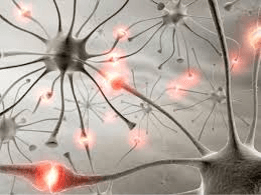


Which of the following is not regulated by homeostasis?
body temperature
blood sugar
blood pH
body movements
What does the nervous system do?
Pumps blood from your heart to your body
Carries messages back and forth between your brand and the rest of your body
Breaks up food
Secrete hormones.
What are the 3 mains parts of the Nervous System
Brain, heart, blood vessels
Blood Vessels, spinal cord, blood
Brain, Spinal Cord, Neurons
Heart, blood vessels, and blood
What is considered the command center of the nervous system?
Neurons
Heart
Spinal Cord
Brain
What kind of cells make up the nervous system?
Plasma
Neurons
Blood Vessels
Spinal Cord
What makes up the Central Nervous System?
Blood and Heart
Spinal Cord
Nerves
Brain and Spinal Cord
What is the function of the nervous system?
to control and coordinate body functions and systems.
to protect the body from harm.
to identify pain and begin healing.
to break down food.
Select all of the organs of the nervous system:
Brain
Heart
Spinal Cord
Nerves
Stomach
Which of the following is the nervous system?


The basic unit of structure and function in the nervous system is a nerve cell. Nerve cells are also called-
Osteocytes
Dendrites
Neurons
Spinal Cords
Endocrine glands secrete _
Hormones
Neurotransmitters
A wide range of chemical substances
What is the endocrine system?
A system of vessels that circulates blood around the body.
A group of bones and tissue that provides support and structure for the body.
A group of glands that work together with the nervous system to coordinate all body functions
A group of organs that is responsible for eliminating wastes.
What is the main function of the endocrine system?
It creates chemicals, or hormones, that are sent around the body to maintain homeostasis.
It creates electrical messages that are sent around the body to maintain homeostasis.
It maintains the correct level of oxygen in the body to maintain homeostasis.
It releases waste from the body to maintain homeostasis.
The "master gland" is known as the __________________.
thyroid gland.
adrenal gland.
pancreas.
pituitary gland.
Which term refers to the body's use of energy for energy and growth?
Excretion
Metabolism
Digestion
Respiration
Endocrine glands secrete _
Hormones
Neurotransmitters
Chemical Substances
Saliva
Which set of Organs belongs to the Excretory System?
Heart, blood vessels
Trachea, larynx, pharynx, and lungs
Kidneys, urinary bladder
Brain, spinal column
Which organs belong to the Circulatory System
Heart, blood vessels
Esophagus, stomach
Trachea, larynx, pharynx, lungs
Brain, spinal column
Which organs belong to the Respiratory System?
Bones, cartilage
Cardiac, smooth, skeletal
Trachea, larynx, pharynx, lungs
Kidneys, urinary bladder
What is the purpose of the Circulatory System?
Transports oxygen and nutrients
Removes extra water and wastes
Digests foods and absorbs nutrients
Collects, transfers and processes information
What is the purpose of the Skeletal System?
Transports oxygen and nutrients
Supports and protects the body, creates blood
Movement and heat production
Gas exchange in the body and lungs
What is the purpose of the Muscular System?
Movement and heat production
Supports and protects the body and produces blood
Digests food and absorbs nutrients
Transports oxygen and nutrients
Which level of organization is a heart at?
Cell
Tissue
Organ
Organ System
What are the levels of organization in order?
Cell, Tissue, Organ, Organ System, Organism
Cell, Tissue, Organ, Organ System
Cell, Tissue, Organ, Organism, Organ System
Cell, Organ, Tissue, Organ System, Organism
What are organs made up of?
Multiple Organisms
Multiple Tissues
Multiple Organ Systems
What are tissues made up of?
Many Cells
Multiple Organs
Multiple Organ Systems
Multiple Organisms
Human body is made up of countless millions of cells. Food is needed to built up new cells and replace the worn out cells. However, the food that we take must be changed into substances that can be carried in the blood to the places where they are needed. This process is called digestion.
The first digestive process takes place in the mouth. The food we eat is broken up into small pieces by the action of teeth, mixed with saliva, a juice secreted by glands in the mouth. Saliva contains digestive juice which moisten the food, so it can be swallowed easily
From the mouth, food passes through the esophagus (the food passage) into the stomach. Here, the food is mixed with the juices secreted by the cells in the stomach for several hours. Then the food enters the small intestine. All the time the muscular walls of the intestine are squeezing, mixing and moving the food onwards.
In a few hours, the food changes into acids. These are soon absorbed by the villi (microscopic branch projections from the intestine walls) and passed into the bloodstream.
What is the text about?
The digestive system
The digestive juice
The method of the digestive system
The process of intestine work
The food substances
Human body is made up of countless millions of cells. Food is needed to built up new cells and replace the worn out cells. However, the food that we take must be changed into substances that can be carried in the blood to the places where they are needed. This process is called digestion.
The first digestive process takes place in the mouth. The food we eat is broken up into small pieces by the action of teeth, mixed with saliva, a juice secreted by glands in the mouth. Saliva contains digestive juice which moisten the food, so it can be swallowed easily
From the mouth, food passes through the esophagus (the food passage) into the stomach. Here, the food is mixed with the juices secreted by the cells in the stomach for several hours. Then the food enters the small intestine. All the time the muscular walls of the intestine are squeezing, mixing and moving the food onwards.
In a few hours, the food changes into acids. These are soon absorbed by the villi (microscopic branch projections from the intestine walls) and passed into the bloodstream.
How can we swallow the food easily?
The food changes into acids absorbed by the villi.
The food must be digested first through the process.
. The food is directly swallowed through esophagus into the stomach.
The food is mixed with the juices secreted by the cells in the stomach.
The food we take must be changed into substances carried in the blood to the places.
First, Next, Last are seen when the author's main purpose is to...
Answer
Describe
Explain
Using adjectives and the 5 senses means the author's main purpose is to...
answer
describe
explain
Read the following text about lemonade. Is the author answering, describing, or explaining?
Fresh lemonade is a delicious and healthy drink. It’s sweet, crisp taste and sunny yellow color is perfect for hot summer days. It is full of Vitamin C and is a great treat.
Answer
Describe
Explain
Read the following text. Is the author answering, describing, or explaining?
First, dig a small hole in the ground. Next, place the lemon seed in the hole and cover with soil. Make sure it has plenty of water and sun. In a few weeks your tree should sprout!
Answer
Describe
Explain

How many type of explanation texts? What are they?
There are two types. Sequential explanation and cause and effect explanation
There are three types. Pure explanation, general explanation, sequential explanation
There are four types. cause explanation, effect explanation, general explanation, and sequential explanation
All the answers are correct
All the answers are incorrect
a text structure that shows how two or more things are similar and different
a text structure that explains why something happens and what the outcome is
The purpose of an explanation sentence is to elaborate on why the evidence is important to the claim or reason.
True
False
Which of the following is an example of how an explanation sentence should start in a paragraph?
This demonstrates that...
First,
To conclude,
The author states, ...
Which of the following would be an acceptable explanation sentence to insert into this paragraph about why paper money should be eliminated?
There is an argument brewing about whether paper money should be eliminated. Critics argue that people want to eliminate paper money because it is costly for the US government to produce. The text states, "coins and notes are money, but also cost money to print and circulate," ("Four Reasons to Get Rid of Paper Money"). _____________.
For example, the government has to spend money to make money and therefore isn't really helping taxpayers in the country.
It is cheaper for the government.
This shows that paper money is dirty.
As a result, paper money would cost the government less to print and circulate.

