
 Worksheets
Science Unit 2
Total questions: 88
Worksheet time: 46mins


Wires carrying electricity are usually covered with plastic to keep them from starting a fire. Why does the plastic keep the electricity from starting a fire?
Plastic is a good insulator.
Plastic can melt when heated.
Plastic is softer than wire.
Plastic conducts electricity.

Of the three states of matter, particles are moving the fastest and are the farthest apart in a _________.
solid
liquid
gas

1.The state of matter with a fixed volume but no fixed shape is _______.
solid
liquid
gas

1.Particles cannot change position in a ________
solid
liquid
gas
Density is a physical property that describes how much matter is in a certain amount of space. Which picture shows the highest density?


Mass would best be described as...
the amount of matter in a substance
the amount of space matter takes up
whether matter floats or sinks in water
whether a substance dissolves in water
The volume of an object would be...
the amount of matter in a substance
whether matter floats or sinks in water
the amount of space matter takes up
whether a substance dissolves in water.
The purpose of seed dispersal is for the seeds to __________.
germinate at the same time
move to the same place and grow
move further away from the parent plant
compete with one another for minerals in the soil
What are the characteristic of the seeds dispersed by man and animals?
A: Can float on water
B: Sweet and juicy
C: Have hooks or stiff hairs
D: Have wing-like structures and are light
A and B only
B and C only
C and D only
A, B and C only
State the characters ideal for dispersion by wind.
Small, light and hair-like
Small, light and sharp hooks
Big, light and fibrous husk
Big, light and explode

How are bur seeds dispersed?
By wind
By animal
By splitting
By water
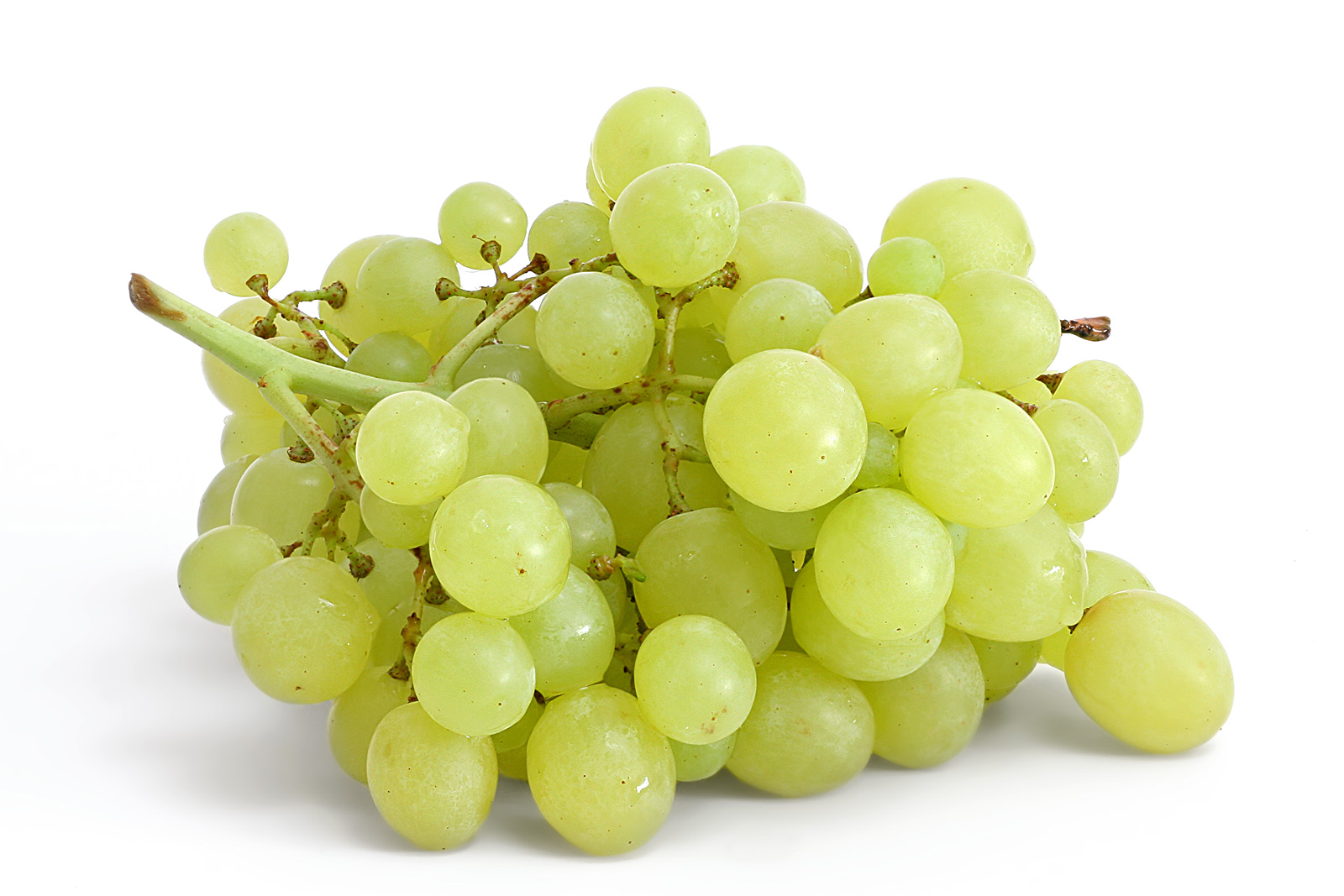
Why are grape seeds able to be dispersed by animals?
It is light and has wing-like structure
It is juicy and edible
It has a fibrous husk that makes it float
It has dry pods that split open

How are dandelion seeds dispersed?
by animals
by explosion or bursting
by wind

How are coconuts dispersed?
by animals
by water
by wind
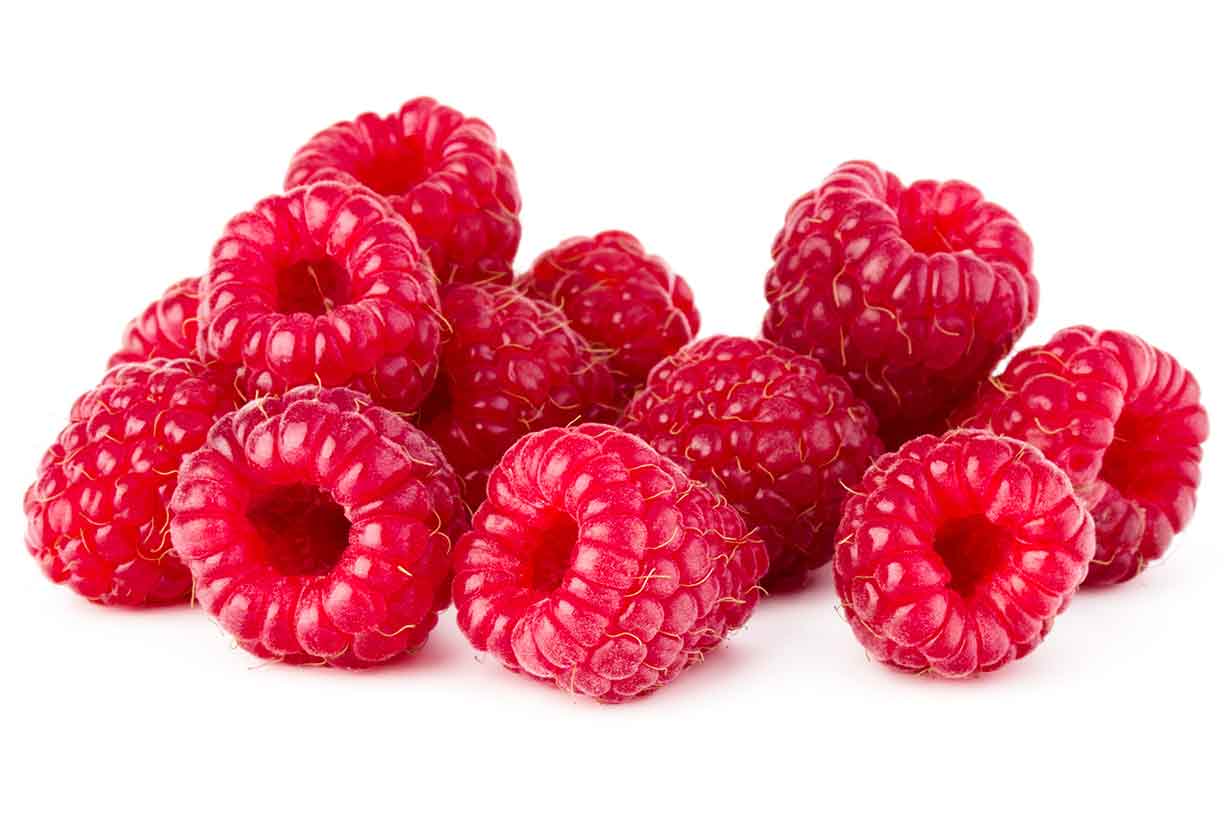
How are raspberries dispersed?
by animals
by explosion or bursting
by water
Why it is better for seeds to be scattered far and wide?
To provide shelter to other animals.
For farmers to see which soil is good for the plants.
For plants to have a better chance of growing healthier.
A mystery fruit was said to be dispersed by water.
How can one confirm this statement?
A: Place the fruit on water to see if it floats.
B: Find the mass of the fruit by putting it on a weighing scale.
C: Throw fruit in the air and see the wind blows it.
D: Cut the fruit to see if it contains water.
A
B
C
D
My pod splits open and seeds are thrown out with a force. What is likely my dispersal method?
wind
water
animals
explosion
What are the characteristic of the seeds dispersed by man and animals?
A: Can float on water
B: Sweet and juicy
C: Have hooks or stiff hairs
D: Have wing-like structures and are light
A and B only
B and C only
C and D only
A, B and C only
Why is fruit formed around an apple seed?
Fruit is formed around the seed to provide food for the seed.
Fruit is not formed around the seed.
Fruit encourages animals to eat the seed and excrete it elsewhere.
Plants like to feed animals.
The transfer of pollen from flower to flower is called..
seed dispersal
pollination
fertilisation
germination
What does an ovule become when it is fertilised?
a seed
a sprout
a fruit
it stays an ovule

Plants adapt to their habitat in order to...
be beautiful
get water
get CO2 and nutrients
protect themselves

What explains why certain plants are found in one area and not in another?
adaptation
pollination

A habitat is the name of the place plants and animals live.
False
True

Leaves on the surface of water plants are ________.
flat
curled
Which of the following is a water plant?


What are savannas?


The Amazon Rainforest is the world’s largest rainforest.
True
False

The ability of a plant to live in hot, dry or cold areas is called adaptation.
True
False

The instinct of an animal is something the animal _______.
is born with
has learned

Migration and hibernation are examples of animal adaptations.
False
True

When an animal blends into its environment, it is called _______.
mimicry
camouflage

The ostrich having many feathers and a koala having sharp claws are both examples of which of the following?
physical adaptations
behavioral adaptations

Birds flying in the winter to a place where it is warmer is called _______.
hibernation
migration
Which of the following animals releases ink into the water when it finds itself in danger?


Opossums "play dead to confuse predators", what type of adaptation is it?
structural
behavioral
Pine leaves have_________________.
waxy leaf
needle-shaped
drip-tip
leaflets
Why do trees growing in hills have conical shape?
to look beautiful
to slide down water and snow
to make the birds comfortable
The trees that do not shed their leaves are called
Deciduous trees
Evergreen trees
Xerophytes
Plants in the desert have long roots so that they...
take up more space
help avoid deterioration of the soil
provide food for animals underground
absorb more water.
Why do leaves and stems have a waxy coating on them?
So animals don't eat them.
Helps to reduce water loss.
To make them look beautiful.
Plants that grow on land are called______
Aquatic
Terrestrial
Habitat
Mangrove
The desert regions are __________ through out the year.
Very cold
Very hot
Rainy
Cloudy
The plant commonly found in desert region is_________.
Pine tree
Cactus plant
Fir tree
Water lily plant
An example for plants growing on coastal areas.
Mango tree
Pine tree
Coconut tree
Fir tree
A place where a livings live in nature is their (a)
Trees that have cones are called
coniferous trees
deciduous tree
evergreen tree
mangrove tree
Sheesham and mango trees grow in the _______
Coastal area
desert
plains
swamps
Mangrove trees have this feature
Stilt roots
Breathing roots
Both 1 and 2
None
In which part do desert plants make their food?
Thorns
Stems
Leaves
Roots
Which state of matter has the weakest force between particles?
Solid
Liquid
Gas
Which state of matter has the fastest moving particles?
Solid
Liquid
Gas
Which state of matter has particles that are regularly arranged?
Solid
Liquid
Gas
Which state of matter has strong forces between particles?
Solid
Liquid
Gas
Tick the states of matter where the particles are in an irregular arrangement.
Solid
Liquid
Gas
Which state of matter do the particles vibrate on the spot
Solid
Liquid
Gas

What state is A-B
Solid
Liquid
Gas

What state is C-D?
Solid
Liquid
Gas
What state is E-F?
Solid
Liquid
Gas
This type of pollination happens between flowers from different plants of the same species.
Cross-pollination
Self-pollination

Which letter/s show/s self-pollination?
A only
B only
C only
A and B only
It refers to the fusion of a male gamete with a female gamete (egg).
Pollination
Fertilisation
Germination
Dispersal
Once fertilisation has taken place, the ovule develops into a ____________.
fruit
seed
plant embryo
seed leaves

Arrange the steps of fertilisation in order.
3 --> 1 --> 5 --> 4 --> 2
3 --> 1 --> 4 --> 2 --> 5
1 --> 3 --> 2 --> 4 --> 5
1 --> 3 --> 5 --> 4 --> 2

Arrange the steps of the development of fruits and seeds in order.
3 --> 1 --> 4 --> 5 --> 2
4 --> 3 --> 1 --> 5 --> 2
1 --> 5 --> 2 --> 3 --> 4
2 --> 1 --> 5 --> 4 --> 3
Why do plants produce so many pollen grains when only one pollen grain is needed for fertilisation?
Greater chance of pollen grains reaching the anther
Greater chance of attracting insects, birds and mammals
Greater chance of pollen grains reaching the stigma
Greater chance of germinating into a young plant
What will happen to the flower if fertilisation does not occur?
Fruits will develop and the seeds will continue the life cycle of plants.
Fruits will not develop and no seeds to continue the life cycle of plants.
Fruits and seeds will not be scattered in different directions.
Fruits and seeds will be scattered far away from the parent plants.
Once fertilisation has taken place, the ovary develops into a ____________.
fruit
seed
plant embryo
seed leaves
The fusion of egg cell (female gamete) and male gamete will later on develop into a ____________.
fruit
seed
plant embryo
seed leaves
Fill in the blanks:
Pollination is the transfer of ____________ from the ____________ to the ____________ of a flower of the same species.
pollen grains, anther, stigma
pollen grains, stigma, anther
pollen grains, anther, stamen
pollen grains, anther, style
True or False:
Pollen grains can be transferred/carried by animals only.
True
False

