
 Worksheets
Cell Transport
Total questions: 36
Worksheet time: 27mins
The cell membrane is important for maintaining ____________________ because it controls what enters and leaves the cell
cell membrane
homeostasis
water
enzymes
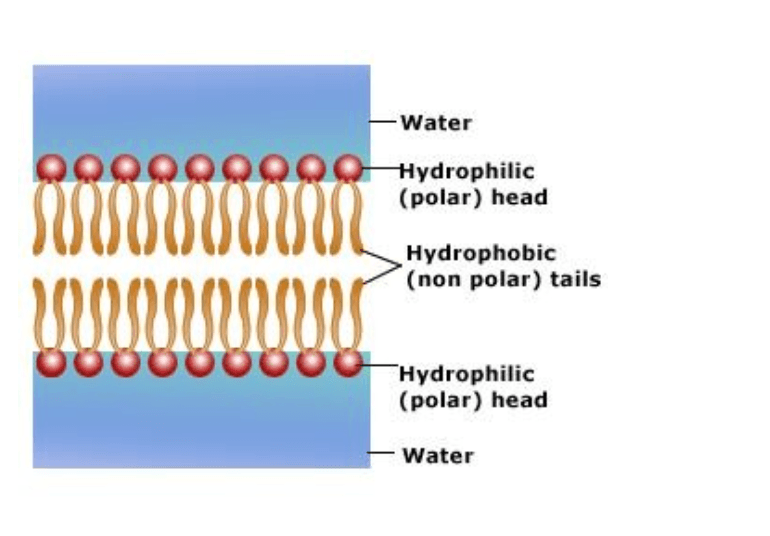
what is this image?
DNA
RNA
water
Phospholipid bilayer diagram
What is simple diffusion?
when molecules spread from an area of high to an area of low concentration
it controls what enters and leaves the cell
how food and candy travel across the membrane
When molecules for from areas of low concentration to high
Select all the statements below that would be TRUE about simple diffusion?
a form of passive transport
molecules travel with concentration gradient
it is how oxygen and carbon dioxide travel across the membrane
This transport is typical for large molecules.
no energy needed
Are endocytosis and exocytosis forms of passive or active transport?
passive transport
active transport
What is a scenario where a cell may need to perform a form of endocytosis.
when transporting large molecules
when transporting small molecules
when transporting amazon packages
when releasing a very large molecule from the cell
when releasing a very small molecule from the cell
What is a scenario where a cell may need to preform a form of exocytosis.
when transporting large molecules
when transporting small molecules
when transporting amazon packages
when releasing a very large molecule from the cell
when releasing a very small molecule from the cell
For water to travel across the cell membrane at a substantial rate, the water molecules travel through protein channels known as aquaporins. (how??)
simple diffusion
facilitated diffusion
active transport
While water molecules are polar, they are also very small. One fact not mentioned in the video is that some water molecules are able to squeeze directly through the phospholipid bilayer due to their small size
simple diffusion
facilitated diffusion
active transport
Charged ions are traveling through a cell membrane with the concentration gradient through a protein channel.
simple diffusion
facilitated diffusion
active transport
Cells lining the gut need to take in glucose, but at a certain time, the concentration of extracellular glucose is lower than the concentration already stored in the cells.
simple diffusion
facilitated diffusion
active transport
At a certain time, glucose is in a high concentration outside of a cell and needs to travel through the membrane into the cell
simple diffusion
facilitated diffusion
active transport
which image shows Facilitated diffusion via a protein channel diagram?
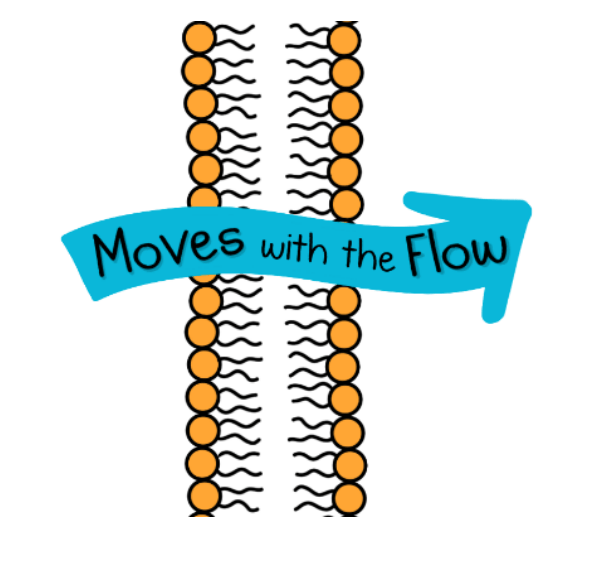
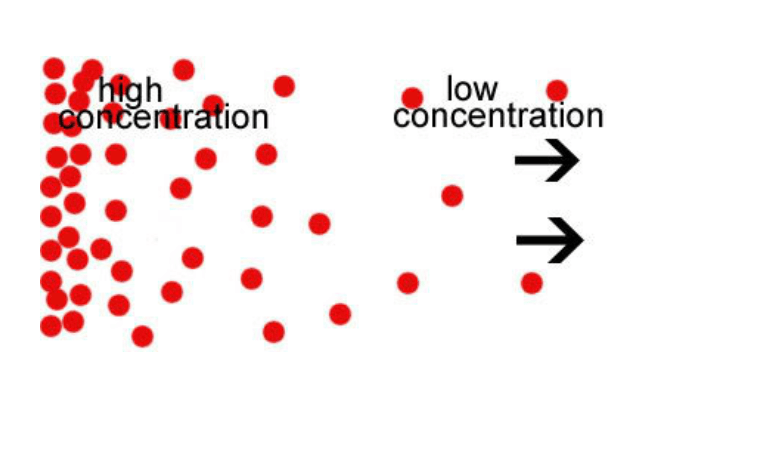
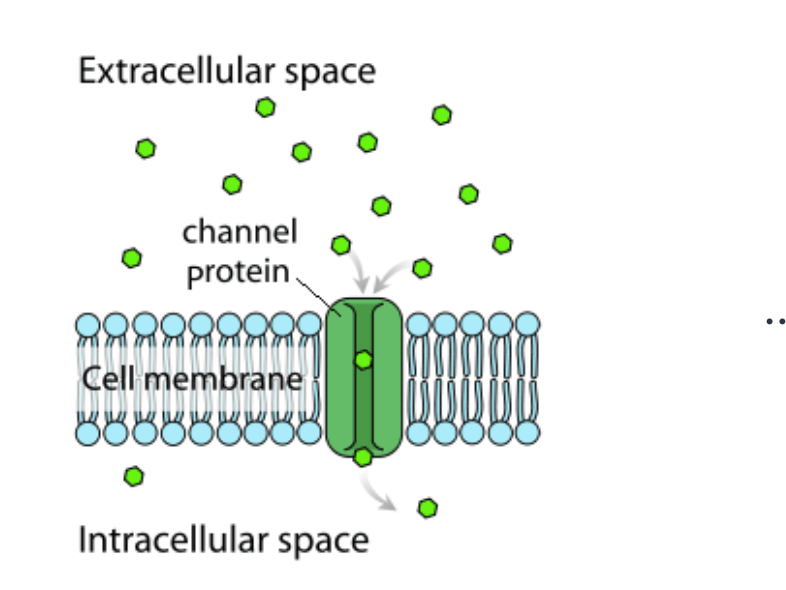
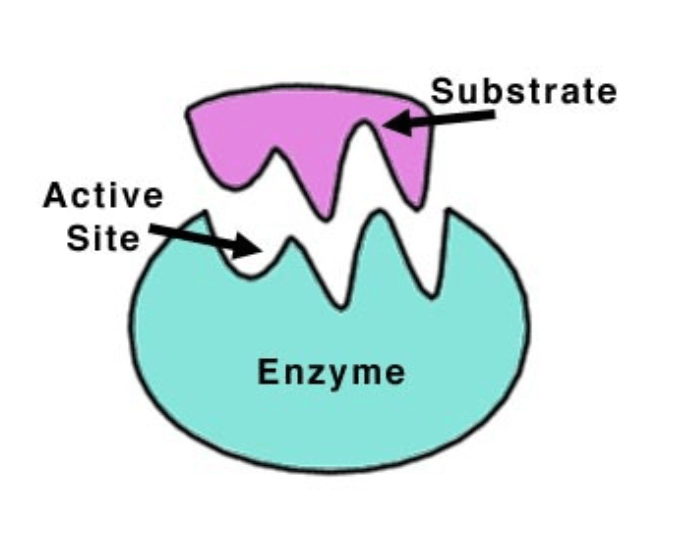
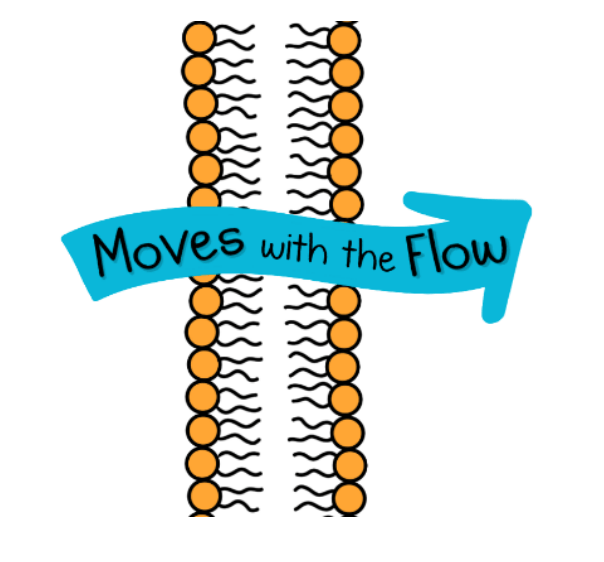
which image shows moving with the concentration gradient diagram
which image shows an enzyme diagram

Enzymes are typically
lipids
proteins
nucleic acid
carbohydrates

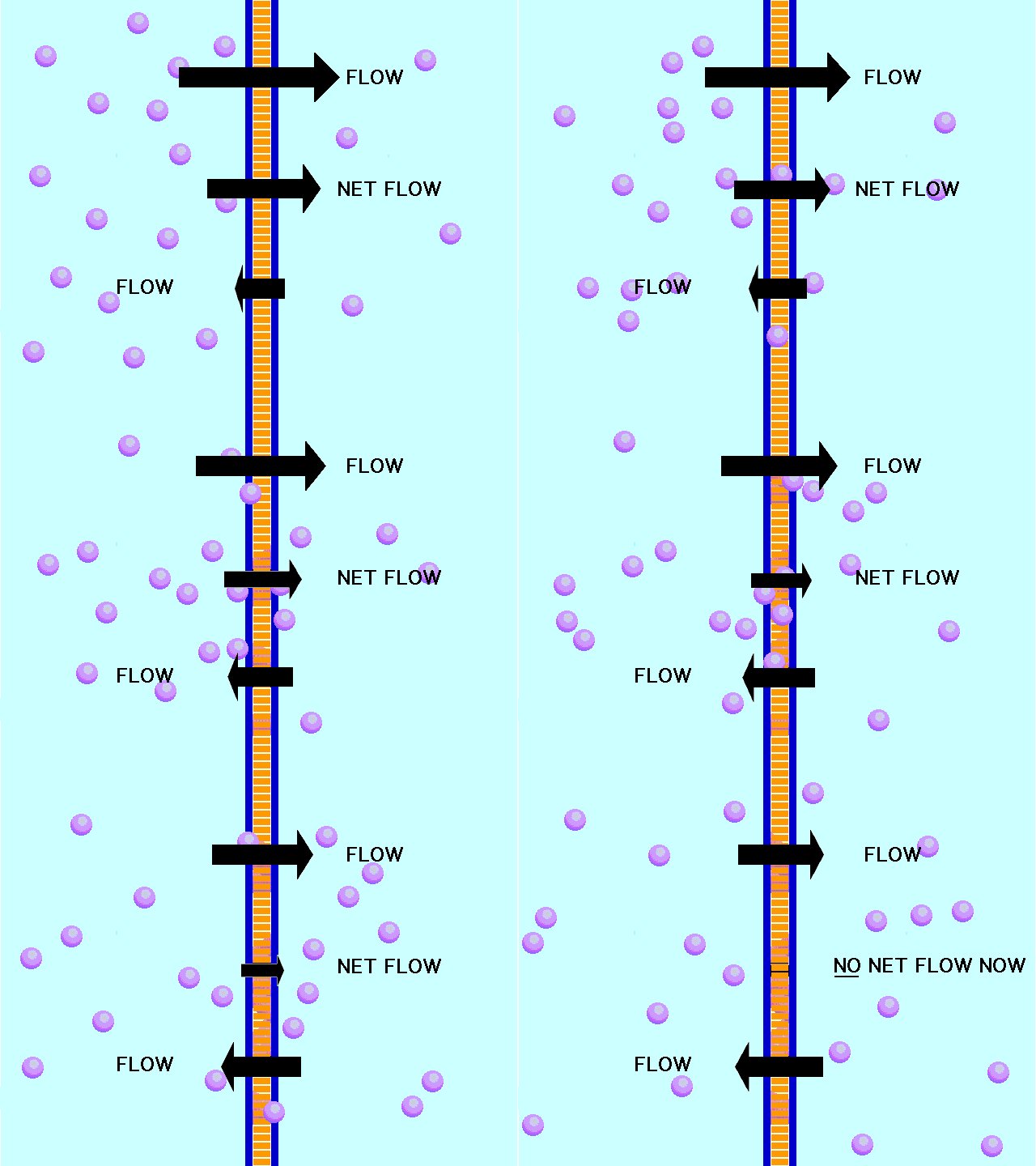
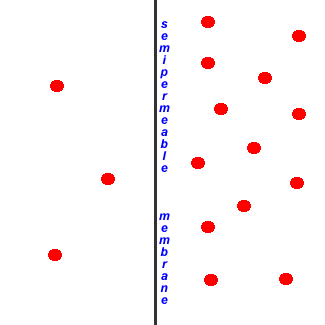

What are the two types of cell transport?
Passive and Active
Active and Facilitated
Passive and Facilitated
None of the above

In passive transport, substances move across the cell membrane ________ the concentration gradient
AGAINST
ALONG
WITH
BETWEEN
Which example describes diffusion?
Water moving across a semi-permeable membrane
Baking cookies and smelling them throughout the house
Ions moving through an ion channel
All of the above

What macromolecule is embedded into the lipid bilayer and helps to transport molecules?
Carbohydrate
Lipid
Protein
Nucleic Acid

Which describes a hypotonic environment?
Too much water in the cell will cause the cell to burst - the percentage of water is higher outside the cell than inside the cell
Too little water in the cell will cause the cell to shrink - the percentage of water is lower outside the cell than inside the cell
Concentrations of water are equal inside and outside the cell

Which describes a hypertonic environment?
Too much water in the cell will cause the cell to burst - the percentage of water is higher outside the cell than inside the cell
Too little water in the cell will cause the cell to shrink - the percentage of water is lower outside the cell than inside the cell
Concentrations of water are equal inside and outside the cell

Which describes an isotonic environment?
Too much water in the cell will cause the cell to burst - the percentage of water is higher outside the cell than inside the cell
Too little water in the cell will cause the cell to shrink - the percentage of water is lower outside the cell than inside the cell
Concentrations of water are equal inside and outside the cell

The movement of particles from an area of high concentration to an area of low concentration
active transport
osmosis
diffusion
random movement

When material passes into and out of a cell at equal rates and there is no difference in concentration between the inside and outside of the cell, the cell is in a state of...
dynamic equilibrium
diffusion
osmosis
active transport
If a cell is placed in an environment with MORE oxygen OUTSIDE the cell than inside, the cell will...
gain oxygen
lose oxygen
gain water
lose water

The movement of materials that does NOT require energy is called...
active transport
passive transport
massive transport
proactive transport

The movement of materials that requires energy is called...
active transport
passive transport
massive transport
proactive transport

The movement of materials from an area of low concentration to an area of high concentration would require...
glucose
energy (ATP)
fish
chips

A process in which cells surround and engulf substances that are TOO BIG to enter the cell is known as...
Pinocytosis
Phagocytosis
Endocytosis
Receptor-mediated

When a cell forms a vesicle around unwanted particles and expels it OUT of the cell.
Pinocytosis
Endocytosis
Receptor-mediated
Exocytosis

