
 Worksheets
Biology 2114 Lecture Exam 2 Chapters 15-16
Total questions: 85
Worksheet time: 49mins


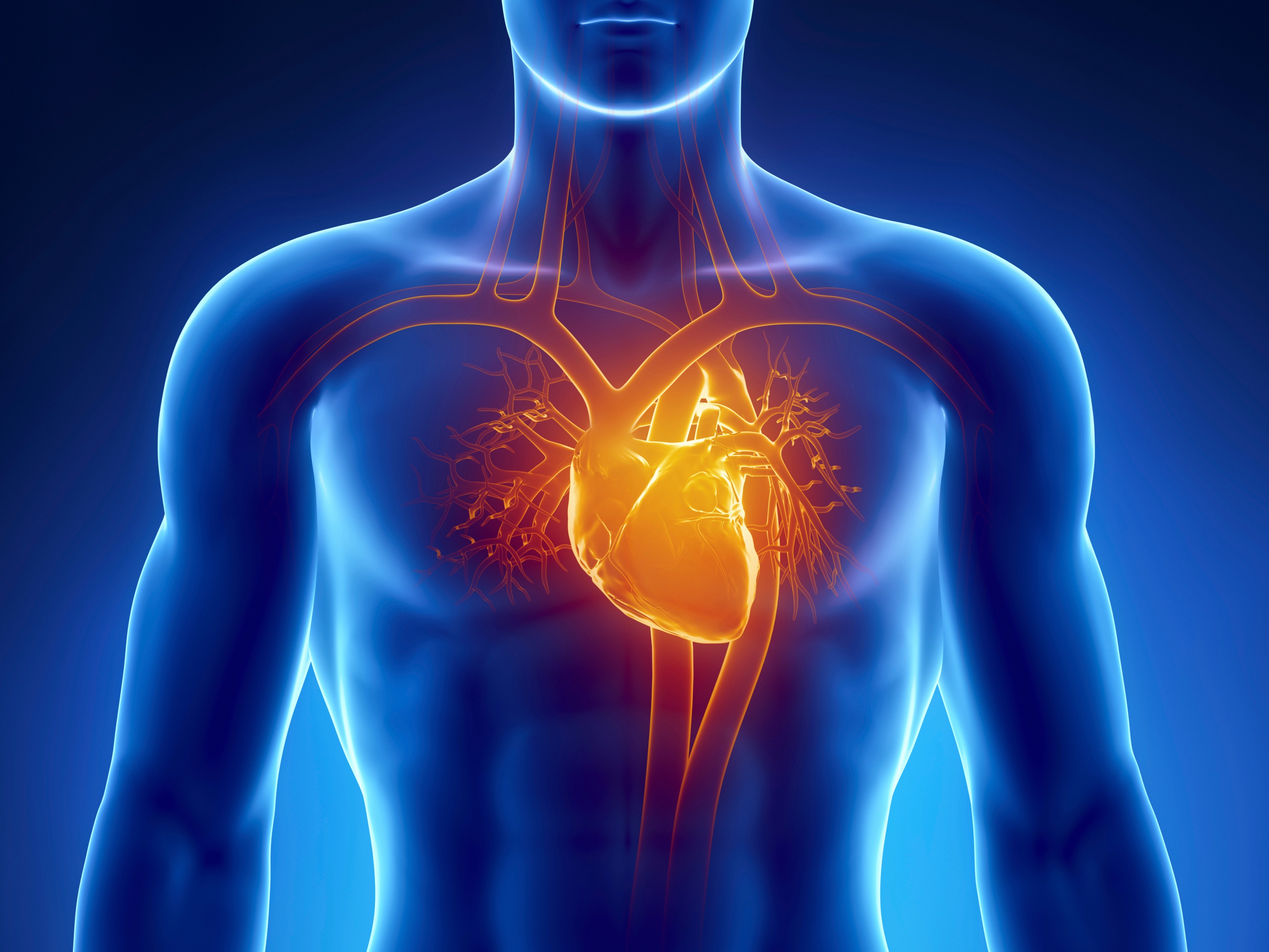


Which of the following is associated with oxygenated blood?
Aorta
Pulmonary Artery
Septum
Right Ventricle
Which of the following is associated with deoxygenated blood?
Aorta
Left Ventricle
Tricuspid valve
Septum
What part of the heart divides the heart into two?
Biscuspid valve
Septum
Pulmonary artery
bicep
What is the role of veins in the cardiovascular system?
Carry blood away from the heart
Carry blood back to the heart
Carry blood to the lungs
Allows the exchanges of gases, nutrients and wastes between blood and the tissues
Vasodilation can be defined as:
A process in which blood vessels constrict causing a decrease in blood flow
A process in which blood vessels increase their diameter causing an increase in blood flow
A process in which blood vessels constrict causing an increase in blood flow
A process in which blood vessels increase their diameter causing a decrease in blood flow
Type of circulation that refers to blood flow from the heart to the lungs and back to the heart again?
Systemic circulation
Renal circulation
Portal circulation
Pulmonary circulation
Type of circulation that refers to the blood flowing through the entire body?
Systemic circulation
Renal circulation
Portal circulation
Pulmonary circulation
The type of blood vessel where exchange of gases, nutrients, and wastes occurs?
arteries
capillaries
veins

An abnormal widening/ballooning of a portion of an artery.
aneurysm
embolism
thrombosis
atherosclerosis
A blood clot that travels through the circulatory system and eventually becomes lodged within a blood vessel?
aneurysm
embolism
thrombosis
atherosclerosis
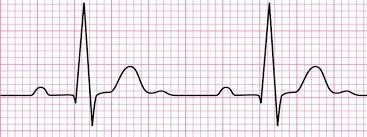
Type of device that measures the electrical currents created by the SA and AV nodes?
AED
MRI
ECG
CAT Scan

The main vein(s) that brings blood to the right atrium?
Aorta
Pulmonary veins
Superior and Inferior vena cava
Jugular vein

Which choice below correctly identifies the layers of the heart from the most outer layer to the most inner layer?
epicardium, myocardium, endocardium
endocardium, myocardium, epicardium
myocardium, endocardium, epicardium
myocardium, epicardium, endocardium
The sac that surrounds and protects the heart?
endocardium
epicardium
myocardium
pericardium

Instrument used to measure blood pressure?
AED
ECG
Sphygmomanometer
ultrasound
This chamber of the heart RECEIVES oxygen rich blood back from the lungs
Right Atrium
Left Atrium
Right Ventricle
Left Ventricle
This chamber of the heart pumps the blood from the heart to the lungs through the pulmonary artery
Right Atrium
Left Atrium
Right Ventricle
Left Ventricle
This chamber of the heart pumps the blood back out to the body cells through the Aorta
Right Atrium
Left Atrium
Right Ventricle
Left Ventricle
The fluid, originating from the blood capillary, that is formed in the spaces between the cells is known as:
interstitial fluid
blood
lymph
plasma
Choose all that are main functions of the Lymphatic System:
Return excess fluid to bloodstream
Transport fatty acids and glycerol
Transport oxygen/glucose
Remove and destroy pathogens
Reduce the number of leukocytes
Which of the following are the function of lymph node?
Produces lymphocytes
Stores lymphocytes and macrophages
Filters the lymph
Transport lipid
Remove waste products

The condition shown when there is accumulation of interstitial fluid in the body tissue.
Edema
Inflamation
Thrombosis
Blood clot
Lymph enters the bloodstream from the collecting ducts at the:
Aorta
Hepatic Veins
Pulmonary Veins
Subclavian Veins
Choose statements that are TRUE about lymph nodes:
contain B- and T-cell lymphocytes
filter blood
destroy pathogens and cancer cells
produce antibodies


Weakened microbes that stimulate the immune system to produce antibodies used to fight future invasions by the same microbe. Example: chicken pox, measles, small pox
Vaccine
Disease
Immunity
Compounds that block the growth and reproduction of bacteria.
AIDS
HIV
Antibiotics
A condition in which a person's immune system is overly sensitive to environmental substances that are normally harmless.
Allergy
Antigen
Bacteria
Virus
A Substance made of weakened, killed, or partial pathogens are designed to protect the body from future invasions of that pathogen.
Vaccine
Virus
Disease
Microbe
Which best describes the relationship between antibodies and antigen?
One antibody can affect several different antigens.
Antibodies are specific to one antigen.
Antigens are produced in response to antigen.
Immunity develops when an antigen destroys an antibody.
immunity that occurs when a person's own immune system produces antibodies in response to the presence of a pathogen when a person gets sick
Natural Passive Immunity
Natural Active Immunity
Artificial Active Immunity
Artificial Passive Immunity
immunity in which antibodies are given to a person rather than produced within the person's own body
Artificial Passive Immunity
Natural Passive Immunity
Artificial Active Immunity
Which immunity is present at birth and passed from the mother to the baby through milk and the placenta?
Artificial Active Immunity
Natural Active immunity
Natural passive immunity
Artificial passive immunity
When the body launches an immune response against its own cells
Koch's Postulates
Immunity
Vaccine
Autoimmune disease
AIDS
T lymphocyte is used in which immune response
Humoral Immune Response
Cell Mediated Immune Response
Antibody-Mediated Immune Response

What happens after the second time you are exposed to a pathogen?
The body will not be able to fight off the pathogen quickly, because it knows how to get into the body easier.
The body's immune system will react the same was as it did during the first exposure.
The body can only be exposed to a pathogen a second time if you do not have a vaccine.
The body will know how to fight off the pathogen quickly, because memory cells have been created after the first encounter.
How do T cells differ from B cells?
T cells fight pathogens by killing pathogens directly, while B cells fight pathogens by making antibodies.
T cells only make memory cells, and B cells only make antigens
T cells fight pathogens by making antibodies, while B cells fight pathogens by killing pathogens directly.
T cells can only fight off pathogens the body has encountered once, and B cells can fight off any pathogen the body comes across.

How does your body determine which cell to kill?
looks at the DNA fingerprint by each cell
uses the marker proteins
talks to the helper T cell about what to destroy
the brain tells it which cells belong


