
 Worksheets
A&P Unit 6 Review Game
Total questions: 60
Worksheet time: 33mins
The increase in vertebrae size from the neck to the lower back is due to:
supporting more weight in the lower back than in the neck
supporting less weight in the lower back than in the neck
evolution
vertebrae don't increase in size
Five vertebrae that are fused form the _______ ________.
cervical vertebrae
thoracic vertebrae
lumbar vertebrae
sacral vertebrae
Four-fused vertebrae form the _______ ________ or "tailbone".
cervical vertebrae
thoracic vertebrae
coccyx vertebrae
sacral vertebrae
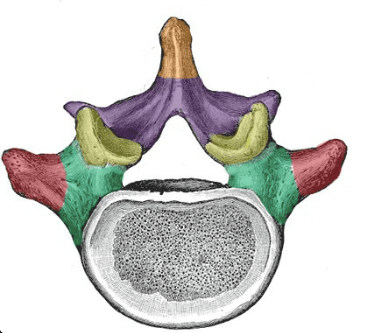
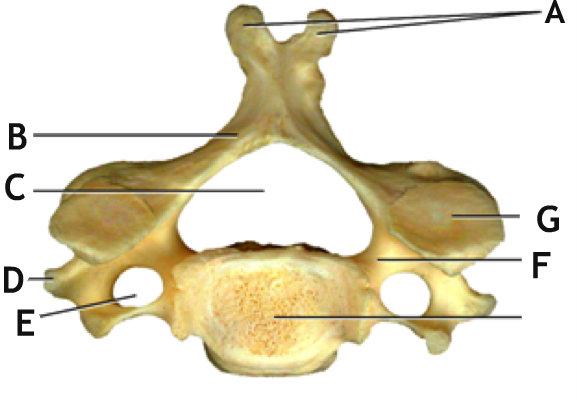
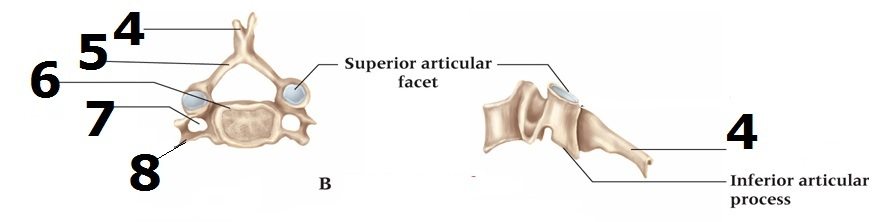
A hollow space that contains the spinal cord
Vertebral foramen
Spinous process
Transverse process
Intervertebral disc



Name the outside portion of the tibia shown in blue.
Medial malleolus
Lateral malleolus
Acetabulum
Talus
What bone articulates with the coxal bone at the acetabulum?
Tibia
Fibula
Femur
Humerus
Which of the following is the correct order (proximal to distal, medial to lateral) of the ankle bones.
Cuboid, Talus, Navicular, Calcaneus
Calcaneus, Talus, Navicular, Cuboid
Talus, Cuboid, Navicular, Calcaneus
Cuboid, Navicular, Talus, Calcaneus
The head of the humerus articulates with the
Tarsals
Acetabulum
Glenoid cavity
Trochlear notch
What structure on the femur can be found on the center portion of the shaft?
Popliteal surface
Tibial tuberosity
Deltoid tuberosity
Linea aspera
Using your acronym determine the correct order of the wrist bones (lateral to medial, proximal to distal).
Hamate, trapezium, trapezoid, capitate, lunate, triquetrum, pisiform, scaphoid
Scaphoid, pisiform, hamate, capitate, lunate, triquetrum, trapezium, trapezoid
Scaphoid, lunate triquetrum, pisiform, trapezium, trapezoid, capitate, hamate
None of the above are in correct order

Label G (anterior view of the left forearm)
Styloid process of ulna
Styloid process of radius
Radial tuberosity
Olecranon process
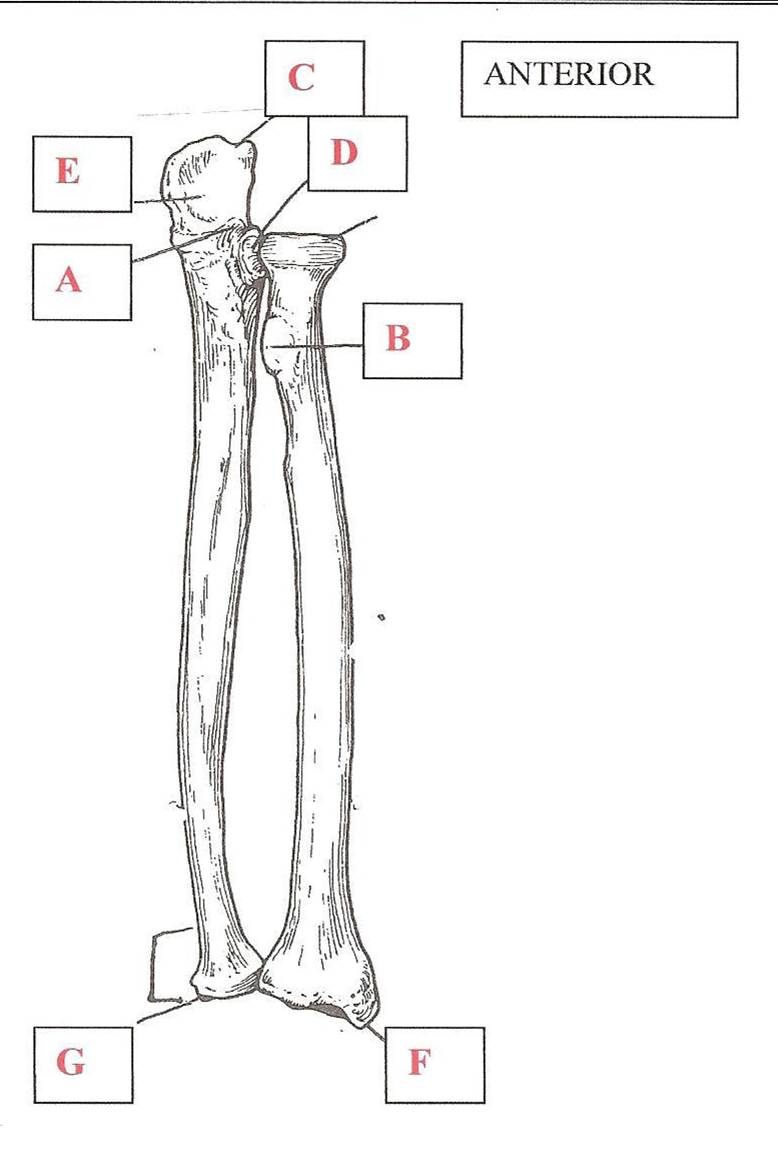
Label A (anterior view of the left forearm)
Semilunar Notch
Coronoid process
Radial tuberosity
Olecranon process
The function of the bodies girdles are to _____________ the limbs
support
increase movement of
lengthen
none are correct
The ____________ is attached to the tibial tuberosity by a ligament.
Femur
Humerus
Patella
Tarsals
The clavicle is composed of two ends, one is the sternal end and the other is
Acromial end
Coracoid end
Glenoid end
Medial end
The anatomical name for the big toe is the
Popliteal
Pollex
Hallux
Patella
Which is the correct order of ribs from superior to inferior?
floating, true, false
true, false, floating
true, floating, false
false, floating, true
At what age are nearly all bones completely ossified?
25 years
15 years
5 years
Birth
What type of bone is the patella?
Flat Bone
Long Bone
Irregular Bone
Sesamoid Bone
The skull bones, hyoid bone and vertebral column bones are found in which skeleton
Axial Skeleton
Appendicular Skeleton

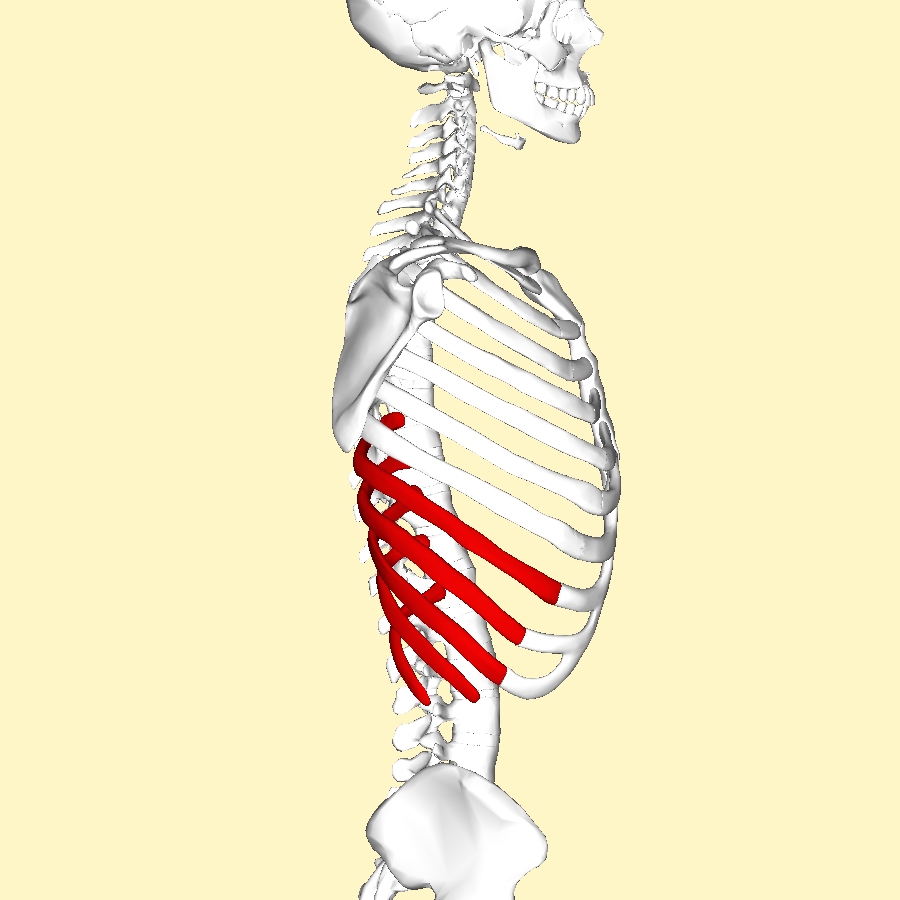
Ribs 8-10 that are connected, via cartilage, to rib pair 7, and are thus indirectly connected to the sternum, are known as
true ribs
false ribs
floating ribs
suprasternal ribs

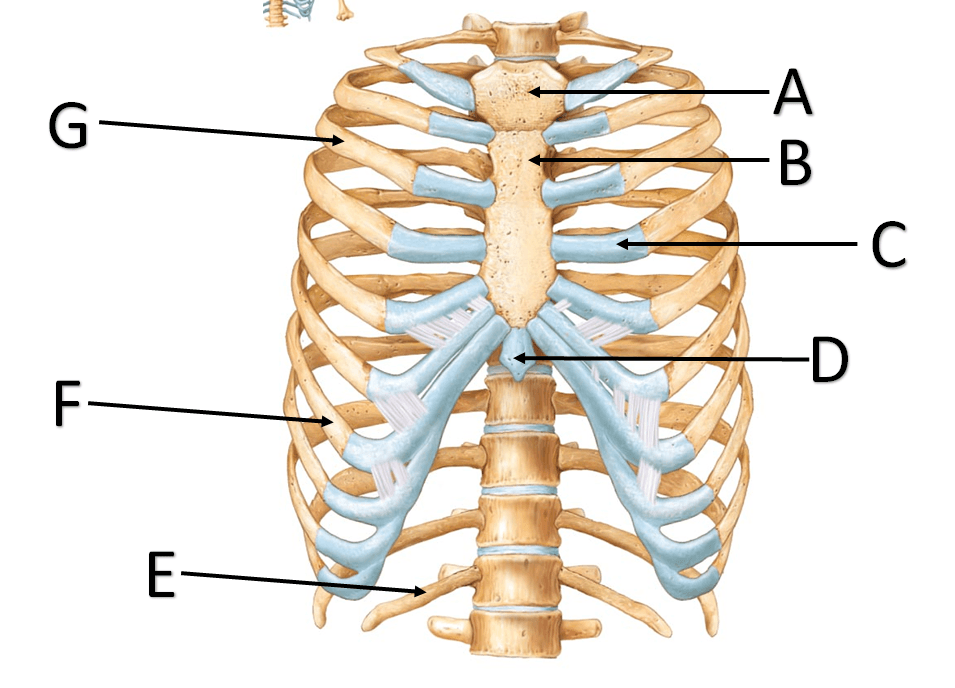
Identify the structure indicated in the image.
manubrium
body of sternum
xiphoid process
rib cage

identify the skeletal bone in the picture that is highlighted green and blue; also known as the breastbone
clavilce
Sternum
Rib Cage
verterbrae
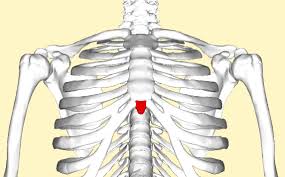
Identify the structure indicated in the image.
manubrium
body of sternum
xiphoid process
rib cage
sternum

#7
Lunate
Hamate
Triquetrum
Scaphoid

#3
Trapezium
Hamate
Capitate
Trapezoid

#4
Pisiform
Triquetrum
Hamate
Capitate

#3-10
Tarsals
Metacarpals
Phalanges
Carpals
The femur is located in your…
Ankle
Toes
Upper leg
Lower leg
Which bone is located in your lower leg (shin)?
Tarsals
Tibia
Patella
Phalanges
Which bone is located in your foot?
Metatarsals
Tarsals
Patella
Shin
What is the strongest bone in your body? [hint: It’s located in your upper leg]
Coastal
Femur
Tibia
foot
Which bone is located in your kneecap?
Tibia
Knee
Patella
Ankle
Which bone is located in your toes?
Phalanges
Patella
Foot
Tibia
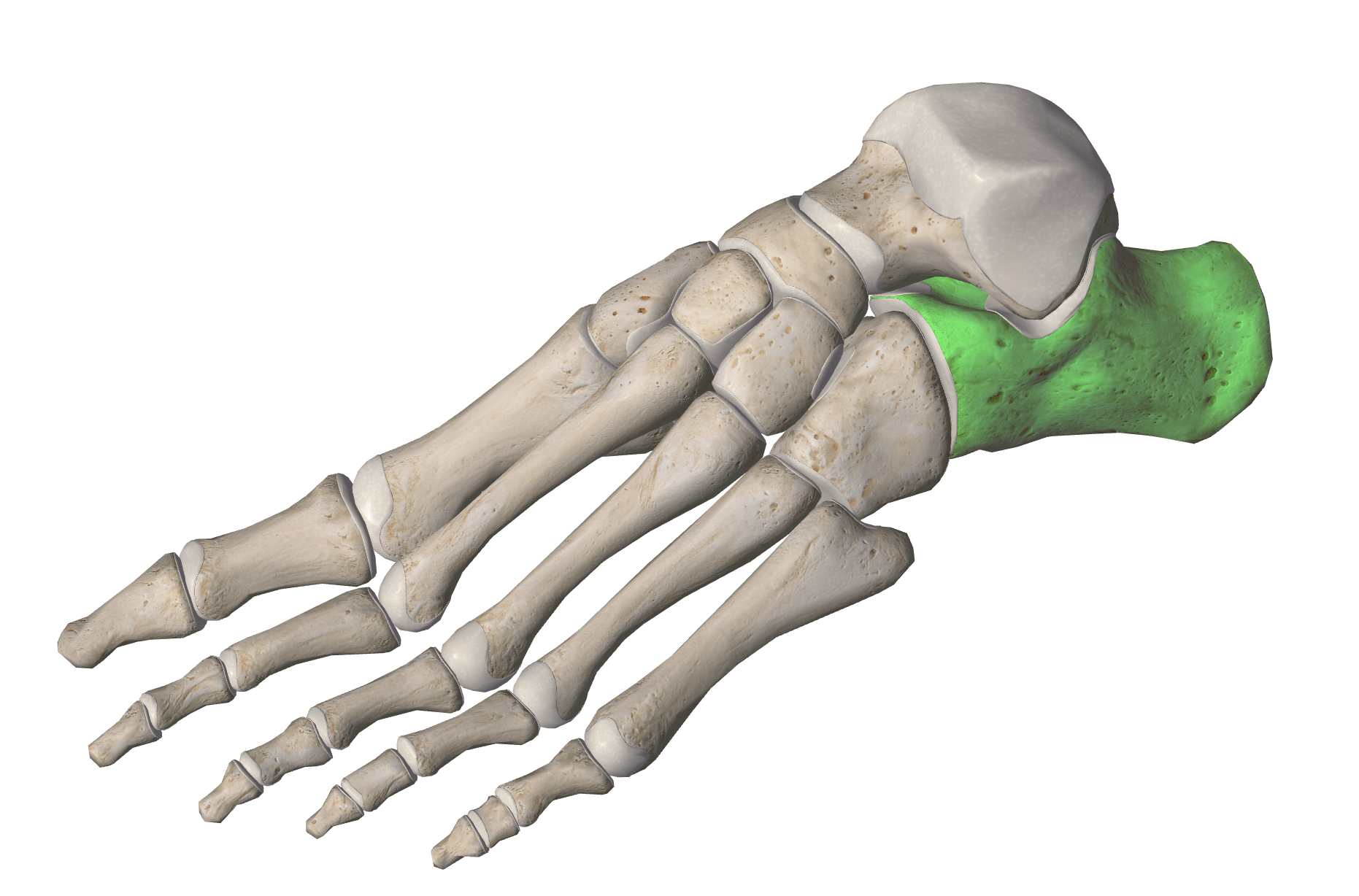
Which of the following bones is the HEEL of the foot?
Calcaneus
Cuboid
Cuneiform
Talus
Collectively, the seven (7) large bones of the foot are called
Carpals
Metacarpals
Metatarsals
Tarsals
Which bones of the foot make up the five (5) long bones?
Carpals
Metacarpals
Metatarsals
Tarsals
Which row of phalanges is missing from both the big toe & the thumb?
Proximal row
Middle row
Distal row
Of the three cuneiform bones, which one is closest to the midline of the body and lines up with the big toe?
Lateral (3rd)
Intermediate (2nd) cuneiform
Medial (1st) cuneiform

