
 Worksheets
2022 Review Biotechnology, Evolution,Antibiotic/Pesticide Resis
Total questions: 75
Worksheet time: 48mins
What is a keystone species?
species that has a large effect on the ecosystem
species that has no effect on the ecosystem
species that is a predator
species that is a prey

Two llamas are produced with the exact same DNA in a science lab. What is this known as?
Stem Cell Therapy
Genetically Modified Organisms
Cloning
Gene Therapy
What is gene therapy?
Inserting copies of a healthy gene directly into cells with a mutated gene
Producing organisms with identical copies of DNA
Crossing two individuals that have similar desirable characteristics or traits
Crossing two individuals that have different characteristics or traits
How can agricultural biotechnology have a positive impact on the environment?
By developing crops that are pest resistant requiring fewer pesticides to be used.
planting crops in shaded areas.
Harvesting crops that have thick stems and leaves.
water crops with a recycled irrigation system.
What are some examples of biotechnology being used in agriculture?
Crop irrigation
DNA fingerprinting
Gentically modified crops
Crop rotation
What would be a negative side of genetically modified foods?
Lower cost of production.
Long-term health effects, such as possible allergies to proteins not found in foods before GMO’s.
Ability to produce more food in less time.
Ability to grow more nutritious food in less time.
Rice does not provide enough of certain vitamins. How could biotechnology be used to change this?
Using a high nitrogen fertilzer.
Using herbicide to get rid of weeds.
Genetic modification of rice plants that are pest resistant and to produce vitamins they cannot make without biotechnology
Using pesticide to get rid of pests that can harm the crop.
In the United States, there has been relatively little experimentation involving the insertion of genes from other species into human DNA. What is one reason for the limitations of these experiments?
The subunits of human DNA are different from the DNA subunits of other species.
Inserting foreign DNA into human DNA would require using completely new techniques.
Human DNA always promotes human survival, so there is no need to insert foreign genes into it.
There are many ethical questions to be answered before inserting foreign genes into human DNA.
Many species of bacteria have become resistant to antibiotics because antibiotics have been so widely used. Now, bacteria that used to be killed by antibiotics are more difficult to treat. What is the best way to proceed in dealing with this public health problem?
Antibiotics should no longer be used.
Antibiotics should be made available to anyone without a prescription.
Antibiotics should only be prescribed to people with bacterial infections
Anti-viral medications should now be used instead of antibiotics.
Scientists have inserted a gene that codes for resistance to a biodegradable weedkiller into a certain plant. Which of the following is most likely to occur when this gene is inserted?
The plant will become able to produce chemicals to kill weeds around it.
The plant will become able to produce chemicals to kill weeds around it.
The plant will become able to convert the weedkiller into fertilizer.
The plant is more likely to survive when exposed to the weedkiller.
What prevents scientists from cloning humans despite the fact that other mammals such as sheep have been cloned?
Cloning humans would take too much time to reproduce.
There are many ethical problems involved in cloning humans.
The technology to clone humans has not been explored.
Human reproduction is very different from that of other mammals.
GMO crops are regularly met with opposition, Golden Rice is grown and distributed in regions where rice consumption is high and variety in diet is low. Which of the following explains a benefit of using Golden rice in these areas?
Golden Rice is bio-engineered and is yellow as a result.
Golden Rice allows regions with a low variety of food to receive necessary nutrients.
Beta-carotene is a lab-created nutrient that has unknown effects.
Producing Golden Rice will result less variety of food grown.
Ethic is...
genetically modified organismo
that haploid set of chromosomes
the characteristics of an organismo
a set of moral obligation that define right and wrong in our practices and decisions.
This is the practice of inserting the DNA of another species into an organism's DNA so that the organism gains a new trait.
Cloning
Gel Electrophoresis
Genetic Engineering
DNA Fingerprinting
This is the practice of cutting DNA and separating it by the size of the pieces
Cloning
Gel Electrophoresis
Genetic Engineering
DNA Fingerprinting
This is the process of creating a unique image of an individual's alleles based on their size and using that image to identify an individual's DNA
Cloning
Gel Electrophoresis
Genetic Engineering
DNA Fingerprinting

Which kitten is most likely the offspring of this cat?
1
2
3
4
Which of these is NOT a use for DNA Fingerprinting?
Identifying the person whose DNA was left at a crime scene
Determining the father of a child
Finding the likelihood of inheriting a genetic disorder
Figuring out which species are more closely related
This is the practice of choosing individuals of a species to mate based on their desirable characteristics
Bacterial recombination
Natural selection
Genetic modification
Selective breeding
Which of these is the correct definition of genetic modification/genetic engineering?
Choosing individuals to mate based on desired characteristics
Observing genetic changes in populations over time based on adaptive traits
Extracting stem cells to differentiate into specialized tissues
Altering the DNA of an organism at the molecular level
During gel electrophoresis, the _______ pieces of DNA move farthest down the gel
lightest
heaviest
ugliest
deadliest


What type of evolution does this image depict?
coevolution
convergent evolution
divergent evolution
This type of evolution is best defined as two species that are dependent on each other and have changed over time with response to each other.
coevolution
convergent evolution
divergent evolution
Two species that are NOT related but appear similar in appearance is due to
coevolution
convergent evolution
divergent evolution

What type of evolution does this image depict?
coevolution
convergent evolution
divergent evolution

What type of evolution does this image depict?
coevolution
convergent evolution
divergent evolution

What type of evolution does this image depict?
coevolution
convergent evolution
divergent evolution
During natural selection, the organisms with the best adaptations..
Are better adapted to survive
Reproduce
Pass on their genes
All of the above
People are making antibiotic resistance worse by:
Taking antibiotics only when they need them
Not finishing the full course of prescribed antibiotics
Not sharing antibiotics with others
Taking antibiotics for when they have a virus
To prevent antibioitc resitance from developing you must...
Only use antibiotics when needed
Only take half of the course of antibiotics
Only take antibioitcs for viruses
Complete the full course of antibiotics


Broad spectrum antibiotics are bad because:
They kill many different pathogenic bacteria
They are really cheap to buy
They can increase the rate of development of antibiotic resistance
All of the above

The following organisms can be killed by antibiotics
Viruses
Fungi
Protists
Bacteria


The ability of an organism to remain unaffected by a harmful agent in the environment
chronic toxicity
acute toxicity
resistance
monoculture
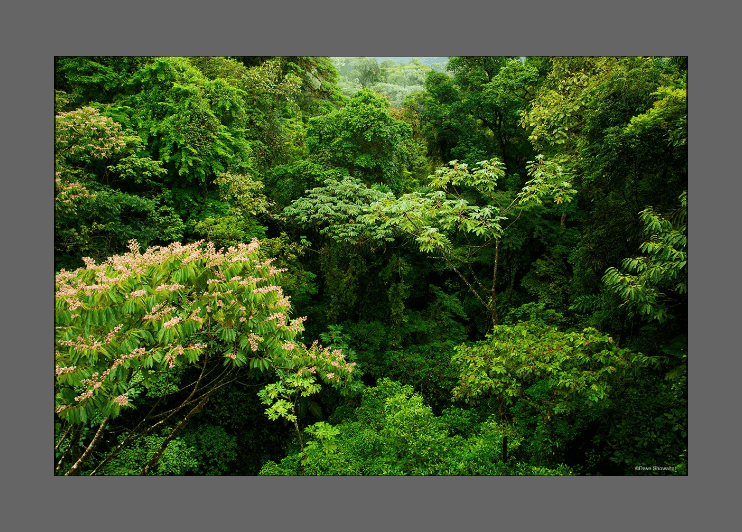
A yellow morph and green morph of an insect lives in the rainforest canopy. You would expect:
the green population to increase and the yellow to decrease
both populations should stay the same
both populations will increase
the green population to decrease and the yellow to increaseThis is a wrong answer
What word describes a trait that helps an organism survive in its environment?
natural selection
mutation
camouflage
adaptation
Which scientist visited the Galapagos Islands and came up with the theory of natural selection?
Theodor Schwann
Gregor Mendel
Charles Darwin
Rudolf Virchow

What type of evidence is represented in the picture above:
Fossils
Vestigial Structures
DNA
Homologous Structures

What type of evidence is shown in the image above?
Fossils
Vestigial structures
Homologous Structures
DNA

What type of evidence are shown in the picture above?
Fossils
Embryology
Homologous Structures
Vestigial Structures



Body parts similar in structure and origin
evolution
embryology
homologous
variation

_____________________are similar structures which species have, but which perform different functions. They provide evidence of a common ancestor.
DNA
Vestigial structures
Fossils
Homologous structures
Recently, scientists have been able to use ___________to find common proteins and amino acids to determine how closely related species are.
DNA
Vestigial structures
Fossils
Homologous structures
_____________________are features present in modern organisms which are no longer in use.
DNA
Vestigial structures
Fossils
Homologous structures
_________________ show clear changes in an organism over time, the environment organisms lived in, the time period the organism lived in, and where the organism lived.
DNA
Vestigial structures
Fossils
Homologous structures
Which IS NOT used as evidence for evolution?
Fossils
Natural Selection
Early Development/Embryos
Body Structure/Anatomy
DNA/Proteins
When vertebrates are in the early stages of development (an embryo) they all possess....
gill slits and tails
backbone and hands
hands and feet
tongue and mouth

The coelacanth is considered a __________________because it existed for a long time, then there was a gap in the fossil record, and it has been discovered living in modern times.
scary sea creature
monster
fish
living fossil

