wayground logo

Free Printable Worksheets

Font size

S
M
L
XL
Worksheets

Rock Cycle Review

Total questions: 104

Worksheet time: 57mins

Name
Class
Date
1.

In order for sedimentary rock to form, which of the following must occur?

a)

compaction

b)

intrusion

c)

oxidation

d)

metamorphism

2.
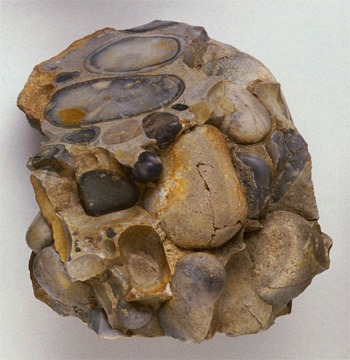
This rock formed when bits of other rocks became pressed into a solid. What type of rock is it?
a)
Sedimentary Rock
b)
Metamorphic Rock
c)
Igneous Rock
3.
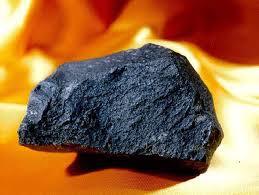
This rock was formed when molten rock cooled into a solid. What type of rock is it?
a)
Igneous Rock
b)
Metamorphic Rock
c)
Sedimentary Rock
4.
What are the 3 major types of rocks?
a)
Igneous, Metamorphic, Sedimentary
b)
Metamorphic, Igneous, Cementation
c)
Brown, Red, Gray
d)
Streak, Hardness, Breakage
5.
This rock was formed by smaller pieces of rock that settled at the bottom of a lake millions of years ago. What type of rock is this?
a)
Sedimentary
b)
Igneous
c)
Metamorphic
6.
Which of the words below describe mud, sand, and tiny bits of rocks that cement together to form a type of rock?
a)
stalactites
b)
magmas
c)
metamorphs
d)
sediments
7.

What causes igneous rocks to form

a)

pressure

b)

cooling magma and lava

c)

compaction

d)

cementation

8.

Metamorphic rocks were once...

a)

igneous rocks that cooled too quickly.

b)

sedimentary rocks that were changed by time, heat, and pressure.

c)

seashells that are pressed together.

d)

layers of mud and sand that built up over time.

9.

Rocks formed by heat and pressure beneath the Earth's surface are...

a)

igneous

b)

metamorphic

c)

sedimentary

d)

magma

10.

A rock made of magma that cools inside the Earth and contains large crystals?

a)

Igneous

b)

Sedimentary

c)

Metamorphic

d)

Magma

11.

A rock that contains pieces of shells and fossils compacted and cemented together over time is...

a)

Sedimentary

b)

Igneous

c)

Metamorphic

d)

Sediments

12.

When heat and water and ice break down rock into sediments this is called?

a)

Erosion

b)

Compaction

c)

Weathering

d)

Deposition

13.

The rock that forms by heat and pressure deep under ground?

a)

Igneous

b)

Sedimentary

c)

Metamorphic

d)

Lava

14.

Which of the following describes the process of sediments being picked up and carried away . by wind, moving water or ice?

a)

Erosion

b)

Weathering

c)

Deposition

d)

Compaction

15.

How does a Metamorphic rock become a Sedimentary rock?

a)

Heat, pressure and radiation

b)

Melting, cooling and evaporation

c)

Weathering, Erosion, Compaction and Cementation

d)

Cooling of Magma over time

16.

How can a Metamorphic rock become an Igneous rock?

a)

Weathering and Erosion

b)

Compaction and Cementation

c)

Heat and Pressurew

d)

Melting and cooling

17.
What numbers indicate melting and cooling? 
a)
1,2,4
b)
6,7,11
c)
7,8,9
d)
4,5
18.
Letter C represents what rock type? 
a)
Igneous
b)
Sedimentary
c)
Metamorphic
19.
Sedimentary rocks are represented by which letter? 
a)
A
b)
C
c)
B
20.
When particles are eroded and moved, they are eventually laid down in a process called: 
a)
deposition
b)
weathering
c)
supposition
d)
refraction
21.
This rock started as molten magma. What type of rock is this?
a)
Sedimentary
b)
Igneous
c)
Metamorphic
22.

This rock was formed by smaller pieces of rock that settled at the bottom of a lake millions of years ago. The sediments were compacted and cemented together. What type of rock is this?

a)

Sedimentary

b)

Igneous

c)

Metamorphic

23.

This rock was another type of rock that experienced heat and pressure over time. What type of rock is this?

a)

Sedimentary

b)

Igneous

c)

Metamorphic

24.
Cooling & crystalization produce
a)
igneous rocks
b)
metamorphic rocks
c)
sedimentary rocks
25.
True or False: Once a rock is sedimentary, it cannot become an igneous rock.
a)
True
b)
False
26.
The process when rocks break into smaller pieces due to exposure to natural elements is called
a)
erosion
b)
weathering
c)
sediments
27.
What are the 3 major types of rocks?
a)
Igneous, Metamorphic, Sedimentary
b)
Metamorphic, Igneous, Cementation
c)
magma, lava, crystals
28.
The process by which igneous rocks are formed...
a)
heat and pressure
b)
melting and cooling
c)
weathering and erosion
29.
The process by which metamorphic rocks are formed...
a)
heat and pressure
b)
erosion and deposition
c)
melting and cooling
30.

What do you call the small pieces of rock, sand, pebbles, etc. that is formed from breaking off larger rock?

a)

texture

b)

weathering

c)

sediment

d)

erosion

31.

Rocks that form from cooling magma inside Earth (underground)?

a)

Intrusive igneous

b)

Extrusive igneous

c)

Metamorphic foliated

d)

Sedimentary

32.

Which rock is formed form the cooling of lava on Earth's surface?

a)

intrusive igneous

b)

foliated metamorphic

c)

extrusive igneous

d)

organic sedimentary

33.
True/False: Igneous rocks can only turn into metamorphic rocks.
a)
True
b)
False
34.
This rock formed when bits of other rocks became pressed into a solid. What type of rock is it?
a)
Sedimentary Rock
b)
Metamorphic Rock
c)
Igneous Rock
35.
Which of the choices below is NOT one of the three types of rocks?
a)
Metamorphic
b)
Indigenous
c)
Sedimentary
d)
Igneous
36.
What material is used to form igneous rocks?
a)
magma
b)
sand
c)
gravel
d)
fossils
37.
What process is used to form sedimentary rocks?
a)
Lava cools and hardens to form a rock.
b)
Bits of sand and gravel form layers that turn into rock from pressure.
c)
Extreme heat and pressure from inside the Earth turn rocks into new rocks.
d)
Magma trapped under the Earth's surface cools and solidifies.
38.
Which of the words below describe mud, sand, and tiny bits of rocks that cement together to form a type of rock?
a)
stalactites
b)
magmas
c)
metamorphs
d)
sediments
39.
What process is used to form metamorphic rocks?
a)
Lava cools and hardens to form a rock.
b)
Bits of sand and gravel form layers that turn into rock from pressure.
c)
Extreme heat and pressure from inside the Earth turn rocks into new rocks.
40.
What type of rock can turn into a metamorphic rock?
a)
Igneous only
b)
Sedimentary only
c)
Metamorphic only
d)
Any type of rock
41.
Which type of rock would you expect to find by a volcano?
a)
Ingenious
b)
Igneous
c)
Indigenous 
d)
Indigo 
42.
The process by which metamorphic rocks are formed...
a)
heat and pressure
b)
compaction and cementation
c)
melting and cooling
43.

Hot, molten rock inside the earth is called ...

a)

lava

b)

magma

c)

igneous rock

d)

minerals

44.
Once magma reaches the earth's surface, it is called __________.
a)
a vent
b)
minerals
c)
igneous rocks
d)
lava
45.
What will happen if an igneous rock is put under an extreme amount of heat and pressure?
a)
it will melt into lava
b)
it will weather and erode
c)
it will become a metamorphic rock
d)
it will become a sedimentary 
46.

This rock formed when bits of other rocks and sediment were pressed into a solid. What type of rock is it?

a)

Sedimentary Rock

b)

Metamorphic Rock

c)

Igneous Rock

47.
This rock was formed by smaller pieces of rock that settled at the bottom of a lake millions of years ago. What type of rock is this?
a)
Sedimentary
b)
Igneous
c)
Metamorphic
48.

This rock was formed when magma cooled very slowly inside the Earth. What specific type of rock is it?

a)

Igneous Rock

b)

Moon Rock

c)

Metamorphic Rock

d)

Sedimentary Rock

49.

This rock formed when lava cooled very quickly on Earth's surface. What specific type of rock is it?

a)

Igneous Rock

b)

Moon Rock

c)

Metamorphic Rock

d)

Sedimentary Rock

50.

A rock deep within the Earth experiences extreme temperature and pressure. After a long period of time it becomes which rock?

a)

Magma

b)

Igneous

c)

Metamorphic

d)

Sedimentary

51.

What must happen to a metamorphic rock before it becomes a sedimentary rock?

a)

It must be broken down into sediment

b)

It must be melted into magma

c)

Its minerals must dissolve in water

d)

It must be exposed to high temperature and pressure

52.

This rock formed when bits of other rocks became pressed into a solid. What type of rock is it?

a)

Sedimentary Rock

b)

Metamorphic Rock

c)

Igneous Rock

53.

This rock was formed by smaller pieces of rock that settled at the bottom of a lake millions of years ago. What type of rock is this?

a)

Sedimentary

b)

Igneous

c)

Metamorphic

54.

This rock was found near the mouth of a volcano. What type of rock is this?

a)

Sedimentary

b)

Igneous

c)

Metamorphic

55.

When sediments are pressed together tightly, this is called ____________.

a)

Compaction

b)

Cementation

c)

Weathering

d)

Erosion

56.

The process in which sediment are fused or glued together.

a)

compaction

b)

deposition

c)

organic rock

d)

cementation

57.
This rock was formed when molten rock cooled into a solid. What type of rock is it?
a)
Igneous Rock
b)
Metamorphic Rock
c)
Sedimentary Rock
58.
Which type of rock is formed from INTENSE heat and pressure?
a)
igneous
b)
sedimentary
c)
metamorphic
59.
This rock was molten magma that slowly cooled under the ground. What type of rock is this?
a)
Sedimentary
b)
Igneous
c)
Metamorphic
60.
The three groups of rocks are classified by
a)
How they form
b)
Color
c)
Grain size
d)
Chemical Composition
61.
Fossils are only found in
a)
Sedimentary rocks
b)
Foliated Metamorphic rocks
c)
Igneous Rocks
d)
Nonfoliated Metamorphic rocks
62.
The cooled and hardened magma from volcanoes form what rocks?
a)
igneous
b)
sedimentary
c)
metamorphic 
d)
fossils
63.
Large rocks can be broken down into smaller rocks by wind and water.  These small rocks can break down into very tiny pieces called _______.
a)
minerals
b)
pebbles
c)
sediments
d)
chalk
64.
1. What will happen if an igneous rock is put under an extreme amount of heat and pressure?
a)
it will melt into lava
b)
it will weather and erode
c)
it will become a metamorphic rock
d)
it will become a sedimentary 
65.

In which location would you most likely find an igneous rock?

a)
b)
c)
d)
66.

Compaction and cementation are two common processes associated with:

a)

Extrusive igneous rocks

b)

Intrusive igneous rocks

c)

Sedimentary rocks

d)

Metamorphic rocks

67.
You can see layers in this rock.  Could be sand, or pebbles.
a)
Sedimentary
b)
Igneous
c)
Metamorphic
d)
Sand Rock
68.
This type of Rock is the MOST common in the Earth's Crust?
a)
Sedimentary
b)
Igneous
c)
Metamorphic
d)
Common Rock
69.

Which type of rock was MOST LIKELY formed by the Tennessee River over the last 100 million years?

a)

Igneous

b)

Sedimentary

c)

Mountainous

d)

Metamorphic

70.

Which kind of rock is produced by deposition compaction and cementation?

a)

Igneous

b)

Sedimentary

c)

Mountainous

d)

Metamorphic

71.

__________________rock forms when rock particles get pressed and cemented together.

a)

Igneous

b)

Sedimentary

c)

Mountainous

d)

Metamorphic

72.

Erosion and weathering can both cause changes to the surface of Earth. Which of the following happens only because of erosion and NOT because of weathering?

a)

Rocks form deep underground.

b)

Rocks become smooth and round.

c)

Rocks are broken apart into small pieces.

d)

Rocks are moved from one place to another.

73.

Which best describes one way igneous rocks form?

a)

Sedimentary rocks erode.

b)

Sedimentary rocks are compacted.

c)

Metamorphic rocks are melted, then cooled.

d)

Metamorphic rocks are deposited and cemented

74.

Which of these BEST describes how an igneous rock forms?

a)

cooling of magma

b)

weathering of other rocks

c)

colliding of tectonic plates

d)

pressing together of smaller rocks

75.

Which terms best describe igneous rocks?

a)

light and easily broken

b)

soft and smooth

c)

hard and dense

d)

soft dense

76.

Which statement is the best description of what

happens in the rock cycle?

a)

Rocks on old mountains are gradually weathered away, while mountain building and volcanism form new mountains.

b)

Once formed, rocks stay in place until rocks above them are weathered away and they reach the surface.

c)

As sedimentary rocks are buried deep below other rocks, they are changed by heat and pressure, eventually return to the surface, and are weathered again.

d)

Younger sedimentary rocks are always deposited on top of older metamorphic or igneous rocks.

77.

Which of the following areas is most likely to form metamorphic rocks such as gneiss and schist?

a)

a sea floor

b)

a windblown desert

c)

a site deep underground

d)

a site covered by a glacier

78.

Which best describes one way igneous rocks form?

a)

Sedimentary rocks erode.

b)

Sedimentary rocks are compacted.

c)

Metamorphic rocks are melted, then cooled.

d)

Metamorphic rocks are deposited and cemented.

79.

Fossils found in layers of sedimentary rocks help scientists understand

a)

why volcanoes exist

b)

why rocks are formed

c)

how igneous rocks are made

d)

how species change over time

80.

A group of students found metamorphic rocks near a campsite. The presence of metamorphic rocks is most likely evidence of

a)

dinosaur activity

b)

sediment deposition

c)

high pressure

d)

wind-borne sand

81.

Which process is best illustrated by the diagram?

a)

igneous rock formation

b)

sedimentary rock formation

c)

igneous rocks changing into metamorphic rocks

d)

sedimentary rocks changing into metamorphic rocks

82.

Sedimentary rocks have visible layers of small pieces of other rocks. Based on the information in the rock sample table, which is a sedimentary rock?

a)

pumice

b)

granite

c)

obsidian

d)

limestone

83.

Schist and quartzite are examples of metamorphic rocks. Which processes are necessary for the formation of metamorphic rocks?

a)

cooling and weathering

b)

cooling and pressure

c)

heating and pressure

d)

weathering and heating

84.

Why are most fossils found in sedimentary rocks?

a)

Sedimentary rocks are not very old.

b)

Organisms live only in areas with sedimentary

rock

c)

Organisms can be preserved in sedimentary

rock.

d)

Sedimentary rocks are found only at the

surface of the ground.

85.
Sometimes sediments move from one place to another and can settle in layers.  This process is called
a)
Weathering 
b)
Erosion
c)
Expansion
d)
Sedimentary layering
86.
Sediments under great heat and pressure over millions of years form this type of rock.
a)
Sedimentary
b)
Metamorphic
c)
Igneous
87.
What will happen as layers of sediment undergo great pressure for millions of years?
a)
A sedimentary rock will form.
b)
A metamorphic rock will form.
c)
An igneous rock will form.
d)
It will remain as layers of sediment.
88.
What is formed when molten rock material cools and hardens to form a solid?
a)
a sedimentary rock is formed
b)
A metamorphic rock is formed.
c)
An igneous rock is formed.
d)
Hard lava is formed.
89.
Hawaii was formed from volcanoes which means most of its land and rock is igneous rock.
a)
True
b)
False
90.
Many factors play a role in the formation of rocks. What is the difference in the formation of metamorphic rock and igneous rock?
a)
Heat and different minerals
b)
Erosion and hardening 
c)
Time and pressure
d)
There is not a difference in their formation
91.
Which of the following best describes examples of erosion?
a)
Physical and chemical weathering
b)
Constant changes on the surface of the Earth
c)
Lakes and ponds
d)
Wind and moving water
92.
The process of breaking down rock is 
a)
Weathering
b)
Erosion
c)
Plucking
d)
Abrasion
93.
Wind, rain, chemicals and pressure are 4 ways that rocks can be broken down into smaller pieces.  These smaller pieces are called
a)
Pebbles
b)
Sand
c)
Sediments
d)
Granules
94.
Choose the list of sediments that is listed from smallest particle size to greatest particle size.
a)
Sand, gravel, silt, clay
b)
Gravel, sand, clay, silt
c)
Clay, gravel, sand, silt
d)
Clay, silt, sand, gravel
95.
Hot molten rock inside the Earth can reach Earth's surface during a volcanic eruption.  The term for this melted rock is
a)
Lava 
b)
Magma
c)
Magma when it reaches Earth's surface and Lava when it is below Earth's surface
d)
Lava when it reaches Earth's surface and Magma before it reaches Earth's surface
96.
Choose the number where the following description best fits:  Hot lava cools.
a)
1
b)
3
c)
4
d)
5
97.
Choose the number where the following description best fits:  Great pressure and heat.
a)
1
b)
2
c)
3
d)
4
98.
Choose the number where the following description best fits:  Great heat from the center of the Earth causes melting.
a)
1
b)
3
c)
4
d)
5
99.
A natural, solid earth material that is made of one or more different minerals is a 
a)
Rock
b)
Gem
c)
Diamond
d)
Coal
100.
Not all rocks are made from minerals.
a)
True
b)
False
101.
In our crayon lab, the crayon represented 
a)
Erosion
b)
Weathering
c)
A rock
d)
Just a crayon
102.
In our crayon lab, we were able to demonstrate the rock cycle by creating sediments and putting them back together in different ways to represent different rocks.  When we melted and cooled the crayon we modeled
a)
How sedimentary rocks form
b)
How metamorphic rocks form
c)
How igneous rocks form
d)
How to melt a crayon
103.
As we looked at the different properties of rocks we looked at their hardness.  The scale we compared it to was called
a)
Hardness Scale
b)
Mohs Scale of Harness
c)
Roks Scale of Hardness
d)
Compressed Scale of Hardness
104.
These are formed by natural processes and are the building blocks of rocks.
a)
Gems
b)
Dirt
c)
Minerals
d)
Diamonds