
 Worksheets
Revision
Total questions: 79
Worksheet time: 1hrs 7mins
______ to receive characteristics from an organism's parents
inherit
characteristics
advantage
______ the qualities that an organism has
inherit
advantage
characteristic
A pea plant's environment is the only thing that determines its characteristics. This statement is ____.
true
false

Giraffes use their long necks to ___________________.
eat leaves on high trees
fight
spot danger
all of the above
Which two are INHERITED?
able to roller skate
freckles
green eyes
fast reader
On Leah's third birthday, she is able to run, jump, speak in sentences, dress herself, and play with toys. Her hair has changed from dark brown to light blond. Which of Leah's characteristics was passed down to her from her parents?
speaking in sentences
ability to jump
hair color
playing with toys
a peacock flounder fish can easily hide and surprise animals it wants to eat because ____
it can change its color to match the background
it can sleep
it has stripes
______ are examples of inherited characteristics in humans
Hair texture and color
Eye shape and color
Height
All of the previous answers
An example of an inherited trait is ____________.
eye color
language
riding a bike
playing sports
_________a characteristic that can help an individual compete in its environment
inherit
advantage
characteristic
One advantage of the peacock flounder is its ability to change color. This statement is ____.
true
false

How does the giraffes long neck help it survive in the African grasslands? This structure functions to help the giraffe
run very quickly
reach tree branches
drink from ponds
hide from predators
When two or more living things need the same resource they ____
inherit
compete
hibernate
a peacock flounder fish can easily hide and surprise animals it wants to eat because ____
it can change its color to match the background
it can sleep
it has stripes
A pea plant's environment is the only thing that determines its characteristics. This statement is ____.
true
false
Giraffes use their long necks to ___________________.
eat leaves on high trees
fight
spot danger
all of the above
Which two are INHERITED?
able to roller skate
freckles
green eyes
fast reader
a peacock flounder fish can easily hide and surprise animals it wants to eat because ____
it can change its color to match the background
it can sleep
it has stripes
______ are examples of inherited characteristics in humans
Hair texture and color
Eye shape and color
Height
All of the previous answers

Something that causes a living thing to react is:
Stimulus
Behavior.

The way an animal responds to the stimulus is called:
Stimulus.
Behavior.

This behavior is :
A learned behavior.
An instinct.

The period of inactivity of some animals during winter is called:
Migration.
Hibernation

The movement from one place to another at different times of the year is:
Migration.
Hibernation

A Stimulus is...
something that causes a reaction in a living thing.
a behavior that is inherited.

A instinct is...
is something that causes a reaction in a living thing.
a behavior that is inherited.

A dog doing tricks is an example of a learned behavior.
True, a dog must be trained to do tricks because it is not born knowing how to do them.
False, some behaviors are partly instinctive and partly learned.
The period of inactivity of some animals during winter is called:
Migration.
Hibernation
Which is an example of a learned behavior?
Blue eyes
Having freckles
Speaking English
A pea plant's environment is the only thing that determines its characteristics. This statement is ____.
true
false
On Leah's third birthday, she is able to run, jump, speak in sentences, dress herself, and play with toys. Her hair has changed from dark brown to light blond. Which of Leah's characteristics was passed down to her from her parents?
speaking in sentences
ability to jump
hair color
playing with toys
______ to receive characteristics from an organism's parents
inherit
characteristics
advantage
A pea plant's environment is the only thing that determines its characteristics. This statement is ____.
true
false
_________a characteristic that can help an individual compete in its environment
inherit
advantage
characteristic
One advantage of the peacock flounder is its ability to change color. This statement is ____.
true
false
How does the giraffes long neck help it survive in the African grasslands? This structure functions to help the giraffe
run very quickly
reach tree branches
drink from ponds
hide from predators
When two or more living things need the same resource they ____
inherit
compete
hibernate
a peacock flounder fish can easily hide and surprise animals it wants to eat because ____
it can change its color to match the background
it can sleep
it has stripes
______ are examples of inherited characteristics in humans
Hair texture and color
Eye shape and color
Height
All of the previous answers
Which of these is a nonliving part of an environment?
water
brown bear
oak tree
fish
What is an ecosystem?
the living and nonliving things that interact in an environment
the place where a living thing makes its home
all the populations that live in the same place

Which type of ecosystem is shown in this picture?
Tundra
Rainforest
Desert
Grassland

Which type of ecosystem is shown in this picture?
Desert
Tundra
Wetlands
Tundra

Which type of ecosystem is shown in this picture?
Rainforest
Tundra
Wetlands
Grasslands
How many of these are TRUE about the Tundra?
It is a cold region
Trees can grow in the Tundra
The ground beneath the surface is frozen all year
Arctic foxes live here
In which region is the ground covered with water for at least part of the year?
Wetlands
Grasslands
Tundra
Rainforest

In which region would I find grasshoppers, prairie chickens, and bison?
Grasslands
Wetlands
Tundra
Which type of ecosystem is very dry? It is the driest ecosystem.
Desert
Tundra
Grasslands
All the living things of the same kind that live in the same place make up a __________________.
population
habitat
community

What is habitat?
A community of organisms and the environment in which they live.
All the organisms of the same kind that live together in an ecosystem.
The place where an organism lives and can find everything it needs to survive.
The things both living and non living that surround a living thing.

A very cold habitat close to the north pole.
Tundra
Rainforest
desert
savanah

The living components of an ecosystem include: ____ and ____.
plants and animals
living and nonliving
water and air
soil and sunlight

What MOST LIKELY caused the change in this photo?
people
plants
animals
weather

What MOST LIKELY caused the change in this photo?
people
plants
animals
weather
When living things compete for resources, it is called ....................
food, air, water, space, sunlight
Which of the following is an example of animals causing change?
Planting Trees
Beavers build a dam to block the flow of a river.
People build homes
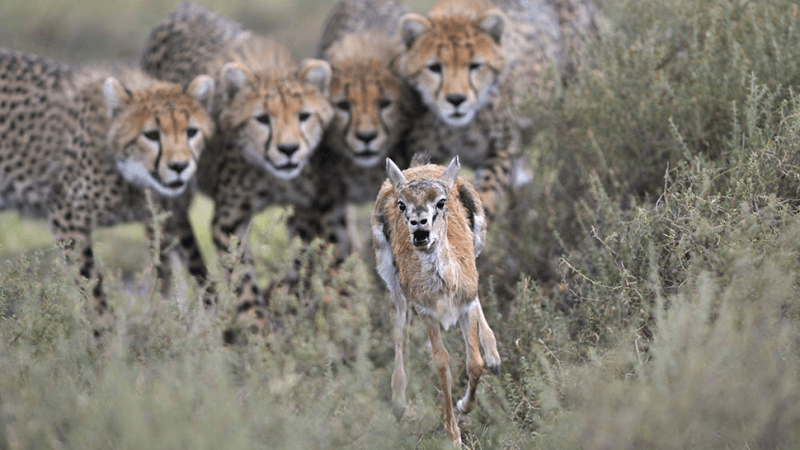
Hawks and owls eat the same type of food and struggle with one another to get their food. What is this an example of?
Competition
Biotic factor
Symbiosis
Population
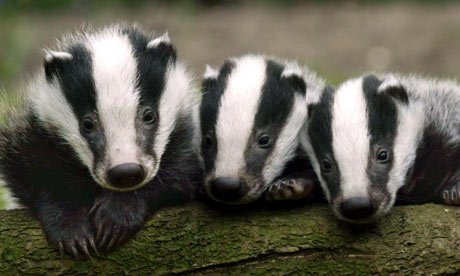
In an ecosystem, what do organisms and populations with similar needs compete over?
food
water
shelter
all of the above
Resources that are not able to be reproduced as quickly as they are used are called _____.
renewable resources
replaceable resources
non renewable resources
non replaceable resources
Which of the following is a nonrenewable resource?
Air
trees
Animals
Minerals
Which of these is a renewable resource?
trees
methane
coal
gasoline
a natural resources that cannot be replaced quickly or in our lifetime
Renewable Resource
Non-Renewable Resource
Check all the boxes that are examples of renewable resources
sun
water
wind
natural gas
coal
Check all the boxes that are examples of nonrenewable resources
natural gas
oil
sun
water
coal

