
 Worksheets
Life Organization and Cells
Total questions: 75
Worksheet time: 1hrs 10mins

The following list represents characteristics of a living thing:
made of cells, has lungs, can reproduce
grows and develops, responds to surroundings, can move
has similar chemicals, makes noises, reproduces
made of cells, reproduces with genetics, has metabolism
Which of these do living things NOT need for a species to survive?
DNA/RNA
ability to respond to change
ability to make a permanent home
ability to reproduce
ability to use energy


A molecule that contains hereditary information.....
carbohydrate
protein
lipid
nucleic acid (DNA and RNA)

An organism made up of more than one cell would be called:
multicellular
unicellular
heterotroph
autotroph

The combination of chemical reactions through
which an organism builds up or breaks down
materials as it carries out its life processes is called ...
absorption
metabolism
digestion
consumption
A baby song bird hatches from its egg with both parent songbirds watching. Which characteristic of life does this represent?
All living things reproduce
All living things maintain homeostasis
All living things use energy
All living things grow
Which of the following is a response?
a flashlight shined into the eye
a rubber band popping your hand
your pupils constricting when exposed to bright light
blood glucose levels drop significantly
The circulatory system uses _________ to deliver oxygen to the rest of the body.
blood cells
lungs and nose
Stomach
brain and spinal cord
In multicellular organisms, tissues are comprised of ____ that are the same that have a specific function.
When different tissues come together to perfom a function, they form ___________.

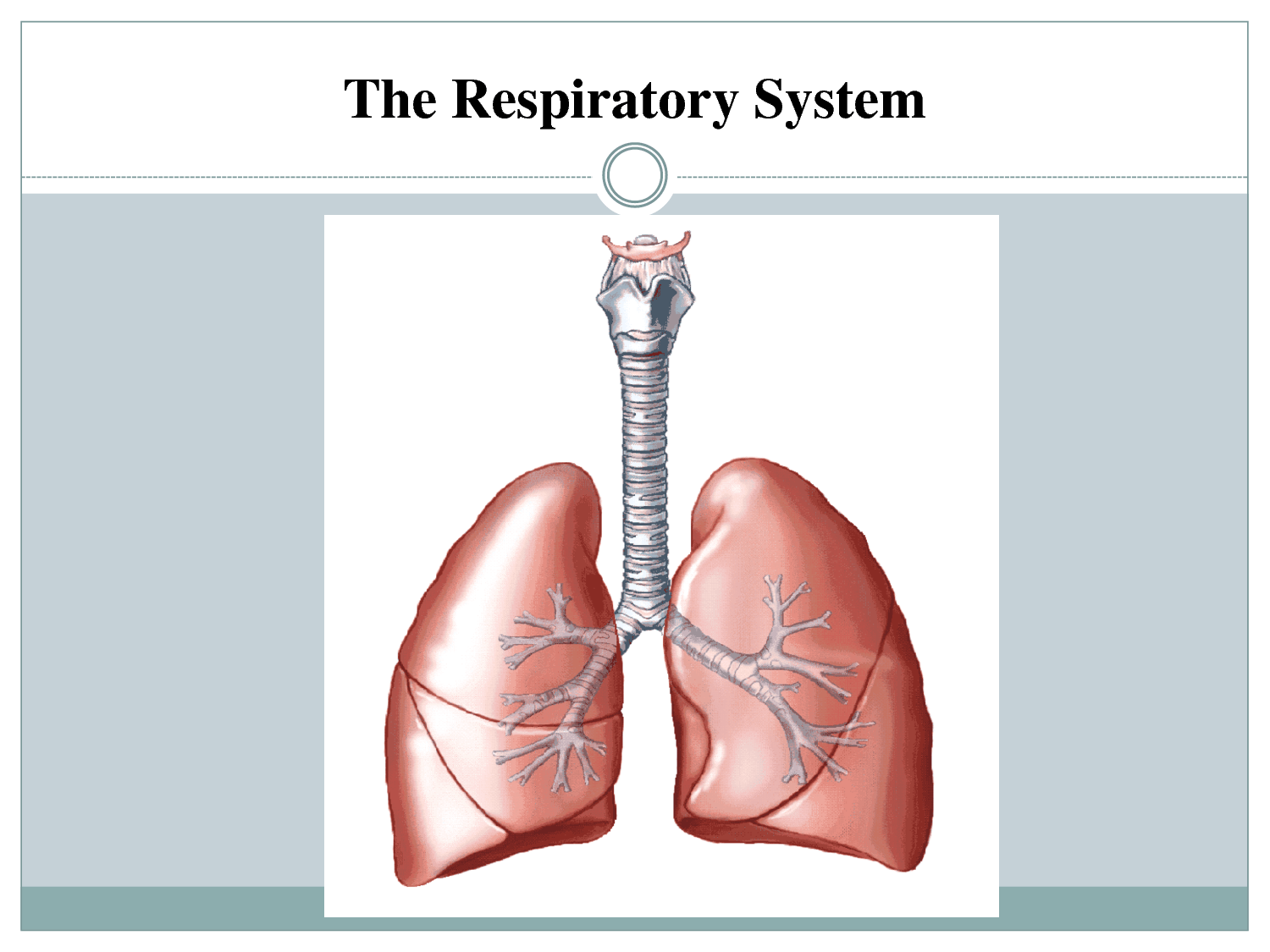
This system is the ___.


What is the biggest function of the respiratory system?
to pump blood
to help us digest food
to take in oxygen and release carbon dioxide
to help us fight disease and infection
How does the circulatory system depend on the respiratory system in order to function?
The respiratory system removes bacteria from the circulatory system.
The respiratory system produces circulatory system cells.
The respiratory system delivers oxygen to the circulatory system.
The respiratory system provides protection to the circulatory system.
Which two systems are responsible for voluntary movement?
circulatory and excretory
digestive and circulatory
skeletal and muscular
skeletal and circulatory
How do the circulatory and excretory systems work together?
The circulatory system brings nutrients and oxygen so our cells can produce energy.
The circulatory system brings blood to the kidneys to filter and remove waste.
The circulatory system bring white blood cells around the body to fight infection and disease.
The circulatory system helps the excretory system digest food.
How does the immune system depend on the circulatory system in order to function?
The circulatory system produces antibodies used by the immune system.
The circulatory system sends bacteria and viruses to the immune system.
The circulatory system transports immune system cells throughout the body.
The circulatory system protects the immune system from diseases.
Which two systems work together to remove wastes?
digestive and excretory
respiratory and skeletal
skeletal and circulatory
digestive and respiratory
Which two systems work together to break down and transport molecules?
muscular and respiratory
circulatory and skeletal
digestive and circulatory
endocrine and digestive
Which system functions primarily to coordinate the body’s response to changes in its internal and external environment?
digestive system
excretory system
nervous system
skeletal system
Which of the following is a component of the circulatory system?
heart
blood vessels
blood
all answers
The system that is responsible for the production of gametes is the
excretory system
reproductive system
nervous system
integumentary system
The system that involves the thyroid, pancreas and pituitary (and other glands) is called the ___________.

What is the largest organ in the human body?
Heart
Lungs
Skin
Intestines
Determined that animals are made up of cells and cell products.
Hooke
Schwann
Schleiden
Van Loewenhoek
Determined that all plants are made up of cells and products of cells.
Hooke
Schwann
Schleiden
Van Loewenhoek

The man who is called the Father of Microbiology and who made this microscope: (single lens, 200 - 300 X magnification!)
Hooke
Schwann
Schleiden
Van Loewenhoek
The man who is called the Father of Microbiology and who made this microscope: (single lens, 200 - 300 X magnification!)
Hooke
Schwann
Schleiden
Van Loewenhoek

The man who developed the first compound microscope that worked for microbes and called cells 'cells':
Hooke
Schwann
Schleiden
Van Loewenhoek
Cell Theory states that
all living things are made up of one or more cells
the cell is the building block of life
cells arise from pre-existing cells
all of these make up Cell Theory
Atoms, Molecules, Organelles, Cells-
Molecules, Atoms, Organs, Tissues
Cells, Atoms, Molecules
Organelles, Molecules, Atoms, Cells

Classify the 'thing':
prokaryote
eukaryote
virus
prion

Classify the 'thing':
prokaryote
eukaryote
virus
prion

Classify the 'thing':
prokaryote
eukaryote
virus
prion
Classify as living or nonliving
living
non-living
Classify as living or non-living
living
non-living

Classify the 'thing':
prokaryote
eukaryote
virus
prion
This is:
living
non-living
Means "true kernel"
prokaryote
eukaryote
virus
prion
In general, bacteria are highly varied. Which of the following is true?
Specific bacteria can be used to make foods for us
Specific bacteria can be found on our skin and in our gut and are helpful
Specific bacteria (just some) can cause disease
All these statements are true for bacteria
Living or non-living (SARS CoV 2):
Living
Non-living
Which of the following is NOT a characteristic of ALL living things?
Ability to grow
Ability to reproduce
Ability to breathe
Ability to respire

Living or non-living:
Living
Non-living

Living or non-living (human ovum):
Living
Non-living

Living or non-living (puff ball fungus):
Living
Non-living

Living or non-living (sea sponge):
Living
Non-living

Living or non-living (human hair):
Living
Non-living

Living or non-living (algae):
Living
Non-living

