
 Worksheets
Rock Cycle
Total questions: 72
Worksheet time: 37mins

The name of a person that studies rocks and the earth.
veterinarian
geologist
podiatrist
teacher


Geologists have classified rocks into three major groups of rocks which are:
inorganic, organic and chemical rocks
igneous, sedimentary and metamorphic rocks
metamorphic, chemical and non chemical rocks
sedimentary, inorganic and igneous rocks
The process by which metamorphic rock changes to igneous rock begins with
melting
erosion
deposition
crystallization
Name of the impression of a plant or animal, in the soil, that existed in the past
diamond
hardness
fossil


This rock started as molten magma but transformed after a volcano erupted. What type of rock is this?
Sedimentary
Igneous
Metamorphic

What do we call the material that comes from rocks that have been broken down into smaller pieces. This usually results from weathering.
texture
weathering
sediment
erosion
What causes igneous rocks to form
animal and plant remains aka fossils
cooling magma, lava, and pressure
compaction of sediment
cementation or hardening of minerals
sediment
Name of the impression of a plant or animal, in the soil, that existed in the past
diamond
hardness
fossil

Geologists are scientists that study _______.
rocks
lakes
rivers
animals

Geologists can find ______ in old rocks.
fossils
toys
sofas
people

Which type of rock was MOST LIKELY formed by the Tennessee River over the last 100 million years?
Igneous
Sedimentary
Mountainous
Metamorphic
Which kind of rock is produced by deposition compaction and cementation?
Igneous
Sedimentary
Mountainous
Metamorphic
__________________rock forms when rock particles get pressed and cemented together.
Igneous
Sedimentary
Mountainous
Metamorphic
Erosion and weathering can both cause changes to the surface of Earth. Which of the following happens only because of erosion and NOT because of weathering?
Rocks form deep underground.
Rocks become smooth and round.
Rocks are broken apart into small pieces.
Rocks are moved from one place to another.
Which best describes one way igneous rocks form?
Sedimentary rocks erode.
Sedimentary rocks are compacted.
Metamorphic rocks are melted, then cooled.
Metamorphic rocks are deposited and cemented
Which of these BEST describes how an igneous rock forms?
cooling of magma
weathering of other rocks
colliding of tectonic plates
pressing together of smaller rocks
Which terms best describe igneous rocks?
light and easily broken
soft and smooth
hard and dense
soft dense
Which statement is the best description of what
happens in the rock cycle?
Rocks on old mountains are gradually weathered away, while mountain building and volcanism form new mountains.
Once formed, rocks stay in place until rocks above them are weathered away and they reach the surface.
As sedimentary rocks are buried deep below other rocks, they are changed by heat and pressure, eventually return to the surface, and are weathered again.
Younger sedimentary rocks are always deposited on top of older metamorphic or igneous rocks.
Which of the following areas is most likely to form metamorphic rocks such as gneiss and schist?
a sea floor
a windblown desert
a site deep underground
a site covered by a glacier
Which best describes one way igneous rocks form?
Sedimentary rocks erode.
Sedimentary rocks are compacted.
Metamorphic rocks are melted, then cooled.
Metamorphic rocks are deposited and cemented.
Fossils found in layers of sedimentary rocks help scientists understand
why volcanoes exist
why rocks are formed
how igneous rocks are made
how species change over time
A group of students found metamorphic rocks near a campsite. The presence of metamorphic rocks is most likely evidence of
dinosaur activity
sediment deposition
high pressure
wind-borne sand

Which process is best illustrated by the diagram?
igneous rock formation
sedimentary rock formation
igneous rocks changing into metamorphic rocks
sedimentary rocks changing into metamorphic rocks
Schist and quartzite are examples of metamorphic rocks. Which processes are necessary for the formation of metamorphic rocks?
cooling and weathering
cooling and pressure
heating and pressure
weathering and heating
Why are most fossils found in sedimentary rocks?
Sedimentary rocks are not very old.
Organisms live only in areas with sedimentary
rock
Organisms can be preserved in sedimentary
rock.
Sedimentary rocks are found only at the
surface of the ground.
In order for sedimentary rock to form, which of the following must occur?
compaction
intrusion
oxidation
metamorphism
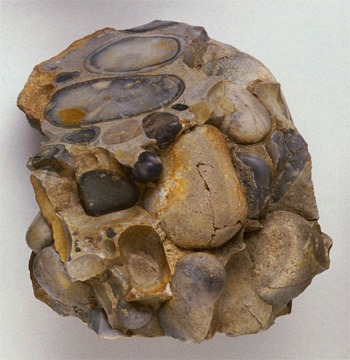
What causes igneous rocks to form
pressure
cooling magma and lava
compaction
cementation
Metamorphic rocks were once...
igneous rocks that cooled too quickly.
sedimentary rocks that were changed by time, heat, and pressure.
seashells that are pressed together.
layers of mud and sand that built up over time.
Rocks formed by heat and pressure beneath the Earth's surface are...
igneous
metamorphic
sedimentary
magma
A rock made of magma that cools inside the Earth and contains large crystals?
Igneous
Sedimentary
Metamorphic
Magma
A rock that contains pieces of shells and fossils compacted and cemented together over time is...
Sedimentary
Igneous
Metamorphic
Sediments
When heat and water and ice break down rock into sediments this is called?
Erosion
Compaction
Weathering
Deposition
The rock that forms by heat and pressure deep under ground?
Igneous
Sedimentary
Metamorphic
Lava
Which of the following describes the process of sediments being picked up and carried away . by wind, moving water or ice?
Erosion
Weathering
Deposition
Compaction
How does a Metamorphic rock become a Sedimentary rock?
Heat, pressure and radiation
Melting, cooling and evaporation
Weathering, Erosion, Compaction and Cementation
Cooling of Magma over time
How can a Metamorphic rock become an Igneous rock?
Weathering and Erosion
Compaction and Cementation
Heat and Pressurew
Melting and cooling



