
NEW
Font size
 Worksheets
Respiratory System
Total questions: 53
Worksheet time: 40mins
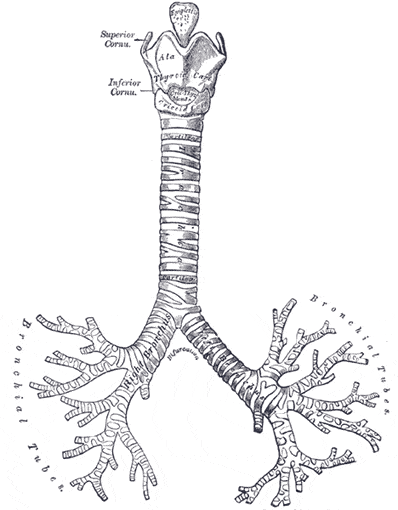
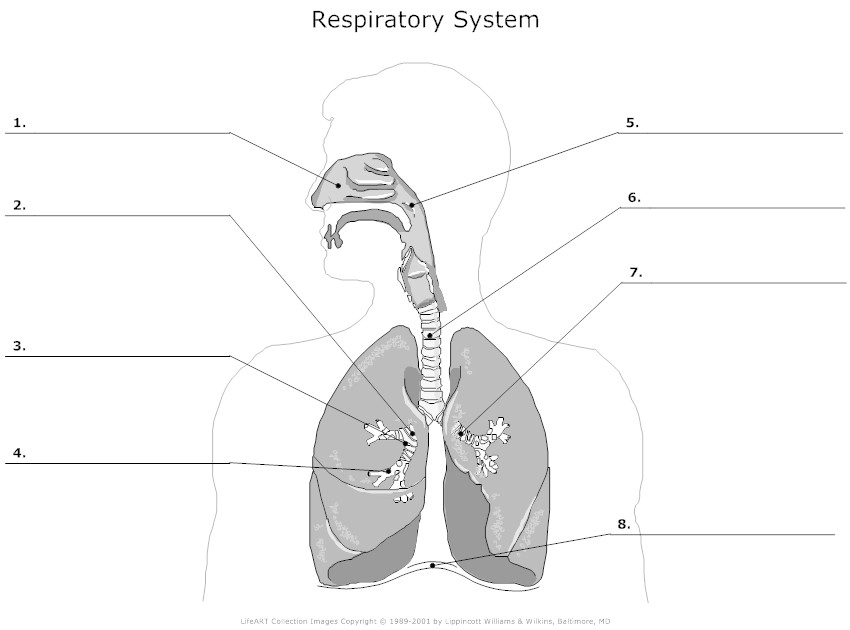
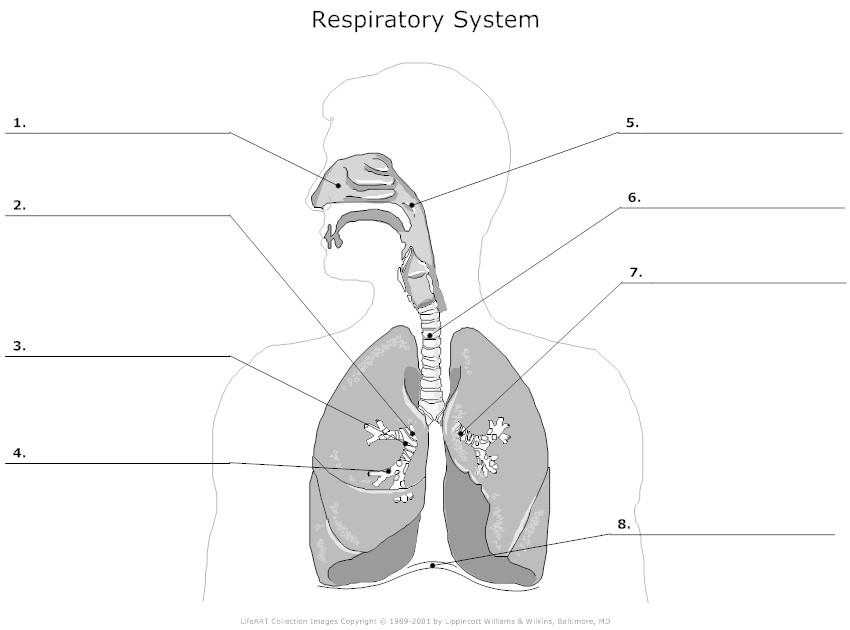
1. larynx
2. nasal cavity
3. pharynx
4. trachea
Which of the following is the correct order that air would flow during inhalation.

When you breathe, your lungs take in ___ and remove ___.
air/oxygen
oxygen/carbon dioxide
carbon dioxide/waste
waste/air

NUMBER 2:
Pharynx
Bronchi
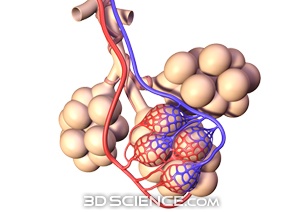
Alveoli
Lungs
Gaseous exchange happens because of...
Osmosis
Respiration
Diffusion
Semi-permeable membranes
The drawing in of breath; inhalation.
Inspiration
Expiration
Breathing out; exhalation of breath.
Inspiration
Expiration
The process of exchanging oxygen and carbon dioxide in the lungs.
inspiration
expiration
internal respiration
external respiration
The process of diffusing oxygen from the blood, into the interstitial fluid and into the cells.
inspiration
expiration
internal respiration
external respiration
The only externally visible part of the respiratory system
Eyes
Nose
Pharynx
Larynx
The division of the trachea forms
nose
main bronchi
lungs
alveoli
Which structures filter and moisten air as it passes through the human respiratory system?
cilia and mucous membranes
alveoli and cartilage rings
diaphragm and bronchioles
epiglottis and bronchi
Which respiratory structure is supported by rings of cartilage?
trachea
alveolus
bronchiole
pharynx
What is the main function of gas exchange
To remove carbon dioxide and supply oxygen to the body
To remove oxygen from the body
To supply carbon dioxide and remove oxygen from the body
To supply water to the body cells

Which structure shown in the diagram below contracts, causing a pressure change in the chest cavity during breathing?
A
B
C
D
An increase in breathing rate can be triggered by an increase in the
carbon dioxide content of the blood
oxygen content of the atmosphere
number of platelets in the blood
number of red blood cells
Which part of the human respiratory system is a thin, moist membranous structure where gas exchange occurs?
trachea
bronchus
epiglottis
alveolus
Which part of the human respiratory system is correctly paired with a description of its structure?
alveolus – microscopic sac containing rings of cartilage and ciliated membranes
pharynx – cavity lined with flagellated mucous membranes
bronchiole – small branching tubule lacking cartilaginous rings
trachea – thin, moist membrane surrounded by capillaries
In the human respiratory system, bronchioles directly connect the
trachea and pharynx
bronchi and alveoli
nasal cavity and trachea
epiglottis and larynx
In humans, the thin, moist membranes of the alveoli are surrounded by
bronchi
the epiglottis
capillaries
lymph vessels
Which disease is linked to smoking and results in a reduction in the number and elasticity of alveoli?
emphysema
asthma
bronchitis
meningitis
Which structure is a comman passageway for food and air?
palate
conchae
sinuses
pharynx
larynx

Inflammation of the larynx or the "voice box"
tonsillitis
pneumonia
laryngitis
dyspnea

A temporary inflammation of the mucous membranes that line the trachea and bronchial passageways; causes a cough that may produce mucus.
pneumonia
acute bronchitis
tuberculosis
dyspnea

An infection of the lungs that causes inflammation; causes by a virus, bacterium, fungus or in rare cases
up in the lungs making gas exchange difficult
pneumonia
acute bronchitis
dyspnea
tuberculosis

A highly contagious bacterial infection cause by the bacteria Mycobacterium tuberculosis. It most commonly attacks the lungs, but can spread to other organs.
tuberculosis
dsypnea
pneumonia
influenza
Which structure is responsible for the movement of the chest cavity during the breathing process?
A. Bronchi and trachea
B. Larynx and pharynx
C. Nasal cavity and pharynx
D. Diaphragm and rib muscle
Which system shares the pharynx with the respiratory system?
circulatory
digestive
excretory
skeletal

Which structure's function is to close off the airway during swallowing?
B
A
C
Most oxygen is attached to __________ in red blood cells.
lipids
amino acids
hemoglobin
phosphate
Which of the following is the correct pairing of structure and common name?
larynx - air sac
trachea - wind pipe
pharynx - voice box
alveoli - throat
Which of the following devices is NOT paired with the function is measures?
stethoscope - respiratory noises and heartbeat
sphygmomanometer - blood pressure
spirometer - respiratory capacity
All are correct
Aging often results in chest wall becoming more rigid and lungs losing elasticity.
true
false
Babies born prematurely may develop respiratory distress due to a lack of ______________ which is a substance produced in the lungs that prevent alveoli from collapsing.
surfactant
hemoglobin
bilirubin
epinephrin
A baby's lungs fully inflate with their first breath after birth.
true
false
the amount of air that moves into and out of the lungs during normal, quiet breathing
respiratory capacity
reserve volume
residual volume
tidal volume
the amount of air that can be forcibly inhaled after a normal inhalation
inspiratory reserve volume
expiratory reserve volume
tidal volume
residual volume
the amount of air that remains in the lungs even after a forceful exhalation
expiratory reserve volume
residual volume
vital capacity
tidal volume
How do smoking and emphysema impact the lung's ability of gas exchange?
trachea is obstructed
diaphragm contraction is slowed
surface area needed for gas exchange on alveoli is reduced
cilia is prevented from removing debris from the respiratory system
In mammals, what process allows gas exchange through the respiratory membrane?
active transport
osmosis
sodium potassium pump
diffusion
Chronic condition characterized by loss of elasticity in the alveoli. A symtom is shortness of breath. It is most often caused by smoking.
chronic bronchitis
emphysema
pneumonia
tuberculosis

