
NEW
Font size
 Worksheets
Circulatory System
Total questions: 47
Worksheet time: 27mins
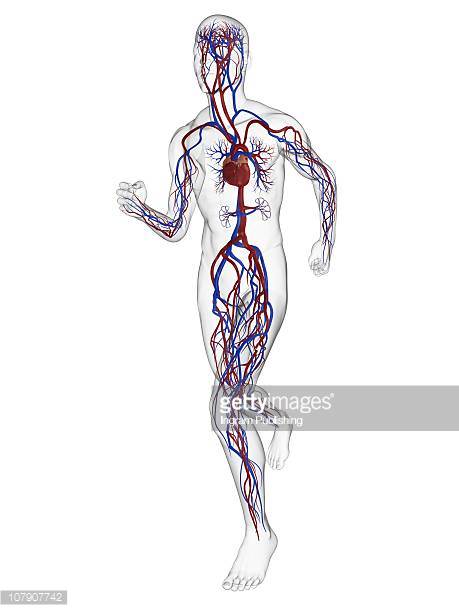
What is the main organ of the circulatory system?
small intestine
bone
lungs
heart

The job of the heart is to . . .
pump blood around the body.
send food to the small intestines.
break down food.
give energy to the body.

How does the heart work?
It pumps blood first to the lungs, back to the heart and then around the rest of the body.
It pumps blood first to the rest of the body, back to the lungs and then to the heart.
It pumps blood around the rest of the body, back to the heart and then to the lungs,

The circulatory system works with the ___________ system to provide our body with oxygen.
respiratory
digestive
muscular
skeletal

Deoxygenated blood means that the blood is low in...
Oxygen
Carbon Dioxide
Which of the following is not part of the circulatory system?
veins
heart
stomach
arteries
As the blood reaches the lungs, what is removed from the blood?
oxygen
carbon dioxide
red blood cells
white blood cells
What do we call the movement of blood through the heart and around the body?
circulation
digestion
Fights disease and infection. Made by the lymphatic system.
white blood cells
red blood cells
circulatory system
blood
Delivers oxygen to your body cells. Made in bone marrow.
white blood cell
red blood cell
respiratory system
lungs
Small blood vessels that diffuse oxygen, carbon dioxide, and nutrients.
heart
arteries
veins
capillaries
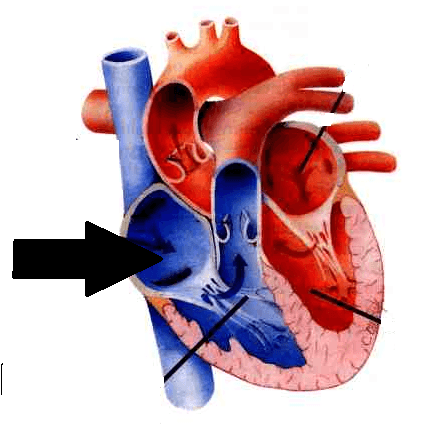
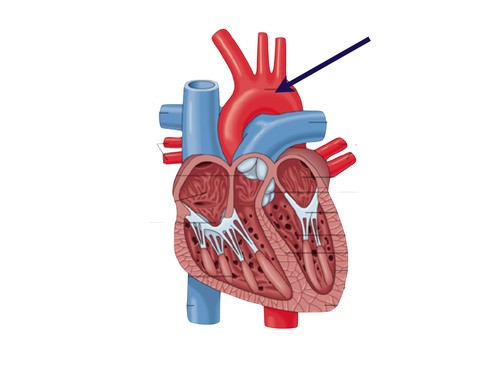
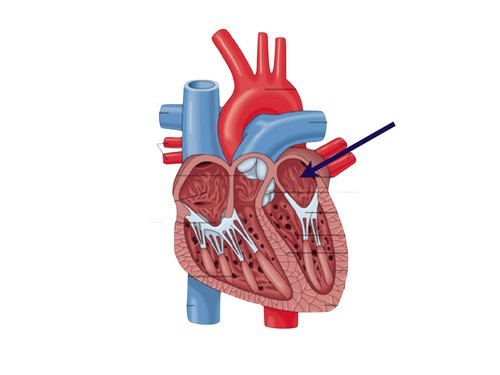
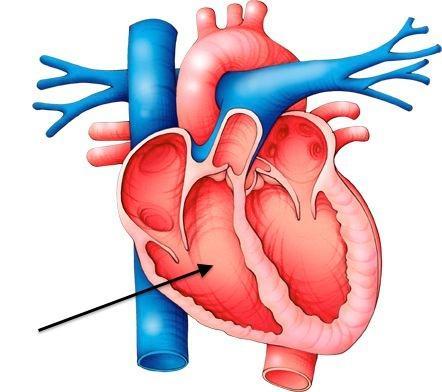
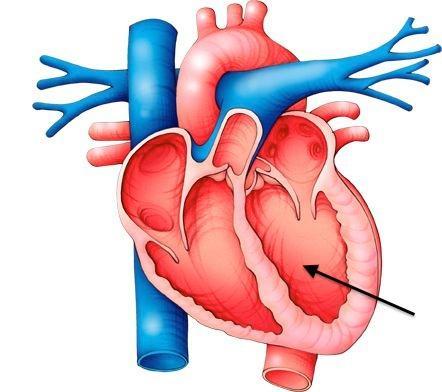
This chamber of the heart RECEIVES oxygen rich blood back from the lungs
Right Atrium
Left Atrium
Right Ventricle
Left Ventricle
This chamber of the heart pumps the blood from the heart to the lungs through the pulmonary artery
Right Atrium
Left Atrium
Right Ventricle
Left Ventricle
This chamber of the heart pumps the blood back out to the body cells through the Aorta
Right Atrium
Left Atrium
Right Ventricle
Left Ventricle
Type of circulation that refers to blood flow from the heart to the lungs and back to the heart again?
Systemic circulation
Renal circulation
Portal circulation
Pulmonary circulation
The type of blood vessel where exchange of gases, nutrients, and wastes occurs?
arteries
capillaries
veins

The main vein(s) that brings blood to the right atrium?
Aorta
Pulmonary veins
Superior and Inferior vena cava
Jugular vein

Name part M.
Tricuspid valve
Semilunar valve
Bicuspid valve
Mitral valve
What causes the blood to be the distinct red colour?
Haemoglobin
Glucose
Hormones
Oxygen
Which of the following is NOT a type of blood vessel?
Artery
Capillary
Vein
Ventricle
What is the function (job) of the platelets?
To form clots (i.e. scabs) when you have cuts and grazes.
To transport oxygen to the muscles
To carry dissolved sugars.
To produce antibodies
What is the function (job) of the white blood cells?
To transport oxygen around the body.
To carry dissolved sugars.
To clot and cover wounds like cuts and grazes.
To release antibodies to help destroy infections.
What is the function (job) of the plasma?
To release antibodies to fight infections.
To transport oxygen around the body.
To carry dissolved nutrients and sugars.
To transport oxygen around the body.
Which blood vessels take blood TO the heart?
Veins
Arteries
Capillaries
Which blood vessels take blood AWAY from the heart?
Veins
Arteries
Capillaries
Which is the smallest of the 3 blood vessels?
Veins
Arteries
Capillaries
Which blood vessel has valves to prevent the back-flow of blood?
Veins
Arteries
Capillaries

What is blood made of?
oxygen and plasma
red blood cells and white blood cells
plasma, red blood cells, white blood cells, and platelets.
plasma and platelets

What is plasma?
only white blood cells
only red blood cells
fluid part of blood
hemoglobin
What is the function (job) of the red blood cells?
To transport oxygen around the body and to the muscles.
To release antibodies to fight infections.
To carry dissolved nutrients and sugars.
To clot and form scabs if there is a wound on the body.



