
 Worksheets
Cell Division & Reproduction
Total questions: 65
Worksheet time: 49mins
Cells of organisms must go through cell division for?
growth
repair of damaged cells
replacement of dying cells.
All of these
DNA is replicated during ______ of the cell cycle.
Gap 1
Synthesis (S phase)
Gap 2
Gap 0
Normal cells grow and divide continuously.
During most of interphase, DNA is found in a relaxed form called
chromosome
centromere
centriole
chromatin
During mitosis, DNA is found in the condensed form called a
chromosome
centromere
centriole
chromatin
In prophase of mitosis, chromosomes
form and the nuclear envelope disappears.
are pulled toward opposite ends of the cell.
chromosomes line up along the equator of the cell
chromosomes begin to decondense and the two new nuclei begin to form.
In metaphase of mitosis, chromosomes
form and the nuclear envelope disappears.
are pulled toward opposite ends of the cell.
chromosomes line up along the equator of the cell
chromosomes begin to decondense and the two new nuclei begin to form.
In anaphase of mitosis, chromosomes
form and the nuclear envelope disappears.
are pulled toward opposite ends of the cell.
chromosomes line up along the equator of the cell
chromosomes begin to decondense and the two new nuclei begin to form.
In telophase of mitosis, chromosomes
form and the nuclear envelope disappears.
are pulled toward opposite ends of the cell.
chromosomes line up along the equator of the cell
chromosomes begin to decondense and the two new nuclei begin to form.
After mitosis, the cytoplasm and organelles are divided between the two new forming cells in a process called
centriole
chromatin
cytokinesis
centromere
This process is the programmed death of a cell
stem cell
regulation
apoptosis
cytocide
These undifferentiated cells can become specialized cells after receiving a chemical signal.
stem cells
generic cells
blank cells
empty cells
The cell cycle is regulated by this
cyclins
stem cells
cyclin-dependent kinases
both cyclins and cyclin-dependent kinases
When cells go through mitosis repeatedly without entering interphase, this results
arthritis
cancer
mutation
diabetes

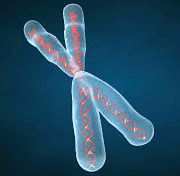

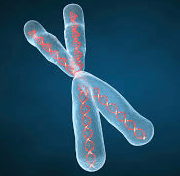


A picture or image of a person's chromosomes taken through a microscope
pedigree
centromere
karyotype
none are correct
Chromosomes that do not determine the sex of an individual
autosomes
sex chromosomes
gametes
chromatids
Determine the sex of an individual and are represented by XX or XY
allosomes
autosomes
somatic cells
diploid cells
Haploid in the number of chromosomes they contain (example: sperm or egg)
somatic cells
muscle cells
gametes
neurons
Made of chromatin and become visible during cell division
chromosomes
histones
mitochondria
nucleosomes

Fruit fly body cells have 8 chromosomes. After mitosis, you would expect a resulting fruit fly daughter cell to have ...
16 chromosomes.
46 chromosomes.
8 chromosomes.
4 chromosomes.


Which phases are in mitosis (select all)?
interphase
prophase
metaphase
cytokinesis
anaphase

how many stages in mitosis
1
2
3
4

During what phase of Mitosis do the chromosomes line up in the Middle
Metaphase
Prophase
Telophase
Anaphase
PMAT helps us remember the correct order of the phases of Mitosis. Which of the following has the phases of Mitosis in the correct Order
Interphase, Mitosis, Cytokinesis
Prophase, Metaphase, Anaphase, Prophase
Anaphase, Telophase, Prophase, Telophase
Prophase, Metaphase, Anaphase, Telophase
In which phase of Mitosis do the Chromosomes pull Apart
Metaphase
Prophase
Anaphase
Telophase
What is the purpose of Mitosis?
Growth of an organism and Repair of damaged tissue
To help the body get rid of extra cells
To increase the amount of classwork you have to do
To get rid of the nucleus
What is the correct order of the cell cycle?
Interphase, Cytokinesis, Mitosis
Interphase, Mitosis, Cytokinesis
Cytokinesis, Mitosis, Interphase
Anaphase, Telophase, Cytokinesis
One difference between cell division in plant and animal cells is during cytokinesis plant cells have —
cleavage
a cell plate
chromosomes
centrioles
A tomato plant cell has 24 chromosomes. How many chromosomes will each daughter cell have after the cell undergoes a mitotic division?
6 chromosomes each
12 chromosomes each
24 chromosomes each
48 chromosomes each


Check the two correct boxes:
Plant Cell - cell plate; Animal Cell - cleavage furrow
Plant Cell - cleavage furrow; Animal Cell - cell plate


What phase of mitosis is shown in the picture?
Metaphase
Anaphase
Prophase
Telophase

INCREASES GENETIC VARIATION
TAKES PLACE IN PROPHASE I
CROSSING OVER
ALL ARE TRUE

CROSSING OVER INCREASES
LIFE SPAN
GENETIC VARIATION
THE NUMBER OF OFF-SPRING
ALL ARE TRUE

CROSSING OVER TAKES PLACE DURING
PROPHASE II
PROPHASE I
INTERPHASE
METAPHASE I
WHAT TYPE OF CELLS STORE THE GENETIC INFORMATION THAT IS PASSED TO OFF-SPRING
BODY CELLS
MITOSIS
EGG
SPERM
EGG AND SPERM
MEIOSIS
REDUCES THE NUMBER OF CHROMOSOMES BY ONE HALF
PRODUCES UNIQUE SEX CELLS-1N
ALLOWS TRAITS TO BE PASSED TO OFFSPRING
ALL ARE TRUE
INCREASE GENETIC VARIATION
FERTILIZATION OCCURS WHEN
THE SPERM UNITES WITH THE EGG
THE SPERM UNDERGO MEIOSIS
THE EGG UNDERGOES MEIOSIS
THE EGG AND SPERM UNDERGOES MEIOSIS
MEIOSIS PRODUCES 4 CELLS-THE CHROMOSOME NUMBER IS ...
DIPLOID
HAPLOID
NORMAL HUMANS HAVE 46 CHROMOSOMES, HOW MANY WILL THE GERM CELLS HAVE AFTER MEIOSIS?
46
23
12
92

Prophase
Interphase
Anaphase
Telophase



