
 Worksheets
6th MISA Review
Total questions: 89
Worksheet time: 45mins
Name
Class
Date
1.

Which climate zone receives the least amount of sunlight?
a)
Temperate
b)
Tropical
c)
Polar
d)
Sub-tropical
2.

Warm air _____.
a)
sinks
b)
rises
c)
originates at the poles
d)
is red
3.

Cold air is _____ than warm air.
a)
more dense
b)
is always blue
c)
originates at the equator
d)
is less dense
4.

Wind is one cause of ______.
a)
ocean tides
b)
rain storms
c)
surface ocean currents
d)
deep ocean currents
5.

The Coriolis effect causes fluids to appear to _______.
a)
rise
b)
sink
c)
float
d)
bend
6.

What continent is in the polar zone?
a)
United States
b)
South America
c)
Africa
d)
Antartica
7.

The bands on Jupiter are caused by its ________.
a)
convection cells
b)
conduction cells
c)
radiation cells
d)
orbital path
8.

Imaginary parallel lines on maps are __________.
a)
lines of longitude
b)
the Prime Meridian
c)
lines of latitude
d)
the Greenwich Meridian
9.

The United States is found in which climate zone?
a)
Temperate
b)
Tropical
c)
Polar
d)
Sub-tropical
10.

A _______ is a solid, naturally formed substance that always has the same composition.
a)
rock
b)
carbon
c)
mineral
d)
water
11.

___________ rocks are formed when magma cools.
a)
Sedimentry
b)
Igneous
c)
Metamorphic
d)
Mineral
12.

When igneous rock breaks apart (weathers), it forms ___________.
a)
sedimentry rocks
b)
metamorphic rocks
c)
sediments
d)
crystals
13.

________ is an example of a metamorphic rock.
a)
Pumice
b)
Limestone
c)
Sandstone
d)
Marble
14.

One example of a sedmentary rock is ____________.
a)
pumice
b)
obsidian
c)
sandstone
d)
marble
15.

Salt crystals form when _______________.
a)
magma cools
b)
sandstone is heated
c)
sandstone weathers
d)
water evaporates
16.

Which of the following are formed from minerals mixed together?
a)
Sandstone
b)
Granite
c)
Marble
d)
All of the above
17.

A ___________ is where two tectonic plates meet and one gets pushed underneath the other.
a)
rift zone
b)
subduction zone
c)
transform fault
d)
rock layer
18.

The __________ describes the process by which rocks change forms.
a)
rock cycle
b)
water cycle
c)
igneous cycle
d)
metamorphic process
19.

________ are layers of sedimentary rock.
a)
Pumice
b)
Crystals
c)
Strata
d)
Magma
20.

Scientists use ______ dating to figure out the exact age of something.
a)
relative
b)
chemical
c)
absolute
d)
rock
21.

The geologic time scale represents Earth's ________ year history.
a)
2.5 million
b)
9 million
c)
1 billion
d)
4.6 billion
22.

Paleontologists study ______.
a)
fossils
b)
earthquakes
c)
plate tectonics
d)
glaciers
23.

The breaking down of rocks into smaller pieces is called _________.
a)
fossils
b)
weathering
c)
erosion
d)
intrusion
24.

Rock made from sediment compacted by the weight of sediment layers above are called __________ rock.
a)
intrusion
b)
metamorphic
c)
sedimentary
d)
volcanoes
25.

Scientists use ______ to help figure out geologic time.
a)
earthquakes
b)
plate tectonics
c)
rock layers
d)
erosion
26.

When sediment is moved around by wind or water it is called ________.
a)
erosion
b)
weathering
c)
relative
d)
fossils
27.

A ________ is a scientist that studies the composition of the Earth, including rock layers.
a)
biologist
b)
paleontologist
c)
chemist
d)
geologist
28.

________ are evidence of past life.
a)
Intrusions
b)
Fossils
c)
Meteorites
d)
Cells
29.

Dinosaurs lived in the ___________ era.
a)
Mesozoic
b)
Paleozoic
c)
Cenozoic
d)
Neozoic
30.

What is the process of matter changing from a solid to a liquid?
a)
Crystallization
b)
Evaporation
c)
Melting
d)
Condensation
31.

What is the process of matter changing from a liquid to a solid?
a)
Crystallization
b)
Evaporation
c)
Melting
d)
Condensation
32.

What is the process of matter changing from a gas to a liquid?
a)
Crystallization
b)
Evaporation
c)
Melting
d)
Condensation
33.

What is the process of matter changing from a liquid to a gas?
a)
Crystallization
b)
Evaporation
c)
Melting
d)
Condensation
34.

What is the process of water falling out of the atmosphere?
a)
Groundwater flow
b)
Precipitation
c)
Water collection
d)
Cloud formation
35.

What is the process of water flowing under the Earth's surface?
a)
Groundwater flow
b)
Precipitation
c)
Water collection
d)
Cloud formation
36.

________ is water vapor condensing around dust particles into liquid water in the atmosphere.
a)
Groundwater flow
b)
Precipitation
c)
Water collection
d)
Cloud formation
37.

What is the process of forming large bodies of water such as lakes?
a)
Groundwater flow
b)
Precipitation
c)
Water collection
d)
Cloud formation
38.

Which of the following is driven by energy from the sun?
a)
Precipitation
b)
Evaporation
c)
Groundwater flow
d)
Water collection
39.

Which of the following is driven by energy from gravity?
a)
Precipitation
b)
Evaporation
c)
Condensation
d)
Crystallization
40.

The ______ is the layer of the Earth under the crust.
a)
core
b)
mantle
c)
magma
d)
none of the above
41.

Which of these is NOT a type of plate boundary?
a)
Convergent
b)
Divergent
c)
Bivergent
d)
Transform
42.

This is the process of warm liquids rising while cooler liquids sink.
a)
Convection
b)
Subduction
c)
Boiling
d)
Uplift
43.

This type of plate boundary is when two plates slide past each other.
a)
Convergent
b)
Transform
c)
Divergent
d)
Subductive
44.

This type of plate boundary is when two plates crash into each other.
a)
Convergent
b)
Transform
c)
Divergent
d)
Subductive
45.

This type of plate boundary is when two plates move apart.
a)
Convergent
b)
Transform
c)
Divergent
d)
Subductive
46.

This is when two plates converge but one slides under the other due to density.
a)
Uplift
b)
Subduction
c)
Trench
d)
None of the above
47.

When plates converge and form mountains, scientists call it _______.
a)
Uplift
b)
Subduction
c)
Elevation
d)
None of the above
48.

This scientist built most of the evidence for continental drift.
a)
Alfred Wegener
b)
Sean Carroll
c)
Fred Calfred
d)
John Williams
49.

Which of these is a key piece of evidence of contiental drift?
a)
Continent shapes
b)
Fossil record
c)
Rock layers
d)
All of the above
50.

________ pulls objects toward the center of Earth.
a)
Mass
b)
Weight
c)
Gravity
d)
Resistance
51.

Mass is the amount of _____ that makes up an object.
a)
weight
b)
force
c)
gravity
d)
matter
52.

Astronomers study ______.
a)
space
b)
Earth
c)
oceans
d)
gas
53.

______ is the gasses that encircle Earth.
a)
Gravity
b)
Atmosphere
c)
Resistance
d)
Mass
54.

_____can be measured using a scale and can change based on location.
a)
Space
b)
Force
c)
Weight
d)
Mass
55.

The Moon's gravitational force causes ______.
a)
ocean tides
b)
Earth's orbit
c)
dust clouds
d)
atmosphere
56.
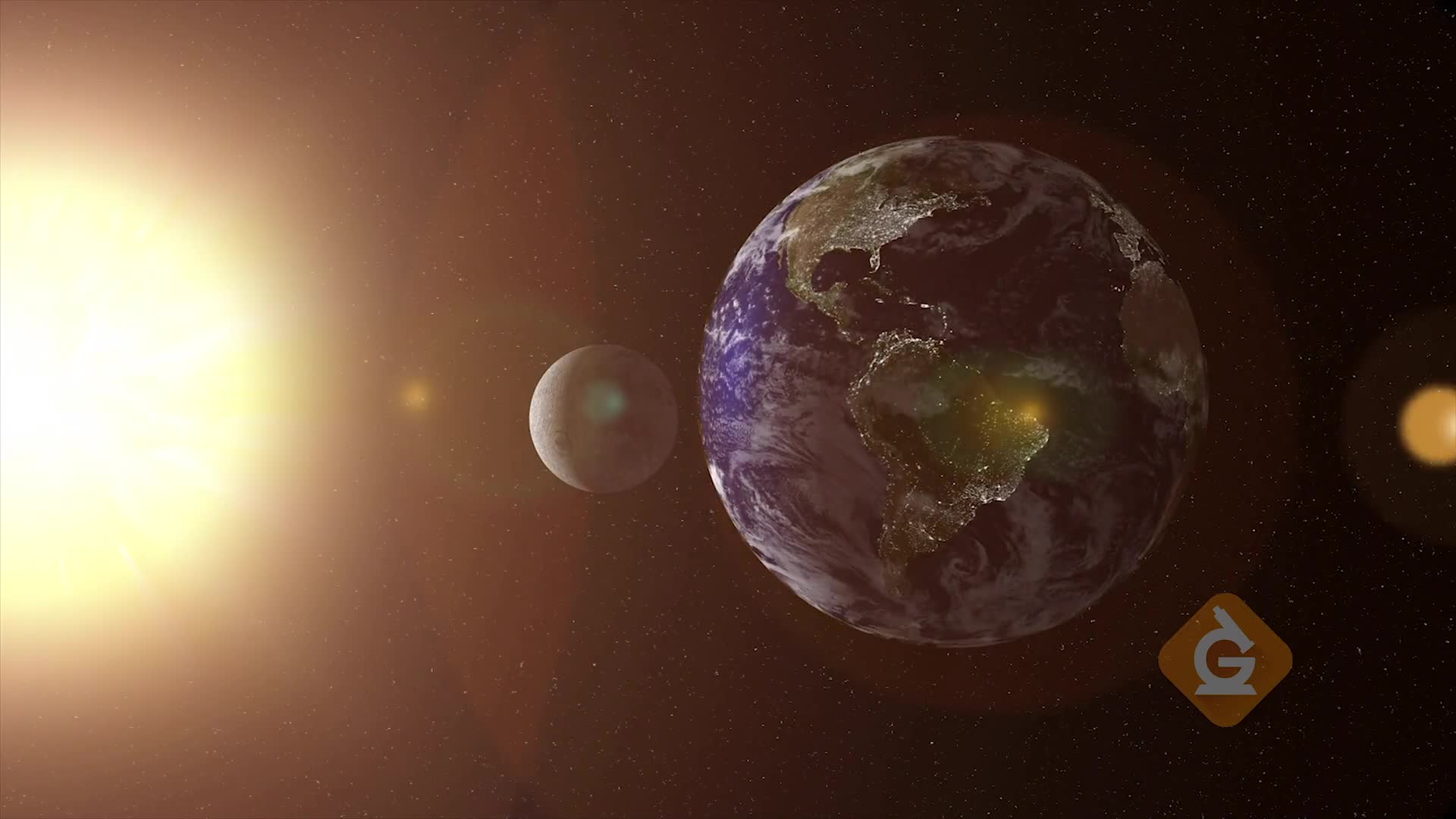
The gravitational force between Earth and the Sun causes ______.
a)
ocean tides
b)
Earth's orbit
c)
Earth's atmosphere
d)
Moon's orbit
57.

______ wrote the universal law of gravity.
a)
Isaac Newton
b)
Galileo
c)
Henry Cavendish
d)
Thomas Edison
58.

Gravity causes all objects to accelerate toward the ______ at the same rate.
a)
Moon
b)
Sun
c)
Earth
d)
ocean
59.

The farther apart two objects are, the _______ the gravitational force.
a)
weaker
b)
stronger
c)
less stable
d)
more stable
60.

For electrical energy to flow, there must be a(n) ______.
a)
good battery
b)
copper wire
c)
on/off switch
d)
closed circuit
61.

Which of the following is NOT a conductor?
a)
Water
b)
Aluminum
c)
Wood
d)
Penny
62.

In a _________ circuit, the components are arranged with one path for the current.
a)
series
b)
parallel
63.

The measure of potential energy stored in a battery is called _________.
a)
potentiometer
b)
capacity
c)
voltage
d)
resistance
64.

Which of the following could NOT be used to speed up the flow of electricity in a circuit?
a)
Potentiometer
b)
Fuse
c)
Transistor
d)
Wire
65.

In a _________ circuit, each component has its own path for the current to flow.
a)
series
b)
parallel
66.

Which of the following is used to prevent too much electricity from flowing through a circuit?
a)
Fuse
b)
Transistor
c)
Capacitor
d)
LED
67.

Which type of circuit would you use in order to turn each component on and off separately?
a)
Series
b)
Parallel
68.

In order to make computers smaller, electrical engineers developed miniature __________.
a)
prosthetics
b)
batteries
c)
LEDs
d)
circuit boards
69.

Pennies can be used to make a battery because they are __________.
a)
conductors
b)
insulators
c)
capacitors
d)
voltage
70.

A compass points north because of the Earth's ________ field?
a)
electrical
b)
gravitational
c)
magnetic
d)
static
71.

What is the area around an object that can attract or repel other objects in that area?
a)
Magnetic Field
b)
Magnetic Fission
c)
Force
d)
Friction
72.

Magnetic fields are created by _______ electric charges.
a)
only positive
b)
only negative
c)
moving
d)
static
73.

Which of these metals is NOT attracted to a magnet?
a)
Aluminum
b)
Cobalt
c)
Iron
d)
Nickel
74.
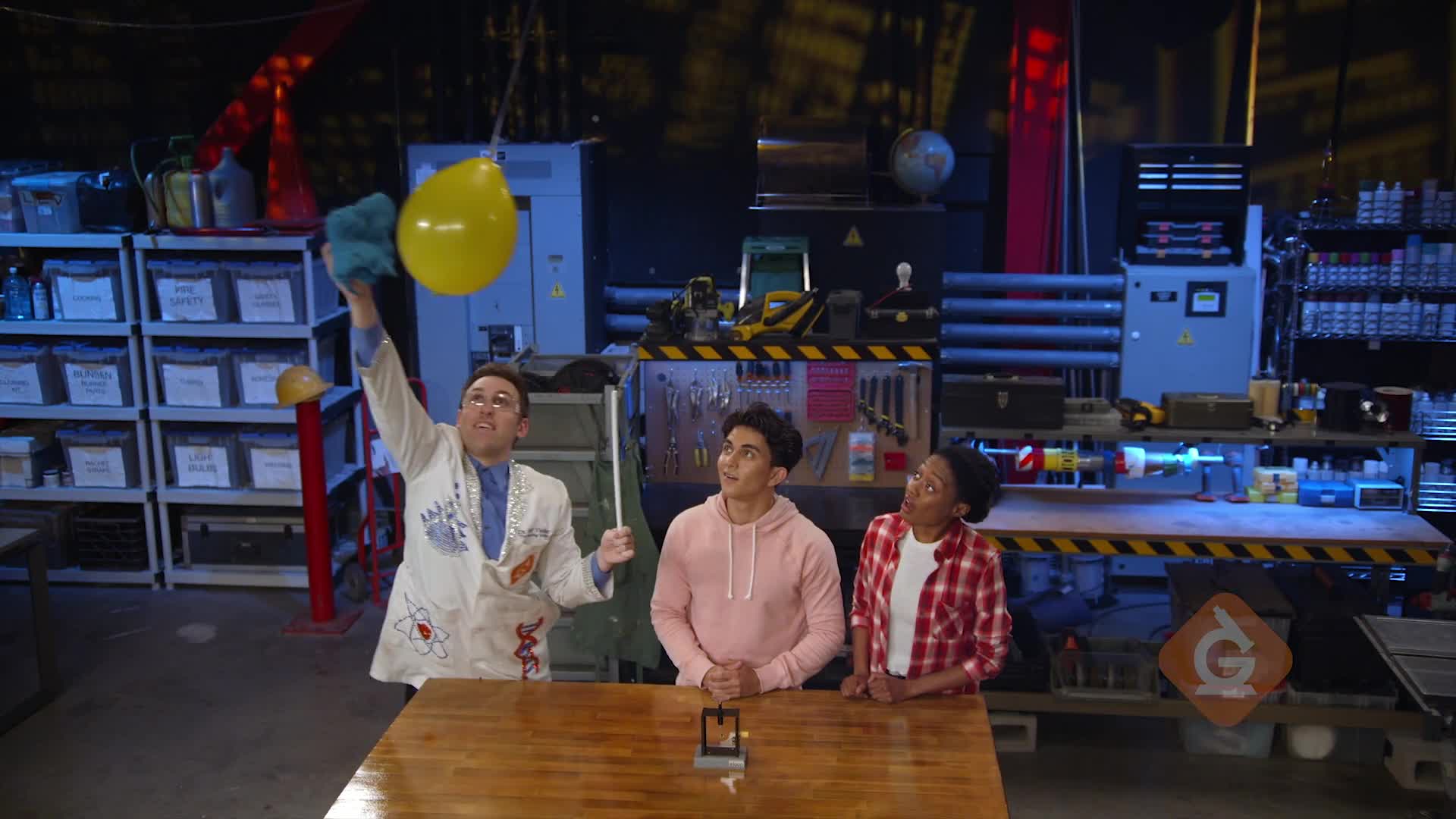
Electric fields are created by _____ electric charges.
a)
only positive
b)
only negative
c)
moving
d)
static
75.

Which type of charge would be attracted to a positively charged object?
a)
Only positive
b)
Only negative
c)
Both
d)
Neither
76.

DECREASING which factor would INCREASE the force on a paper clip by a permanent magnet?
a)
Current
b)
Distance
c)
Magnet size
d)
Magnet strength
77.

Electric fields are usually created when _____ are transferred between objects.
a)
protons
b)
neutrons
c)
electrons
d)
positrons
78.

How can you INCREASE the strength of an electromagnet?
a)
Use more coils
b)
Use less coils
c)
Decrease the amount of electricity
d)
Make the wire thinner
79.

Fields allow objects to exert _____ on each other without touching.
a)
forces
b)
friction
c)
resistance
d)
resonance
80.
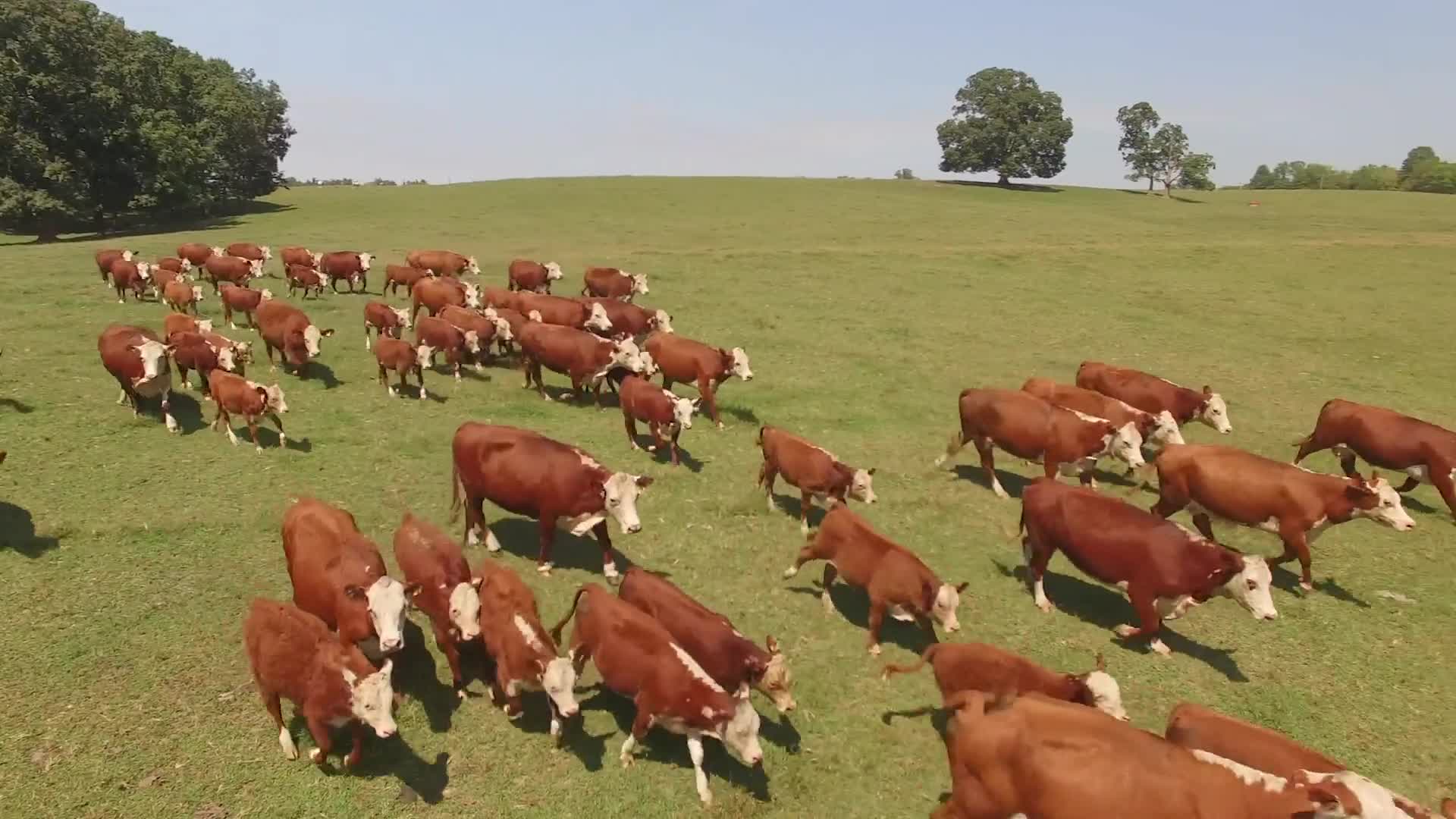
The ____ is made up of all the living things on Earth.
a)
biosphere
b)
geosphere
c)
hydrosphere
d)
atmosphere
81.
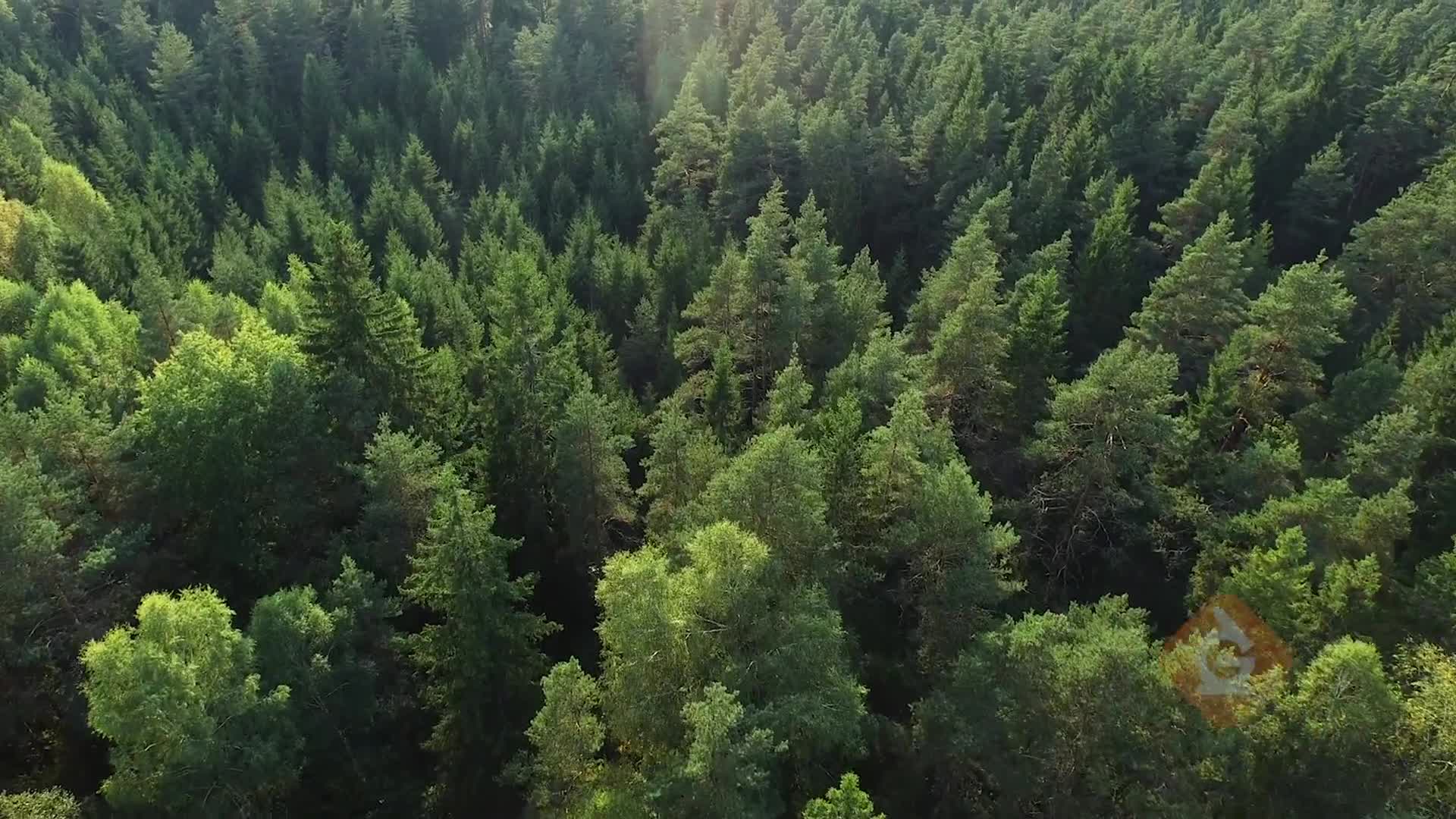
Things that humans use that come from the Earth are called ________.
a)
pollutants
b)
natural resouces
c)
ecosystems
d)
sunlight
82.
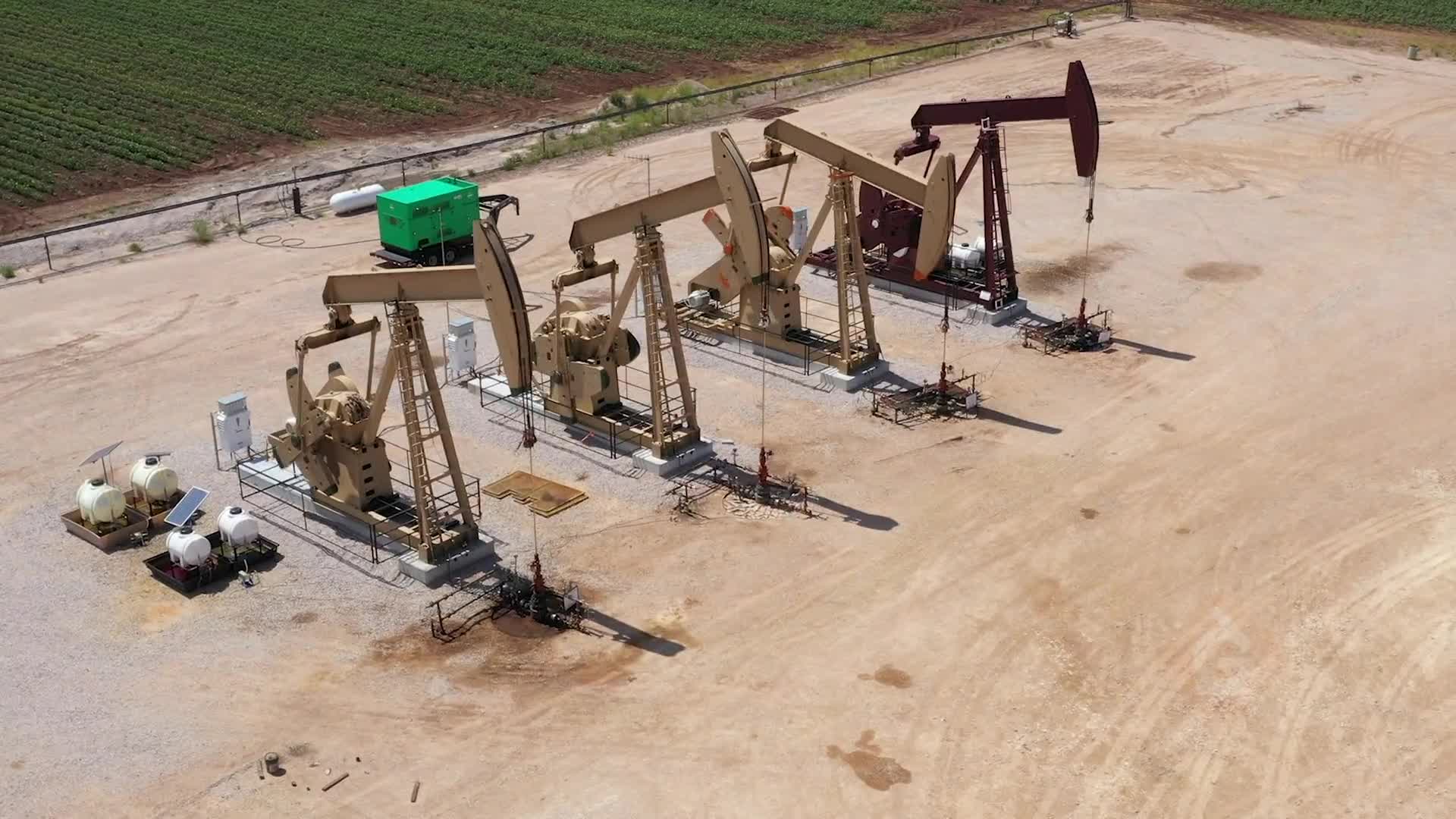
Which of these natural resources do we use for fuel?
a)
Air
b)
Precious metals
c)
Petroleum
d)
Minerals
83.
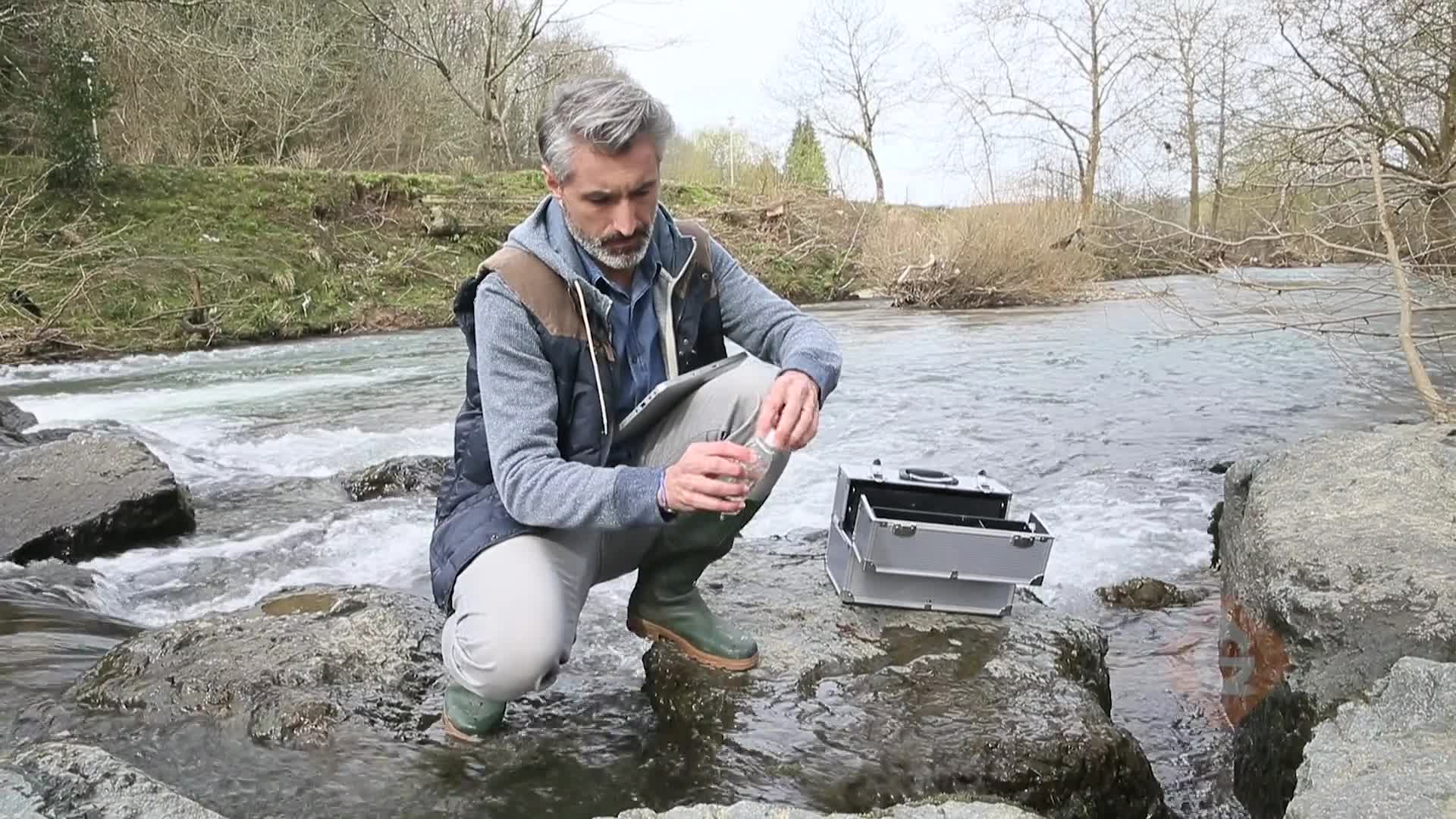
_____are scientists who study how human activities affect living things.
a)
Chemists
b)
Botanists
c)
Virologists
d)
Biologists
84.
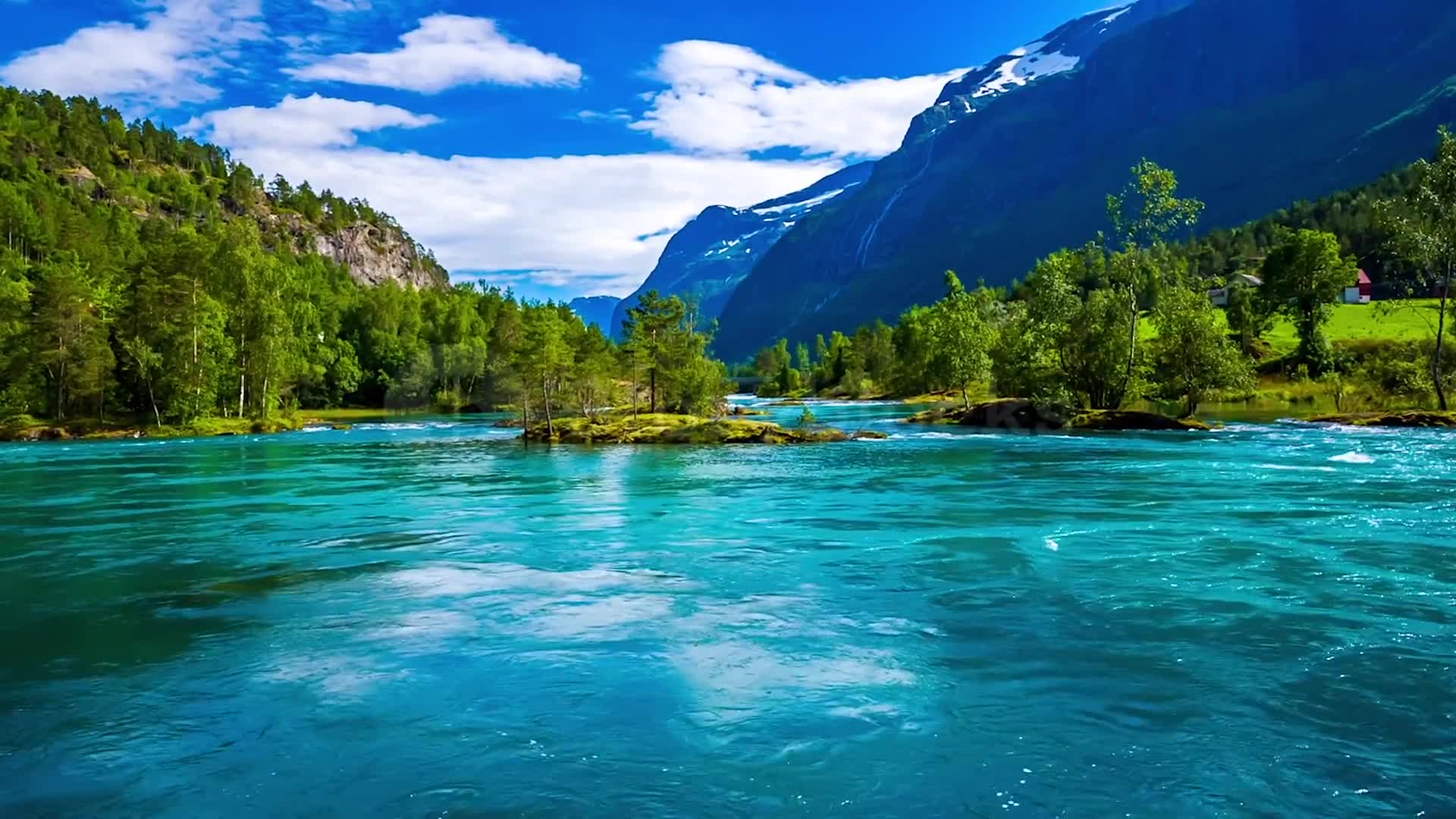
The____ is all the water on Earth.
a)
biosphere
b)
geosphere
c)
atmosphere
d)
hydrosphere
85.
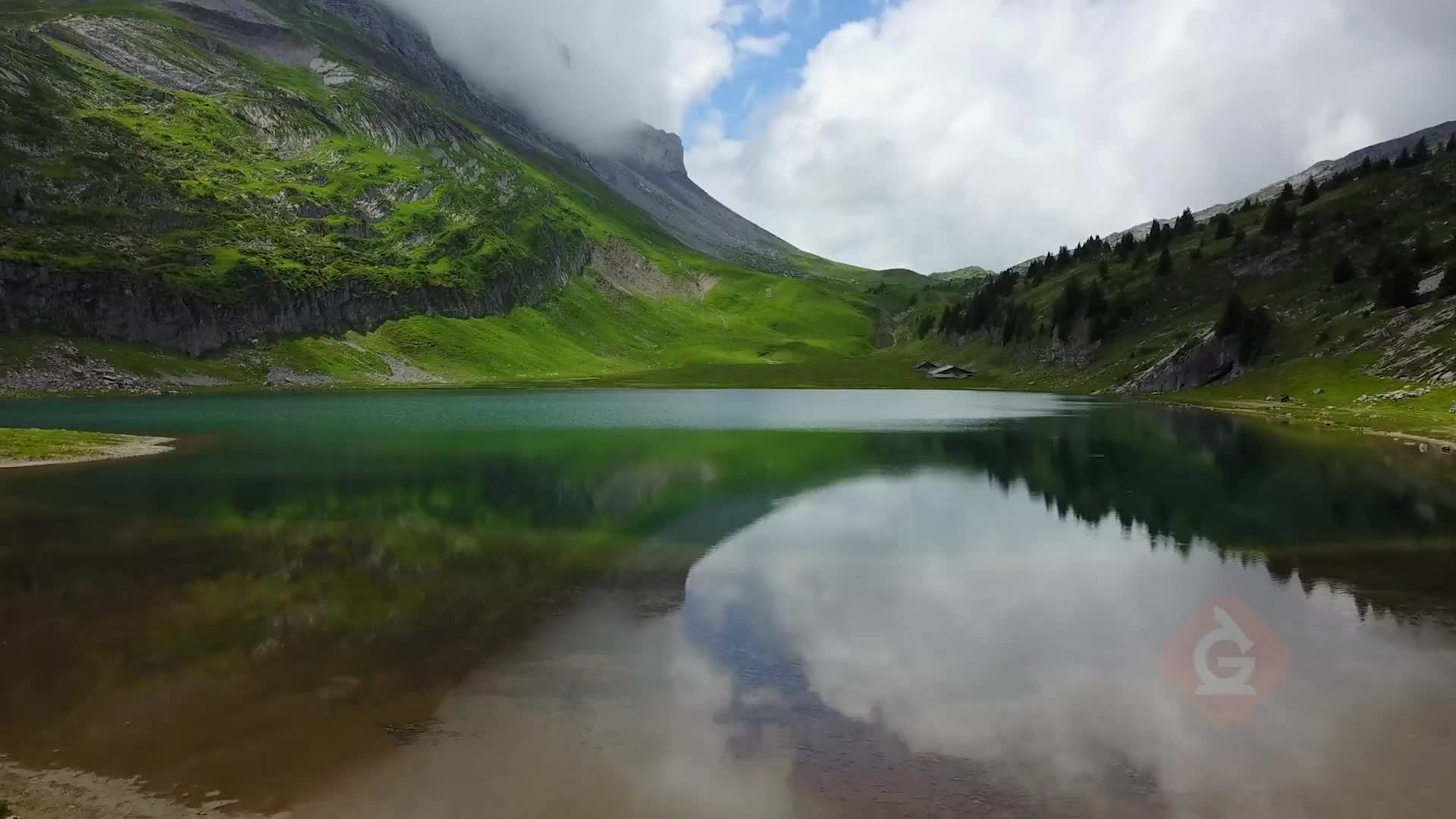
Sunlight, wind, and water are considered ____resources.
a)
renewable
b)
fossil
c)
nonrenewable
d)
nonliving
86.
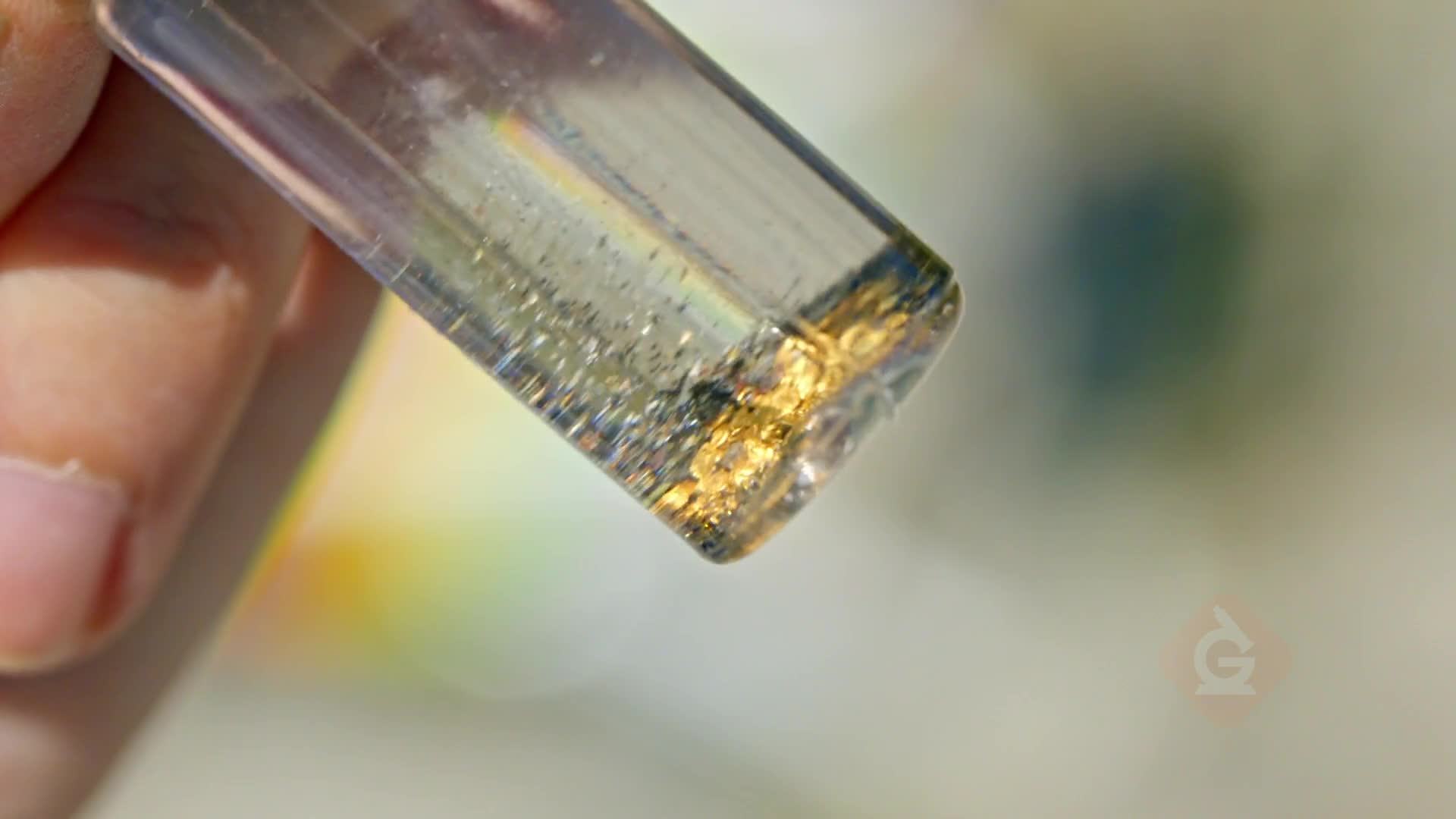
Natural resources like gold and diamonds are considered ________ because they are hard to find.
a)
renewable
b)
rare
c)
easy
d)
special
87.
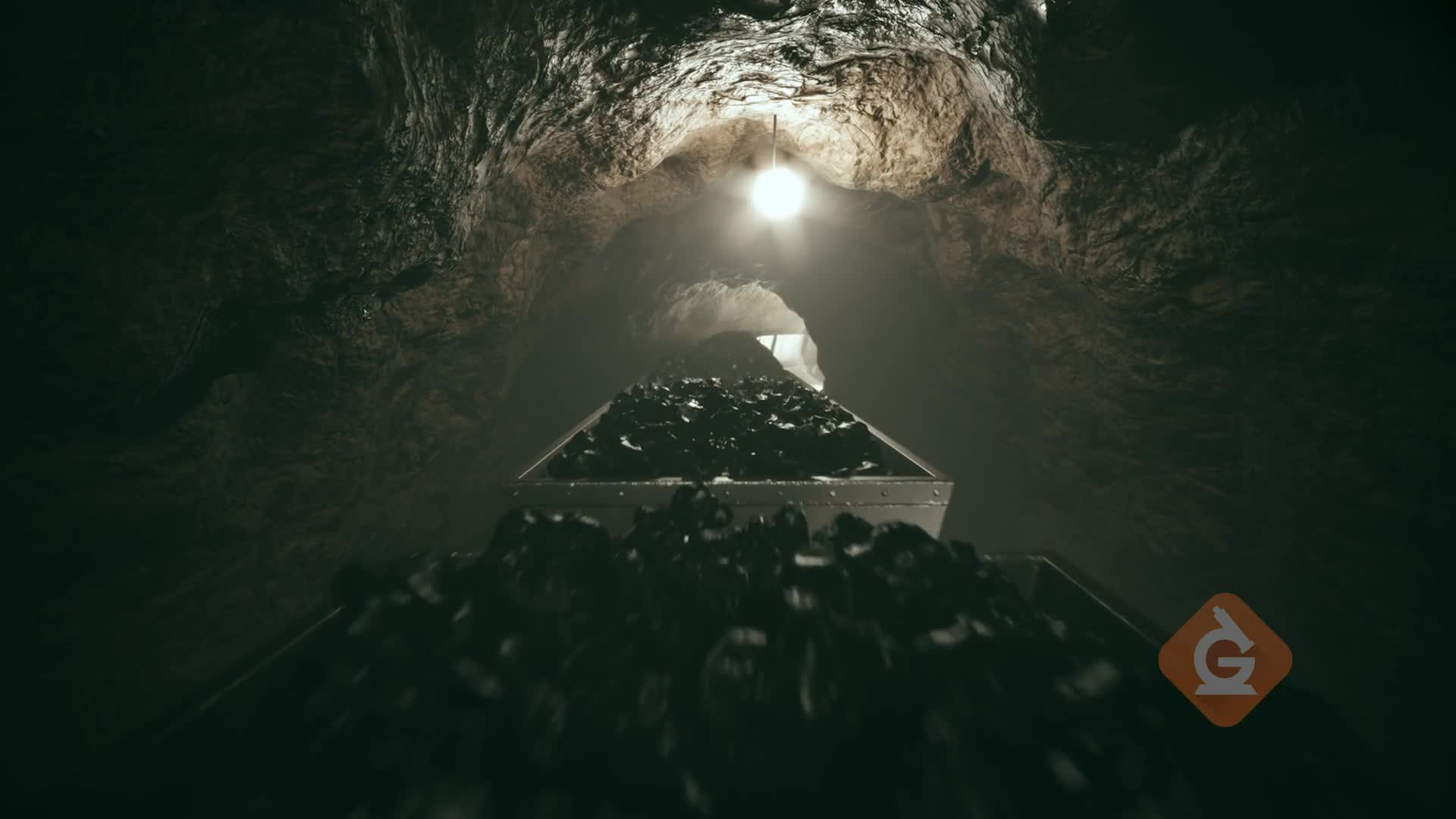
_____ resources are resources that cannot be replenished within a lifetime.
a)
Renewable
b)
Endangered
c)
Nonrenewable
d)
Living
88.
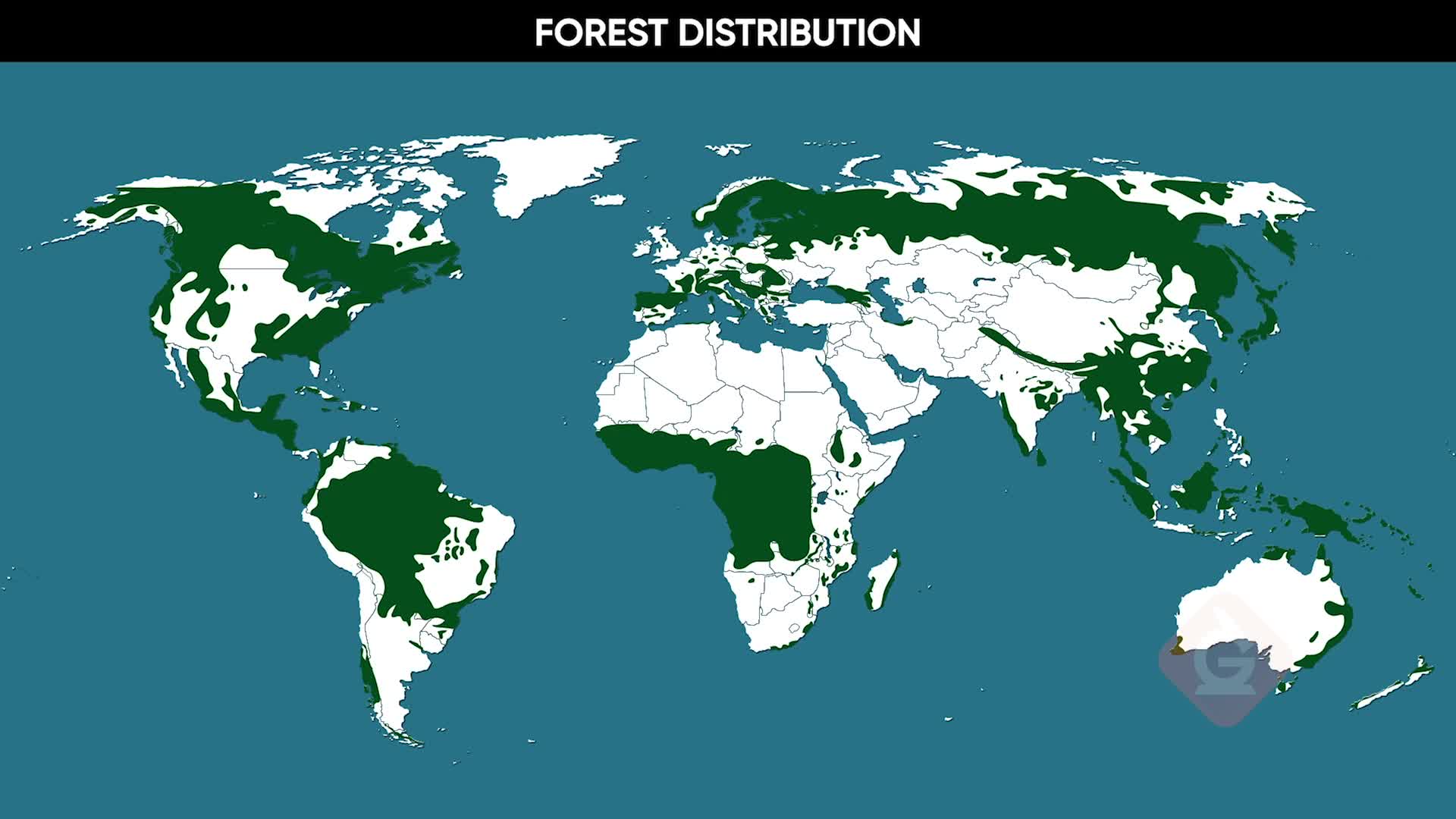
Natural resources are distributed ____across the Earth.
a)
safely
b)
easily
c)
unequally
d)
underground
89.
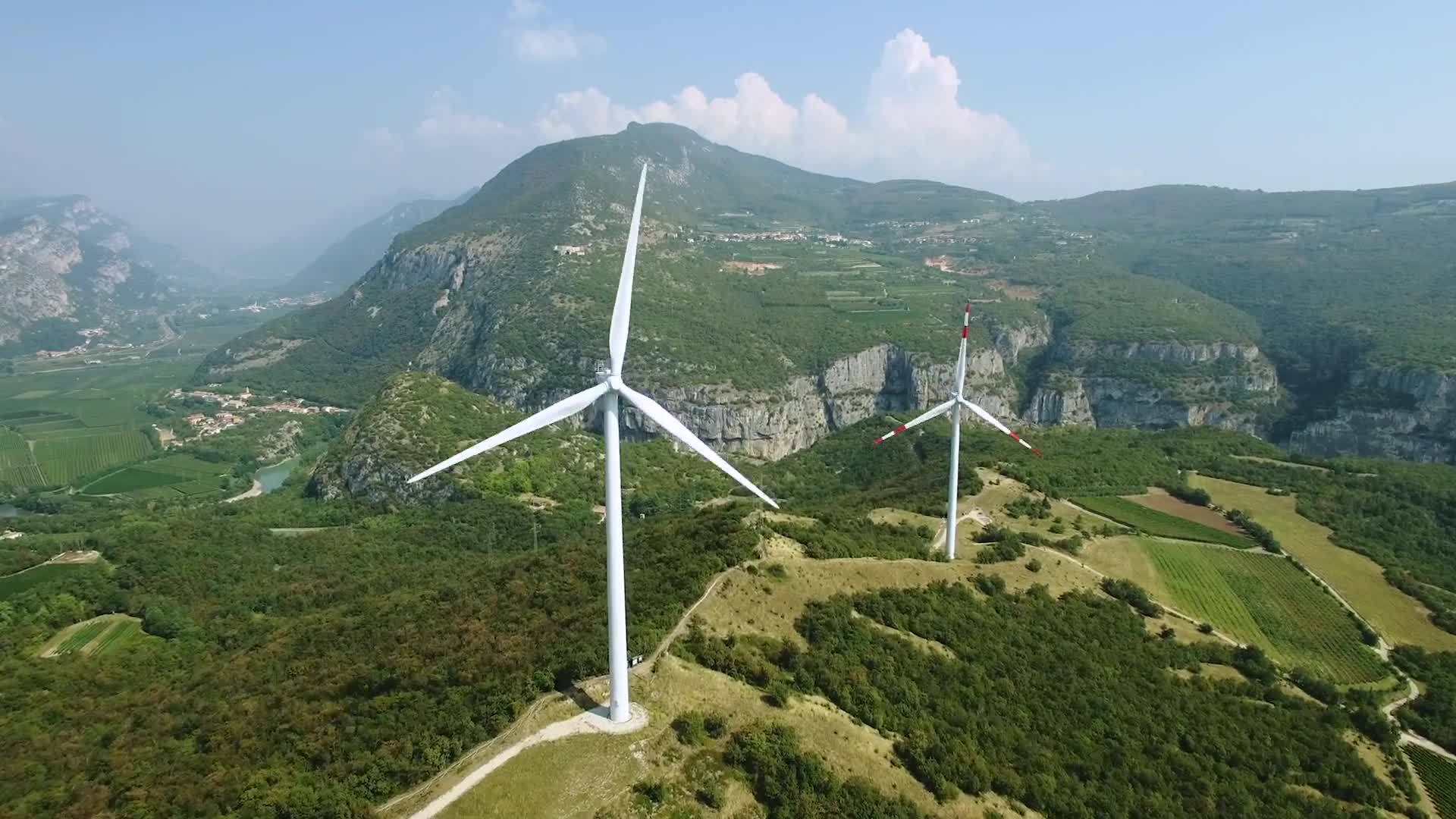
The air we breathe is part of the _____.
a)
biosphere
b)
atmosphere
c)
hydrosphere
d)
geosphere
100 %

