
 Worksheets
7th MISA Review
Total questions: 80
Worksheet time: 40mins
Name
Class
Date
1.

Living things depend on many different _________ in order to survive.
a)
resources
b)
environments
c)
ecosystems
d)
interactions
2.

Environments include both _____ and _____ things.
a)
resources; factors
b)
air; water
c)
living; nonliving
d)
buildings; animals
3.

For populations to continue to survive, some organisms in the population must _________.
a)
grow
b)
reproduce
c)
eat
d)
die
4.

Characteristics such as height, hair color, and eye color are ________ factors.
a)
environmental
b)
ecosystem
c)
population
d)
genetic
5.

Ecosystems depend on organisms to ________ with each other to maintain stability.
a)
interact
b)
build
c)
eat
d)
grow
6.

Organisms are the ________ things in an ecosystem.
a)
factors
b)
nonliving
c)
resources
d)
living
7.

Air, water, and sunlight are all ________ components of an ecosystem.
a)
factors
b)
nonliving
c)
man-made
d)
living
8.

Wildlife biologists study _____.
a)
populations in ecosystems
b)
only wild animals
c)
only plants
d)
farm animals
9.

Plants compete for air, water, ________ within ecosystems.
a)
space, and sound
b)
sunlight, and wind
c)
space, and sunlight
10.

An invasive species is a plant or animal that is ________ to an ecosystem.
a)
not native
b)
just visiting
c)
beneficial
d)
not friendly
11.

What do scientists call the parts of a cell?
a)
Pieces
b)
Sections
c)
Organelles
d)
None of the above
12.

Which of these is a unicellular organism?
a)
Fish
b)
Worm
c)
Amoeba
d)
Ant
13.

Which part of an onion root cell gives it a brick-like structure?
a)
Cell membrane
b)
Cell wall
c)
Vacuole
d)
Chloroplast
14.

The DNA of a cell is found in the __________.
a)
mitochondria
b)
lysosome
c)
nucleus
d)
vacuole
15.

What do you call the gooey liquid in a cell?
a)
Lysosome
b)
Mitochondria
c)
Chloroplast
d)
Cytoplasm
16.

Which of these organelles do animal cells not have?
a)
Nucleus
b)
Chloroplasts
c)
Cell membrane
d)
Lysosome
17.

This organelle is often referred to as the power house of the cell.
a)
Mitochondria
b)
Lysosome
c)
Chloroplast
d)
Vacuole
18.

This organelle is where plants do photosynthesis.
a)
Mitochondria
b)
Lysosome
c)
Chloroplast
d)
Vacuole
19.

This organelle is the trash and recycling center of a cell.
a)
Mitochondria
b)
Lysosome
c)
Chloroplast
d)
Vacuole
20.

Which organelle is on the outside of an animal cell?
a)
Cell wall
b)
Cell membrane
c)
Cellular lining
d)
Cytoplasm
21.
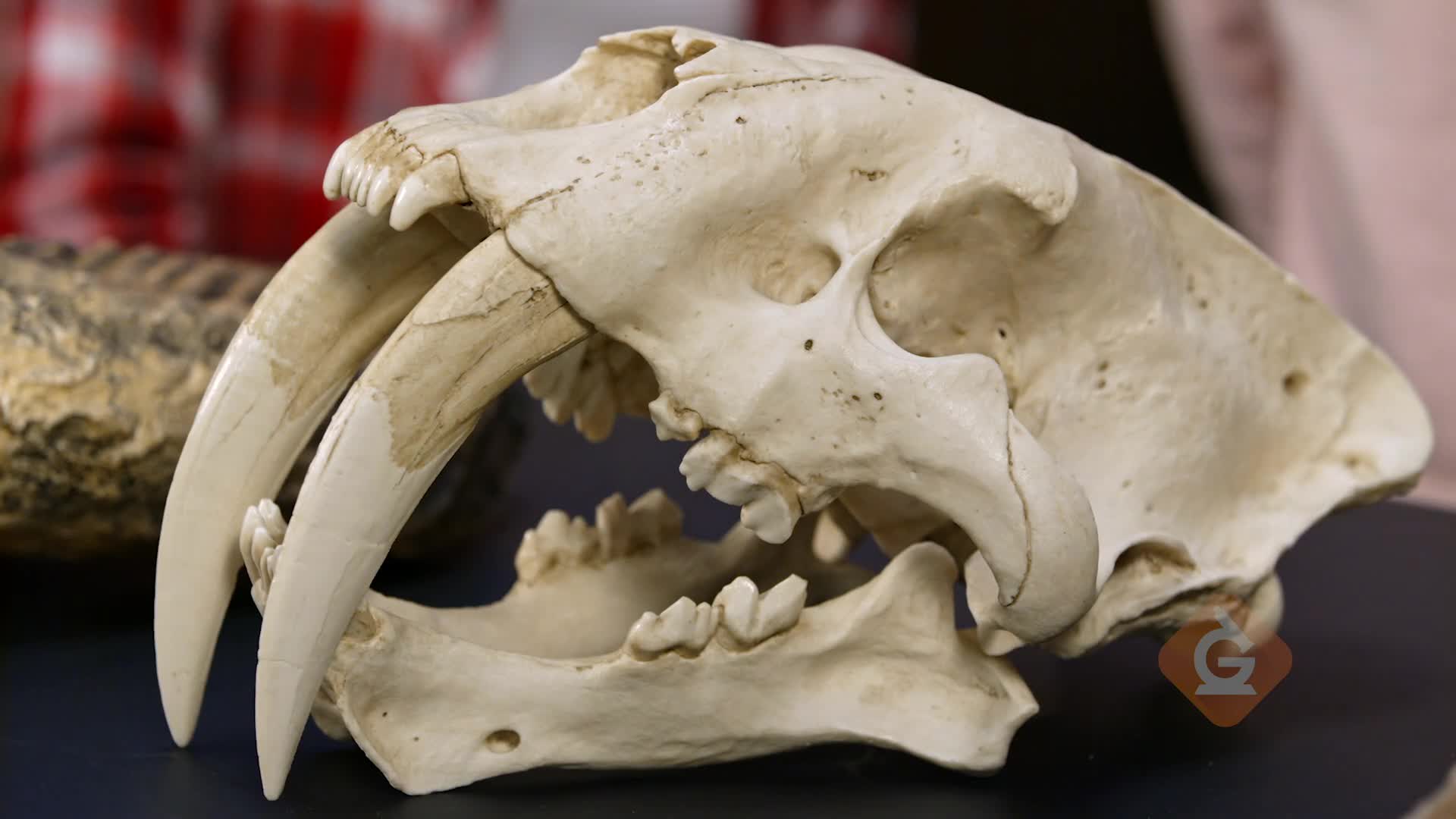
A fossil is ____________.
a)
evidence of past life
b)
part of the fossil record
c)
found in sedimentary rock
d)
all of the above
22.
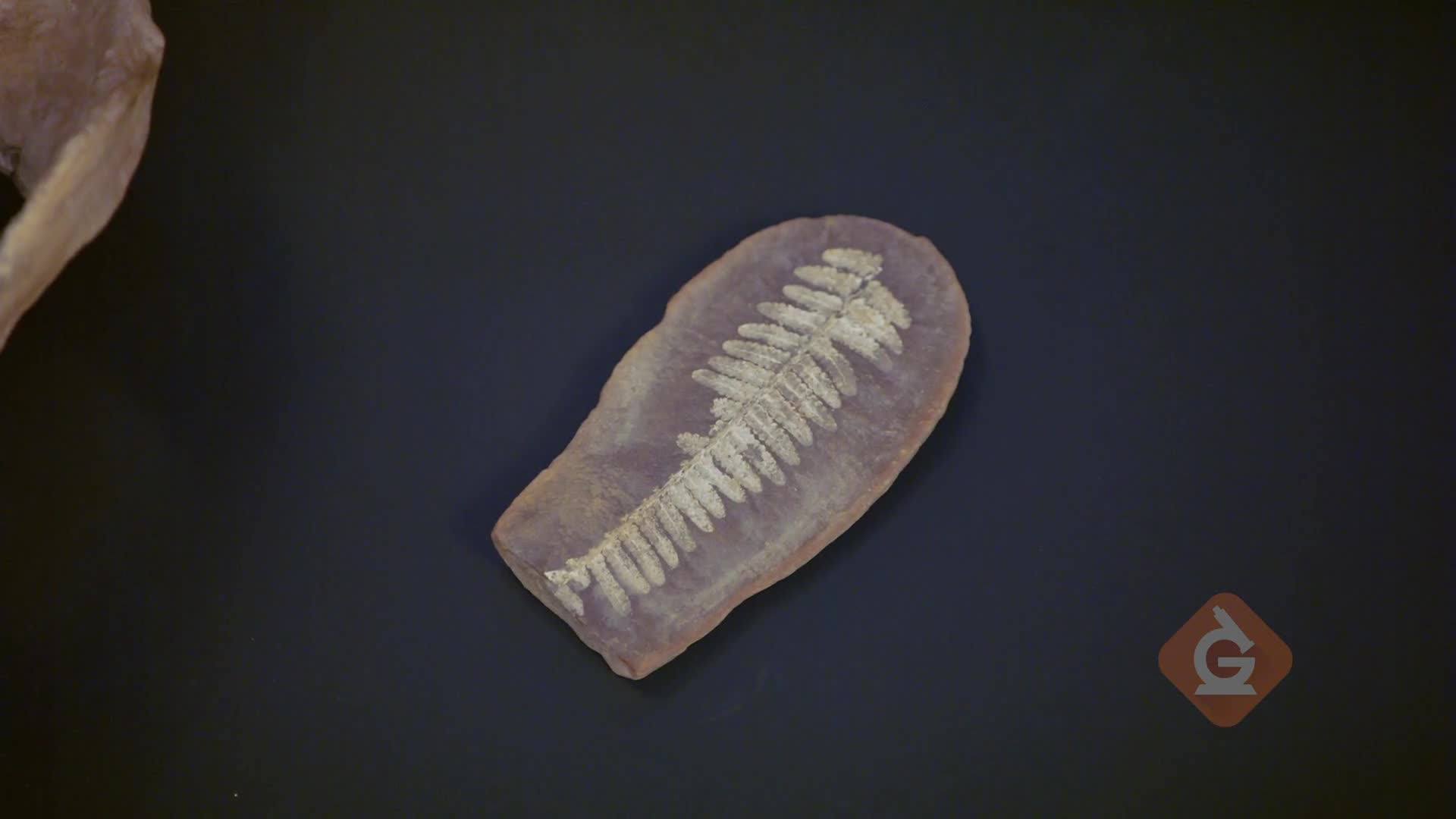
_______ fossils can provide information about how organisms moved, rested, burrowed, etc.
a)
Mold
b)
Cast
c)
Trace
d)
Replacement
23.
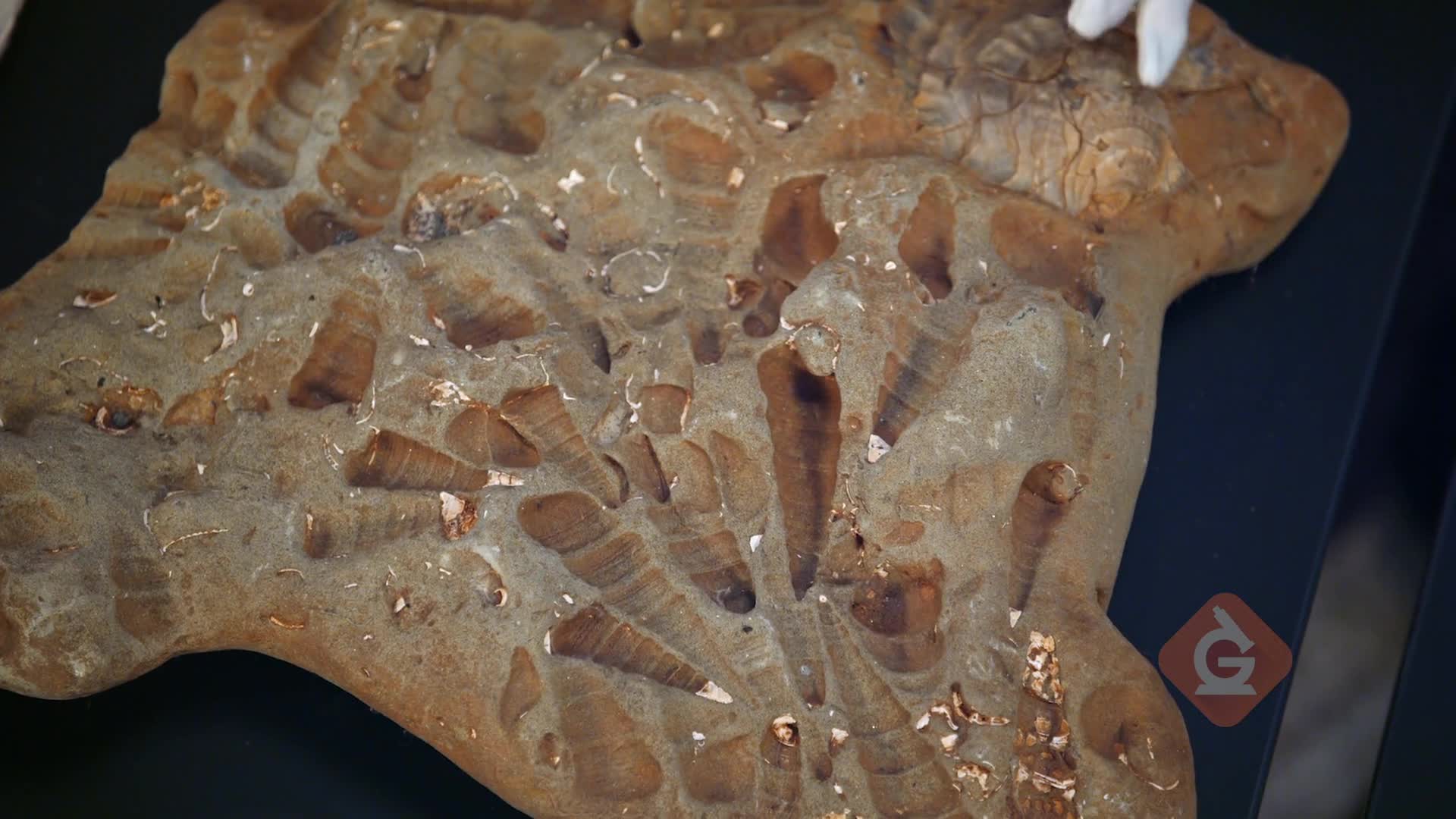
______ fossils are spaces in rock created by decayed and/or dissolved animal and plant remains.
a)
Mold
b)
Cast
c)
Trace
d)
Imprint
24.
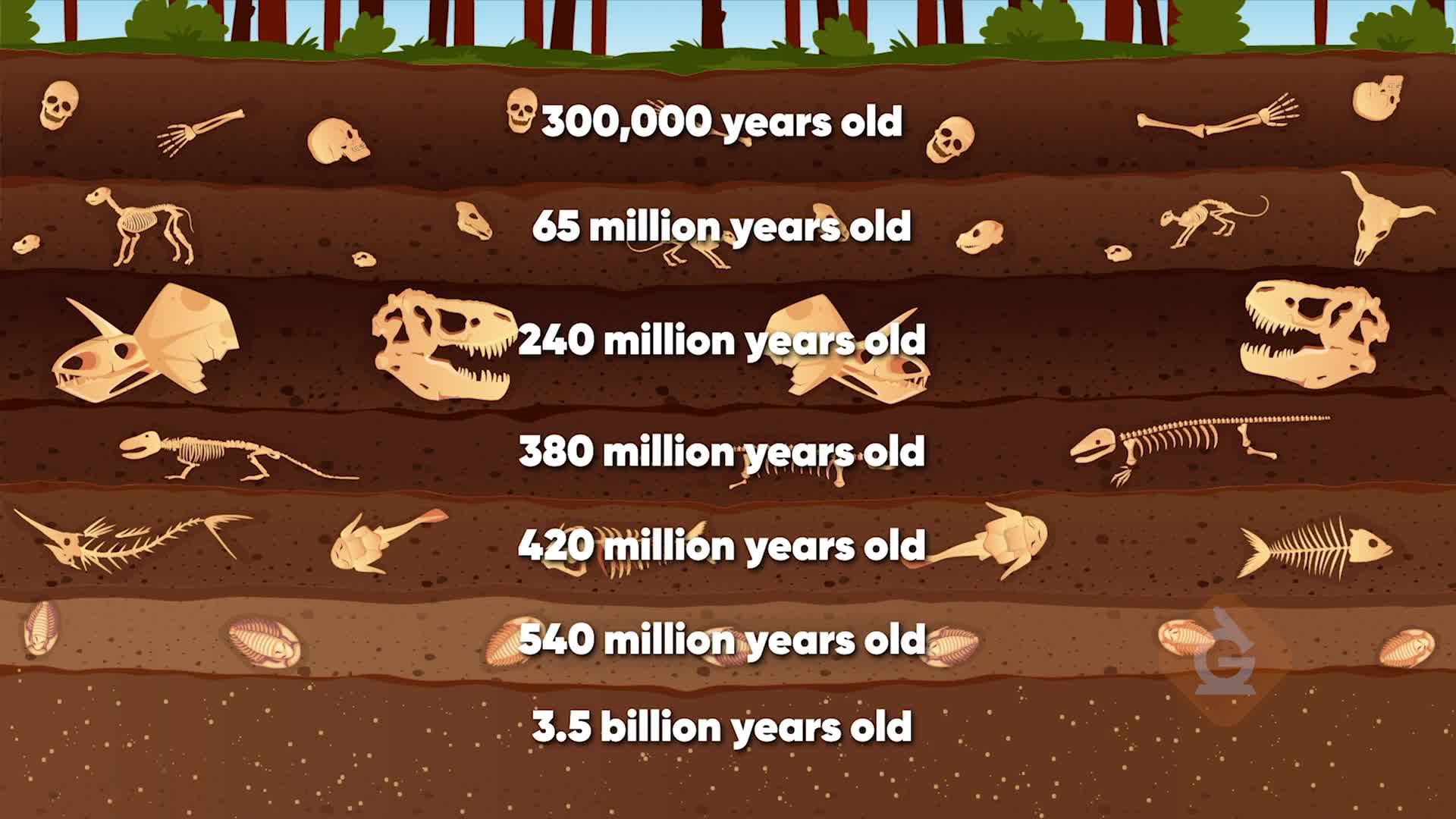
The order of rock ________ help paleontologists tell how old a fossil is relative to another.
a)
strata
b)
molds
c)
types
d)
casts
25.
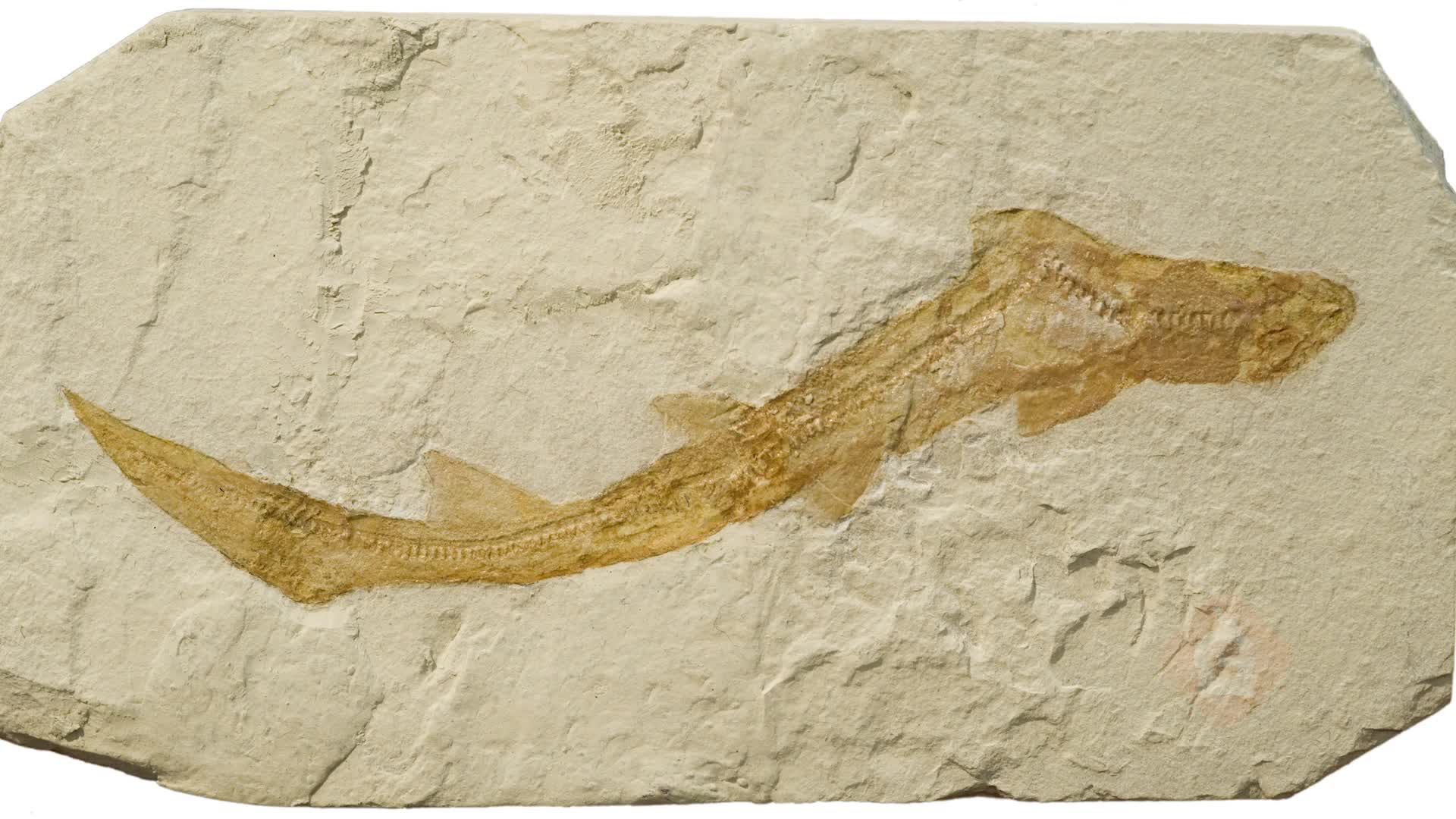
Fish evolved ________ dinosaurs.
a)
before
b)
after
c)
before and after
d)
in between
26.
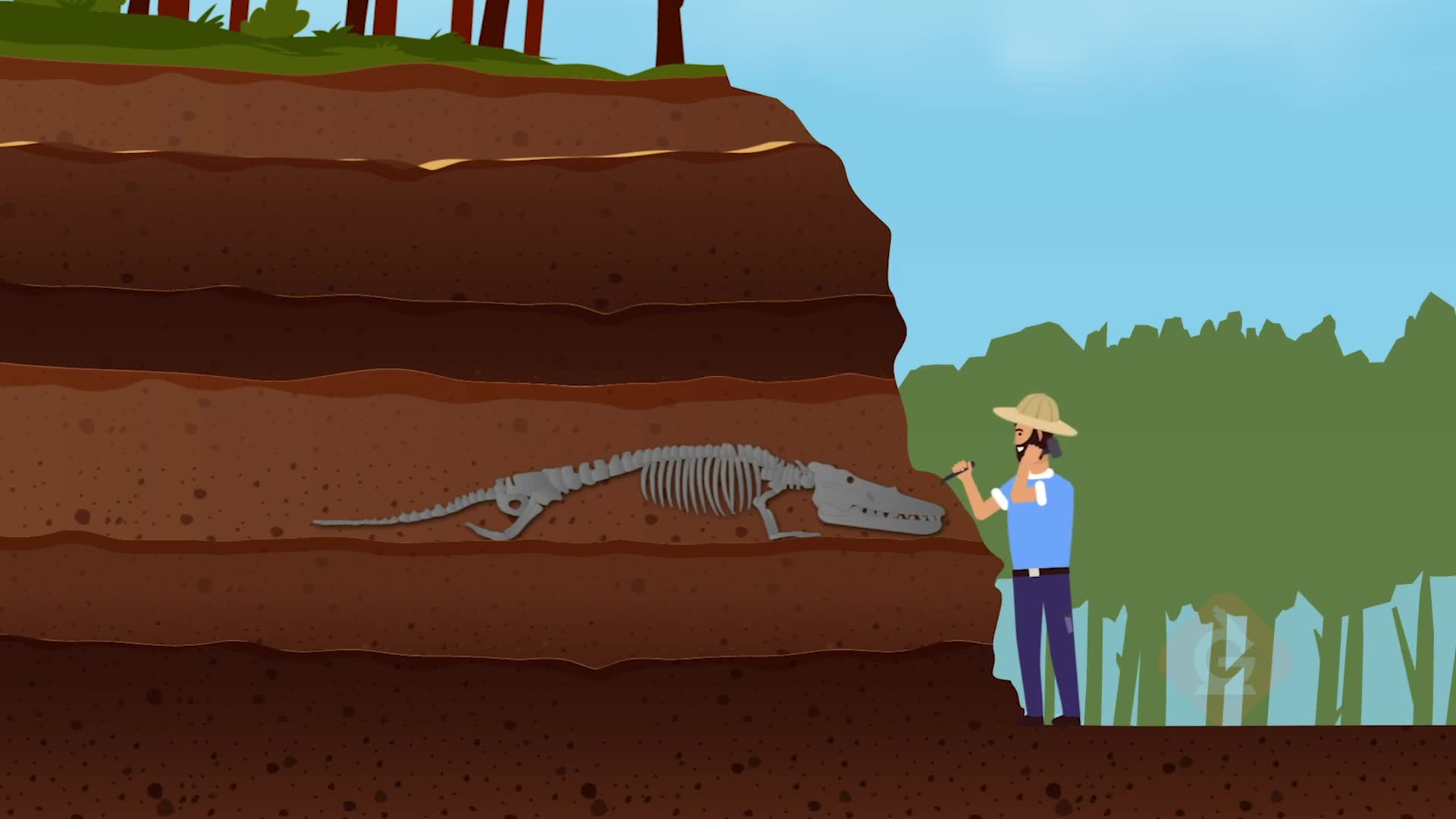
Geologic processes such as _______ help expose fossils once buried.
a)
volcanic eruptions
b)
compaction
c)
blizzards
d)
earthquakes
27.
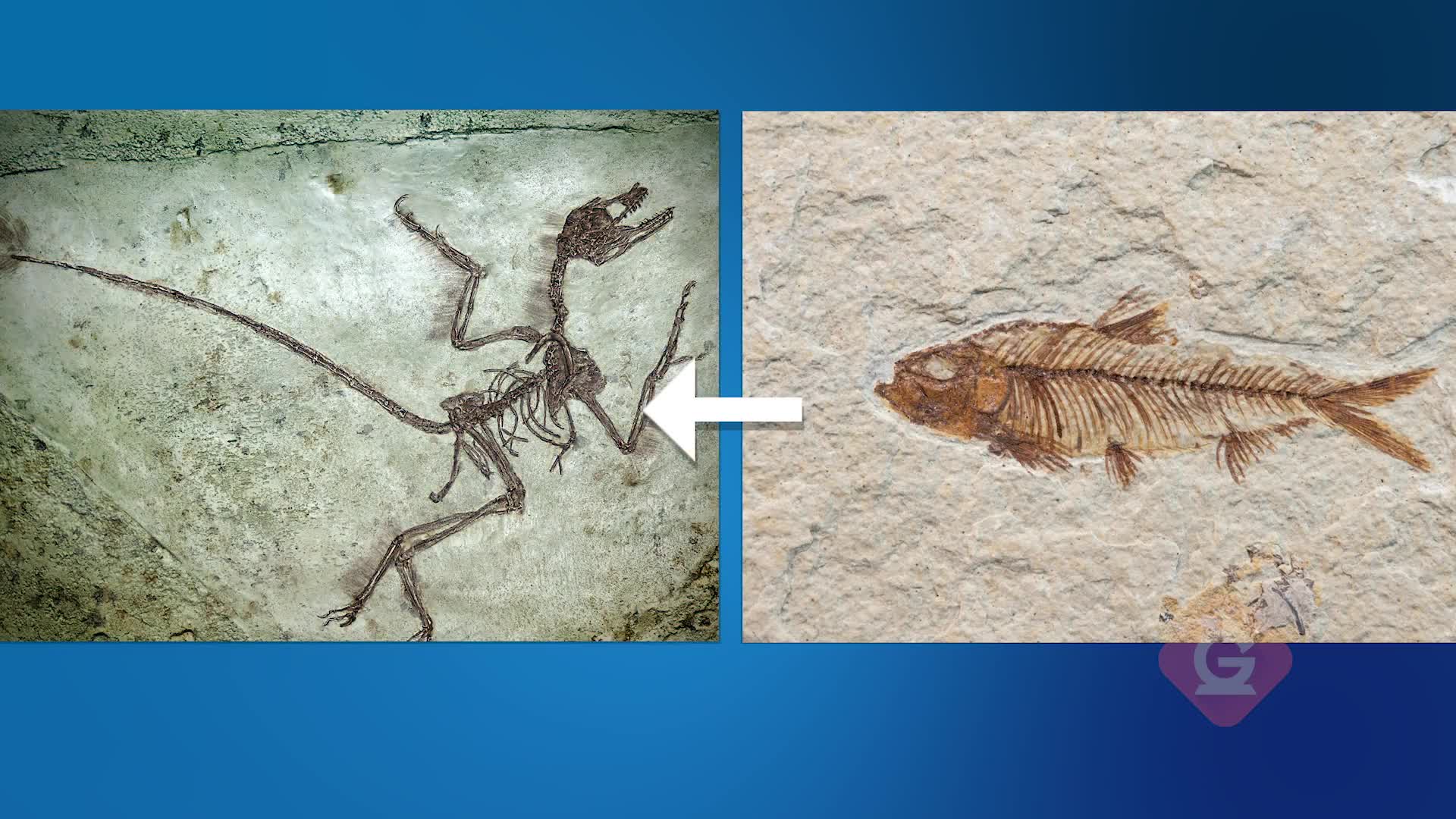
As time goes on, specimens in the fossil record become more _________.
a)
confusing
b)
common
c)
complex
d)
simple
28.
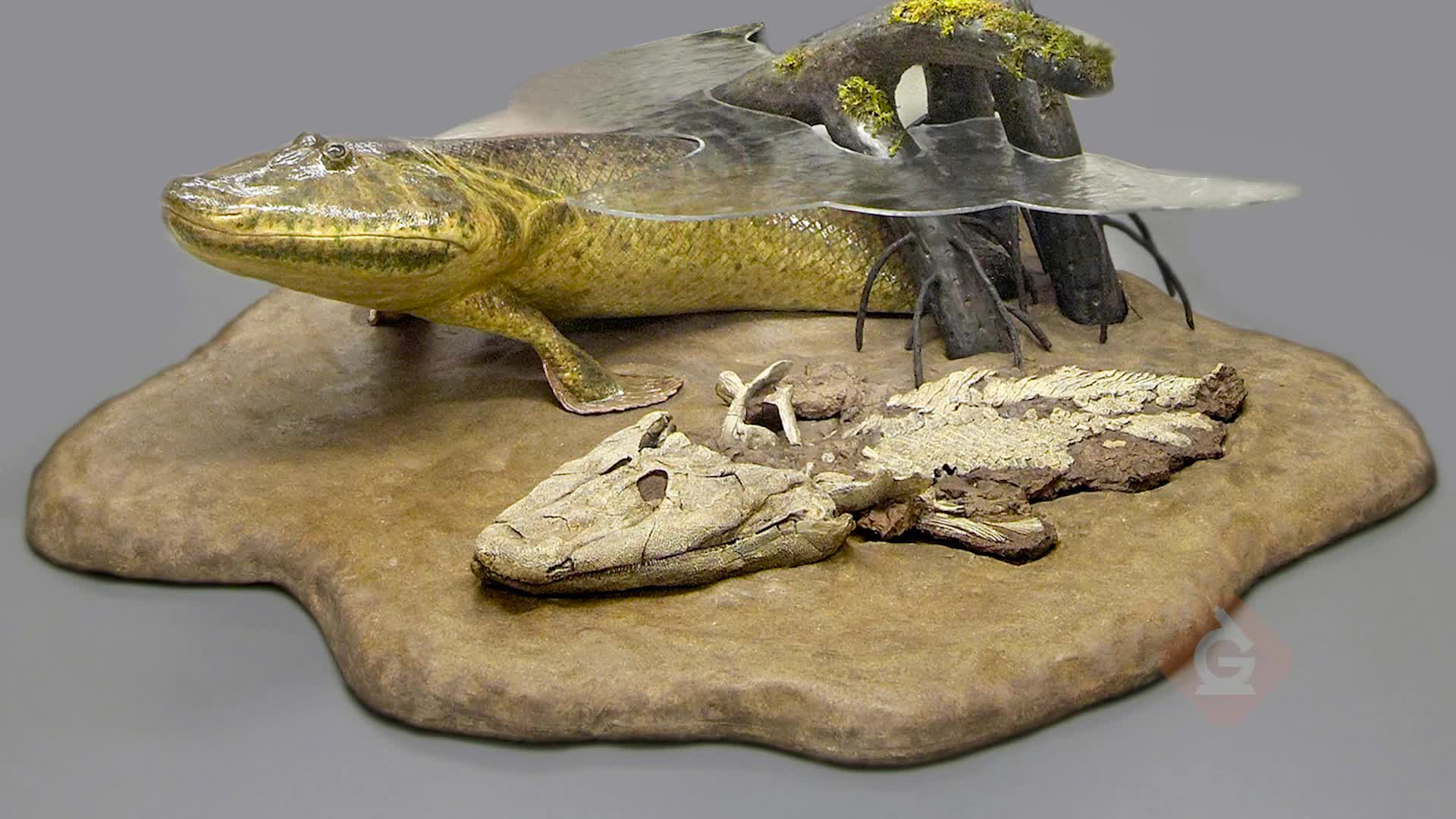
Tikaalik is a famous example of a _________ fossil.
a)
cast
b)
transitional
c)
mold
d)
imprint
29.
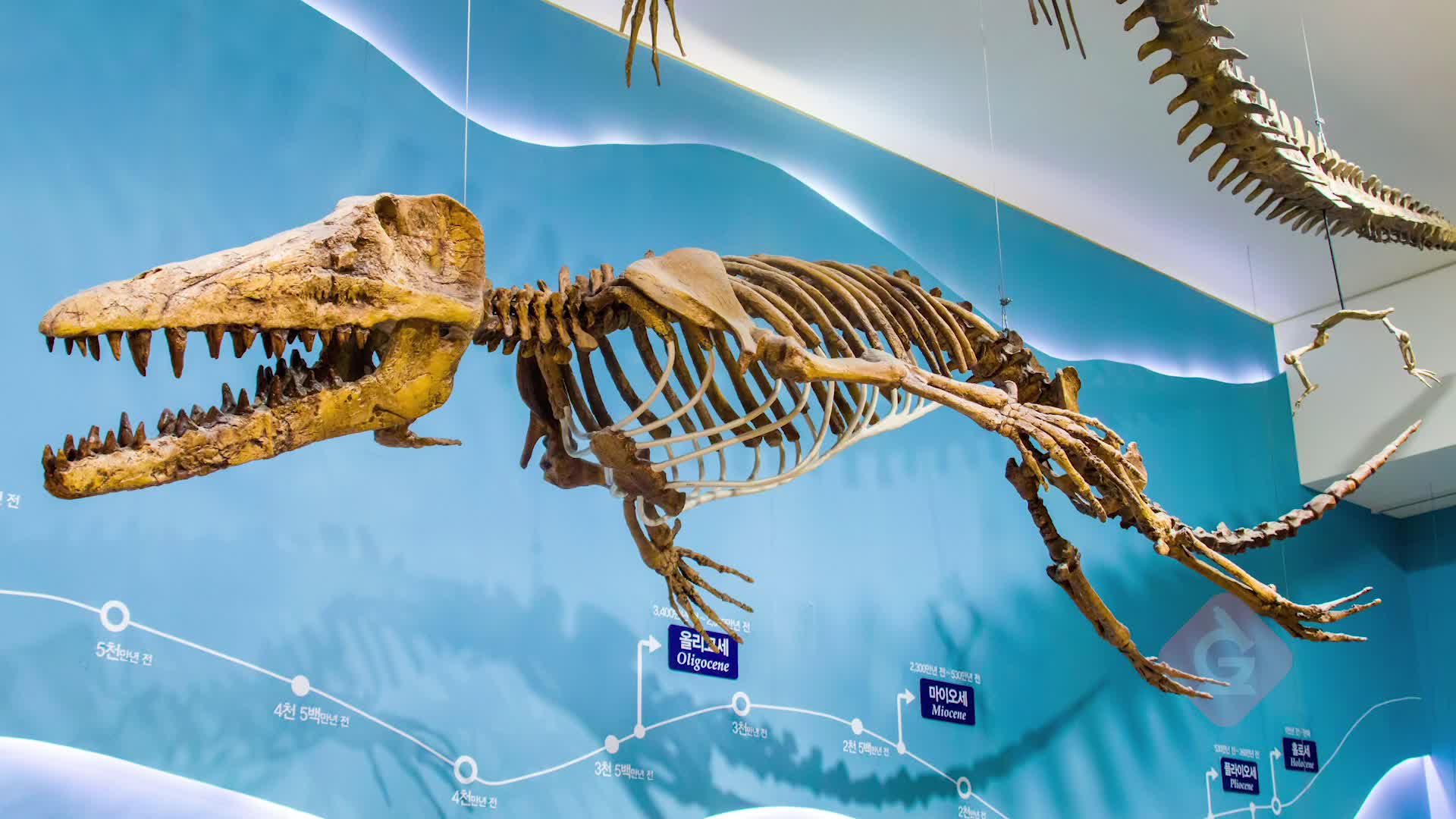
________ were believed to have once walked on land.
a)
Fish
b)
Whales
c)
Mammals
d)
Bacteria
30.
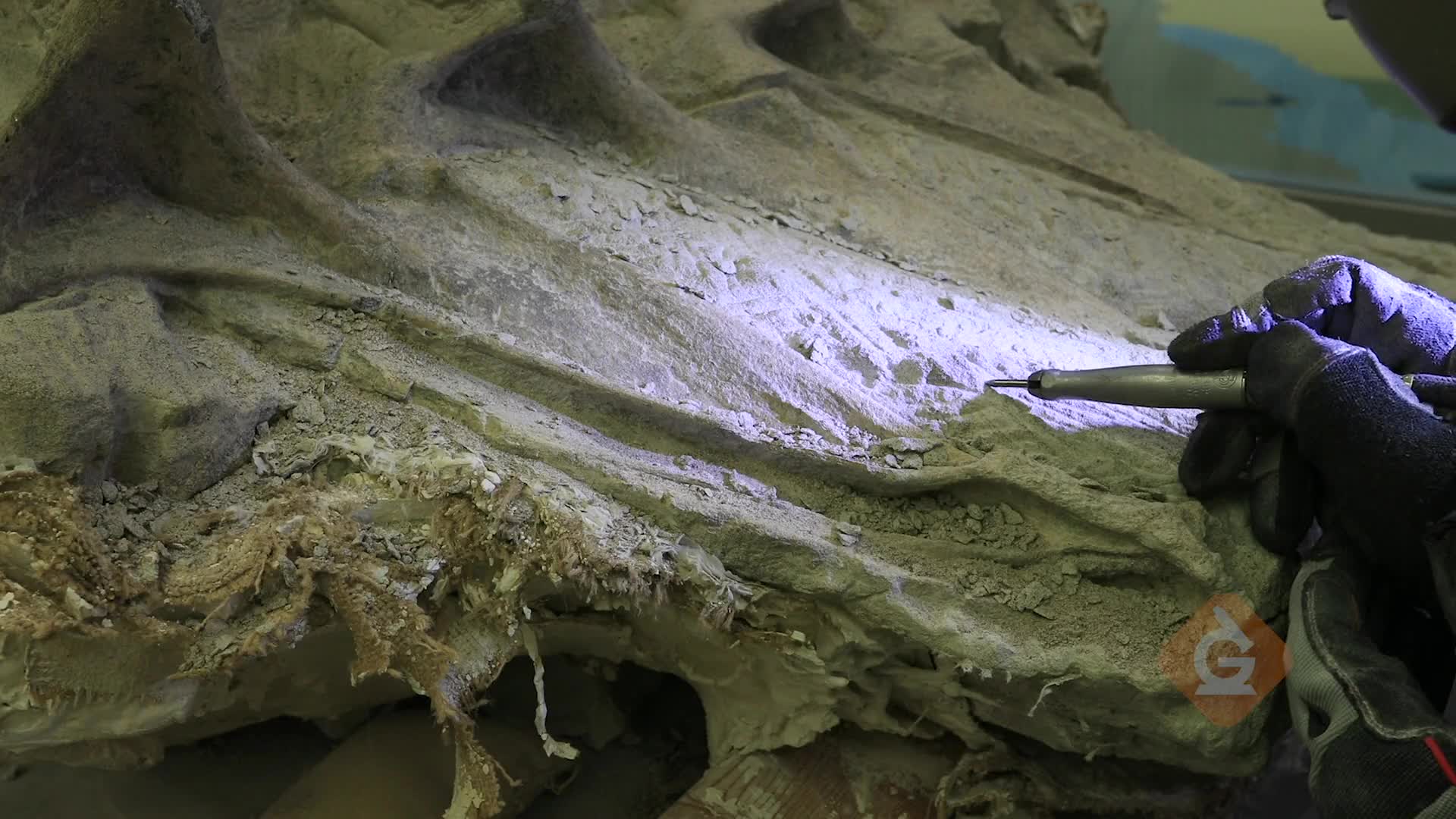
A ________ is a scientist who studies the fossil record to learn more about life on Earth.
a)
seismologist
b)
paleontologist
c)
biologist
d)
botanist
31.

________ is the process that plants use to make food.
a)
Respiration
b)
Photosynthesis
c)
Chemical reaction
d)
Carbon dioxide
32.

Plants and animals both use the process of _____ to release stored energy.
a)
photosynthesis
b)
chemical reaction
c)
growth
d)
cellular respiration
33.

Molecular biologists study ______.
a)
cell processes
b)
atmosphere
c)
weather
d)
animal behavior
34.

One product of photosynthesis is ____ that animals breathe.
a)
carbon dioxide
b)
oxygen
c)
cyanobacteria
d)
phytoplankton
35.

Living things that are too small to be seen are called_____.
a)
organisms
b)
atoms
c)
microorganisms
d)
molecules
36.

Matter cannot be created or ________.
a)
destroyed
b)
moved
c)
seen
d)
eaten
37.

Cellular respiration happens in the cell's _____.
a)
atmosphere
b)
mitochondria
c)
carbon dioxide
d)
chloroplast
38.

Carbon dioxide and oxygen are both ___ found in the air.
a)
liquids
b)
gases
c)
microorganisms
d)
processes
39.

What kind of organism was doing photosynthesis before plants?
a)
Cyanobacteria
b)
Algae
c)
Seaweed
d)
Insects
40.

A _____ is a process in which reactants change into a new product.
a)
chemical reaction
b)
cell process
c)
molecule
d)
mitochondria
41.

To move, the muscular system needs to work with the _______ system that sends signals from the brain.
a)
skeletal
b)
circulatory
c)
nervous
d)
excretory
42.

The heart pumps blood that carries oxygen all over the body. The oxygen comes from the _________ system.
a)
nervous
b)
respiratory
c)
circulatory
d)
muscular
43.

Tissue is made from ________.
a)
organisms
b)
cells
c)
organs
d)
bones
44.

What does multicellular mean?
a)
One cell
b)
Nonliving
c)
Many cells
d)
Living
45.

It is possible to trick the brain by altering _________ to make you think you're eating something sweet.
a)
your eyes
b)
your taste buds
c)
your teeth
d)
neurons
46.

Organs work together to make _________.
a)
body tissue
b)
cells
c)
other organs
d)
body systems
47.

Stems and roots would be a part of a ________ system.
a)
plant
b)
insect
c)
human
d)
bacteria
48.

To stay alive, systems need to work ________.
a)
alone
b)
independently
c)
together
d)
randomly
49.

To digest the food we eat, the digestive system has to work with the ________ system.
a)
muscular
b)
nervous
c)
circulatory
d)
All of the above
50.

The excretory system gets rid of _______ in your body.
a)
fat
b)
waste
c)
energy
d)
air
51.

________ are changes in genetic material.
a)
Genes
b)
Mutations
c)
Variations
d)
Biology
52.

___________ is the genetic material found in cells that contain the code of life, usually called DNA.
a)
A trait
b)
A mutation
c)
A chromosome
d)
Deoxyribonucleic acid
53.

Forensic scientists study ______ to help figure out crimes.
a)
DNA
b)
plants
c)
cells
d)
fossils
54.

Differences in traits are called _________ and explain why siblings don't look exactly alike.
a)
mutations
b)
variations
c)
traits
d)
evolution
55.

Traits can be inherited or influenced by ______ factors, like the sun.
a)
environmental
b)
mutation
c)
variation
d)
genetic
56.

_________ are strands of DNA that have been tightly coiled.
a)
Genes
b)
Traits
c)
Chromosomes
d)
DNA
57.

Genetic traits are passed from ________ to ________.
a)
parent; offspring
b)
chromosomes; traits
c)
DNA; genes
d)
offspring; parents
58.

A _________ is a scientist who studies viruses.
a)
virologist
b)
biologist
c)
botanist
d)
chemist
59.

Humans have ____ chromosomes.
a)
57
b)
22
c)
46
d)
100
60.

A ________ is a part of a chromosome that is inherited from the parent(s).
a)
trait
b)
mutation
c)
bacteria
d)
gene
61.

An example of a decomposer is a _______.
a)
butterfly
b)
bear
c)
plant
d)
worm
62.

Plants are considered _________ because they make their own food.
a)
consumers
b)
producers
c)
makers
d)
decomposers
63.

These organisms break down dead things.
a)
Consumers
b)
Producers
c)
Decomposers
d)
Rotters
64.

This is the chemical process by which plants make their own food.
a)
Cellular respiration
b)
Combustion
c)
Electrolysis
d)
Photosynthesis
65.

The overlapping of food chains results in a ________.
a)
woven chain
b)
braided chain
c)
food web
d)
food nest
66.

When we eat, our bodies go through this process to make energy from food.
a)
Photosynthesis
b)
Cellular respiration
c)
Transpiration
d)
Absorption
67.

This is the ultimate source of energy on Earth.
a)
Heat
b)
Fire
c)
Electricity
d)
The sun
68.

A grasshopper that eats the seeds of a plant is considered to be a _____________.
a)
producer
b)
decomposer
c)
consumer
d)
predator
69.

A consumer at the top of a food chain is sometimes called ________.
a)
a producer
b)
an apex consumer
c)
a top consumer
d)
prey
70.

The final products of photosynthesis are oxygen and _________.
a)
sunlight
b)
sugar
c)
carbon dioxide
d)
water
71.
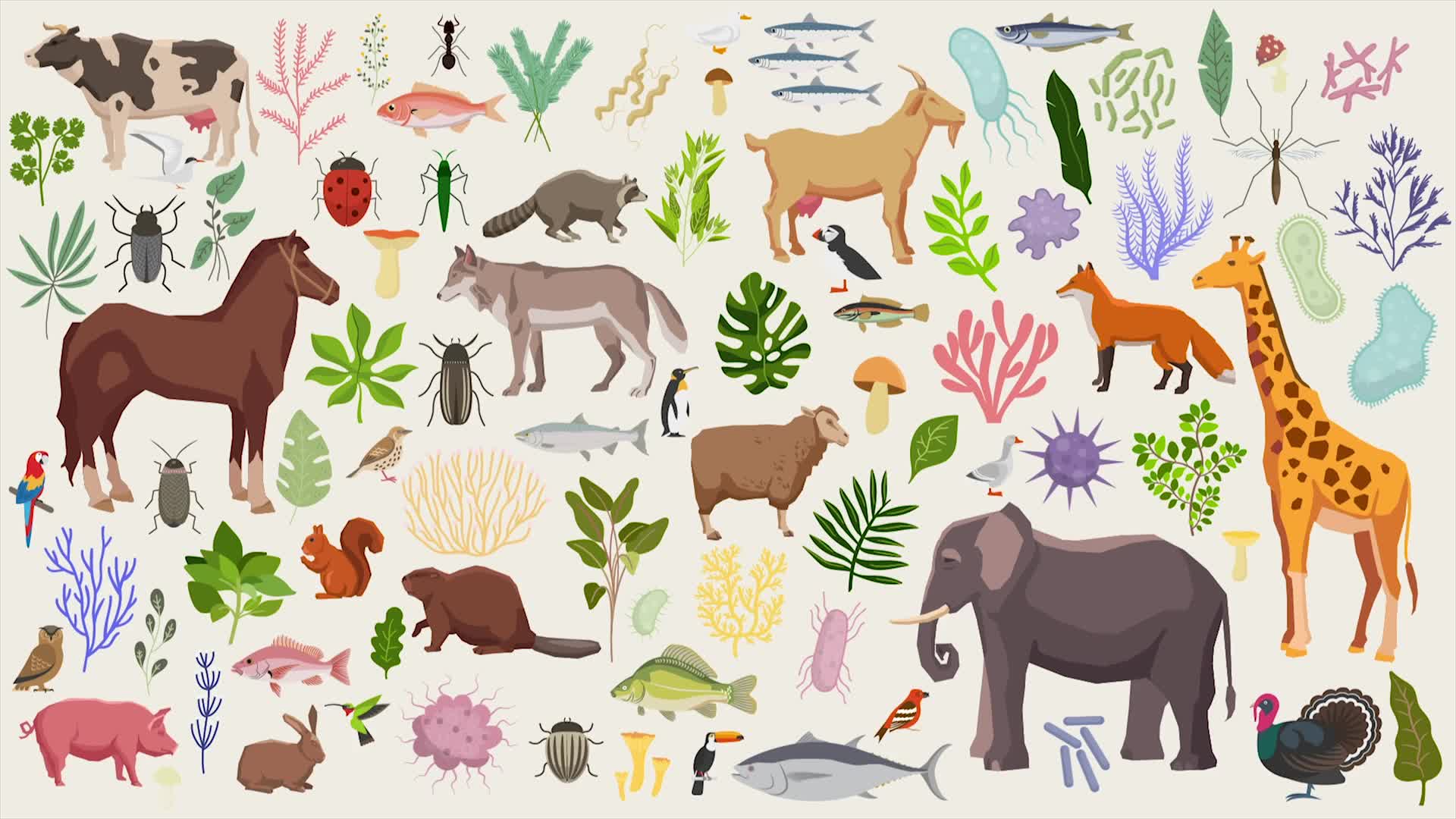
To sort an organism into a group based on shared traits is called __________.
a)
Domains
b)
Taxonomy
c)
Genetics
d)
Classification
72.

The broadest level of classification is __________.
a)
Domain
b)
Kingdom
c)
Phylum
d)
Species
73.

Organisms in the same phylum are more alike than organisms in the same class.
a)
TRUE
b)
FALSE
74.

Cells that have a nucleus are called ________.
a)
archaea
b)
bacteria
c)
eukaryotes
d)
fungi
75.

A scientific name consists of a ___________.
a)
domain and kingdom
b)
phylum and class
c)
family and order
d)
genus and species
76.

Which language is the primary language used to classify living things?
a)
Greek
b)
Latin
c)
Roman
d)
English
77.

An organism in the United States has the same scientific name as it does in China.
a)
TRUE
b)
FALSE
78.

What kind of animal is an armadillo?
a)
Marsupial
b)
Mammal
c)
Reptile
d)
Amphibian
79.

What do scientists compare to make sure they classify an organism correctly?
a)
Taxonomic charts
b)
Other organisms
c)
DNA strands
d)
Skeletons
80.

A scientist who studies insects is called a(n) _____.
a)
ornithologist
b)
entomologist
c)
arachnologist
d)
paleontologist
100 %

